- Starting price
- ~$13 hardcover
- Free tier
- No
- Platforms
- Hardcover · Board book · Kindle · Audio
- Developer
- Zondervan (Zonderkidz)
- Launched
- 1989
- Updated
- May 31, 2026
The verdict
The best-selling children's Bible storybook of the modern era, and the one most American kids meet first. The text is intentionally tiny and the stories are simplified to a toddler's attention span - that's the point, not a flaw. If you're buying a first Bible for a child between three and six, this is the safe default. Just know going in that it's a Protestant 66-book selection told in very few words, not a complete or denomination-specific Bible.
Try The Beginner's Bible ↗Opens thebeginnersbible.com
The Beginner's Bible has quietly become the book that most American children meet before they can read a sentence on their own. It sits on the shelf in church nurseries, in pediatric waiting rooms, in the diaper bag, and on the nightstand of more than twenty-five million households across its various editions. For a whole generation of parents, it is simply what 'a kid's Bible' looks like - bright, round-faced cartoon characters, one big picture per page, and a story told in language a three-year-old can follow.
It did not start as the version most people own today. The Beginner's Bible was first published in 1989 and went through more than one look before settling into its current form. The edition almost everyone buys now is the 2005 redesign, reillustrated by Kelly Pulley in the friendly, big-eyed cartoon style that became the book's signature. That redesign is the one that turned an already-popular title into a category-defining one. It doesn't try to be comprehensive. It doesn't try to teach doctrine. It doesn't try to do anything a Sunday-school teacher or a parent does better. What it does is hold a small child's attention through a real Bible story, and for the age it targets, that is the entire job.
What you actually get is a hardcover storybook of more than ninety short Bible stories, arranged in order from Creation through the early church, each one running two to six pages with large illustrations and a handful of simple sentences. The reading level is aimed squarely at ages three to six - toddlers and preschoolers - which means the text is brief to the point of being spare. That brevity is the most common thing parents either love or wish were different, and it is the single fact a buyer most needs to understand before clicking purchase.
There is also a piece of this story that most parents never connect: the art and stories in The Beginner's Bible are the visual basis for YouVersion's Bible App for Kids, the free animated app that has crossed 100 million installs worldwide. If your child has used that app, they have already met this book - the same round characters, the same simplified arcs. That cross-pollination is part of why the look feels so familiar, and it shapes a lot of how families end up using the two together.
✓ The good
- The best-selling children's Bible storybook of the modern era - well over 25 million copies across editions, which makes it the closest thing the category has to a default
- Kelly Pulley's 2005 art is genuinely warm and legible for toddlers - big, round, friendly characters that a two-year-old can read emotionally before they can read words
- Text pitched perfectly for ages 3-6 - short enough to finish before a small child loses interest, which is the actual problem most kids' Bibles fail to solve
- 90+ stories arranged in order from Creation to the early church - a child who hears the whole book gets the overall shape of the scriptural storyline, not just a few greatest hits
- Format options for every stage - board book for babies who chew, full hardcover for preschoolers, Kindle for travel, and audio for the car - so the brand grows with the child
- Shares its art and stories with YouVersion's free Bible App for Kids - the print book and the app reinforce each other, which is a real advantage for screen-plus-paper households
- Inexpensive and nearly indestructible in board-book form - the hardcover runs around $13 and the board editions survive toddlers
✗ Watch out
- Very simple text by design - readers wanting fuller, more literary storytelling (the kind The Jesus Storybook Bible offers) will find this one spare and may outgrow it quickly
- A Protestant 66-book selection - it draws its stories from the 66-book canon, so Catholic and Orthodox families wanting children's versions of the Deuterocanonical books will need a different title
- Non-denominational and light on framing - it tells the stories and stops, leaving all doctrinal explanation to the parent or teacher, which is intentional but worth knowing
- Selective, not complete - 90+ stories is a lot for a toddler but skips much of the Bible; it is a storybook sampler, not a comprehensive children's Bible
- Short shelf life per child - most kids age out of the reading level by six or seven, so it's a first Bible rather than a long-term one
- Art style is polarizing for some adults - the very cartoonish look that toddlers love reads as too juvenile to a few parents who prefer a more painterly illustration style
Best for
- Parents buying a true first Bible for a child aged 3-6
- Church nurseries and preschool ministries needing a durable default
- Families already using the Bible App for Kids who want the matching print book
- Gift-givers (baby showers, baptisms, dedications) wanting a safe, well-loved pick
Avoid if
- You want richer, more literary storytelling for the same age
- You want a complete or verse-by-verse children's Bible
- You want children's versions of the Deuterocanonical books
- Your child is older than seven and reading independently
What The Beginner's Bible is
The Beginner's Bible is an illustrated storybook Bible for young children, published by Zondervan's children's imprint, Zonderkidz. It collects more than ninety short Bible stories - Creation, Noah, Abraham, Joseph, Moses, David, Daniel, the birth and miracles of Jesus, the Resurrection, and the early church among them - and tells each in a few simple sentences alongside large cartoon-style illustrations. It first appeared in 1989; the modern, most-common edition is the 2005 redesign illustrated by Kelly Pulley, whose bright, round character art defines the book most people picture today.
It is broadly evangelical and non-denominational in flavor, drawing its stories from the Protestant 66-book canon and keeping the text deliberately spare so that a toddler or preschooler can follow along. The book makes no attempt at theological exposition - it narrates the stories in child-sized language and leaves interpretation to the adult reading it aloud. Its reach is hard to overstate: across editions and formats it has sold well over 25 million copies, and its art and stories were adapted into YouVersion's Bible App for Kids, one of the most-downloaded children's scripture apps in the world.
Why parents reach for The Beginner's Bible first
The single biggest practical difference between The Beginner's Bible and the more celebrated children's Bibles around it is the target age. Many of the books parents compare it to - The Jesus Storybook Bible, The Biggest Story, The Action Bible - are really written for older children, roughly ages four through ten, with longer text and a more developed storyline. The Beginner's Bible is built for the stage just below that: the two-to-six window, where a child cannot yet sit through a full page of prose and a story has to land in a few sentences or it loses them entirely. That is a genuinely different design problem, and it is the one this book solves better than almost anything else on the shelf.
The second thing parents notice is familiarity and trust. The art has been in circulation for two decades, it is the look behind the Bible App for Kids, and it shows up in church nurseries everywhere - so a parent buying a first Bible recognizes it on sight and knows roughly what they're getting. There are no surprises, no denominational asides, no text dense enough to intimidate a tired parent at bedtime. For the specific job of putting a Bible into the hands of a very young child, that combination of right-sized text, recognizable art, and low price is exactly why it tends to be the first one off the shelf.
Kelly Pulley's illustrations: the art that defines the book
The 2005 redesign that most people own is built around Kelly Pulley's illustrations, and they are the reason the book reads the way it does. The characters are round, big-eyed, and expressive - Noah grins, the animals beam, Goliath looms, the disciples look amazed - with one large, uncluttered image carrying most of each page. There is very little visual noise. A toddler who cannot yet read a word can read the picture: who is happy, who is scared, who is in charge. That emotional legibility is doing a lot of the storytelling work, and it is tuned for an age that processes faces long before it processes sentences.
This matters because the picture, not the text, is the primary medium at this age, and most children's Bibles get that backwards. A book aimed at three-year-olds that leans on paragraphs will lose them; a book that leans on a clear, warm image per page keeps them turning. Pulley's art is why The Beginner's Bible works as a lap book for a child who cannot yet read - and why the same art translated so naturally into animation when YouVersion built the Bible App for Kids on top of it. The look was already doing the job a screen would later amplify.
Ninety-plus stories, child-sized: the scope and the simplicity
The book moves in order through more than ninety stories, from Creation in Genesis to the early church in Acts, each told in a handful of short sentences across two to six illustrated pages. The selection hits the arcs a young child should meet first - Creation and the Fall, Noah, the Patriarchs, the Exodus, David and Goliath, Daniel, Jonah, the birth of Jesus, the miracles and parables, the cross and Resurrection, Pentecost. Read straight through over many nights, it gives a small child the overall shape of the scriptural story rather than a random handful of episodes, which is more than most toddler Bibles attempt.
The simplicity is the defining trait, and it is deliberate. Sentences are short, vocabulary is basic, and complexity is stripped out so the story survives a toddler's attention span. That is exactly right for ages three to six and exactly why many children outgrow it by seven - the same spareness that makes it work for a preschooler makes it feel thin to an early reader who is ready for more. Parents who understand this treat the book for what it is: a first Bible designed to be finished, loved, and then graduated from, not a children's Bible meant to last a whole childhood.
The Bible App for Kids connection: print and screen that match
The art and stories of The Beginner's Bible are the basis for YouVersion's Bible App for Kids, the free animated app from Life.Church and OneHope that has crossed 100 million installs. The connection is not a licensing footnote - it is why the app's characters, color palette, and story style feel so much like the book. A child who watches the animated David and Goliath on a tablet and then opens the printed David and Goliath at bedtime is meeting the same world twice, in two media, and the recognition reinforces the story both ways.
For households that mix screen time and paper - which is most households now - this overlap is a quiet advantage that few competing children's Bibles can match. The free app handles the interactive, attention-grabbing side; the print book handles the slow, lap-sitting, point-at-the-picture side. Buying the book is, in effect, buying the offline companion to an app a family may already use, and the two together cover more of a young child's week than either does alone. It is worth knowing about as a deliberate choice rather than a coincidence.
Pricing
Hardcover (2005 edition)
~$13
The standard Kelly Pulley edition. The copy most families own and the one to buy first.
Board book editions
~$8-10
Thick-page versions for babies and young toddlers - shorter story selections, built to survive chewing and throwing.
Kindle / ebook
~$8
The full storybook on a tablet or phone. Handy for travel; loses the lap-and-paper feel that matters at this age.
Audio edition
Varies
Narrated readings of the stories, useful in the car. Sold through audiobook channels and bundled in some app store editions.
Themed spinoffs
~$5-15
Coloring books, sticker books, devotionals, and holiday editions built on the same art. Companions, not the core book.
The Beginner's Bible is not free, but it is inexpensive. A new hardcover of the standard 2005 edition runs around $13 - call it the everyday default, and the copy almost every family ends up owning. Used copies turn up constantly at thrift stores, library sales, and church giveaways for a couple of dollars, which is how a lot of second and third copies enter a household.
Format is the real decision, not price. Board-book editions run roughly $8 to $10 and trade story count for durability - fewer stories, thick pages, built to survive a one-year-old who treats books as teething toys. The full hardcover (around $13) is the one to buy once a child can sit and turn paper pages, usually around two or three. The Kindle edition runs about $8 and is handy for travel, though it loses the lap-and-paper feel that matters a great deal at this age.
There is also an audio edition (pricing varies by channel and is bundled into some app store versions) for the car, plus a wide shelf of themed spinoffs - coloring books, sticker books, holiday and devotional editions - generally in the $5 to $15 range. These are companions built on the same art, not the core book, and none of them is necessary to get the value of the main storybook.
Most families need exactly one edition: the hardcover. Buy the board book first if your child is still chewing on things, the hardcover once they can handle paper pages, and treat everything else as optional. The hardcover is the balanced default and the copy you will actually read at bedtime.
Limitations and considerations
Sparse text. The Beginner's Bible tells each story in very few words, and readers who want richer, more emotionally developed storytelling - the unbroken Christ-centered narrative of The Jesus Storybook Bible, say - will find this one thin by comparison. The brevity is the right call for a two-year-old and the wrong call for a seven-year-old, which is why it functions as a first Bible rather than a lasting one.
A 66-book selection. The book draws its stories from the Protestant 66-book canon. That is a neutral fact about its scope, but it matters for buyers: Catholic and Orthodox parents who want children's versions of the Deuterocanonical books (Tobit, Maccabees, and the rest) will need a children's Bible from their own tradition, and Latter-day Saint families looking for stories beyond the Bible will likewise need to supplement.
Light framing by design. The book narrates and stops. It does not explain the Trinity, the atonement, salvation, or the sacraments in any formal way - it leaves all of that to the adult reading aloud. This keeps it usable across a wide range of Christian families, but it means the book is a starting point for conversation, not a self-contained discipleship tool.
Selective coverage. Ninety-plus stories is generous for the age, but it is a fraction of the Bible. Whole books and many familiar episodes are absent. Parents expecting a comprehensive children's Bible - every story, in order, start to finish - will find this a curated sampler instead, which is the correct design for a toddler but a real limitation to name.
A short runway per child. Most children outgrow the reading level by six or seven and move on to something with more text. That is not a defect so much as a category trait, but it means the book earns its keep over a few years, not a whole childhood, and many families buy a step-up title (The Jesus Storybook Bible, The Biggest Story, or The Action Bible for older kids) right behind it.
The Beginner's Bible vs. The Jesus Storybook Bible vs. The Action Bible
These three are the children's-Bible shortlist most parents weigh, and they serve genuinely different ages and goals. The Beginner's Bible is the first Bible - ages roughly three to six, very short text, big friendly art, designed to be finished and loved by a child who cannot yet read. The Jesus Storybook Bible (Sally Lloyd-Jones, illustrated by Jago) is the literary one - ages four to ten, longer and more lyrical, written to trace one continuous storyline pointing toward Jesus across both Testaments. The Action Bible (illustrated by Sergio Cariello) is the graphic-novel one - ages eight and up, full comic-book panels and a more intense visual style aimed at older kids, especially reluctant readers.
Different strengths. The Beginner's Bible is better at the youngest stage - short enough to hold a toddler, cheap enough to replace when it gets destroyed, and recognizable enough that everyone trusts it. The Jesus Storybook Bible is better for a slightly older child and for parents who want a narrative thread and warmer prose. The Action Bible is better for grade-schoolers - particularly boys and reluctant readers - who have aged past picture books and want something that reads like a comic. If your child is under six, start with The Beginner's Bible. If they are four to ten and you want richer storytelling, add The Jesus Storybook Bible. If they are eight-plus, The Action Bible is the one that holds them.
All three are broadly Protestant in their story selection and are read widely across Christian traditions, with parents often owning more than one as a child grows. The Beginner's Bible is the most age-down of the three and the most common starting point; the other two are where many families graduate to next.
The bottom line
The Beginner's Bible is the default first Bible for a reason. The art is warm and legible to a child who cannot yet read, the stories are short enough to actually finish at bedtime, the formats grow with the child, and it shares its world with the most popular kids' Bible app going. The spare text and the 66-book selection are real things to know going in - they make it a first Bible rather than a complete or long-term one, and rather than dealbreakers. If you are buying a child between three and six their very first Bible, this is still the safe, well-loved place to start.
Alternatives to The Beginner's Bible
 Bible App for KidsThe free animated app built on this book's art and stories - the screen companion to the print version, used by 100M+ families and the strongest pairing here.
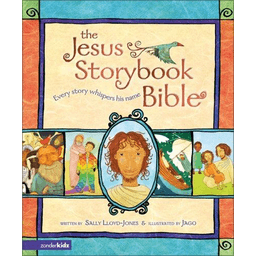 The Jesus Storybook BibleSally Lloyd-Jones's lyrical children's Bible for ages 4-10 - longer and more literary, tracing one storyline toward Jesus. The natural step up from The Beginner's Bible.
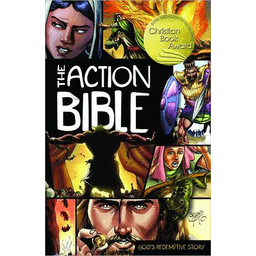 The Action BibleSergio Cariello's full graphic-novel Bible for ages 8+ - comic-book panels and a cinematic style aimed at grade-schoolers and reluctant readers.
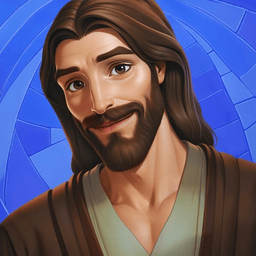 SuperbookCBN's long-form animated Bible series and app - half-hour CGI episodes for slightly older kids, great for family movie nights alongside a print first Bible.
Frequently asked questions
What age is The Beginner's Bible for?
Roughly ages three to six - toddlers and preschoolers. The text is intentionally short and the stories are simplified for a young child's attention span. Most children outgrow the reading level by seven and move to a step-up title like The Jesus Storybook Bible or, for older kids, The Action Bible.
Which edition of The Beginner's Bible should I buy?
The standard 2005 hardcover, illustrated by Kelly Pulley, is the right default for most families - it runs around $13 and is the version almost everyone owns. Buy a board-book edition first if your child is still chewing on books, the Kindle version (~$8) for travel, and treat the audio and spinoff editions as optional companions.
Is The Beginner's Bible connected to the Bible App for Kids?
Yes. The art and stories in The Beginner's Bible are the basis for YouVersion's free Bible App for Kids from Life.Church and OneHope. The characters and story style match, so a child who uses the app will recognize the print book and vice versa - which makes the two a natural pairing for households that mix screen and paper.
Is The Beginner's Bible a complete Bible?
No. It is a storybook Bible with more than ninety stories arranged in order from Creation to the early church, not a complete or verse-by-verse Bible. It draws its stories from the Protestant 66-book canon. Families wanting children's versions of the Deuterocanonical books, or a comprehensive children's Bible, will want a different title.
How many stories are in The Beginner's Bible?
More than ninety, depending on the edition. They run in order from Creation through the early church, each told in a few short sentences across two to six illustrated pages. Board-book versions carry a smaller selection; the full hardcover has the complete set.
Is The Beginner's Bible tied to a particular denomination?
It is broadly evangelical and non-denominational, with stories drawn from the 66-book canon and very little doctrinal framing. It narrates the stories and leaves interpretation to the parent or teacher reading aloud, which is what lets it be used across a wide range of Christian families.
Where should we go after The Beginner's Bible?
For richer storytelling at a slightly older age, The Jesus Storybook Bible (ages 4-10) is the most common next step. For grade-schoolers and reluctant readers, The Action Bible (ages 8+) reads like a graphic novel. On screen, the Bible App for Kids and Superbook both extend the experience, and many families eventually move a child into a full study Bible in their own tradition.
Sources & further reading
More Children's Bibles & Kids Books
The Jesus Storybook BibleThe children's storybook Bible that retells 44 stories as a single rescue plan pointing to Jesus - the one most parents and grandparents end up gifting, and the one adults quietly read for themselves.The Action BibleThe best-selling graphic-novel Bible of its era - 215+ Scripture narratives told in full-color comic art, built to pull reluctant and visual readers into the story.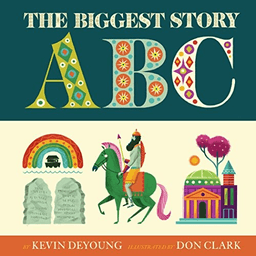 The Biggest StoryKevin DeYoung and Don Clark trace the whole Bible as one story - from the garden, through the promised snake crusher, to the new creation - in a single flowing read-aloud for ages four to eight.
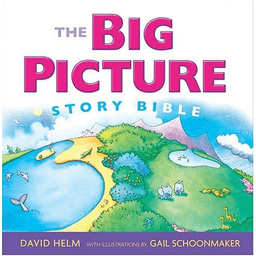 The Big Picture Story BibleThe storybook Bible that tells the whole Bible as one story - God's people, in God's place, under God's rule - written slow and gentle enough for a two-year-old on your lap.
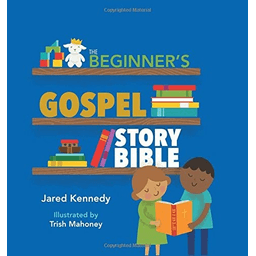 The Gospel Story BibleThe 156-story family storybook Bible that ends every story by connecting it to Jesus - and the hub of a whole devotional-and-curriculum ecosystem built for reading with a range of ages at once.
 The OlogyA children's systematic theology disguised as a treasure hunt - 71 short readings that walk kids through the whole sweep of Christian doctrine, organized by topic instead of by story.