- Starting price
- Free (public domain)
- Free tier
- Yes
- Platforms
- Print · Kindle · Audiobook · Web (free)
- Developer
- Various / Public domain
- Launched
- 1907
- Updated
- May 31, 2026
The verdict
Power Through Prayer is the most quoted of E.M. Bounds’s prayer books for a reason: it is short, relentless, and aimed straight at the heart. Bounds hammers one idea - that the power of the church flows through praying people, not polished methods - and he refuses to let the reader off the hook. It will not give you a system. It will give you a conviction.
Try Power Through Prayer ↗Opens ccel.org
Power Through Prayer has quietly become one of the most-passed-along books on prayer in print, and it does its work in fewer than a hundred pages. First published in 1907, it is the best known of the several prayer books drawn from the writings of Edward McKendree Bounds - a Southern Methodist minister and Civil War-era chaplain who wrote on prayer prolifically, most of it published only after his death in 1913. Of the half-dozen Bounds prayer titles that now circulate, this is the one people quote, the one ministers recommend to one another, and the one that turns up in almost every prayer-book omnibus on the market.
It is not a how-to. It does not hand you a method. It does not flatter the reader, and it does not pretend that prayer is mostly about technique. Bounds has exactly one thing to say, and he says it from twenty different directions until it is impossible to forget: the power of the gospel, and especially the power of the preacher, has never come from organization, eloquence, scholarship, or machinery. It comes from praying people. "Men of prayer" is the phrase that runs like a drumbeat through the whole book. Everything else - the sermon, the program, the budget, the building - is downstream of that, and most of it, Bounds argues, is a substitute for it.
The book was written for preachers. That fact shapes every chapter, and it is the first thing a reader should know going in. Bounds spends much of his fire on the minister in the study, the man in the pulpit, the danger of a busy ministry that has quietly stopped praying. But the reach of the book has always been far wider than its target. Laypeople have read it for more than a century by simply translating "preacher" into "Christian" - and the translation works, because Bounds’s real subject is not the sermon at all. It is the praying heart behind anything God uses. That is why a short, intense book aimed at clergy in 1907 is still in print, still cheap, still free online, and still being handed across the aisle today.
✓ The good
- The single-minded thesis - Bounds reframes the whole question of spiritual power around the praying person, and he states it more memorably than almost anyone before or since
- Short and re-readable - under a hundred pages, readable in an afternoon, and built to be returned to whenever your own prayer life has gone cold
- Aphoristic, quotable prose - the book is wall-to-wall sentences people underline; "What the Church needs today is not more machinery or better, not new organizations or more and novel methods, but men whom the Holy Ghost can use" is only the most famous
- Convicting without being abstract - Bounds writes about prayerlessness the way a doctor writes about a disease he has watched kill people, and the urgency is contagious
- Public domain - the full text is free online and in countless cheap print and ebook editions, so cost is never a barrier
- Travels widely across traditions - written from a broadly evangelical, Methodist vantage, it is quoted approvingly far beyond it, by readers who simply want their prayer rekindled
- Pairs naturally with longer, more structured books - its heat makes a strong companion to the method and depth that fuller prayer books supply
✗ Watch out
- No structured teaching on how to pray - Bounds is all conviction and no method; a reader looking for a framework, a plan, or a daily template will not find one here
- Repetitive by design - the book makes essentially one point and circles it for chapter after chapter, which is its power for some readers and a wearying sameness for others
- Written for preachers - laypeople have to translate "the minister" into their own situation throughout, and a reader expecting a general book on prayer may feel they are reading someone else’s mail
- Early-1900s idiom - the diction, the cadence, and the exclusively masculine "men of prayer" framing are of their era and can feel distant to a modern reader
- Intense to the point of heaviness - the relentless emphasis on how little we pray can read as exhortation piled on exhortation, and some readers find it more crushing than freeing
- Edition chaos - because it’s public domain, the market is flooded with uneven reprints, padded omnibuses, and bare-bones ebooks of varying quality
Best for
- Pastors, preachers, and ministry leaders feeling the pull of a busy, prayerless ministry
- Readers who want a short, white-hot book to reignite a cold prayer life
- Anyone who underlines quotable, aphoristic prose and returns to a book again and again
- Christians of any tradition looking for a free, classic text on the priority of prayer
Avoid if
- You want a step-by-step method, a prayer plan, or a structured framework
- You bounce off repetitive, single-theme books that circle one idea
- You prefer a general, lay-oriented book over one written specifically to clergy
- You find early-20th-century idiom and unrelieved exhortation hard going
What Power Through Prayer is
Power Through Prayer is a short book - under a hundred pages in most editions, roughly twenty brief chapters - on the place of prayer in spiritual power, with a particular focus on the praying life of the preacher. It was written by E.M. Bounds, a 19th-century American minister, attorney-turned-pastor, and Civil War chaplain who devoted the last quarter-century of his life to writing about prayer. First published in 1907 under the title Preacher and Prayer, it has circulated under the now-standard title Power Through Prayer ever since, and is the most widely read of the several prayer books his manuscripts produced.
The book does not teach a method. It presses a conviction. Bounds’s argument, repeated from chapter to chapter, is that everything God uses in the church runs through praying people rather than through programs, talent, or organization - and that the preacher in particular cannot substitute study, eloquence, or activity for time on his knees. Each short chapter restates and re-illustrates that single claim, drawing on Scripture and on vivid portraits of praying ministers from church history. It is less a treatise than a sustained, hortatory appeal - a book meant to convict and to kindle rather than to instruct.
Why ministers keep returning to a hundred-year-old book
Most books on prayer written for clergy age badly, because most of them are tied to the ministry methods of their moment. Power Through Prayer aged the opposite way, because Bounds spends the entire book arguing against methods. His claim is that the temptation of every era is to mistake machinery for power - to believe that a better program, a sharper sermon, or a busier schedule can do what only prayer can do. That argument was leveled at 1907’s ministry fashions, but it lands just as hard on 2026’s, which is exactly why pastors keep pressing the book on one another.
The deeper reason is tone. Bounds writes about a prayerless ministry the way someone writes about a slow leak in a boat - with an urgency that does not let up. He is not interested in making the reader comfortable, and the book’s power is inseparable from its refusal to flatter. A preacher who has felt the gap between a busy week and an empty prayer life reads Bounds and feels caught. That is unpleasant and clarifying in equal measure, and it is the experience ministers describe when they explain why they own three copies and have given away ten.
The "men of prayer" thesis: the book’s one relentless idea
Bounds’s central claim is stated in the book’s most famous lines and then never abandoned: "What the Church needs today is not more machinery or better, not new organizations or more and novel methods, but men whom the Holy Ghost can use - men of prayer, men mighty in prayer." Everything in the book is an expansion of that sentence. Bounds argues that the gospel’s advance has always depended on praying people rather than on systems, that "the man makes the preacher" rather than the method making the man, and that no amount of organizational genius can substitute for a praying heart. He sets prayer not alongside the church’s other priorities but underneath all of them, as the source the rest depend on.
This sounds like a small thing. In practice it is the engine of the entire book, and the reason it has stayed in print for more than a century. By refusing to let prayer become one item on a ministry checklist, Bounds reframes the whole question of spiritual effectiveness. The reader who absorbs the thesis cannot un-see it: every program, every sermon, every strategy starts to look like either an overflow of prayer or a substitute for it. That single move is what readers carry away long after the specific chapters blur, and it is why the "men of prayer" line is among the most-quoted sentences in the entire literature of prayer.
Aimed at the preacher: a book about the pulpit, read far beyond it
Power Through Prayer is, on its face, a book for ministers. Its original title was Preacher and Prayer, and its chapters dwell on the preacher in the study, the danger of the sermon prepared without prayer, and the difference between a ministry that is busy and one that is powerful. Bounds is unsparing here. He argues that a prayerless preacher is a contradiction, that study cannot stand in for supplication, and that the most fatal thing a minister can do is let the machinery of ministry crowd out the praying that gives ministry its weight. For a pastor, the book reads like a mirror held a little too close.
Yet the book’s readership has always dwarfed the clergy it addresses, because laypeople simply translate. Where Bounds writes "preacher," the ordinary reader hears "Christian," and the translation rarely strains, because Bounds’s true subject is the praying heart behind anything God uses - not the sermon as such. A teacher, a parent, a small-group leader, anyone tempted to substitute activity for prayer finds the warning fits. The reader should know going in that they are reading a book pitched at the pulpit; once that frame is set, the wider application is easy and intended. It is worth flagging, though, for anyone expecting a general, lay-oriented book on prayer - this one starts in the study and asks you to carry it out.
Short, intense, and built to be re-read
The book’s length is part of its design. Bounds works in short chapters and short, hammered sentences, and the whole thing can be read in a single sitting. There is little argument in the academic sense and almost no scaffolding - Bounds states his claim, illustrates it with Scripture and with portraits of praying saints from church history, and states it again. The effect is closer to a sustained sermon than to a treatise, and the deliberate repetition means no single chapter is load-bearing. You can open the book anywhere and find the same fire.
That structure makes Power Through Prayer a book people return to rather than finish. Many readers describe keeping it within reach and rereading a chapter whenever their own praying has gone thin - using it less as information to be acquired once than as a coal to be blown on repeatedly. The repetition that can wear on a straight-through reader becomes a feature for the returning one. It is also why the book survives the modern complaint that it has only one idea: a book with one idea, pressed this hard and this briefly, is precisely the kind of book a busy person can actually use again and again.
Pricing
Web / Public domain
Free
The complete text is in the public domain and reads free online at Christian Classics Ethereal Library, Project Gutenberg, and many other sites. The honest default for most readers - nothing is missing from the free text.
Kindle / Ebook
~$0-3
Dozens of Kindle editions exist, many free or under a few dollars. Quality varies; pick one with a clean table of contents and reviews that mention good formatting, since the text itself is identical across editions.
Standalone paperback
~$8-12
A slim standalone print edition of just Power Through Prayer. The nicest way to read and mark up the single book if you want a physical copy; watch for padded reprints charging more for the same public-domain text.
Bounds prayer omnibus
~$12-15
Collected editions bundle Power Through Prayer with Bounds’s other prayer books (Purpose in Prayer, The Necessity of Prayer, The Weapon of Prayer, and more). The best value in print if you want the whole Bounds corpus on prayer in one volume.
Audiobook
~$0-7
Free public-domain recordings exist (LibriVox and others), alongside paid narrations. Useful for a commute, though the book’s underlinable density rewards reading on the page where you can stop and sit with a sentence.
Power Through Prayer is in the public domain, and that single fact governs its whole pricing picture. The complete, unabridged text reads free online at Christian Classics Ethereal Library, Project Gutenberg, and dozens of other sites, and there is nothing in any paid edition that the free text lacks. For most readers the honest answer is that the free version is the version - you are paying, at most, for paper, formatting, or narration, never for content.
If you want a physical copy, a slim standalone paperback runs roughly $8-12 and is the nicest way to mark up the single book. Bounds prayer omnibuses - which bundle Power Through Prayer with his other prayer titles like Purpose in Prayer and The Necessity of Prayer - run about $12-15 and are the better print buy if you suspect you will want the whole Bounds corpus, since the marginal cost of the extra books is small. Be a little wary of padded reprints that charge premium prices for the same public-domain text dressed in a new cover.
Kindle and ebook editions span from free to a couple of dollars; the only thing worth checking is formatting and a clean table of contents, since the words are identical everywhere. Audiobook options likewise range from free public-domain recordings (LibriVox and similar) to paid professional narrations of a few dollars. The book is short enough that any format is a small commitment.
There is no subscription, no app, and no premium tier to weigh - this is a one-time, often-free purchase. The only real decision is format, and for a book this dense with underlinable sentences, most readers are best served reading it on a page (free or cheap) where they can stop and sit with a line.
Where Power Through Prayer falls behind
No method, no plan, no framework. Power Through Prayer will not teach you how to pray in any practical, step-by-step sense. There is no ACTS outline, no rule of life, no daily structure - Bounds is interested in convicting you that you must pray, not in scaffolding the practice. A reader who needs that scaffolding will have to get it elsewhere and pair it with this book, which supplies heat rather than blueprint.
One idea, repeated. The book makes essentially a single point and circles it for chapter after chapter. For the returning reader that repetition is the point; for the straight-through reader it can become a wearying sameness by the midpoint. There is no version of this book that develops a second theme - the single-mindedness is the book.
Written to preachers. The chapters are pitched at the minister, the study, and the pulpit, and laypeople have to translate throughout. The translation is easy and intended, but a reader expecting a general book on prayer may spend the early chapters feeling they are reading someone else’s correspondence before the wider application clicks.
Of its era. The 1907 idiom, the cadence, and the exclusively masculine "men of prayer" framing are products of their time. None of it obscures the meaning, but a modern reader will notice the period diction, and some will find the relentless, exhortatory tone heavier than a contemporary book would risk being.
Edition quality is a coin flip. Because the text is free for anyone to republish, the market is crowded with uneven reprints - some padded, some poorly formatted, some bundling the book into omnibuses of varying care. The words are always the same; the packaging is not, and a careless edition can make a great book a frustrating reading experience.
Power Through Prayer vs. A Praying Life vs. Keller’s Prayer
These are three very different books that readers reaching for help with prayer often end up choosing between, and they do almost opposite jobs.
Different strengths. Power Through Prayer (Bounds, 1907) is the exhortation - short, intense, aimed especially at preachers, built to convict you that prayer is the source of everything and to send you to your knees, with no method attached. A Praying Life (Paul Miller, 2009) is the memoir - it teaches a child-like posture toward prayer through Miller’s own family stories and releases the reader from technique anxiety. Prayer: Experiencing Awe and Intimacy with God (Tim Keller, 2014) is the systematic treatment - broader, historically grounded in Augustine, Calvin, and Owen, with an actual structured method at the back.
In practice the three complement rather than compete. Bounds supplies the conviction and the fire; he is the one to read when the problem is that you have stopped praying and stopped caring that you stopped. Miller supplies the gentleness and the reframing for the reader crushed by guilt. Keller supplies the theology and the daily method for the reader who is ready to build a practice. If you can read only one and your prayer life has gone cold and dutiless, Bounds is the shortest, sharpest jolt. If you want to then learn how to actually pray day by day, move to Miller or Keller - they assume the urgency Bounds is trying to create.
The bottom line
Power Through Prayer has stayed in print for more than a century because it does one thing better than almost any book in its category: it convicts. Bounds will not hand you a method, the repetition is real, and the book is pitched at preachers in early-1900s idiom you will have to read past. But for the pastor drifting toward a prayerless ministry, or any Christian whose praying has gone cold and routine, no short book lands a harder, more memorable blow. Read it free, read it in an afternoon, and pair it with A Praying Life or Keller’s Prayer for the method and depth Bounds deliberately leaves out. The fire is the point.
Alternatives to Power Through Prayer
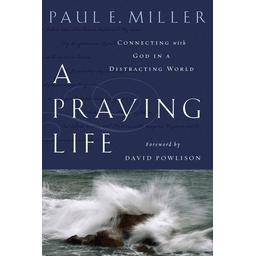 A Praying LifePaul Miller’s modern classic on child-like, unscripted prayer. Where Bounds convicts, Miller releases - the gentle, memoir-driven counterpart most pastors recommend first to the guilt-weary reader.
 Prayer: Experiencing Awe and Intimacy with GodTim Keller’s systematic theology of prayer, with historical depth and a structured daily method. The framework Bounds never supplies - a natural follow-on once the urgency lands.
 The Valley of VisionArthur Bennett’s compilation of Puritan prayers - a book to pray out of rather than read about prayer. The language to pray with once Bounds has convinced you to start.
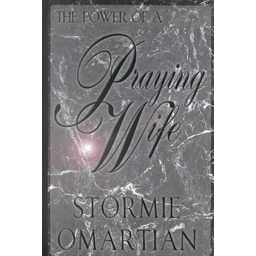 The Power of a Praying WifeStormie Omartian’s widely read, practical guide to praying for a spouse. A different register and audience than Bounds - concrete and applied where Bounds is hortatory and general.
Frequently asked questions
Who was E.M. Bounds?
Edward McKendree Bounds (1835-1913) was an American minister, a lawyer before his ordination, and a chaplain during the Civil War. He served as a Southern Methodist pastor and editor and spent the last decades of his life writing about prayer. Most of his prayer books, including the best known of them, were published after his death from manuscripts he left behind.
Is Power Through Prayer only for pastors?
It was written for preachers - its original title was Preacher and Prayer, and its chapters focus on the minister, the study, and the pulpit. But it has been read far beyond the clergy for over a century. Laypeople simply translate "preacher" into their own situation, and it works, because Bounds’s real subject is the praying heart behind anything God uses, not the sermon itself.
Does the book teach you how to pray?
No, not in a practical, step-by-step sense. Power Through Prayer is hortatory rather than instructional - it presses the conviction that you must pray and that prayer is the source of spiritual power, but it offers no method, plan, or framework. Readers who want structure usually pair it with a book like Tim Keller’s Prayer or Paul Miller’s A Praying Life.
Is it really free?
Yes. Power Through Prayer is in the public domain, and the complete, unabridged text is free to read online at Christian Classics Ethereal Library, Project Gutenberg, and many other sites. Paid print, ebook, and audiobook editions exist, but you are paying only for the format and packaging - never for content the free version lacks.
Which edition should I buy?
For most readers the free online text is all you need. If you want a physical copy to mark up, a standalone paperback runs about $8-12; if you think you’ll want Bounds’s other prayer books too, a collected omnibus (~$12-15) is the better print value. With ebooks and audiobooks the only thing worth checking is formatting and narration quality, since the words are identical across editions.
What tradition does the book come from?
Bounds wrote from a broadly evangelical, Methodist vantage - he was a Southern Methodist minister. The book itself stays focused on the priority of prayer rather than on denominational distinctives, which is why it has been read and quoted well beyond Methodist circles by readers across many traditions who simply want their prayer life rekindled.
How is it different from his other prayer books?
Bounds wrote several books on prayer - Purpose in Prayer, The Necessity of Prayer, The Weapon of Prayer, and others, most published posthumously. Power Through Prayer is the best known and most quoted, and the one most focused on the preacher and on the theme of spiritual power. The others overlap heavily in spirit; if you love this one, an omnibus collecting them all is a natural next step.
Sources & further reading
More Books on Prayer
The Valley of VisionArthur Bennett’s slim collection of Puritan prayers has quietly become the modern standard prayer book in Reformed circles - and the gift-book the rest of the church keeps quietly buying.Prayer: Experiencing Awe and Intimacy with GodTim Keller’s 2014 book has quietly become the modern study desk’s default doorway into prayer - equal parts pastoral, exegetical, and historically aware.A Praying LifeThe most quietly beloved modern book on prayer in the evangelical world, built around a startling idea - that real prayer looks more like a child tugging a parent’s sleeve than a disciplined adult performing piety.The Book of Common PrayerThe 1549 prayer book that gave English-speaking Christianity its Daily Office has quietly become the structured prayer rhythm readers of many traditions reach for when their own words run out.The Power of a Praying WifeThe book that quietly built an entire genre of "praying for your spouse" titles - and still sits on more nightstands than almost any other prayer book in print. ESV Study BibleThe ESV Study Bible has quietly become the default desk Bible for pastors, seminarians, and serious lay readers in the Reformed evangelical world - and the reasons it earned that spot are worth understanding before you buy.