- Starting price
- $13.99 hardcover
- Free tier
- No
- Platforms
- Print · Kindle · Audiobook · Leather
- Developer
- Banner of Truth
- Launched
- 1975
- Updated
- May 24, 2026
The verdict
A small, dense, almost shockingly honest collection of Puritan prayers that has outlived the era it was edited in. If you have ever felt your own prayers go thin, this is the book most likely to thicken them again.
Try The Valley of Vision ↗Opens banneroftruth.org
The Valley of Vision is a 223-page collection of prayers - most of them anonymous in the original sources, all of them rewritten into a single poetic register by editor Arthur Bennett - drawn from the Puritan and Reformed wells of the 17th, 18th and 19th centuries. It was published by Banner of Truth Trust in 1975 and has not been out of print since. In a category dominated by daily devotionals and breezy modern prayer guides, it is the strange survivor: a small book of old prayers that keeps outselling almost everything around it.
It is not a devotional. It is not a how-to. It is not a study of prayer. It is the prayers themselves - short, untitled-feeling, often only a page long - arranged loosely by theme (approaching God, redemption and reconciliation, penitence and deprecation, needs and devotions, holy aspirations, the ministry, valediction). Every prayer is written in the first person and the second person, and almost every one of them ends, eventually, in the same place: that the cross of Christ is the only thing the praying person has to bring.
The book has quietly become the favorite of pastors who quote it from pulpits, of musicians who set its lines to acoustic guitars, of seminary students who slip a copy into their backpacks, and of ordinary believers who have grown tired of saying the same five things to God every morning. That last group is the one this review is really for.
✓ The good
- The prayers themselves - Bennett’s editorial gift is real; almost every prayer hits like a small thrown stone
- Honesty about sin - the Puritans were not embarrassed to confess specific, internal sins, and the book teaches you how
- Christ-saturated - nearly every prayer moves toward the cross before it ends, which keeps the book from collapsing into introspection
- Short enough to actually use - one prayer is a page, which fits a real morning or evening
- Beautifully made across editions - Banner of Truth treats the book like an heirloom, and the leather editions look the part
- Cross-tradition appeal - Reformed readers treat it as a household standard; many Wesleyan, Anglican, and Catholic readers quietly own a copy too
- Ages well - most readers report the prayers feel deeper, not shallower, after years of repeat reading
✗ Watch out
- No prose, no explanation - if you wanted a book about prayer, this is not it
- Thou/Thee language throughout - Bennett deliberately kept the archaic register, and some readers bounce off it
- No daily structure - the prayers are not dated, numbered, or sequenced for a year-long plan
- Heavy on penitence - long stretches dwell on personal sin in a way that some readers find punishing without context
- Source attributions are loose - the prayers are composites edited from Puritan writings, not transcriptions; readers wanting exact provenance will be frustrated
- Audiobook is divisive - the prayers are written to be prayed, not narrated, and the Audible reading can feel flat to some
Best for
- Readers whose private prayers have gone thin and repetitive
- Pastors looking for pastoral prayers and benediction language
- Reformed and Calvinist readers who want a household prayer book
- Gift-givers looking for a serious, beautiful Christian book
Avoid if
- You want a book that explains how to pray, not a book of prayers
- King James-era English is a real obstacle for you
- You want a dated daily structure (morning/evening for a year)
- You are looking for a liturgical prayer book in the Anglican or Catholic sense
What The Valley of Vision is
The Valley of Vision is a single-volume collection of about 200 short prayers, organized thematically into seven sections that loosely walk from God’s character down through the Christian life to a closing valediction. Each prayer is a self-contained meditation - one page, sometimes two, written in the first-person voice of a single believer addressing God directly. There are no sermons, no commentary, no daily devotional structure. The book is the prayers, in order, in Arthur Bennett’s edited register.
Bennett, an Anglican clergyman, drew on a wide bench of Puritan and Reformed writers - Richard Baxter, Isaac Watts, Henry Law, John Bunyan, Charles Spurgeon, Octavius Winslow and others - and rewrote their devotional material into prayers that share a unified voice and rhythm. The result reads less like an anthology and more like a single Puritan praying out loud for two hundred pages. The famous opening prayer, "Valley of Vision," gives the book both its title and its keynote image: that the believer sees God most clearly from the low place.
Why readers across traditions quietly keep buying The Valley of Vision
The single biggest practical difference between The Valley of Vision and almost every other modern prayer book is that it does not try to make prayer easier. It does not give you sentence stems. It does not give you a five-step framework. It does not promise that prayer will get more comfortable. It hands you a worked example of a person praying with their guard down - confessing specific sins, naming specific desires, leaning hard on the cross - and lets you decide what to do with it.
That posture is why the book travels so well across tradition. Reformed readers treat it as the household standard. But Wesleyan small groups quote it, Anglican priests crib from it for pastoral prayers, and Catholic readers in contemplative traditions quietly recommend it for personal use. The prayers are theologically grounded in the Puritan-Reformed stream - but they are so concentrated on Christ, mercy, and honest self-examination that the Christological core travels further than the tradition’s walls.
The opening prayer: the line everyone eventually quotes
The book opens with a single prayer titled "Valley of Vision," and that prayer - about thirty lines long - has become the most quoted prayer in modern Reformed worship. It begins, "Lord, high and holy, meek and lowly, Thou hast brought me to the valley of vision, where I live in the depths but see Thee in the heights," and unfolds an extended paradox: that strength is found in weakness, joy in sorrow, life in death, riches in poverty, glory in the valley. The prayer’s structure - set up an opposition, then collapse it into Christ - sets the rhythm for the entire book.
Almost every prayer that follows works in this register. The honest naming of the low place - failure, sin, fear, distraction, coldness - and then the deliberate movement upward into God’s mercy and Christ’s sufficiency. Readers who only ever read the opening prayer have still received the book in miniature, which is partly why the line "valley of vision" turns up on coffee mugs, tattoos, song titles, and album covers across the broader Christian world. It is the book’s thesis statement and its most quoted single page.
The Puritan source bench: Baxter, Spurgeon, Watts, Winslow
Bennett pulled from a deep bench. Richard Baxter brings the pastoral weight of a 17th-century parish minister who watched his congregation die during plague years. Isaac Watts contributes the hymn-writer’s ear - phrases that scan and resolve. Henry Law adds the sober focus on the cross that runs through his Old-Testament-as-gospel writings. John Bunyan, the prison-cell allegorist, contributes the felt sense of the pilgrim under pressure. Charles Spurgeon and Octavius Winslow bring the 19th-century Reformed pulpit at full power. None of these names appear on individual prayers in the book - Bennett kept attribution out of the page so the prayers would read as a single voice - but the bench is what gives the collection its weight.
The practical effect is that the book never sounds like one person’s spiritual season. A reader praying through it gets the pastor, the hymn-writer, the prisoner, and the preacher in rotation, even without being told which is which. That is one reason the book has aged so well: it is not tied to a single biography. It is a composite of two centuries of Reformed devotional language, edited into something a 21st-century believer can pick up and pray tonight.
The leather-binding gift-book phenomenon
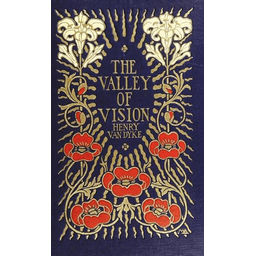
Banner of Truth has done something unusual with this title: they have treated a small book of old prayers as if it were a Bible. The Valley of Vision is available in a hardcover edition, a cloth edition, a bonded leather edition with gilt edges and a ribbon marker, and a top-tier genuine leather edition that looks and feels like a heritage Bible. The result is that the book has become one of the most-given gift books in the Reformed world - ordination gifts, seminary-graduation gifts, wedding gifts, pastor-appreciation gifts.
This sounds like a small thing. In practice it is part of why the book keeps spreading. A leather copy on a pastor’s desk is a quiet recommendation to everyone who sees it; a bonded-leather copy under the tree at Christmas gets opened by a spouse who then actually reads it. The physical object has carried the text into rooms a paperback would not have reached. Most readers who pray from the book daily eventually own at least two copies - a beat-up hardcover for actual use, and a leather edition for keeping.
Pricing
Hardcover
~$13.99
The standard small hardback from Banner of Truth - the edition most readers own.
Cloth-bound
~$22
A nicer cloth-over-board edition with the same interior - common gift choice.
Bonded leather
~$32
Soft-feel bonded leather, gilt edges, ribbon marker - the most popular gift tier.
Genuine leather
~$45
Top-tier full-grain leather, gilt edges, ribbon - built to be a lifelong copy.
Kindle
~$10
The full text on Kindle. Convenient, but most readers eventually buy a print copy too.
Audible
~$15
Roughly four hours of narrated prayers. Useful for commutes; divisive among purists.
The price ladder here is unusually wide for a book this small. The standard hardcover is around $13.99, which is the edition most readers own and the one that gets recommended in seminary classes. For most buyers, that is the right tier - the interior is identical across editions, and you are paying for prayers, not paper.
The bonded leather edition at roughly $32 is the popular gift tier - it looks like a serious book on a shelf, takes a beating better than the hardcover, and has the ribbon marker that the daily-prayer reader will actually use. The genuine leather edition at around $45 is the heirloom tier, generally bought for ordinations or by readers who already know they will pray from it for decades.
Kindle around $10 is the cheapest way in, and the text reads fine on a small screen - though most long-term users eventually buy a print copy too, because the prayers seem to want a physical page. The Audible edition at roughly $15 is the most divisive. The prayers were written to be prayed, not narrated, and some listeners find the audio flattens them. Most readers do not need the audiobook.
There is no free tier and no first-party sample beyond what Banner of Truth’s site previews. For a 220-page book that has sold steadily for fifty years, that is unsurprising.
Where The Valley of Vision falls behind
No instruction on prayer. The book is the prayers, full stop - there is no introduction to method, no chapter on the practice itself, no framework to lean on. A reader who picks it up looking for "how to pray better" will not find it here. Pair it with a book like Tim Keller’s Prayer or Paul Miller’s A Praying Life if that is what you actually want.
No daily structure. The prayers are arranged thematically, not by date, and the book makes no attempt to give you a one-prayer-per-day plan. Some readers love this - it lets you stay on one prayer for a week - but readers who want the structure of a dated devotional (morning and evening, for a year) will find Spurgeon’s Morning and Evening a better fit.
Thou/Thee language throughout. Bennett deliberately preserved the archaic second-person address, partly because the source material used it and partly because he believed it suited the register of the prayers. For most readers this is a feature; for a meaningful minority - especially younger readers and readers new to older English - it is an obstacle that never fully goes away.
Loose source attribution. The prayers are composites edited from Puritan and Reformed writings rather than direct transcriptions, and Bennett did not footnote them prayer-by-prayer. Readers who want to trace a specific line back to Baxter or Spurgeon will be frustrated. The book is best read as a curated single-voice collection, not as a critical edition.
Penitential weight. Long sections dwell on personal sin in a register some readers find punishing - especially when read without a counterbalance of grace and assurance. Most prayers do resolve toward the cross, but the cumulative weight of the penitential sections is real, and the book reads better in pages than in chapters.
The Valley of Vision vs. A Praying Life vs. Keller’s Prayer
These three are the books most often recommended together when someone says their prayer life has gone dry, but they do very different work. The Valley of Vision is a prayer book - it gives you prayers to pray. A Praying Life (Paul Miller) is a book about prayer for the messy, distracted person - it gives you a posture and a few practical disciplines. Prayer (Tim Keller) is a comprehensive theological and pastoral treatment - it gives you a framework, a history, and a serious case for why prayer works the way it does.
Different strengths. The Valley of Vision is better at giving you words when you have none. Miller is better at giving you permission to pray as a distracted parent in a noisy house. Keller is broader - covering the doctrine of prayer, the great traditions, and the mechanics of meditation - and is the right starting point if you want to understand prayer before practicing it.
Most readers benefit from all three over a season, but for different reasons. The Valley of Vision is the one you keep on the desk and open at random. Miller is the one you read once and return to in seasons of dryness. Keller is the one you work through slowly with a pen. If you can only buy one and you already have some footing in prayer, The Valley of Vision is the one that keeps giving for the longest.
The bottom line
The Valley of Vision is the modern standard prayer book in Reformed circles and the quiet favorite of readers in many other traditions - a small, dense, honest collection of Puritan prayers that has outlived the era it was edited in. It will not teach you how to pray. It will hand you, two hundred times over, a worked example of a person praying with their guard down and leaning hard on the cross. For most readers whose private prayers have gone thin, the hardcover at around $13.99 is the right tier. The leather editions exist because people give this book away. After fifty years in print, the reason is plain enough.
Alternatives to The Valley of Vision
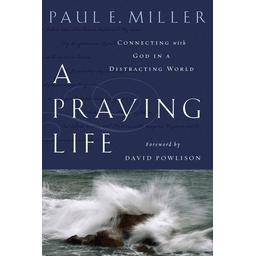 A Praying LifePaul Miller’s gentle, practical book on prayer for distracted modern people. The pairing most readers eventually buy.
 Prayer (Tim Keller)Keller’s comprehensive theological and pastoral treatment of prayer - broader and more instructional than Bennett.
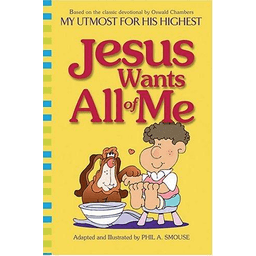 My Utmost for His HighestOswald Chambers’ dated daily devotional. Not a prayer book, but the most common alternative on the same shelf.
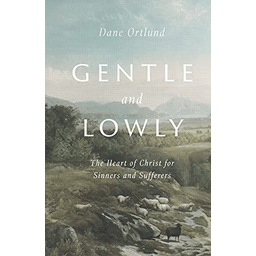 Gentle and LowlyDane Ortlund’s meditation on the heart of Christ for sinners and sufferers - leans on the same Puritan bench Bennett edited.
Frequently asked questions
Who actually wrote the prayers in The Valley of Vision?
Arthur Bennett, an Anglican clergyman, edited and rewrote prayers and devotional material from Puritan and Reformed writers including Richard Baxter, Isaac Watts, Henry Law, John Bunyan, Charles Spurgeon and Octavius Winslow. The prayers are composites in Bennett’s unified voice, not direct transcriptions, and individual prayers are not attributed in the book.
Is The Valley of Vision only for Reformed or Calvinist readers?
No. The book is most beloved in Reformed circles and is treated there as the household standard prayer book. But the prayers are concentrated enough on Christ, mercy, and honest self-examination that readers across Wesleyan, Anglican, and even Catholic traditions quietly use it. It is rooted in the Puritan-Reformed stream, but its core appeal travels further than that tradition’s walls.
Which edition should I buy first?
The standard hardcover at around $13.99 is the right starting point for almost everyone - it has the full text and is small enough to live on a nightstand. The bonded leather at roughly $32 and the genuine leather at around $45 are gift-grade editions and are worth it if the book has already become a daily companion or if you are giving it to a pastor or seminary graduate.
Will the Thou/Thee language be a problem?
It depends on the reader. Bennett deliberately preserved archaic second-person address because the source material used it and because he believed it fit the register of the prayers. Most long-term readers stop noticing it within a week. A minority of readers - especially those newer to older English - find it a real obstacle. The Kindle sample will tell you quickly which group you are in.
Is the audiobook worth it?
Most readers do not need the audiobook. The prayers were written to be prayed, not narrated, and the spoken delivery can feel flat compared to praying them yourself. It can be useful for commutes or for re-encountering prayers you already know in print, but the print or Kindle edition is the primary format almost everyone settles into.
Is this a daily devotional?
No. The prayers are arranged thematically - approaching God, redemption, penitence, needs, holy aspirations, the ministry, valediction - not dated for a year. Some readers pray one prayer per morning; others stay on a single prayer for a week. If you want a dated morning-and-evening structure, Spurgeon’s Morning and Evening is a better fit on the same shelf.
How does it compare to A Praying Life and Keller’s Prayer?
The Valley of Vision is a prayer book - it gives you prayers to pray. A Praying Life gives you a posture for praying as a distracted modern person. Keller’s Prayer is a comprehensive theological and pastoral treatment of the doctrine and practice of prayer. They do different work, and most serious readers eventually own all three for different seasons.
Sources & further reading
More Books on Prayer
Prayer: Experiencing Awe and Intimacy with GodTim Keller’s 2014 book has quietly become the modern study desk’s default doorway into prayer - equal parts pastoral, exegetical, and historically aware.A Praying LifeThe most quietly beloved modern book on prayer in the evangelical world, built around a startling idea - that real prayer looks more like a child tugging a parent’s sleeve than a disciplined adult performing piety.The Book of Common PrayerThe 1549 prayer book that gave English-speaking Christianity its Daily Office has quietly become the structured prayer rhythm readers of many traditions reach for when their own words run out.Power Through PrayerThe short, white-hot classic that argues the church’s power has never come from its methods or its machinery but from praying people - written for preachers, read by everyone who has ever felt their own prayer life go cold. The Power of a Praying WifeThe book that quietly built an entire genre of "praying for your spouse" titles - and still sits on more nightstands than almost any other prayer book in print.
 ESV Study BibleThe ESV Study Bible has quietly become the default desk Bible for pastors, seminarians, and serious lay readers in the Reformed evangelical world - and the reasons it earned that spot are worth understanding before you buy.