- Starting price
- $12.99 paperback
- Free tier
- No
- Platforms
- Print · Kindle · Audiobook · Audible
- Developer
- Harvest House
- Launched
- 1997 (updated 2014)
- Updated
- May 25, 2026
The verdict
The original "pray for your spouse, one area at a time" book - 30 short chapters, 30 sample prayers, and a structure that has helped millions of wives actually pray instead of just feeling guilty about not praying. The complementarian framing reads more comfortably in some traditions than others, but the prayer framework itself is widely usable.
Try The Power of a Praying Wife ↗Opens harvesthousepublishers.com
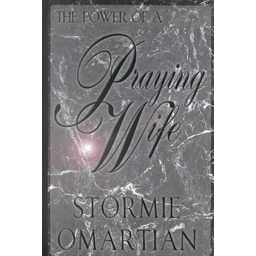
The Power of a Praying Wife has quietly become the most-handed-around prayer book in Christian marriage circles, period. Published in 1997 by Harvest House, Stormie Omartian’s slim paperback has crossed 4 million copies in this title alone - and the broader Power of a Praying series (Husband, Parent, Single Woman, Teen, Adult Children, devotionals, journals) has sold many millions more. It is, by any reasonable measure, the book that invented the modern "pray for your spouse, area by area" genre.
It doesn’t argue. It doesn’t lecture. It doesn’t hand you a theology of marriage and ask you to defend it. Omartian opens by telling the truth about her own marriage - that she came close to leaving it, that prayer is what changed her before it changed her husband - and then walks the reader through 30 short chapters, each focused on a specific area of a husband’s life: his work, his integrity, his faith, his role as father, his temptations, his fears, his finances, his health, his future. Each chapter ends with a sample prayer the reader can pray as written or use as a template.
That structure - short read, specific focus, sample prayer at the end - is the whole product. It is also, judging by sales and reviews across three decades, the format that worked. Wives across charismatic, evangelical, Catholic, Latter-day Saint, and mainline Protestant homes have used the book. The voice is charismatic-evangelical, the gender framing is complementarian, and your comfort with both will shape your experience - more on that below.
✓ The good
- The original structured prayer-for-your-spouse framework - 30 specific areas with sample prayers, copied a hundred times since but rarely improved
- Genuinely short chapters - most are 4-6 pages, designed for the wife who is exhausted and has fifteen minutes before bed
- Sample prayers do the heavy lifting - when you don’t know how to pray about your husband’s job stress or his relationship with his father, Omartian gives you words
- Honest tone about the author’s own marriage - Omartian doesn’t pretend to have a tidy marriage, and that’s why the book is trusted
- Spawned a full companion series - Husband, Parent, Single Woman, Teen, devotional editions, journals, Spanish editions - so families can pick up parallel volumes
- Excellent gift book - it’s the bridal-shower, anniversary, and "my friend is struggling" book of the last 25 years for a reason
- Inexpensive - the paperback hovers around $12.99 and is constantly on sale used
✗ Watch out
- Complementarian framing throughout - husband as head, wife as supporter is the assumed structure, which fits some theological traditions more naturally than others
- Charismatic-evangelical voice - spiritual warfare language, "I prayed and God did X" stories, and certainty about hearing God’s leading may feel foreign to readers from more reserved liturgical or sacramental traditions
- Light on theology - this is a how-to-pray book, not a theology-of-marriage book, and readers wanting biblical exposition will find very little of it
- Mostly one-directional - the focus is on the wife praying for the husband, with much less attention to mutual confession, joint prayer, or the wife’s own formation
- Some sample prayers read as dated - references to specific cultural pressures of the 1990s show their age even in the updated 2014 edition
Best for
- Wives who want to pray for their husbands but don’t know where to start
- Newlyweds and bridal-shower gift-givers
- Readers in charismatic, evangelical, non-denominational, and many Latter-day Saint and Catholic households
- Anyone who has tried unstructured prayer journals and given up after three days
Avoid if
- You want a theology of marriage rather than a prayer guide
- Complementarian framing is a non-starter for you
- You react against charismatic-evangelical spiritual-warfare language
- You’re looking for a couples’ devotional you can read together - this is written to be read alone
What The Power of a Praying Wife is
The Power of a Praying Wife is a 30-chapter prayer manual for wives, organized by area of a husband’s life. Stormie Omartian - a Christian author and recording artist whose own marriage to producer Michael Omartian nearly ended in the early years - wrote the book as the practical method that had worked for her. Each chapter names an area (His Work, His Mind, His Fears, His Faith, His Future, His Relationship With His Father, and so on), tells a short story or unpacks the area in 3-5 pages, and ends with a written prayer the reader can pray verbatim or adapt.
The book is part of a larger franchise. Harvest House has published The Power of a Praying Husband, Parent, Single Woman, Teen, Adult Children, and Grandparent volumes, plus devotional editions, journals, and Spanish translations. Omartian is the author across the series; the format - short chapter, focused area, sample prayer - is preserved throughout. The Wife volume is the original and remains the best-known.
Why wives still reach for The Power of a Praying Wife
The single biggest practical difference between this book and almost any other marriage or prayer book is that it answers the question wives actually have: not "should I pray for my husband" but "what on earth do I pray." Most wives who want to pray for their husband can name two or three areas - his job, maybe his faith, maybe his health - and run out. Omartian gives them thirty, and a sample prayer for each. That single design choice is why the book has outsold every imitator that has copied the structure since.
The other reason is tone. Omartian doesn’t write like a marriage expert. She writes like a wife who almost lost her marriage and found that prayer was the part she could actually do when nothing else worked. That posture - humble, specific, not preachy at the husband - is the thoughtful person’s entry point into intercessory prayer for a spouse. The book is read so widely partly because it’s genuinely usable, and partly because it doesn’t make the reader feel judged for needing it.
30-area structured prayer for a husband - the differentiator
The spine of the book is its 30 focus areas. Omartian moves from the obvious (His Work, His Faith, His Marriage) to the easily-overlooked (His Fears, His Past, His Walk, His Talk) to the rarely-named (His Reputation, His Temptations, His Deliverance, His Future). Each chapter is short - typically 4-6 pages - and ends with a one-page sample prayer. The reader is not asked to write her own prayer from scratch; she’s asked to pray a prayer that already exists and adapt it to her actual husband.
This is what the genre owes Omartian. Before 1997 there were books about prayer in marriage; there were not books that pre-wrote thirty different prayers covering thirty different angles. Wives who have tried free-form prayer journals and given up after three days find that they can do this - fifteen minutes, one area, one prayer. The structure is the engine.
The companion series - Husband, Parent, Single Woman, and beyond
The Power of a Praying Wife was the first volume; the rest of the catalog grew out of its sales. The Power of a Praying Husband (2001) flipped the structure for men praying for wives. The Power of a Praying Parent applied it to children. Later volumes extended to single women, teens, adult children, and grandparents, with devotional and journal editions of the bestsellers. The whole series is published by Harvest House and has crossed many millions of total copies in print.
For families, this matters: a couple can read the Wife and Husband volumes in parallel, parents can pick up the Parent volume, and grandparents have their own. The format is consistent across the series - short chapters, focused areas, sample prayers - which is why people who liked the Wife volume tend to buy two or three more. It’s the rare Christian-living title where the franchise expansion didn’t dilute the original.
A charismatic-evangelical voice - what to expect on the page
Omartian writes from a charismatic-evangelical background. That shapes the book in specific ways: spiritual warfare is named directly, the enemy is referred to as a real adversary, and Omartian regularly recounts moments where she felt God prompt her to pray for something specific that later turned out to matter. Some readers find this language refreshingly direct; readers from more reserved liturgical, sacramental, or cessationist traditions sometimes find it warmer than their usual register.
Importantly, the book’s framework - pray for specific named areas of your spouse’s life - is portable across traditions. Wives in Catholic, Latter-day Saint, mainline Protestant, and Eastern Orthodox homes read this book and adapt the prayers to their own theology of marriage and intercession. The complementarian gender framing (husband as head, wife as supporter) is more comfortable in some of those traditions than others; readers for whom that framing is a non-starter will feel it on every page, and readers for whom it is the assumed default will barely notice it.
Pricing
Paperback
~$12.99
The standard edition; what most people own. Widely available used for $3-$5.
Hardcover Gift Edition
~$22
Cloth-bound gift edition with ribbon marker - popular as a bridal-shower gift.
Kindle
~$11
Full text on Kindle, Apple Books, and Nook. Highlighting syncs across devices.
Audible / Audiobook
~$15
Unabridged narration; available free with an Audible trial.
Devotional Edition
~$15
Sold as Power of a Praying Wife Devotional - repackaged as daily readings rather than 30 chapters.
Prayer + Study Guide
~$12
Companion workbook for personal use or small groups, with reflection questions.
Spanish Edition
~$13
El Poder de la Esposa Que Ora - published by Editorial Unilit / Harvest House Español.
The paperback at around $12.99 is the version almost everyone owns, and it’s constantly available used for $3-$5 at thrift stores and on Thriftbooks. For most readers, that’s the right purchase - there’s nothing in the hardcover that the paperback doesn’t have, and the book is meant to be marked up.
The hardcover gift edition (~$22) exists because the book is, statistically, one of the most-given bridal-shower presents of the last 25 years. The ribbon marker, the cloth binding, and the gift packaging are the entire reason it’s priced higher.
Kindle (~$11) and Audible (~$15) versions are both unabridged. The audiobook works surprisingly well - sample prayers read aloud in a calm voice are usable as actual prayer, not just listening - though most readers prefer print so they can highlight and return.
The Devotional Edition, the Prayer & Study Guide, and the Spanish translation (El Poder de la Esposa Que Ora) are all add-ons rather than replacements. Most users do not need them. Get the paperback first; pick up the study guide only if you’re running a small group.
Where The Power of a Praying Wife falls behind
Light on theology. The book is a prayer manual, not a theology-of-marriage book. Readers wanting biblical exposition of Ephesians 5, the household codes, the imago Dei of husband and wife, or the gospel-and-marriage frame that Tim Keller and others have built will find very little of that here. Omartian assumes a theology rather than arguing for one, and the assumed theology is mid-1990s charismatic-evangelical complementarianism.
One-directional by design. The book is written for the wife to pray for the husband. There is comparatively little on mutual confession, joint prayer, the wife’s own areas of growth, or what to do when both spouses need to repent toward each other. The Power of a Praying Husband fills part of the gap from the other side, but the Wife volume in isolation can feel like the wife is the one doing the spiritual work.
Charismatic register may feel foreign. Spiritual warfare language, "I felt God lead me to pray," and stories of specific answered prayer are constants. Readers from cessationist Reformed, traditional Catholic, mainline Protestant, or Latter-day Saint backgrounds may find this warmer than their tradition’s usual prayer vocabulary. None of it is presented as the only valid way to pray, but it is the book’s native voice.
Some 1990s artifacts even after the 2014 update. The revised edition refreshed some references but didn’t restructure the book. A few sample prayers - particularly around media consumption, workplace culture, and finances - still sound like the cultural pressures of the late 1990s. Most readers don’t care; it just means a small number of paragraphs feel dated.
Not a couples’ book. This is written to be read by one spouse alone. Couples wanting to read and pray together as a discipline will be better served by a couples’ devotional - the Wife and Husband volumes read in parallel get closer, but neither was designed for joint reading.
The Power of a Praying Wife vs. A Praying Life vs. Boundaries in Marriage
These three books get recommended together to wives in a hard season, but they answer different questions. The Power of a Praying Wife answers "what specifically should I pray about my husband?" - 30 areas, 30 sample prayers. A Praying Life (Paul Miller) answers "how do I actually develop a prayer life that lasts?" - a broader, more reflective book about prayer itself, not specific to marriage. Boundaries in Marriage (Cloud & Townsend) answers "what are healthy limits between two spouses?" - a relational and psychological framework, not a prayer book at all.
Different strengths. Omartian is best at giving wives concrete words for areas they wouldn’t have thought to pray about. Miller is broader - better for someone whose prayer life itself is the problem. Cloud and Townsend are operating in a different category entirely; they’re the right book when the marriage problem is enmeshment, control, or unhealthy patterns rather than something to pray through. Many wives end up owning all three over the course of a marriage.
If you can only buy one and the question is "how do I pray for my husband?", get Omartian. If the question is "how do I pray at all?", get Miller. If the question is "how do I think about what’s healthy here?", get Cloud and Townsend. They’re complementary, not competitors.
The bottom line
The Power of a Praying Wife is the book that built the genre, and 4 million copies of this title alone is not an accident. The 30-area structure with sample prayers is what wives actually need when they want to pray for their husbands and don’t know how - and Omartian delivers it in short, honest chapters that don’t lecture. The complementarian frame and charismatic-evangelical voice will fit some readers more naturally than others, and the book is light on theology by design. Take it as what it is - a usable prayer manual, not a theology of marriage - and it earns its place on the shelf.
Alternatives to The Power of a Praying Wife
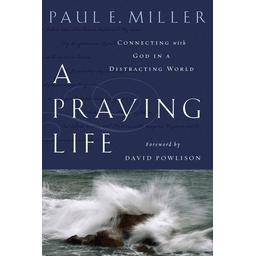 A Praying LifePaul Miller’s broader book on prayer itself - less marriage-specific, more reflective.
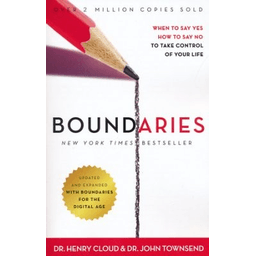 Boundaries in MarriageCloud and Townsend on healthy limits between spouses - relational framework, not a prayer book.
 The Five Love LanguagesGary Chapman’s framework for how spouses give and receive love - the other marriage-book staple.
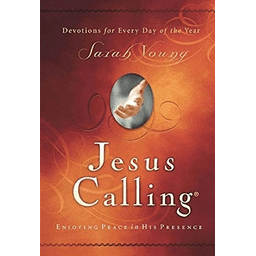 Jesus CallingSarah Young’s devotional - same era, same paperback-gift-book category, very different format.
Frequently asked questions
How long is The Power of a Praying Wife and how long does it take to read?
About 220 pages across 30 short chapters. Most readers don’t read it straight through - they read one chapter and pray its prayer per day or per week, so the practical "reading time" stretches across a month or longer.
Is there a version for husbands?
Yes. The Power of a Praying Husband (2001) is the companion volume, with the same structure flipped - areas of a wife’s life and sample prayers for husbands to pray. Couples often read the two in parallel.
Do I need the study guide or devotional edition?
No. The original paperback is the complete book. The Prayer & Study Guide is useful for small groups, and the Devotional Edition repackages the content as daily readings - both are add-ons, not replacements.
Is the book complementarian?
Yes. Omartian writes from a framework where the husband is the spiritual head of the home. Readers from traditions or marriages where that isn’t the operating assumption will feel it; readers for whom it is the default will barely notice.
I’m not from a charismatic background. Is the book still useful?
Many wives from Catholic, Latter-day Saint, mainline Protestant, and Reformed backgrounds use it. The sample prayers are easy to adapt to your own tradition’s vocabulary, and the 30-area structure works across theological traditions.
Is there a Spanish edition?
Yes - El Poder de la Esposa Que Ora, published through Harvest House Español / Editorial Unilit. The full series has been translated into multiple languages.
How does it compare to A Praying Life by Paul Miller?
Different purposes. Omartian is specific to praying for a husband, with 30 sample prayers. Miller is a broader book on developing a prayer life. Many readers own both.
Sources & further reading
More Books on Prayer
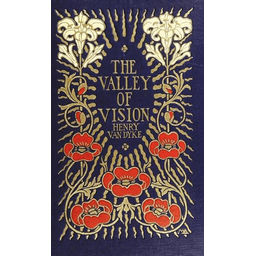 The Valley of VisionArthur Bennett’s slim collection of Puritan prayers has quietly become the modern standard prayer book in Reformed circles - and the gift-book the rest of the church keeps quietly buying.
 Prayer: Experiencing Awe and Intimacy with GodTim Keller’s 2014 book has quietly become the modern study desk’s default doorway into prayer - equal parts pastoral, exegetical, and historically aware.A Praying LifeThe most quietly beloved modern book on prayer in the evangelical world, built around a startling idea - that real prayer looks more like a child tugging a parent’s sleeve than a disciplined adult performing piety.The Book of Common PrayerThe 1549 prayer book that gave English-speaking Christianity its Daily Office has quietly become the structured prayer rhythm readers of many traditions reach for when their own words run out.Power Through PrayerThe short, white-hot classic that argues the church’s power has never come from its methods or its machinery but from praying people - written for preachers, read by everyone who has ever felt their own prayer life go cold.
 ESV Study BibleThe ESV Study Bible has quietly become the default desk Bible for pastors, seminarians, and serious lay readers in the Reformed evangelical world - and the reasons it earned that spot are worth understanding before you buy.