Painter of the Bible
Anonymous, 17th century
The Anonymous, 17th-century attribution covers approximately 59 artworks in the catalogue from the broader European Baroque period whose original regional or workshop attributions have been lost.
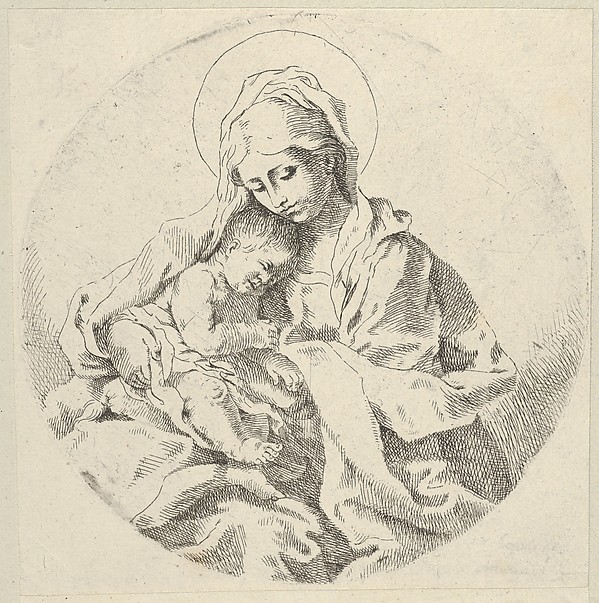
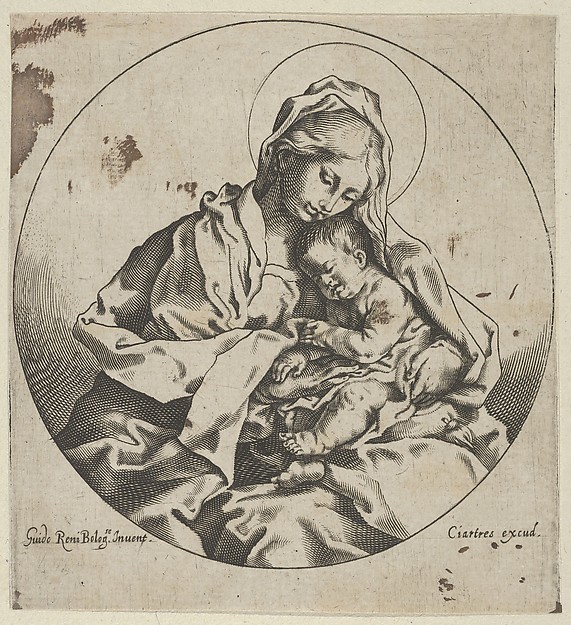
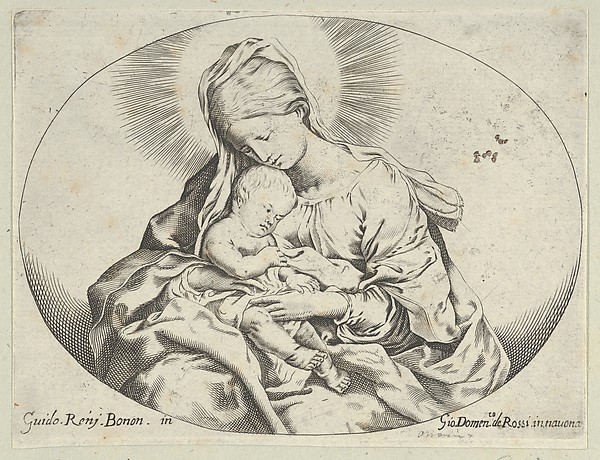
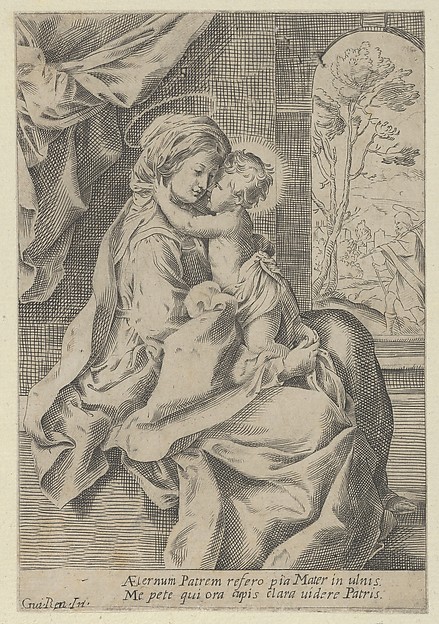
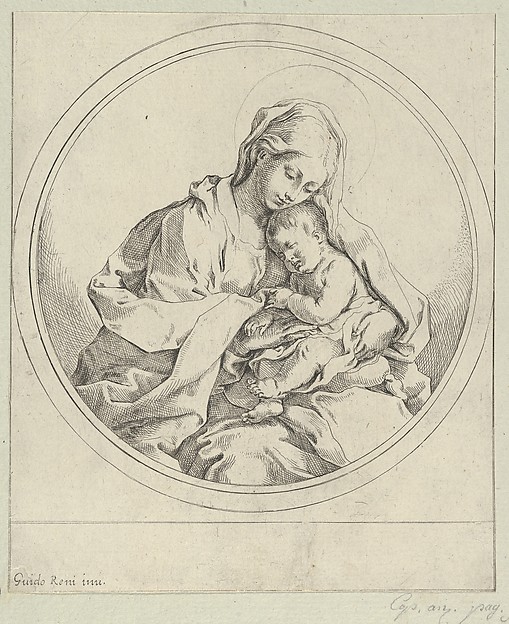
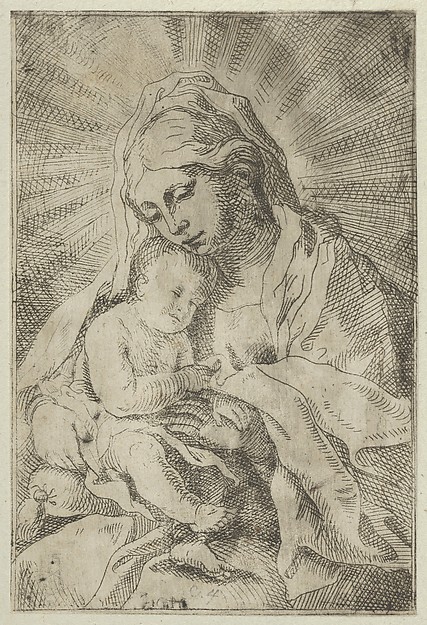
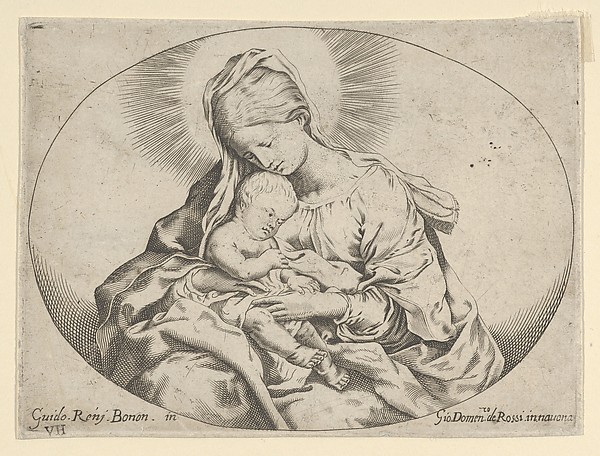
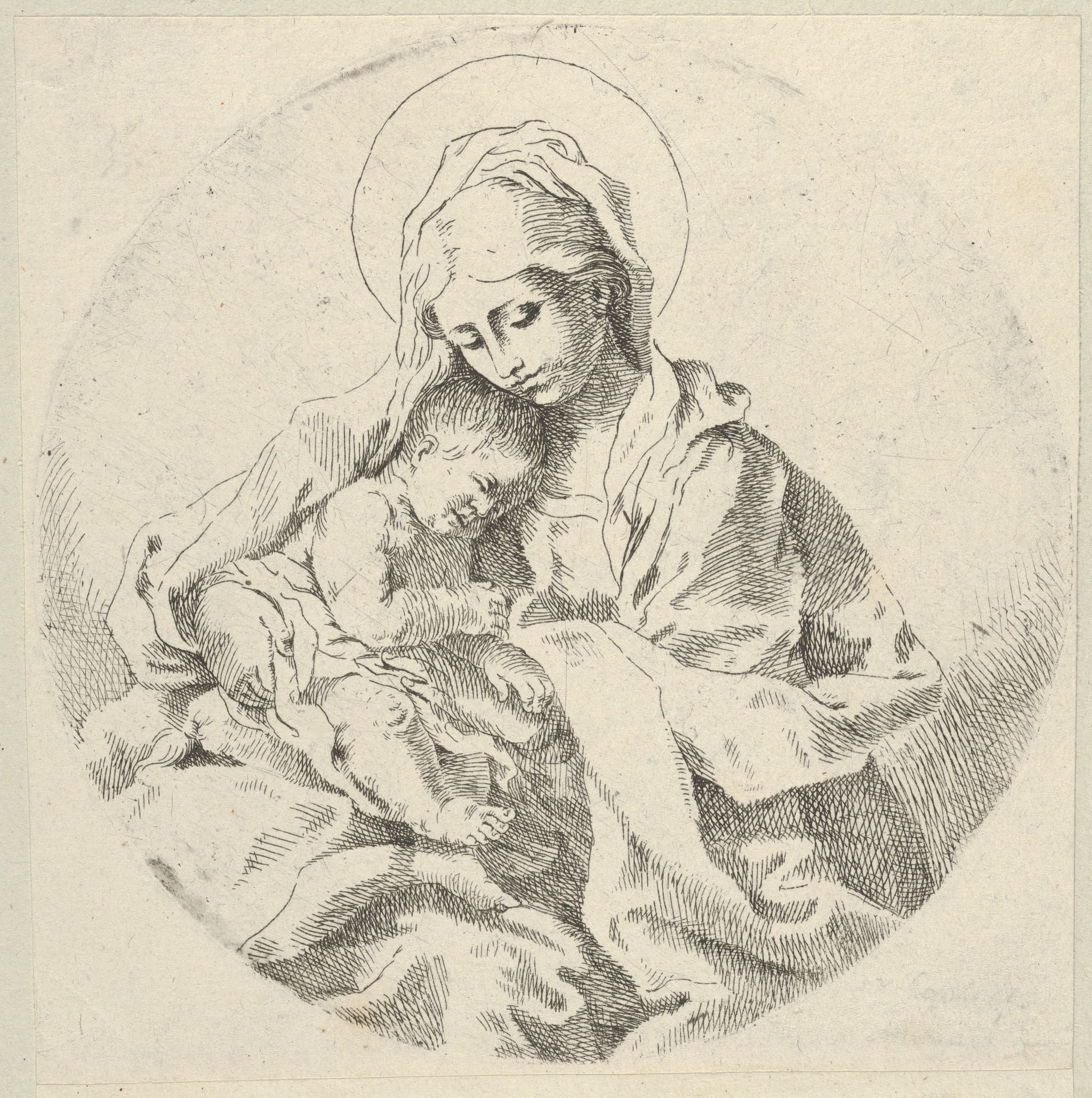 The Virgin holding the infant Christ, a circular composition, after Reni
Their faith
Why Anonymous, 17th century painted Christ
The Anonymous artist of the 17th century represents a collective devotion to the Christian faith that transcends individual identity. During a time of intense religious conflict and transformation in Europe, this artist participated in the vibrant tapestry of Baroque art, which was deeply influenced by both Catholic and Protestant traditions. The works attributed to this period often reflect a commitment to conveying spiritual truths through visual means. Artists of this time, regardless of their specific denomination, were united in their goal to inspire faith and devotion among viewers. The use of dramatic chiaroscuro and rich colors in their paintings served to elevate the sacred narratives of scripture, inviting the faithful into a deeper contemplation of divine mysteries.
The spiritual vision of the Anonymous artist is evident in the themes and iconography of their works, which often include scenes of the Crucifixion, depictions of saints, and Madonna compositions. These pieces not only showcase technical mastery but also embody a heartfelt response to the narratives of the Bible. For instance, the portrayal of the Crucifixion captures the profound sacrifice of Christ, evoking a sense of reverence and awe in the viewer. Through these artworks, the artist contributes to the broader dialogue of faith during the Baroque period, inviting all who encounter their work to reflect on the beauty and depth of Christian belief. The enduring power of these anonymous creations continues to inspire and uplift those who seek to encounter the divine through art.
Life & work
The Anonymous, 17th-century attribution covers approximately 59 artworks in the catalogue from the broader European Baroque period whose original regional or workshop attributions have been lost. The seventeenth century in Europe was the supreme period of competing Catholic and Protestant pictorial traditions — the post-Tridentine Italian Catholic Counter-Reformation, the Spanish Baroque under the Habsburg viceroyalties, the Antwerp Catholic Baroque under Spanish-Habsburg rule, the Dutch Calvinist Republic's domestic-genre and biblical-history painting, the French Atticist and Baroque Catholic schools — each producing distinct pictorial conventions, but all sharing certain underlying compositional, chromatic, and iconographic preferences that are recognizably "seventeenth-century European."
The Anonymous 17th-century catalogue group includes works that share these broader seventeenth-century characteristics — strong Caravaggesque chiaroscuro, deep saturated chromatic palettes, dramatic compositional intensity, and the iconographic vocabulary of the post-Council-of-Trent Catholic tradition modified by the contemporary Protestant alternatives — without enough specific stylistic or workshop-tradition evidence to support a regional attribution.
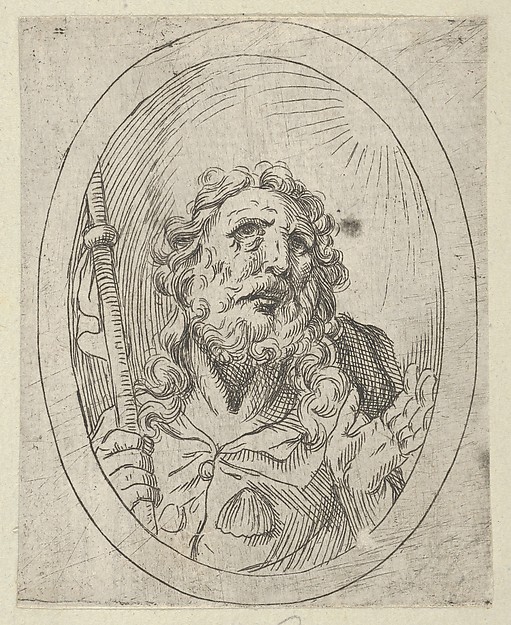
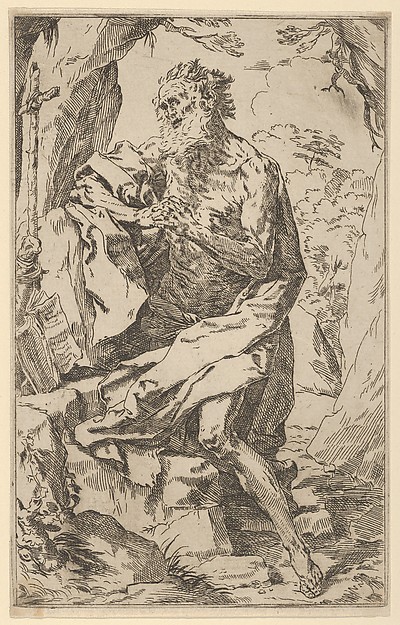
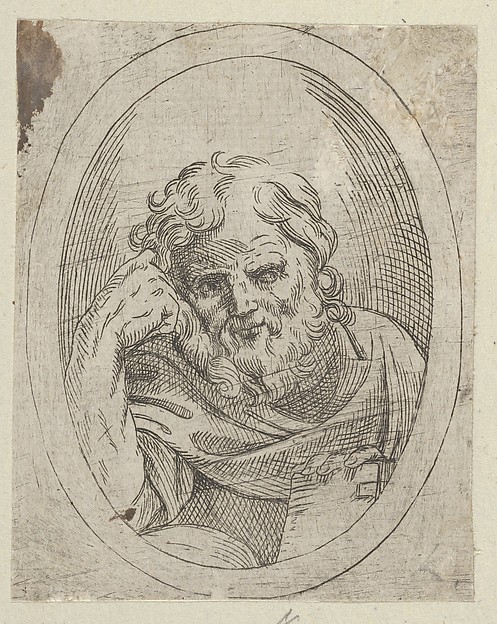
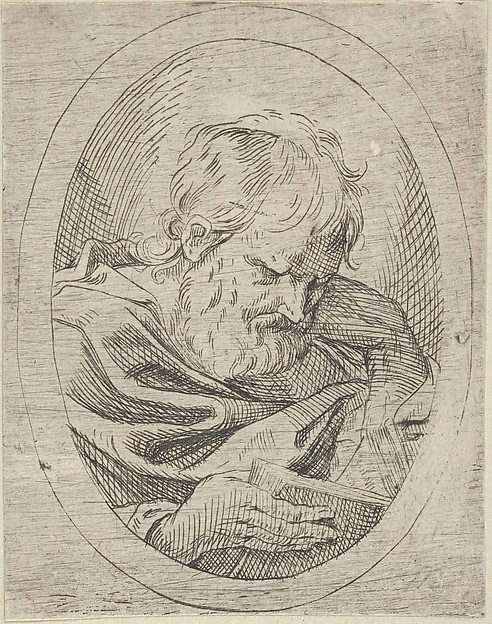
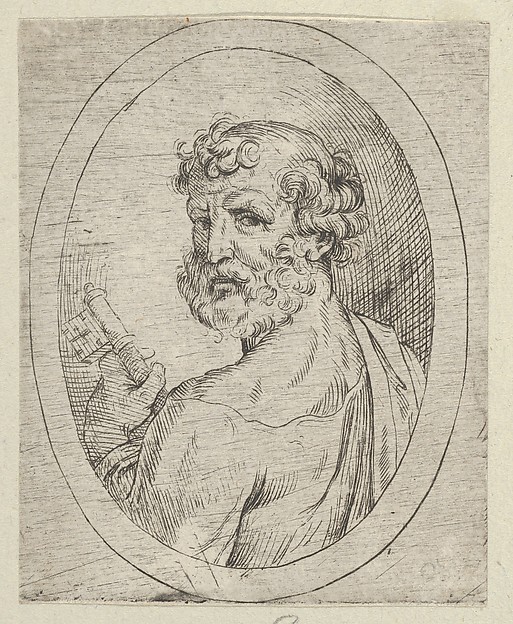
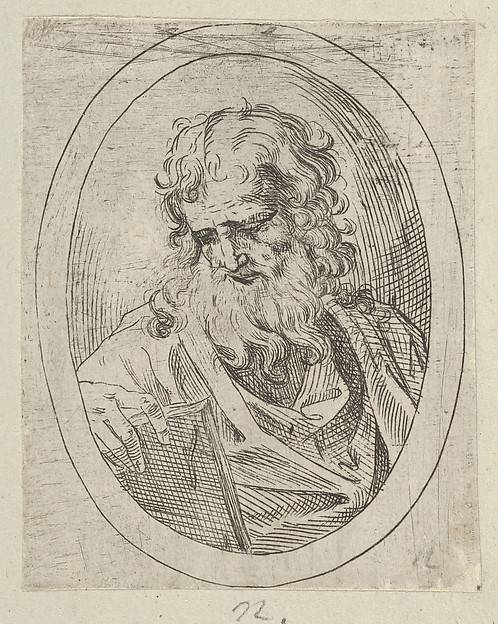
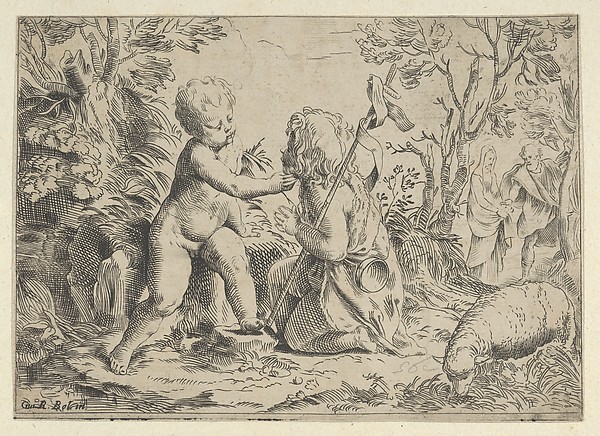
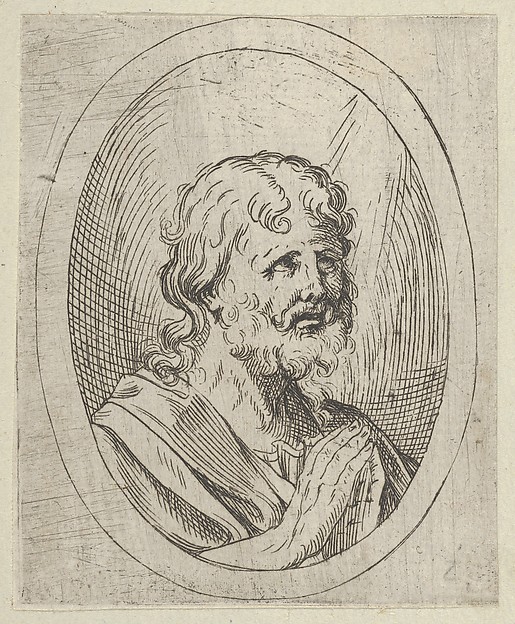
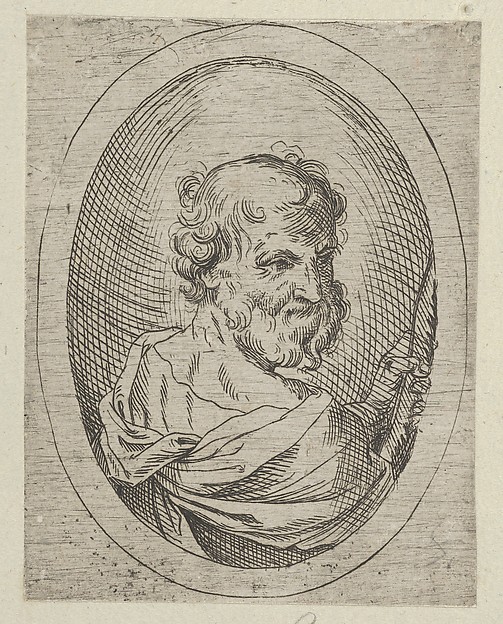
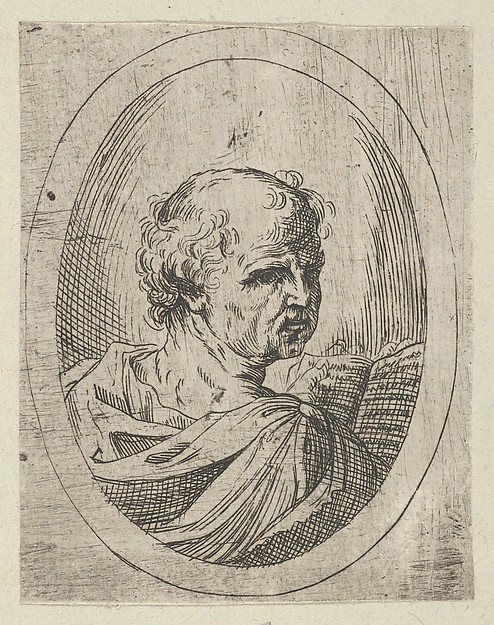
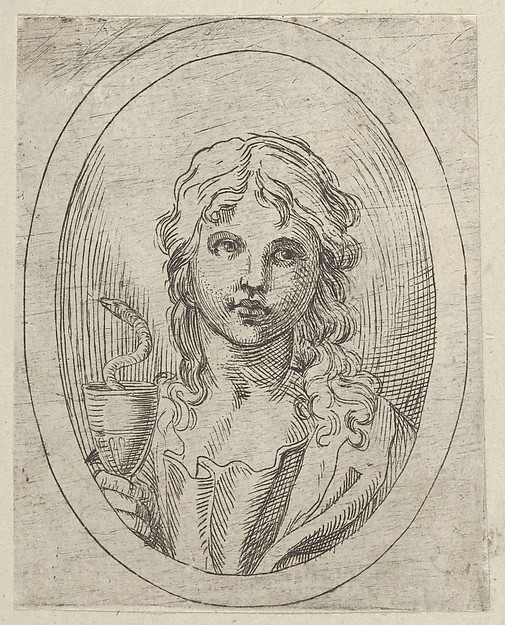
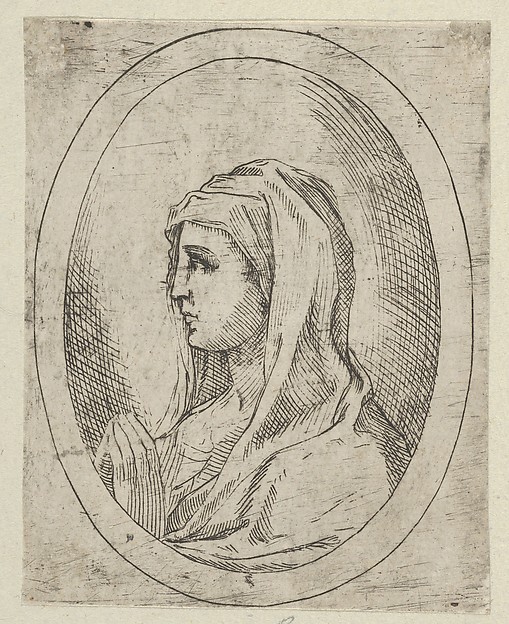
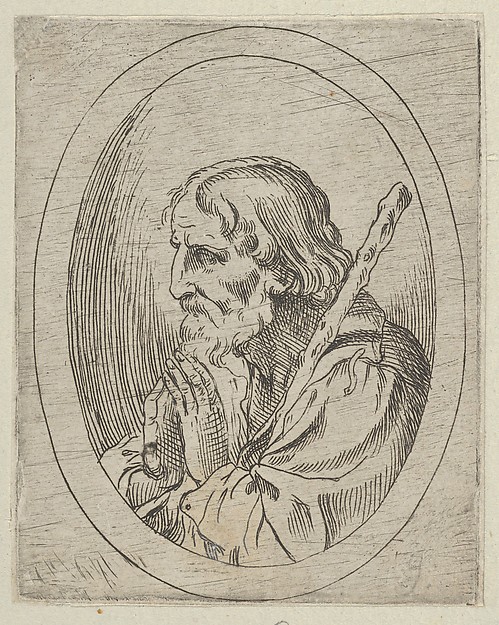
A typical Anonymous 17th-century work in the catalogue is a small religious print or drawing — a single-figure saint, a Crucifixion fragment, a Madonna composition, an Old Testament narrative — that the catalogue can date by paper, ink, technique, and pictorial convention to the broad mid-seventeenth-century European period without specifying whether it is Italian, French, Flemish, Dutch, or Spanish. Continued scholarly attribution work over time may move some of these into specific regional buckets, but for now they preserve their broad anonymous status as documents of the shared pictorial culture of the European Baroque period.
Bible scenes Anonymous, 17th century painted
Luke
John
James
Romans
Matthew
Revelation
Jude
Acts