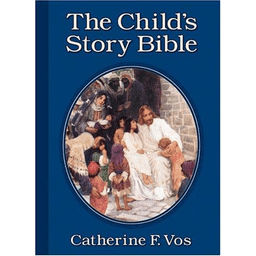
- Starting price
- ~$30 hardcover
- Free tier
- No
- Platforms
- Hardcover · Kindle · Audiobook
- Developer
- Eerdmans
- Launched
- 1934
- Updated
- May 31, 2026
The verdict
The Child's Story Bible is the long-form, read-aloud classic of its category: more than a hundred stories told carefully and at length, from Genesis to Revelation, in a single hardcover that families work through over months. It is text-heavy and lightly illustrated, with a slightly formal, older voice - the opposite design choice from the modern picture-driven storybook Bible. For families who want thoroughness and a reverent telling they can read aloud night after night, it remains a benchmark.
Try The Child's Story Bible ↗Opens eerdmans.com
The Child's Story Bible has quietly stayed in print since 1934, which is its own kind of recommendation. While the storybook-Bible shelf turns over every few years with brighter art and shorter retellings, Catherine Vos's volume keeps getting re-bought - by parents who were read it as children, by grandparents furnishing a shelf, by homeschool families looking for something they can read aloud for a whole school year. It is the book a certain kind of household has handed down on purpose.
It is not a picture book with a few sentences per spread. It doesn't chase the attention span. It doesn't lean on the illustrations. It doesn't shrink each episode to a single scene. Instead it tells the Bible as a connected story - more than a hundred installments, each long enough to sit with, written to be read aloud a chapter at a time. Catherine F. Vos was the wife of theologian Geerhardus Vos, and the book carries the care you would expect from that household: it is attentive to the text, unhurried, and reverent in tone.
What you actually get is a comprehensive single-volume retelling that walks the whole canon - Creation and the patriarchs, the Exodus and the kings, the prophets, the life of Jesus, the early church, and on to the close of Revelation. The language is a touch more formal than a 2020s storybook, the kind of register a child grows into rather than out of. It is the most thorough read-aloud Bible storybook of an older generation, and it earns that standing fresh every time a family settles in for the next installment.
✓ The good
- Unusually thorough for the category - 110+ stories covering the whole Bible from Creation to Revelation, not just the dozen greatest hits most storybook Bibles stop at
- Built for reading aloud over months or years - each story runs long enough for a real bedtime or family-worship sitting, and the volume is designed to be worked through in sequence
- A reverent, careful tone - the telling is unhurried and treats the text seriously, which is exactly why families who have used it tend to hand it down
- Grows with the child - the same volume suits a four-year-old listening and a ten-year-old reading independently, so it does not get outgrown in a year
- Reformed-heritage care in the writing - Catherine Vos, wife of theologian Geerhardus Vos, wrote with attention to the text that doctrinally minded parents notice
- A genuine classic - in print since 1934, the edition many parents remember from their own childhood and deliberately re-buy for their kids
- Strong value as a do-everything volume - one hardcover that covers the entire Bible at length, rather than a set you assemble over time
✗ Watch out
- Text-heavy and lightly illustrated - families who want a picture-driven book with art on every spread will find this the opposite design choice
- The language is more formal and old-fashioned than a 2020s retelling - beautiful to some ears, a stretch for very wiggly toddlers or kids who need shorter bursts
- Long stories ask for an attentive listener - a squirmy three-year-old may not sit for a full installment the way a five-or-six-year-old will
- Protestant 66-book canon - it does not include the deuterocanonical/apocryphal books, which Catholic and Orthodox families will want to note
- Not a board book or a toddler-proof format - this is a read-aloud hardcover meant to last, not something to hand an infant to chew on
Best for
- Families who want one thorough read-aloud Bible to work through over a year
- Homeschoolers wanting a comprehensive, sequential Bible storybook
- Parents who prefer story and substance over heavy illustration
- Households building a hand-me-down shelf of classics
Avoid if
- You want a heavily illustrated, picture-per-page storybook
- Your child needs very short, snappy retellings to stay engaged
- You want a board book for an infant or busy toddler
- You need the deuterocanonical books included
What The Child's Story Bible is
The Child's Story Bible is Catherine F. Vos's comprehensive read-aloud retelling of the whole Bible, first published by Eerdmans in 1934, revised over the decades, and still in print as a single hardcover volume. It is text-rich rather than picture-driven: more than a hundred stories, each told at length and in sequence, carrying the reader from Creation through the patriarchs, the Exodus, the kings and prophets, the life and ministry of Jesus, and the early church to the end of Revelation. It is designed to be read aloud a story at a time, over months or even a full school year.
The book comes out of a Reformed heritage - Catherine Vos was married to the theologian Geerhardus Vos - and it follows the Protestant 66-book canon. The tone is reverent and careful, and the language sits a touch more formal than a contemporary storybook, the register of an older generation that expected children to grow into a book rather than out of it. None of that is hidden; it is simply the design. The result is a thorough, classic, single-volume telling that has stayed on family shelves for nearly a century.
Why families still reach for the Vos volume
Most storybook Bibles make the same trade: bright art, big pages, short text, a dozen or two of the most familiar episodes. The Child's Story Bible makes the opposite trade. It assumes a child who will sit and listen, an adult who will read aloud, and an evening with a few minutes to spare. The art is sparse and the stories are long, and the payoff is coverage and continuity - a child who works through this volume hears not a highlight reel but a connected story, week after week, all the way through.
That design serves a particular family well. Homeschoolers get a sequenced year of Bible reading in one book. Parents who care about thoroughness get the prophets and the epistles, not just Noah and the manger. And households that value a reverent, slightly formal telling - the kind that reads almost like the King James cadence softened for a child - get a voice that holds up to nightly repetition. Other families will prefer something shorter and more illustrated, and that is a real preference, not a flaw. This is the long, careful, read-aloud option, and it is unusually good at being exactly that.
Whole-Bible coverage: 110+ stories, Creation to Revelation
The headline feature is breadth. Where most storybook Bibles select a few dozen of the best-known scenes, The Child's Story Bible runs to more than a hundred stories and walks the entire canon in order - the early chapters of Genesis, the lives of Abraham, Isaac, Jacob, and Joseph, the Exodus and wilderness years, the conquest, the judges, the united and divided kingdoms, the prophets, the exile and return, then the Gospels at length, Acts, and the close of Revelation. It is structured to be read sequentially, so the stories accumulate into a single arc rather than standing as isolated episodes.
For a family, that breadth changes what the book is for. It is not a sampler you finish in a week; it is a project you live with for a season. A child who is read the whole volume encounters figures and events that shorter books simply skip - the minor judges, the prophets, the apostolic letters - and meets them in context, in order, as part of one connected story. That is the single biggest reason homeschoolers and family-worship households reach for it: it is comprehensive in a category that usually is not.
Built to be read aloud, story by story
The Child's Story Bible is engineered for the lap-and-lamp reading session. Each story is sized for a single sitting - long enough to develop, short enough to finish before a young listener fades - and the prose is written to be spoken, with a rhythm that carries when read aloud. Parents typically take one installment per night or per family-worship time and move through the book over many months, which is exactly the cadence the volume was built around. There is no app, no audio gimmick, no interactive layer; it is a book, and the reading-aloud is the feature.
This sounds like a small thing. In practice it is what families remember. The nightly ritual - one chapter, one voice, the next piece of the story tomorrow - is the thing parents who were read this book as children describe decades later, and it is why so many of them buy it again for their own kids. The format quietly trains attention and builds anticipation in a way a one-spread picture book does not, simply because there is always a next installment waiting.
A reverent, careful telling from a Reformed heritage
The voice of the book is its third defining feature. Catherine Vos wrote with evident care for the text, and the telling reflects the Reformed heritage of her household - her husband, Geerhardus Vos, was a theologian - without turning into a lesson. The tone is reverent and unhurried, the language a touch more formal than a contemporary storybook, and the retellings stay close to the shape of the Scripture they are drawn from. It follows the Protestant 66-book canon, the same set of books found in most Protestant Bibles.
For doctrinally attentive parents, that care is the appeal: the stories are told seriously, and the slightly older register reads as dignity rather than dryness to families who like it. It is worth knowing going in that the language is of an earlier era and that the canon is the 66-book Protestant one - both are simply facts about the edition, useful for matching the book to your household. Some families love precisely this reverent thoroughness; others will prefer a shorter, more playful, more heavily illustrated telling, and both are reasonable places to land.
Pricing
Hardcover
~$28-32
The standard single-volume Eerdmans edition. The copy most families own and read aloud.
Kindle
~$15
The full text on a phone or tablet - handy for travel, though the book is really built for a lap and a lamp.
Audiobook
Varies
A read-aloud recording for car rides and quiet time; availability and price vary by retailer and edition.
Used hardcover
Under ~$15
Older printings turn up secondhand and at library sales; the text is the same classic retelling.
The Child's Story Bible is not free. The standard Eerdmans hardcover runs roughly $28-32 - call it about $30 - which is the edition almost every family owns and the natural default for a book meant to be read aloud and then handed down. For a single volume that covers the entire Bible at length, that is strong value; you are buying one durable book rather than assembling a set over time.
The Kindle edition runs around $15 and puts the full text on a phone or tablet, which is genuinely useful for travel or a waiting room. That said, the book is really built for a lap and a lamp, and most families will want the hardcover as the primary copy and treat the ebook as a convenience. An audiobook recording exists for car rides and quiet time, though availability and price vary by retailer and edition, so check before you count on it.
If budget is tight, older printings turn up secondhand and at library sales for well under fifteen dollars, and the retelling is the same classic text. Most families do not need anything beyond the standard hardcover - it is the balanced default, it lasts, and it is the copy your kids may one day re-buy for their own. The hardcover is the one to start with.
Limitations and considerations
Light on illustration. This is a text-rich book, not a picture-driven one, and a family expecting art on every spread will be surprised. The pictures are sparse compared with a modern storybook Bible, by design. For households whose young children are drawn in primarily by the visuals, that is a real consideration rather than a minor one.
An older, more formal register. The language reflects its 1934 origins and the careful revisions since, and it reads more formally than a 2020s retelling. Many families love that dignified voice; others find it a stretch for very young or very wiggly listeners. It is the kind of prose a child grows into, which is a strength for some households and a hurdle for others.
Long stories need an attentive listener. Each installment is sized for a real sitting, which rewards a five-or-six-year-old but can lose a squirmy toddler before the end. Families with very young children sometimes read half a story, or wait a year, rather than fighting the length. It is built for attentive listeners and independent older readers more than for infants.
Protestant 66-book canon. The volume follows the 66-book Protestant canon and does not include the deuterocanonical/apocryphal books. Catholic and Orthodox families will want to note that going in - not as a verdict on the book, simply as buyer information for matching it to your household's Bible.
The Child's Story Bible vs. The Jesus Storybook Bible vs. The Beginner's Bible
These three anchor different corners of the storybook-Bible shelf, and they do genuinely different jobs. The Child's Story Bible (Catherine Vos, 1934) is the long-form, comprehensive, read-aloud classic - 110+ stories across the whole canon, text-rich, lightly illustrated, with an older and more formal voice, built to be read over months. The Jesus Storybook Bible (Sally Lloyd-Jones, 2007) is the modern, warmly illustrated retelling that threads every story to Jesus in a gentle, lyrical voice across a few dozen episodes. The Beginner's Bible is the brightly illustrated, very short, very accessible toddler-and-preschool standard - big art, simple sentences, the gentlest on-ramp of the three.
Different strengths. Vos is the deepest and most thorough - the book you read aloud for a whole year and hand down. Lloyd-Jones is the most narratively unified and the most beautiful for a read-together season with younger kids. The Beginner's Bible is the easiest entry point for the very youngest and the most forgiving of short attention spans. If you want one comprehensive volume to work through and keep, Vos is the pick. If you want a shorter, picture-rich, Jesus-centered telling, reach for Lloyd-Jones. If you have a toddler just starting out, begin with The Beginner's Bible and graduate to the others.
All three are read widely across Christian families, and the differences are about format and depth rather than any tradition's truth-claims. Vos comes out of a Reformed heritage and follows the Protestant 66-book canon, which Catholic and Orthodox families will want to note; the others are likewise Protestant in canon. Match the book to your child's age, your appetite for length, and how much you want illustration to carry the reading.
The bottom line
The Child's Story Bible is the thorough, read-aloud classic of its category, and after nearly a century in print it is easy to see why families keep coming back to it. It covers the whole Bible at length in a single durable volume, in a reverent and slightly formal voice built for reading aloud night after night. It is text-rich and lightly illustrated - a deliberate trade that some families love and others will weigh against shorter, more picture-driven options. If you want one comprehensive Bible storybook to work through over a season and pass down, this is still a benchmark.
Alternatives to The Child's Story Bible
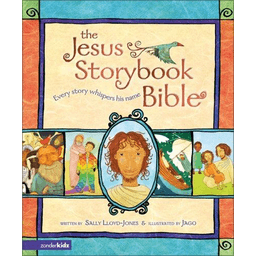 The Jesus Storybook BibleSally Lloyd-Jones's warmly illustrated retelling that threads every story to Jesus - shorter and more picture-driven than Vos.
 The Beginner's BibleThe brightly illustrated, very simple standard for toddlers and preschoolers - the gentlest on-ramp before a longer volume.
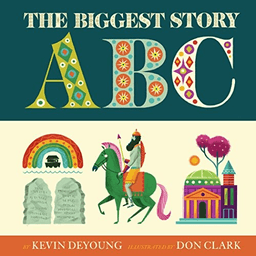 The Biggest Story Bible StorybookKevin DeYoung's storybook telling the Bible as one connected story, richly illustrated and aimed at a wide age range.
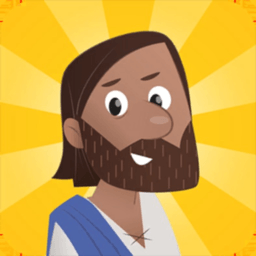 Bible App for KidsYouVersion's free animated, interactive Bible app - a screen-based companion for the read-aloud books rather than a replacement.
Frequently asked questions
Is it "The Child's Story Bible" or "The Children's Story Bible"?
The official title is The Child's Story Bible, by Catherine F. Vos, published by Eerdmans. Many people search for it as "The Children's Story Bible," which is an easy and common variant - but if you are looking for the Vos classic, search the singular "Child's."
What ages is The Child's Story Bible for?
It works well as a read-aloud for roughly ages 4 to 12, and the same volume suits an independent older reader. The stories run long, so attentive listeners around five or six and up tend to get the most from a full sitting, while very young toddlers may do better with a shorter, more illustrated book first.
Is it heavily illustrated?
No. It is a text-rich book with relatively sparse illustration - the opposite design choice from a modern picture-per-page storybook Bible. The appeal is the length and thoroughness of the storytelling rather than the art. Families who want a heavily illustrated book will likely prefer a more picture-driven option.
What translation or canon does it follow?
It is a retelling rather than a translation, and it follows the Protestant 66-book canon - so it does not include the deuterocanonical/apocryphal books. Catholic and Orthodox families will want to note that when matching it to their household Bible.
Why does the language feel old-fashioned?
The book was first published in 1934 and, while it has been revised over the years, it keeps an older, more formal register than a contemporary storybook. Many families love that reverent, dignified voice; others find it a stretch for very young children. It reads as the kind of prose a child grows into rather than out of.
How long does it take to read through?
It is designed to be read aloud one story at a time, so most families work through it over many months - often a full school year for homeschoolers. With 110+ stories told at length, it is a project you live with for a season rather than a book you finish in a week.
How much does it cost?
As of writing, the standard Eerdmans hardcover runs roughly $28-32, and a Kindle edition is around $15. Older printings turn up secondhand for well under fifteen dollars. An audiobook recording exists, though availability and price vary by retailer, so check before relying on it.
Sources & further reading
More Children's Bibles & Kids Books
The Jesus Storybook BibleThe children's storybook Bible that retells 44 stories as a single rescue plan pointing to Jesus - the one most parents and grandparents end up gifting, and the one adults quietly read for themselves.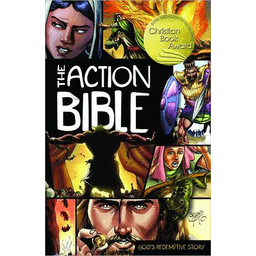 The Action BibleThe best-selling graphic-novel Bible of its era - 215+ Scripture narratives told in full-color comic art, built to pull reluctant and visual readers into the story.The Biggest StoryKevin DeYoung and Don Clark trace the whole Bible as one story - from the garden, through the promised snake crusher, to the new creation - in a single flowing read-aloud for ages four to eight.The Beginner's BibleThe illustrated storybook Bible that has been the default 'first Bible' for toddlers and preschoolers for more than thirty years - and quietly became the art behind the most-downloaded kids' Bible app in the world.
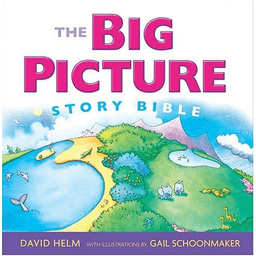 The Big Picture Story BibleThe storybook Bible that tells the whole Bible as one story - God's people, in God's place, under God's rule - written slow and gentle enough for a two-year-old on your lap.
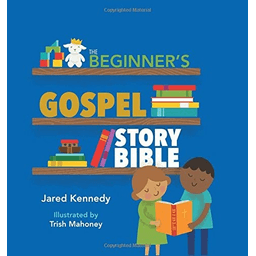 The Gospel Story BibleThe 156-story family storybook Bible that ends every story by connecting it to Jesus - and the hub of a whole devotional-and-curriculum ecosystem built for reading with a range of ages at once.