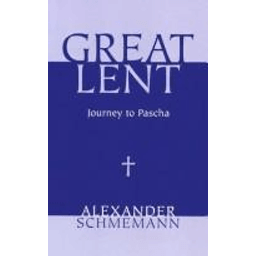
- Starting price
- ~$15 paperback
- Free tier
- No
- Platforms
- Print · Kindle
- Developer
- St. Vladimir's Seminary Press
- Launched
- 1969
- Updated
- May 31, 2026
The verdict
Great Lent is the book a great many Orthodox Christians open at the start of Lent and finish before Pascha. Schmemann walks through the season's services, fasting, and movement of repentance not as rules to obey but as a journey with a destination, and he does it in the same warm, unhurried prose that made For the Life of the World a classic. It is short, it is rooted firmly in the Orthodox liturgical tradition, and it is most at home in the hands of a reader living the season it describes.
Try Great Lent ↗Opens svspress.com
Great Lent has quietly become the book that turns up in Orthodox parishes every spring like clockwork. A catechumen preparing for their first Lent gets handed it. A reader who has kept the fast for thirty years pulls it off the shelf again on Forgiveness Sunday. Clergy assign it to study groups; bookstores reorder it in February. That seasonal rhythm of rereading is unusual for any book, and it tells you something about what Schmemann was trying to do: not to explain Lent once, but to accompany the reader through it, year after year.
The book did not begin as a single treatise. Alexander Schmemann - the Russian Orthodox priest and theologian who spent most of his career at St. Vladimir's Orthodox Theological Seminary in New York - drew it together from material he had taught and written on the meaning of the lenten season. It does not read like a manual. It does not march through a numbered list of regulations. It does not assume you want a checklist of what to eat and when. It opens instead with a question about why the Church bothers with a season like this at all, and answers it by talking about exile, hunger, and homecoming long before it details a single service.
What you get is a short book - well under two hundred pages - built around one governing image: Lent as a journey toward Pascha, the Orthodox celebration of Easter. Schmemann moves through the season's distinctive elements in turn: the preparatory weeks that lead up to it, the lenten services such as the Great Canon of St. Andrew of Crete and the Liturgy of the Presanctified Gifts, the practice of fasting, the work of repentance, and finally the arrival at Pascha itself. The treatment is rooted throughout in Orthodox liturgical practice. The prose is warm and reflective, and the book earns its yearly rereading the way a familiar road earns another walk - you notice something new each time you travel it.
✓ The good
- The most widely read short companion to Great Lent in the Orthodox tradition - handed to catechumens and reread by lifelong faithful alike each spring
- A single, clarifying frame - Lent as a journey toward Pascha rather than a list of rules - that reorganizes how a reader experiences the whole season
- Warm, reflective prose rather than dry instruction - Schmemann writes the way he did in For the Life of the World, with concrete images of exile, hunger, and homecoming
- Walks through the season's distinctive services - the Great Canon of St. Andrew, the Presanctified Liturgy, the preparatory Sundays - explaining the meaning behind each rather than just naming them
- Treats fasting and repentance as parts of one movement toward joy, which readers consistently say reframes practices that can otherwise feel like mere obligation
- Genuinely short and seasonal - designed to be read alongside the weeks of Lent themselves, a chapter or theme at a time, and reread the following year
- Widely used as a parish study-group text, with a deep surrounding well of Orthodox sermons, talks, and discussion guides built around it
✗ Watch out
- Tied to the specific Orthodox liturgical calendar and its services - most directly useful to Orthodox readers or those actively exploring Orthodoxy, less so to readers outside that tradition's practice
- Assumes familiarity with the services it discusses - Schmemann interprets the meaning of rites like the Presanctified Liturgy more than he introduces them from scratch, so a complete newcomer may want a basic guide alongside
- Short and meditative rather than comprehensive - it is a companion to the season, not an exhaustive manual of every lenten rubric, fasting rule, or hymn
- Rewards being read in season more than out of it - read in, say, the middle of summer it can feel abstract in a way it does not when you are actually keeping the days it describes
- Some phrasing and cultural reference points show the book's late-1960s origins, even though its central argument has aged well
Best for
- Orthodox Christians wanting a companion to read through the weeks of Lent
- Catechumens or inquirers preparing for their first Great Lent
- Parish or campus study groups looking for a discussable seasonal text
- Anyone exploring Orthodoxy who wants to understand why the season is shaped the way it is
Avoid if
- You want a practical checklist of fasting rules and meal-by-meal guidelines
- You are looking for a neutral, comparative survey of how different traditions observe Lent
- You want a year-round book rather than one tied to a specific liturgical season
- You want a from-scratch introduction to the Orthodox services before any interpretation of them
What Great Lent is
Great Lent: Journey to Pascha is Alexander Schmemann's short study of the season of Great Lent as it is observed in the Eastern Orthodox Church, first published in 1969 and later reissued in a revised edition. It runs well under two hundred pages and is organized as a series of reflections following the shape of the season rather than as a systematic manual. After framing Lent as a journey with a destination - Pascha, the Orthodox celebration of Easter - Schmemann takes up its distinctive parts in turn: the preparatory weeks, the lenten services (among them the Great Canon of St. Andrew of Crete and the Liturgy of the Presanctified Gifts), the discipline of fasting, the work of repentance, and the lenten way of life in the world.
The book is rooted firmly in the Orthodox tradition; Schmemann was an Orthodox priest and theologian who taught for decades at St. Vladimir's Orthodox Theological Seminary. It reports the season's services, fasting, and repentance as that tradition observes them, and reads them through a single governing lens: Lent not as a set of obligations but as a movement of return toward God that culminates in the joy of Pascha. Because it interprets practices specific to the Orthodox liturgical calendar, the book sits most naturally with Orthodox readers and with those exploring Orthodoxy, though its reflections on repentance and renewal have been read with appreciation by others as well.
Why Orthodox readers reach for it every Lent
Most writing about Lent falls into one of two modes: the rulebook that tells you what to give up and when, or the abstract essay that praises the idea of self-denial without touching the actual services. Schmemann does neither. He starts from the season as it is actually lived in an Orthodox parish - the specific hymns, the specific liturgies, the specific rhythm of weeks - and asks what each of them is for. The Great Canon of St. Andrew, the Presanctified Liturgy, the prayer of St. Ephrem with its prostrations: he takes the things an Orthodox Christian will physically do during Lent and unfolds the meaning inside them.
That grounding is exactly why the book gets reread rather than consulted once and shelved. Because it tracks the season's own movement, a reader can open it week by week as Lent unfolds and find Schmemann describing the very services they are attending. It does not try to be a neutral overview of how everyone everywhere keeps a penitential season; it is a companion to one tradition's way, written from inside it. For an Orthodox reader, or someone seriously exploring Orthodoxy, that specificity is the point - the book meets them in the season they are actually keeping rather than in the abstract.
Lent as a journey to Pascha: the governing frame
The book's organizing idea arrives early and shapes everything after it: Great Lent is not a stretch of obligation to be endured but a journey, and like any journey it has a destination. That destination is Pascha - the Orthodox celebration of the Resurrection, which the tradition treats as the feast of feasts. Schmemann reads the whole season backward from that arrival. The preparatory weeks, with their distinctive Gospel readings on themes such as humility, repentance, and forgiveness, are presented as the Church gradually turning the believer toward the road; Forgiveness Sunday, on the eve of the fast, is the threshold where the journey properly begins.
Framed this way, the elements that can feel like burdens become legs of a single trip with a known end. Fasting is not an end in itself but a means of traveling lighter; repentance is not morbid self-accusation but the act of turning back toward home; the long, quieter services are the discipline of a pilgrim's pace. Readers consistently report that this is the part of the book that changes how the season feels for them. Whether or not a reader keeps the Orthodox fast themselves, Schmemann's framing of a penitential season as movement toward joy rather than mere deprivation is the idea most people carry away.
Inside the lenten services
The heart of the book is its treatment of the season's distinctive worship, which Schmemann describes as the engine that carries the lenten journey forward. He gives sustained attention to services an Orthodox Christian encounters only during Lent: the Great Canon of St. Andrew of Crete, a long penitential hymn chanted in the first week and again later in the fast; the Liturgy of the Presanctified Gifts, an evening service of communion from gifts consecrated the previous Sunday, used because the full Eucharistic liturgy is not normally celebrated on lenten weekdays; and the recurring prayer of St. Ephrem the Syrian, with its accompanying prostrations. In each case he explains not just what happens but why the Church shapes the service as it does.
This is also where the book's main practical limit shows. Schmemann interprets these services more than he introduces them; he assumes a reader who is, or soon will be, present at them rather than one encountering the names for the first time on the page. For someone already in an Orthodox parish during Lent, that assumption is a strength - the book illuminates what they are living. For a complete newcomer reading out of season, a basic guide to the services alongside it helps. Either way, the chapters on the services are the ones readers most often cite as having opened up worship they had attended for years without fully understanding.
Fasting and repentance as one movement
Schmemann devotes careful attention to fasting and repentance, the two practices most associated with Lent, and his consistent move is to refuse to treat them in isolation. He reports the Orthodox practice of the fast - its scope, its long history, its place in the season - but he is far more interested in what it is for than in cataloguing its rules. Fasting, in his reading, is bodily participation in the season's turning; it is meant to clear space, to expose how much we lean on consumption, and to be joined to prayer and almsgiving rather than performed as a standalone feat of willpower. He is candid that fasting detached from its purpose can curdle into pride, which is the opposite of where Lent is meant to lead.
Repentance receives the same treatment. Schmemann presents it not as a season of gloom but as metanoia - a change of mind, a turning back toward God - and he ties it directly to the journey frame: repentance is simply the traveler reorienting toward home. The two practices, fasting and repentance, are shown as a single movement of return rather than two separate obligations. This integrated picture is part of why the book is reread; it offers a way of holding the season's disciplines together that a list of rules cannot, and it does so in language warm enough that the practices read as invitation rather than mere demand.
Pricing
Paperback (revised edition)
~$15
The standard St. Vladimir's Seminary Press edition - the copy most readers own and the one parish studies assume.
Kindle / ebook
~$10
Searchable and highlight-syncs across devices, handy for a book read in pieces through the season; usually a little under the paperback.
Used paperback
~$5 and up
Long in print and widely assigned, so used copies turn up readily - check the printing, as editions vary slightly.
Course / group bulk
varies
Frequently ordered in quantity for seminary courses and parish lenten studies; the publisher and major retailers discount multi-copy orders.
Great Lent is not free. It has been in print for decades and is widely assigned, so a new paperback from St. Vladimir's Seminary Press runs around $15 - call it the everyday default - and is the edition most parish studies and citations assume. It is short and inexpensive enough that many readers buy a fresh copy to mark up rather than hunting for an older one.
The Kindle edition usually comes in a little under the paperback, around $10, and highlight-syncs across devices, which is genuinely useful for a book read in pieces through the weeks of Lent. Schmemann's prose holds up well on a screen, though plenty of readers still prefer paper for a book they expect to return to year after year.
Because the book has been assigned for so long, used copies are easy to find for five dollars and up. Printings vary slightly, so it is worth a quick check of the edition if that matters to you, but for most readers any in-print copy is fine. For seminary courses and parish lenten studies it is frequently ordered in quantity, and the publisher and major retailers discount multi-copy orders.
Most readers do not need anything beyond the standard paperback. It is short, it is cheap, and it is the copy you will reach for again next spring - this is one of those books people genuinely reread rather than shelve, which makes the ordinary paperback the obvious pick.
Where Great Lent falls behind
Tied to one liturgical calendar. Great Lent is built around the specific season, services, and fasting practice of the Eastern Orthodox Church. That focus is what makes it valuable to Orthodox readers, but it also means a reader outside that tradition's practice will be reading about a calendar they do not keep. The book does not set out to be a general guide to penitential seasons; it is a companion to one, and it is most useful in the hands of someone living it.
It assumes familiarity with the services. Schmemann interprets rites like the Great Canon and the Presanctified Liturgy rather than introducing them from the ground up. He writes for a reader who is, or will soon be, present at these services. A complete newcomer encountering the names for the first time may want a basic explanatory guide alongside, since the book is after the meaning behind the worship more than a first description of it.
Not a how-to checklist. Readers who want a meal-by-meal fasting chart or a numbered list of lenten obligations will not find it here. Schmemann reports the practices but is far more concerned with what they are for than with cataloguing the rules. That is the right call for the book he was writing, but it leaves the purely practical questions to be answered elsewhere.
It reads best in season. Because the book tracks the movement of Lent itself, it lands most powerfully when read alongside the weeks it describes. Read out of season it can feel more abstract, and its chapters lose some of the resonance they have when a reader is actually attending the services Schmemann is unfolding.
Period texture. A handful of references and turns of phrase mark the book as a product of the late 1960s. The central argument has aged well, but a present-day reader will occasionally notice the decade it was written in.
Great Lent vs. For the Life of the World vs. The Orthodox Way
These three come up together for readers exploring the Eastern Orthodox tradition through Schmemann and his peers, and they do genuinely different jobs. Great Lent (Schmemann, 1969) is the seasonal companion - a short, reflective book that walks through the meaning of the lenten services, fasting, and repentance on the road to Pascha, and the one to read during Lent itself. For the Life of the World (Schmemann, 1963) is the sacramental meditation - the same author's broader vision of the world as gift received and offered back in thanksgiving, focused on the Eucharist and the sacraments rather than on a single season. The Orthodox Way (Kallistos Ware) is the general introduction - a clear, gentle overview of Orthodox belief and spiritual life as a whole.
Different strengths. Great Lent is the most time-bound and the most practical of the three about a specific season - the book you read in pieces as Lent unfolds. For the Life of the World is the more wide-angle of Schmemann's two, the year-round meditation on worship and creation. The Orthodox Way is the most useful for a true beginner who wants the lay of the land before diving into any one theme. If you are about to keep Lent, start with Great Lent. If you want Schmemann's larger vision, read For the Life of the World. If you want orientation to the whole tradition first, start with Ware.
All three are rooted in the Orthodox tradition and read most naturally by those within or exploring it, though Schmemann's writing in particular is cited appreciatively in Catholic, Anglican, and Protestant settings. Great Lent is the most tightly bound to Orthodox liturgical practice of the three, which is why it is most at home with a reader actually living the season it describes.
The bottom line
Great Lent has earned its standing as the book Orthodox Christians reach for when the season comes around. Schmemann wrote a short companion with one clarifying idea - that Lent is a journey toward the joy of Pascha, and its services, fasting, and repentance are the stages of that road - and he wrote it warmly enough that readers return to it spring after spring. It is firmly rooted in the Orthodox liturgical tradition and most useful to those living it, but for an Orthodox reader, a catechumen, or anyone seriously exploring Orthodoxy, it remains the single best companion to the weeks between Forgiveness Sunday and the empty tomb.
Alternatives to Great Lent
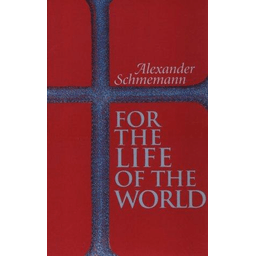 For the Life of the WorldSchmemann's wider-angle classic on the sacraments and the world as gift - read it for the larger vision behind this seasonal companion.
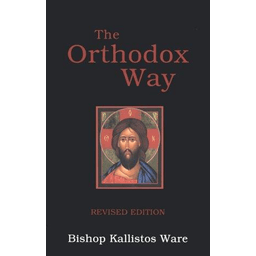 The Orthodox WayKallistos Ware's clear, gentle overview of Orthodox belief and spiritual life - the broad introduction to Schmemann's focused one.Ancient Faith MinistriesThe largest hub of Orthodox podcasts, books, and audio - a deep well of teaching that expands on the themes Great Lent opens.
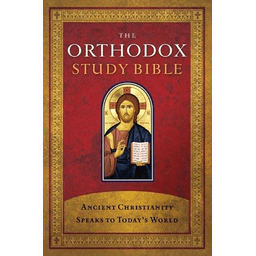 The Orthodox Study BibleA full Bible with Orthodox study notes - the reference to read alongside the tradition that shaped this book.
Frequently asked questions
Who was Alexander Schmemann?
Alexander Schmemann (1921-1983) was an influential Eastern Orthodox priest and theologian who taught for decades at St. Vladimir's Orthodox Theological Seminary in New York, where he served as dean. He is best known for his writing on liturgy and the meaning of the Church's worship, of which Great Lent and For the Life of the World are the most widely read.
What is Great Lent about?
It is a short study of the season of Great Lent as observed in the Eastern Orthodox Church, framed as a journey toward Pascha (the Orthodox celebration of Easter). Schmemann walks through the season's preparatory weeks, its distinctive services, the practice of fasting, and the work of repentance, reading each not as an obligation but as a stage on the road to the joy of the Resurrection.
Do I need to be Orthodox to read it?
You do not, but the book is most useful to Orthodox readers and to those actively exploring Orthodoxy. It is built around the specific services and fasting practice of the Orthodox liturgical calendar and assumes some familiarity with them. Readers outside that tradition can still draw a great deal from its reflections on repentance and renewal, while recognizing that it describes one tradition's observance rather than a general guide.
Which lenten services does the book cover?
Among others, it takes up the Great Canon of St. Andrew of Crete (a long penitential hymn chanted during the fast), the Liturgy of the Presanctified Gifts (an evening communion service used on lenten weekdays), the preparatory Sundays leading into Lent, and the prayer of St. Ephrem with its prostrations. Schmemann focuses on the meaning behind each rather than offering a step-by-step introduction to them.
Is it a practical guide to fasting?
Not primarily. Schmemann reports the Orthodox practice of the lenten fast, but he is far more interested in what fasting is for - clearing space, joining the body to prayer and repentance, traveling lighter toward Pascha - than in providing a meal-by-meal chart of rules. Readers wanting precise fasting guidelines will want a practical guide alongside it.
When should I read it?
Most readers find it lands best read in season - a chapter or theme at a time as Lent unfolds - because it tracks the movement of the season itself and describes the very services a reader is attending. It can be read at any time of year, but its resonance is strongest when you are actually keeping the weeks it describes.
Where should I go after Great Lent?
For more of Schmemann, his book For the Life of the World applies the same sensibility to the sacraments and the world as a whole. For a broad introduction to the Orthodox tradition, Kallistos Ware's The Orthodox Way is a common next read. To read scripture with notes from that tradition, the Orthodox Study Bible is the standard reference, and Ancient Faith Ministries offers a deep library of related audio and books.
Sources & further reading
More Orthodox Christian Books
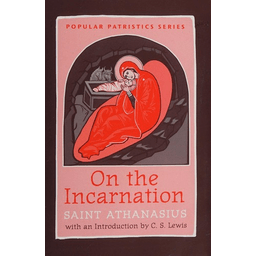 On the IncarnationThe short 4th-century treatise on why God became man - the one early-Church book modern readers actually finish, and the one C.S. Lewis told everyone to start with.
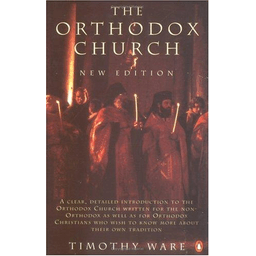 The Orthodox ChurchThe Penguin paperback that has introduced more English readers to Eastern Orthodoxy than any other single book - half history, half doctrine, and still the first title nearly everyone names.The Orthodox WayThe slim companion to The Orthodox Church that trades history for the lived path - Kallistos Ware walking a reader through God as Mystery, Trinity, Creator, Man, Spirit, and Prayer, in fewer than two hundred pages.For the Life of the WorldAlexander Schmemann's slim, much-loved meditation on sacramental theology - the book that taught a generation to see the whole world as a gift to be received and offered back in thanksgiving.
 The PhilokaliaThe great Eastern Orthodox anthology on inner watchfulness and the prayer of the heart - eleven centuries of monastic teachers, compiled on Mount Athos, and still the master text of the Jesus Prayer.
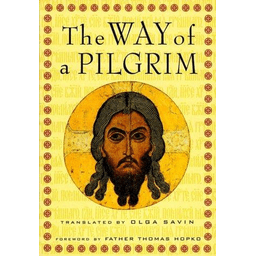 The Way of a PilgrimThe anonymous 19th-century Russian classic that taught the modern world the Jesus Prayer - a wandering pilgrim, a worn copy of the Philokalia, and one short sentence repeated until it never stops.