Joshua 5
People in this chapter
Joshua 5 is the pause before the storm. Israel has crossed the Jordan on dry ground (Joshua 3-4), the wilderness is finished, and the kings of the land have heard what God did at the river: their heart melted, neither was there spirit in them any more (v. 1). Every reason for haste is in place. The enemy is afraid; the moment looks ripe. And the LORD says: stop. Before any battle is joined, He asks for circumcision - the covenant sign restored in the flesh of a generation that never received it in the desert.
Make thee sharp knives, and circumcise again the children of Israel the second time (v. 2). Worship comes before warfare in this chapter; the covenant comes before the conquest. Israel will not march until it has first been marked.1
Tap any highlighted phrase to jump to the commentary that unpacks it.
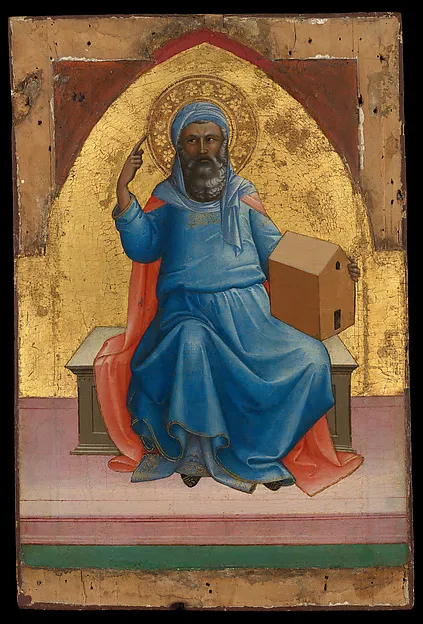
Joshua 5:1-9This Day Have I Rolled Away the Reproach of Egypt
1And it came to pass, when all the kings of the Amorites, which were on the side of Jordan westward, and all the kings of the Canaanites, which were by the sea, heard that the LORD had dried up the waters of Jordan from before the children of Israel, until we were passed over, that their heart melted, neither was there spirit in them any more, because of the children of Israel. 2At that time the LORD said unto Joshua, Make thee sharp knives, and circumcise again the children of Israel the second time. 3And Joshua made him sharp knives, and circumcised the children of Israel at the hill of the foreskins.
The chapter opens by showing what the Jordan crossing did to the watching world: when all the kings of the Amorites… and all the kings of the Canaanites… heard that the LORD had dried up the waters of Jordan… their heart melted, neither was there spirit in them any more (v. 1). The drying of the river is told as a smaller echo of the Red Sea forty years before; when God splits a water, kingdoms feel the tremor.
The phrase their heart melted is the very language Rahab had already used inside Jericho: your terror is fallen upon us, and… all the inhabitants of the land faint because of you (Josh. 2:9). The psychological war is over before the first arrow flies. The land's defenders have already lost their nerve. By every military calculation, this is the moment to strike while the enemy is paralyzed. Which is exactly what makes the next verse so startling.1
Into that ripe moment the LORD speaks a command no war-council would have written: Make thee sharp knives, and circumcise again the children of Israel the second time (v. 2). The timing is deliberate and astonishing. The enemy is unmanned by fear; the army should press its advantage. Instead God asks Israel to lay itself open - to undergo, as a whole fighting force, the one procedure that would leave every man sore and unable to march (the same wound that crippled a city in Genesis 34).
This is not the strategy of a commander who cares first about tactical advantage. It is the demand of a God who cares first about covenant. Before Israel takes anything by the sword, it must wear again the sign cut into Abraham's house - the mark that says this people belongs to the LORD. The covenant is restored before the conquest is begun. Israel will enter as a marked people, bearing the covenant sign, or not at all.
4And this is the cause why Joshua did circumcise: All the people that came out of Egypt, that were males, even all the men of war, died in the wilderness by the way, after they came out of Egypt. 5Now all the people that came out were circumcised: but all the people that were born in the wilderness by the way as they came forth out of Egypt, them they had not circumcised. 6For the children of Israel walked forty years in the wilderness, till all the people that were men of war, which came out of Egypt, were consumed, because they obeyed not the voice of the LORD: unto whom the LORD sware that he would not shew them the land, which the LORD sware unto their fathers that he would give us, a land that floweth with milk and honey. 7And their children, whom he raised up in their stead, them Joshua circumcised: for they were uncircumcised, because they had not circumcised them by the way.
Verses 4 through 7 explain why a second circumcision was needed at all, and the explanation carries the weight of a whole generation's failure. The men who left Egypt had been circumcised; but at Kadesh-barnea they refused the LORD's voice and would not go up to the land (Num. 13-14), and so they walked forty years in the wilderness, till all the people that were men of war… were consumed, because they obeyed not the voice of the LORD (v. 6).
Their children, born along the way, were never circumcised at all - an entire generation grown up without the covenant sign in its flesh. Two things stand side by side here, and the text holds them together without flinching. There is sober judgment: the unbelieving generation died short of the promise they would not trust God to give. And there is unbroken faithfulness: the LORD sware unto their fathers to give a land that floweth with milk and honey, and here are the children, alive in that very land, the oath kept across forty years of funerals.
God's promise outlasted the people who doubted it. The sons inherit what the fathers forfeited.
8And it came to pass, when they had done circumcising all the people, that they abode in their places in the camp, till they were whole. 9And the LORD said unto Joshua, This day have I rolled away the reproach of Egypt from off you. Wherefore the name of the place is called Gilgal unto this day.
When the circumcising is finished, Israel does the most vulnerable thing an army can do in enemy country: nothing. They abode in their places in the camp, till they were whole (v. 8). For days the whole fighting force lies sore and defenseless within sight of a hostile city, trusting that the God who told them to stop will also keep them safe while they heal. It is an act of pure faith - obedience that makes no military sense and rests entirely on the One who commanded it.
And when the LORD finally speaks, He names what has happened in words full of release: This day have I rolled away the reproach of Egypt from off you (v. 9). The reproach of Egypt is the long shame this people had carried - the disgrace of slavery, the taunt of a covenant nation with no land of its own, the reproach of the dead generation that fell in the desert. All of it is gone now.
Not managed, not explained away - rolled away, lifted off and set behind them. They stand healed, in their land, a covenant people in a covenant place, and the weight they carried out of Egypt is no longer on their backs.
Joshua 5:10-12The Passover Kept, the Manna Ceased
10And the children of Israel encamped in Gilgal, and kept the passover on the fourteenth day of the month at even in the plains of Jericho. 11And they did eat of the old corn of the land on the morrow after the passover, unleavened cakes, and parched corn in the selfsame day.
With the people healed and the reproach rolled away, the first act in the land is a feast: the children of Israel encamped in Gilgal, and kept the passover… in the plains of Jericho (v. 10). The placing is heavy with meaning. This is the feast that remembers the night in Egypt when the lamb's blood was struck on the doorposts and the destroyer passed over the houses of Israel, the night that bought their freedom.
And they keep it here - in open country, within sight of the first walled city they must take, on the eve of the whole conquest. Before they fight for the land, they remember how they were redeemed out of slavery. Then comes a quiet but significant detail: they did eat of the old corn of the land… unleavened cakes, and parched corn (v. 11). The old corn is grain already grown and stored in Canaan from a previous harvest.
Israel does not seize a meal by conquest; they eat what the land has been keeping for them. The food was ready before they arrived. They sit down, on the threshold of war, to a table the LORD had already spread inside the promise.
12And the manna ceased on the morrow after they had eaten of the old corn of the land; neither had the children of Israel manna any more; but they did eat of the fruit of the land of Canaan that year.
Then a forty-year miracle simply ends: And the manna ceased on the morrow after they had eaten of the old corn of the land; neither had the children of Israel manna any more (v. 12). Every morning for a generation, bread had appeared on the ground with the dew - the corn of heaven, angels' food (Ps. 78:24-25), gathered fresh each day, a standing testimony that God could feed His people where nothing grew.
And now, without fanfare, it stops. It is vital to see why it stops. The manna does not fail because God grows weary or distant; it ceases precisely because it is no longer needed - but they did eat of the fruit of the land of Canaan that year. The wilderness provision gives way to the inheritance. The bread that fell from the sky is replaced by the harvest that rises from the promised ground. God's care has not been withdrawn; it has changed shape.
In the desert He sustained them by daily miracle because there was no other way; in the land He feeds them through the abundance He had sworn to give. The same Provider stands behind both the manna and the corn. The shadow yields to the substance, and a new season of His provision begins.
Joshua 5:13-15The Captain of the Host of the LORD
13And it came to pass, when Joshua was by Jericho, that he lifted up his eyes and looked, and, behold, there stood a man over against him with his sword drawn in his hand: and Joshua went unto him, and said unto him, Art thou for us, or for our adversaries?
The scene shifts from the camp to a man standing alone in the shadow of a walled city: when Joshua was by Jericho… he lifted up his eyes and looked, and, behold, there stood a man over against him with his sword drawn in his hand (v. 13). Joshua is surveying the great obstacle that bars Israel's way - the first and most formidable fortress of the conquest - when a figure appears, unannounced, planted directly in his path with a bared sword.
The detail of the drawn sword is arresting; a sword out of its sheath means business, means a battle is at hand. Joshua, the seasoned commander, does the soldierly thing and goes straight up to the stranger to establish the one fact that matters on a battlefield: Art thou for us, or for our adversaries? Friend or foe? Whose army do you serve? It is a perfectly natural question for a general on the eve of war.
But it assumes the figure can be sorted into the categories Joshua already has - one of two sides in a human conflict. The answer he receives will show that he has met Someone who does not fit on either side of his map.
14And he said, Nay; but as captain of the host of the LORD am I now come. And Joshua fell on his face to the earth, and did worship, and said unto him, What saith my lord unto his servant?
The answer overturns the question: Nay; but as captain of the host of the LORD am I now come (v. 14). That single word - Nay, No - refuses both options Joshua offered. The figure will not say He is on Israel's side, nor on the enemy's; He has not come to be enlisted in anyone's war. He has come as captain - the commander - of the host of the LORD. The correction is profound.
Joshua had asked, in effect, “Whose side are You on?” and the answer is, “You have the question backward. Fall in under my command.” The LORD comes to take command. And the question He silently presses back onto Joshua - and onto every reader - is Am I on His side? The whole conquest, the text quietly says, belongs to this Commander; Israel is not fighting its own war with God's help, but the LORD's war, into which Israel is summoned.
Joshua's response is immediate and total: And Joshua fell on his face to the earth, and did worship, and said unto him, What saith my lord unto his servant? (v. 14). The leader of all Israel drops to the ground before this figure. Two things in his action are decisive. First, he worships - and the Captain receives it, with no word of refusal. That silence speaks loudly, for the pattern of Scripture is the opposite: when a man later falls to worship at an angel's feet, the angel recoils, See thou do it not… worship God (Rev. 19:10; 22:8-9).
A true messenger forbids worship and deflects it upward; this Captain accepts it. Second, Joshua names himself servant and asks for orders - What saith my lord unto his servant? The commander of Israel now stands at attention before a higher Commander, ready to obey. The man who entered the scene asking the stranger to declare his loyalty leaves it on his face, having declared his own. He came to inspect; he stays to worship and to take orders.
This is what it looks like to meet the Captain of the LORD's host and recognize who has come.
15And the captain of the LORD’s host said unto Joshua, Loose thy shoe from off thy foot; for the place whereon thou standest is holy. And Joshua did so.
The Captain's only recorded command in this scene is not about Jericho at all, but about the ground: Loose thy shoe from off thy foot; for the place whereon thou standest is holy. And Joshua did so (v. 15). Any reader of Israel's story hears the echo at once. These are almost exactly the words once spoken from the burning bush, when the LORD said to Moses, Put off thy shoes from off thy feet, for the place whereon thou standest is holy ground (Ex. 3:5).
The parallel is unmistakable and deliberate. At the threshold of the exodus, God met Moses and made the dirt holy by His presence; at the threshold of the conquest, this Captain meets Joshua and makes the dirt holy in the very same way. Note carefully what makes the place holy - nothing about Gilgal or the plains of Jericho, no shrine, no altar. The ground is holy because He is standing on it. Holiness radiates from His presence the way it did at the bush.
And Joshua, the new Moses leading the people into the land as Moses led them out of Egypt, bares his feet in obedience. The scene says, as plainly as a scene can without spelling it out, that the One on the plains of Jericho stands where the One at the bush stood, and asks what He asked.
Research trail
Sources & further study
These references support the historical, linguistic, manuscript, and contextual notes in this chapter. Scripture remains the primary text; external sources are provided so readers can inspect the research directly.
- Joshua 5 - Translators' NotesThe NET Bible's detailed footnotes on Joshua 5 - the melting of the kings' hearts in verse 1, the flint knives and the second circumcision (vv. 2-3), the meaning of the reproach of Egypt (v. 9), and the much-discussed identity of the commander Joshua meets in verses 13-15.
- Joshua 5 · Hebrew + classical Jewish commentaryThe Hebrew text of Joshua 5 with Rashi, Radak, and other classical commentators side by side - useful for galal (v. 9, the “rolling away” that gives Gilgal its name), for arelim (v. 7, “the uncircumcised”), and for the phrase sar tzeva YHWH (v. 14, “captain of the host of the LORD”).
- Joshua 5 ↔ Exodus 3 · 1 Corinthians 5 · Colossians 2Traces the threads tying Joshua 5 to the rest of Scripture - the captain's words about holy ground (v. 15) read alongside the burning bush (Ex. 3:5), the Passover at Jericho (v. 10) beside Christ our passover (1 Cor. 5:7), and the circumcision at Gilgal (vv. 2-9) beside the circumcision made without hands (Col. 2:11).
Where this echoes in Scripture
This Day Have I Rolled Away the Reproach of Egypt
- Joshua 2:9-11your terror is fallen upon us, and... all the inhabitants of the land faint because of you... neither did there remain any more courage in any man.Rahab's words inside Jericho - the melted heart of verse 1 confirmed from within the enemy city.
- Genesis 17:10-11This is my covenant... Every man child among you shall be circumcised... and it shall be a token of the covenant betwixt me and you.The covenant sign first given to Abraham, restored to his children at Gilgal in verses 2-3.
- Deuteronomy 10:16Circumcise therefore the foreskin of your heart, and be no more stiffnecked.The inward circumcision the prophets longed for - the flesh-sign of verse 7 pointing deeper.
- Colossians 2:11ye are circumcised with the circumcision made without hands, in putting off the body of the sins of the flesh by the circumcision of Christ.The cutting-away done in Christ - the reality the flint knives of Gilgal foreshadow.
- Romans 2:29circumcision is that of the heart, in the spirit, and not in the letter; whose praise is not of men, but of God.The true circumcision - the reproach rolled away (v. 9) reaching past the flesh to the heart.
The Passover Kept, the Manna Ceased
- Exodus 12:13the blood shall be to you for a token... and when I see the blood, I will pass over you, and the plague shall not be upon you.The first Passover - the night of redemption Israel re-keeps at Jericho in verse 10.
- 1 Corinthians 5:7Purge out therefore the old leaven... For even Christ our passover is sacrificed for us.The Lamb the feast pointed to - the Passover of verse 10 fulfilled in Christ.
- Exodus 16:35And the children of Israel did eat manna forty years, until they came to a land inhabited... unto the borders of the land of Canaan.The forty-year miracle that ends in verse 12 - manna given until the land was reached.
- John 6:32-35Moses gave you not that bread from heaven; but my Father giveth you the true bread from heaven... I am the bread of life.The true bread the manna foreshadowed - the wilderness provision (v. 12) pointing to Christ.
- Psalm 78:24-25had rained down manna upon them to eat, and had given them of the corn of heaven. Man did eat angels' food.The wonder of the manna that ceases in verse 12 - bread from heaven for the wilderness years.
The Captain of the Host of the LORD
- Exodus 3:5Draw not nigh hither: put off thy shoes from off thy feet, for the place whereon thou standest is holy ground.The burning bush - the same words the Captain speaks to Joshua in verse 15, the ground made holy by His presence.
- Matthew 28:18All power is given unto me in heaven and in earth.The risen Lord's claim to command - the authority of the Captain of the host (v. 14) spoken in person.
- Matthew 28:9And as they went to tell his disciples, behold, Jesus met them... And they came and held him by the feet, and worshipped him.Worship received without rebuke - as the Captain received Joshua's worship in verse 14.
- Revelation 22:8-9I fell down to worship before the feet of the angel... Then saith he unto me, See thou do it not... worship God.How a true angel refuses worship - the contrast that sets the Captain of verse 14 apart.
- 2 Kings 6:17the mountain was full of horses and chariots of fire round about Elisha.The unseen armies of heaven - the “host of the LORD” whose Captain Joshua meets in verses 14-15.