Painter of the Bible
Anonymous, Italian, 16th century
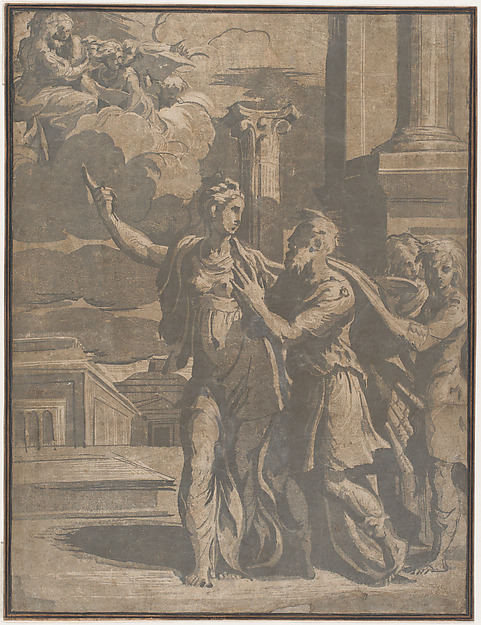
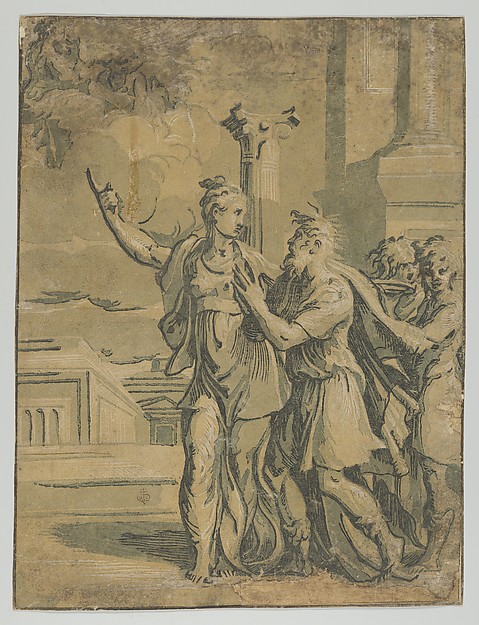
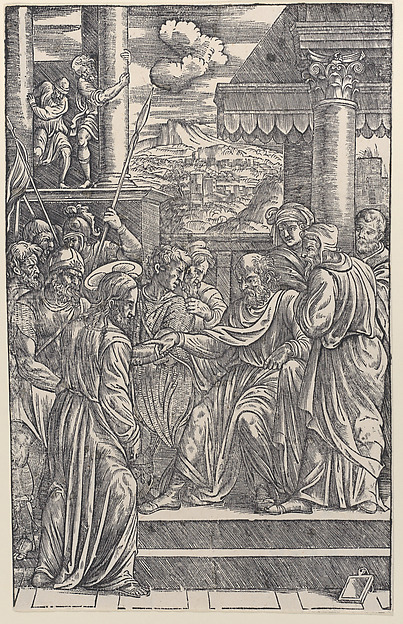
The Anonymous, Italian, 16th-century attribution covers approximately 44 artworks in the catalogue from the Italian Renaissance and Mannerist period whose original makers cannot be definitively identified.
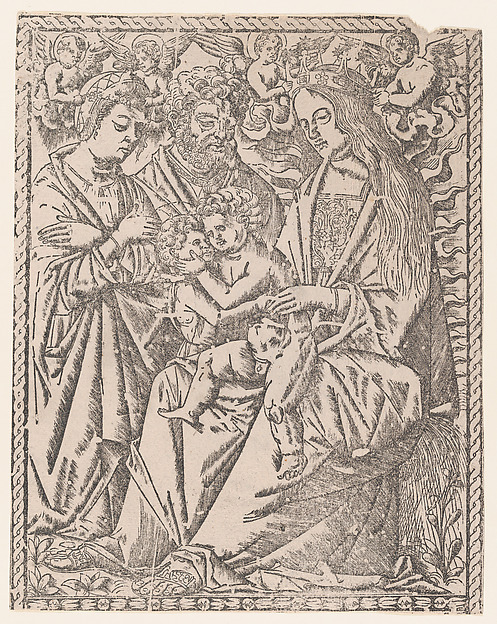
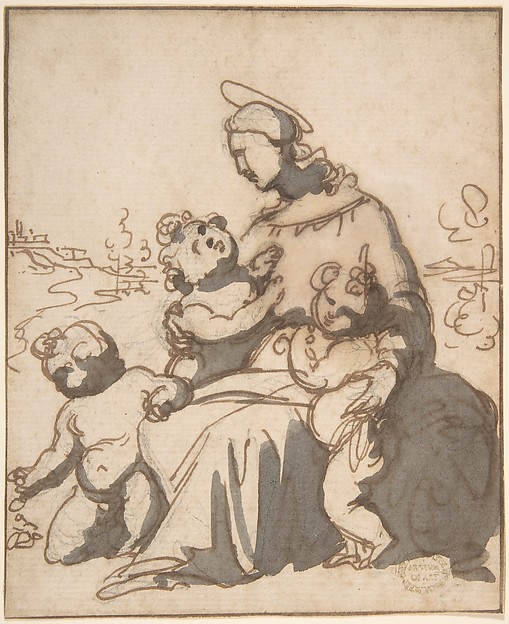
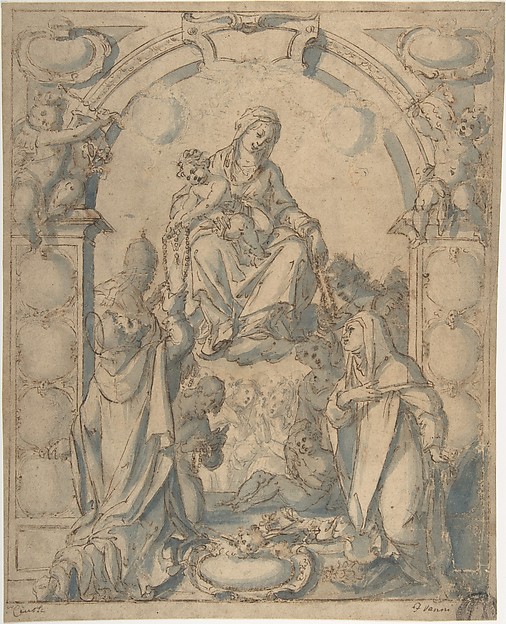
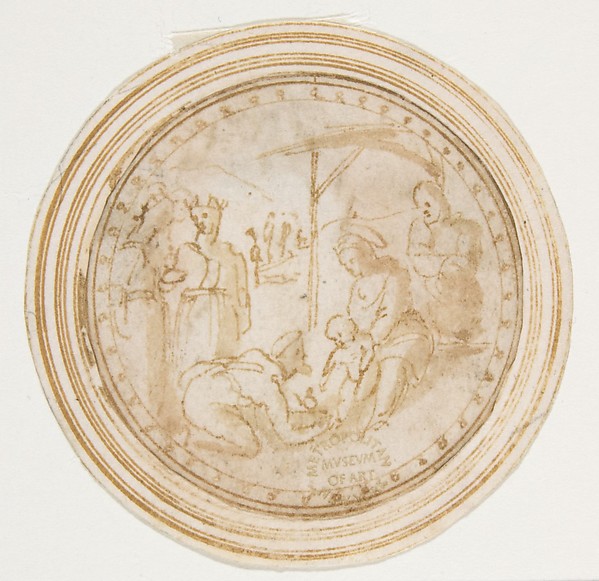
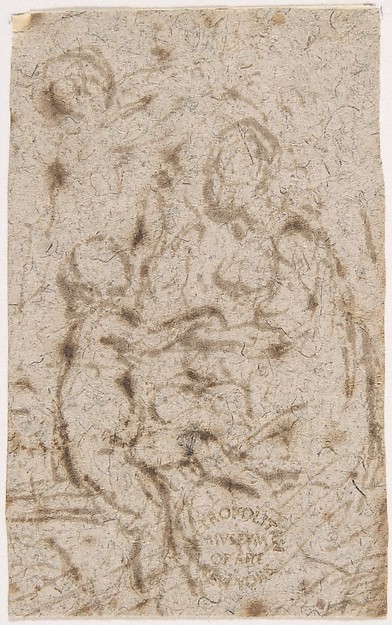
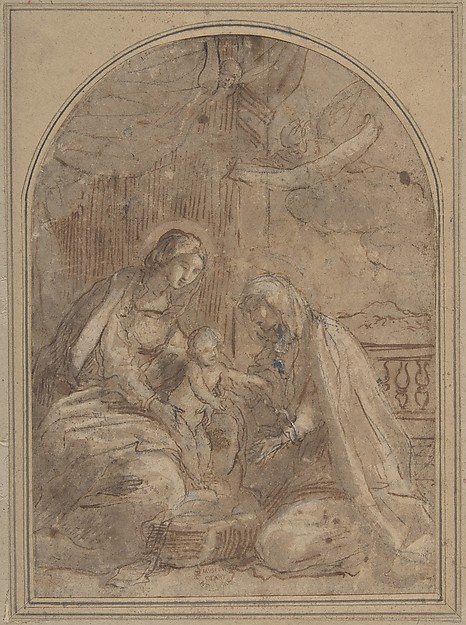
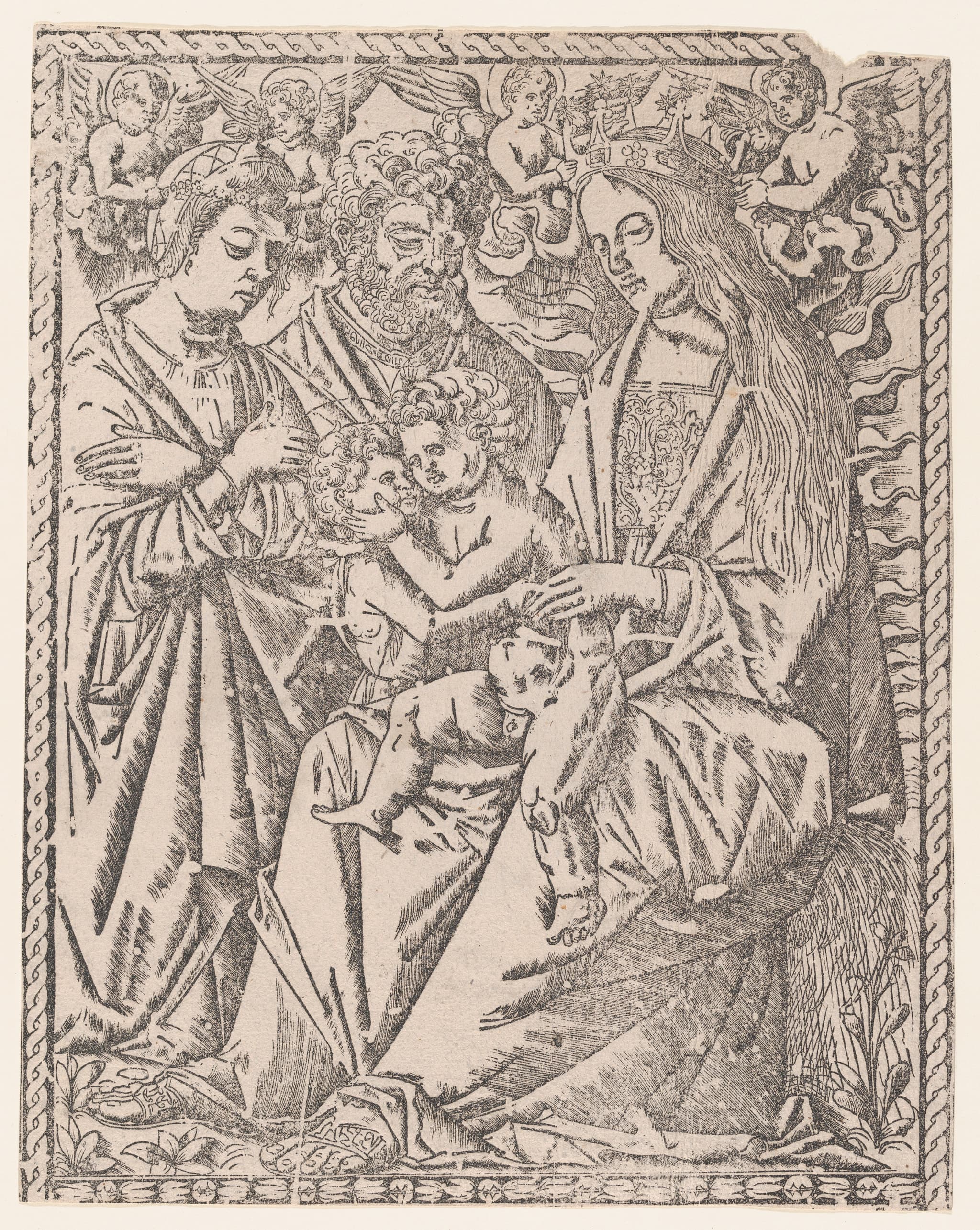 Saint John the Baptist embracing the Christ Child who sits on the Virgin's knee, she is being crowned by angels, other saints at left
Their faith
Why Anonymous, Italian, 16th century painted Christ
The Anonymous Italian artist of the 16th century represents a collective devotion to sacred themes that permeated the Italian Renaissance. While we lack specific biographical details about this artist, the period itself was marked by a deep reverence for Christian faith, as seen in the works of contemporaries like Raphael and Michelangelo. Artists of this era often engaged in spiritual practices, seeking divine inspiration through prayer and meditation on scripture. The creation of art was seen not just as a profession, but as a sacred calling, a way to express and share their faith with the world. The small drawings and compositions attributed to this anonymous artist, particularly those depicting the Madonna and Child, reflect an enduring commitment to portraying the beauty and grace of Christian themes, suggesting that the artist was likely motivated by a profound sense of spirituality and devotion.
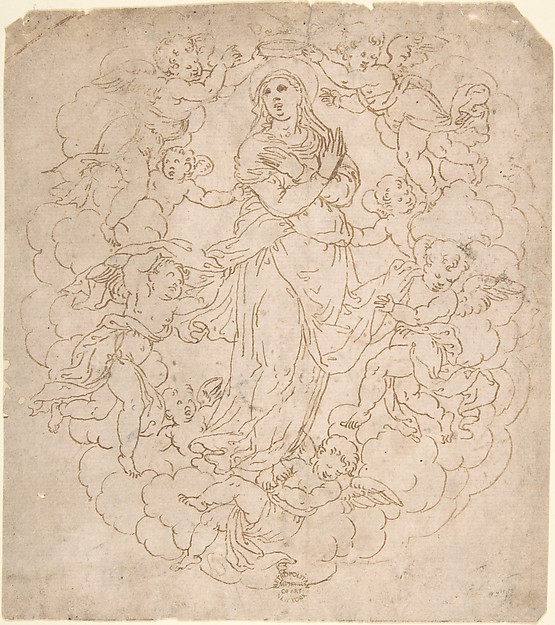
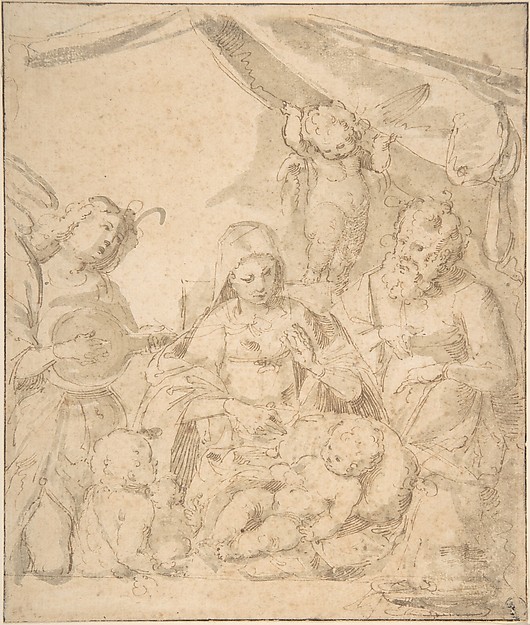
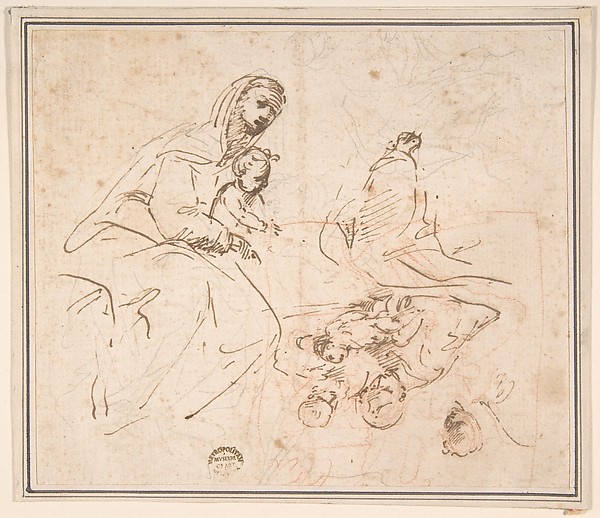
The works of this Anonymous Italian artist, including delicate studies of the Madonna and Child, reveal a deep understanding of the sacred narrative and an earnest desire to convey the divine connection between mother and son. These pieces, while lacking specific attribution, resonate with the viewer through their emotional depth and technical skill, embodying the essence of love, compassion, and faith that characterizes the Christian message. Each stroke of the pen or brush serves as a testament to the artist's devotion, inviting viewers to reflect on their own faith journeys. The beauty of these works continues to inspire, reminding us of the timeless nature of Christ's love and the enduring power of art to elevate the spirit and draw us closer to God.
Life & work
The Anonymous, Italian, 16th-century attribution covers approximately 44 artworks in the catalogue from the Italian Renaissance and Mannerist period whose original makers cannot be definitively identified. The sixteenth century in Italy is the canonical period of the Italian High Renaissance and the subsequent Mannerist generation — the great Florentine, Roman, Venetian, Lombard, Sienese, and Emilian-Bolognese schools — with named masters whose works have been carefully studied for centuries. The "Anonymous, Italian, 16th century" group represents the residual cases where the broad Italian sixteenth-century origin is clear but the specific workshop or master attribution is not.
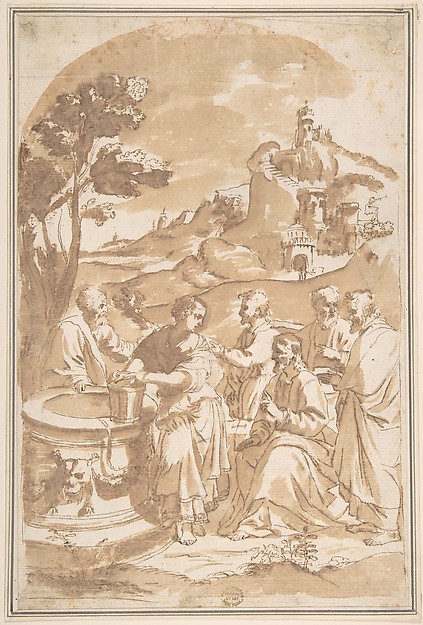
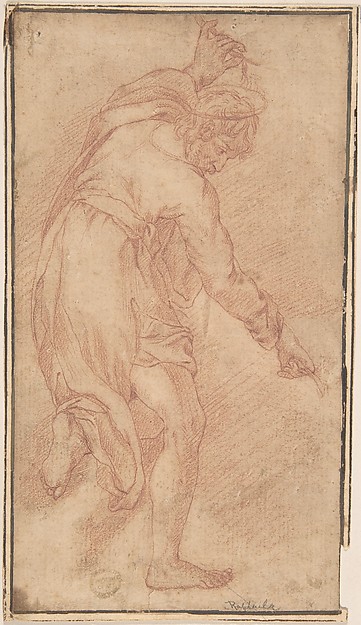
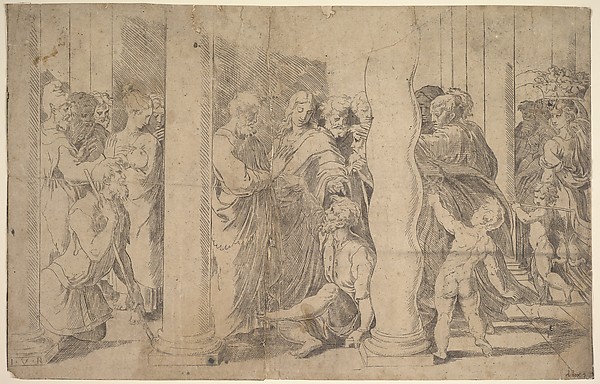
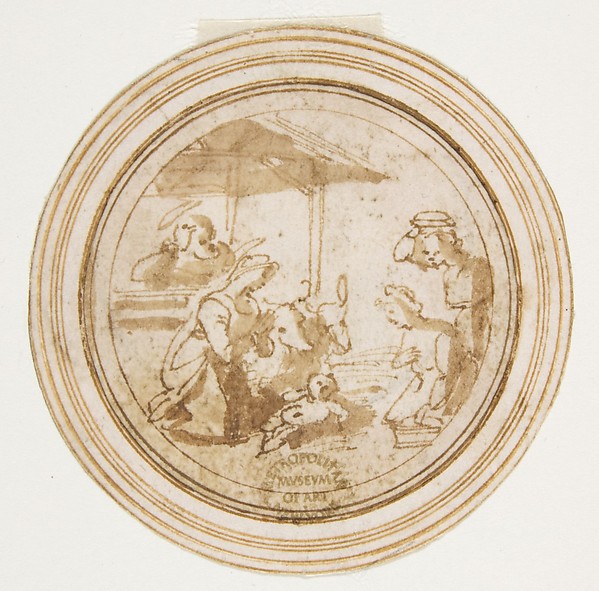
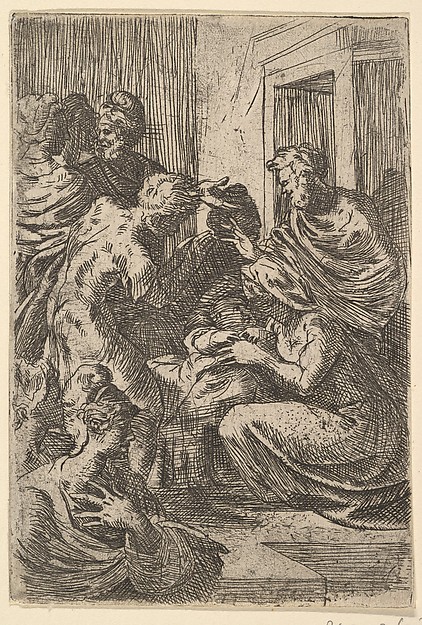
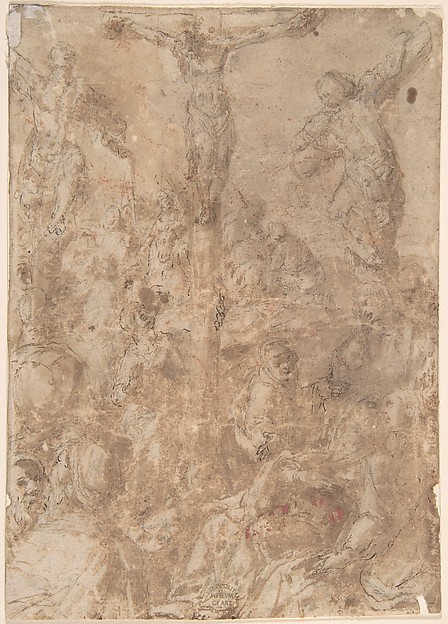
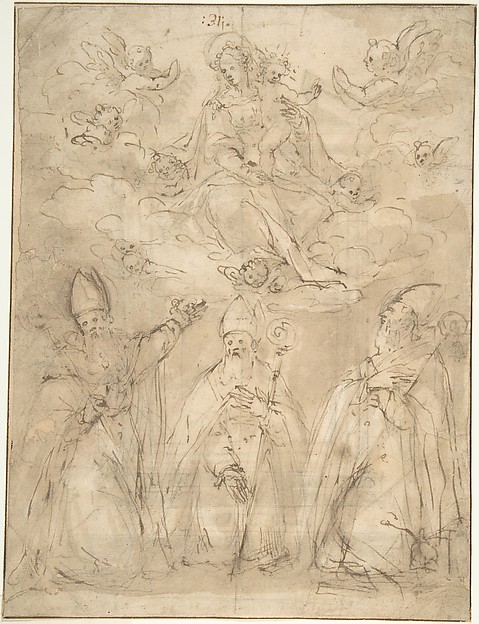
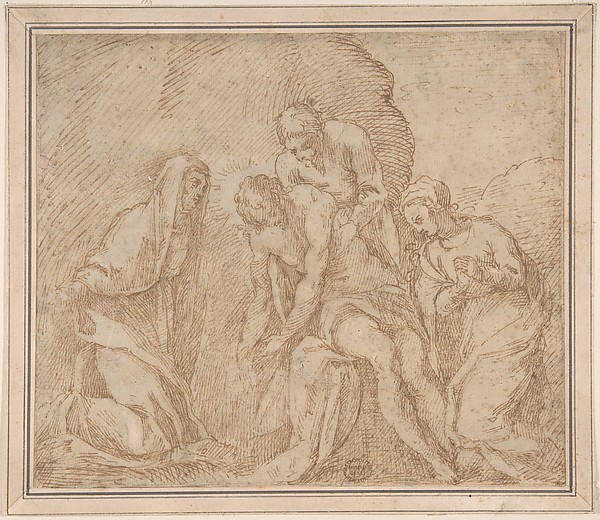
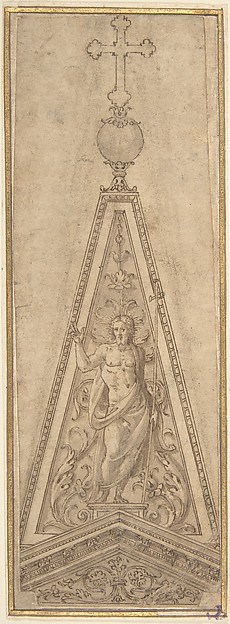
The bulk of the Anonymous Italian 16th-century works in the catalogue are small drawings — preparatory studies, figure exercises, and compositional sketches in pen-and-ink, red and black chalk, and brush-and-wash — that the catalogue can date by paper, technique, and stylistic convention to the broad Italian Cinquecento period without specifying the regional school. Drawings of this kind survive in considerable numbers across the major print-and-drawing collections; many were originally part of bound sketchbooks or workshop pattern books that have been disbound and dispersed across the antiquarian market over the past four centuries, and their original attributions have often been lost in the dispersal.
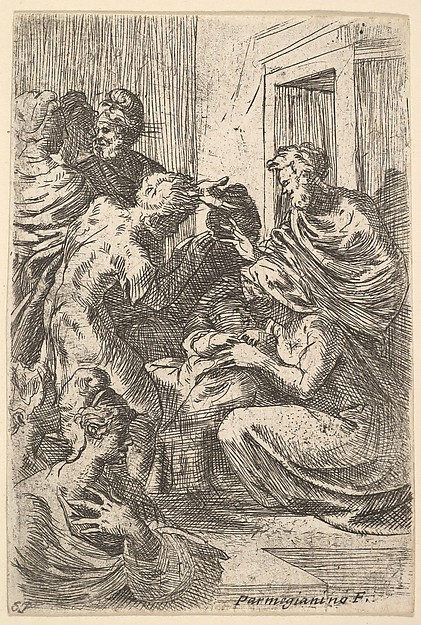
A typical Anonymous Italian 16th-century drawing is a small figural study or a small Madonna-and-Child composition that bears distant stylistic kinship with one or another of the named masters of the period (Andrea del Sarto, Pontormo, Salviati, Bronzino in Florence; Raphael's late workshop, Polidoro da Caravaggio, Cherubino Alberti in Rome; Veronese, Tintoretto, the late Titian in Venice; Parmigianino in Parma; the Cremonese, Mantuan, and Sienese late-Mannerist workshops) without enough specificity to support a confident attribution. Continued scholarly attribution work moves some of these into specific master attributions over time; the remaining group preserves its anonymous status.