Painter of the Bible
Claude Mellan
Claude Mellan was a leading French engraver of the seventeenth century and the principal innovator of the technique of engraving in single unbroken parallel lines — a virtuoso pictorial signature that distinguished his p…
.jpg%3Fwidth%3D600&w=2048&q=75)
Their faith
Why Claude Mellan painted Christ
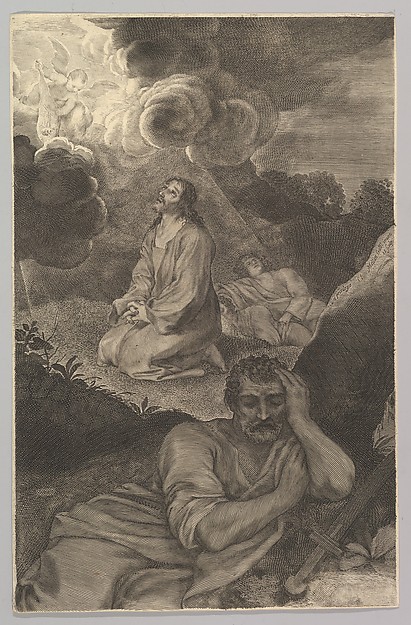
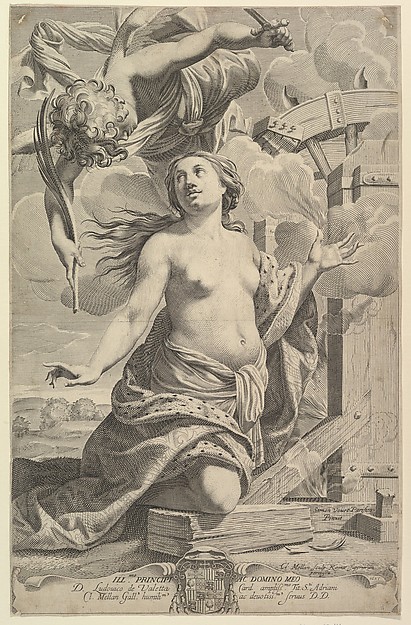
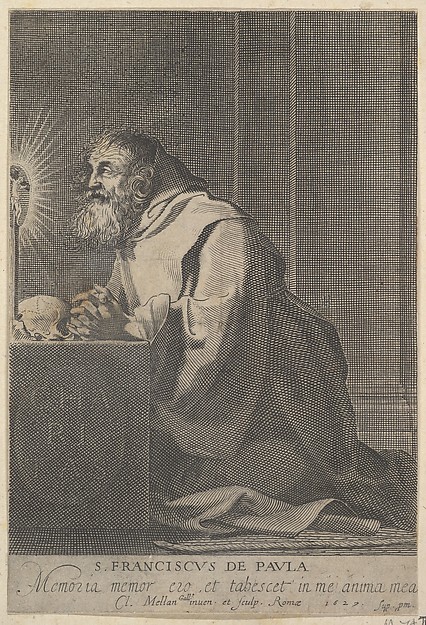
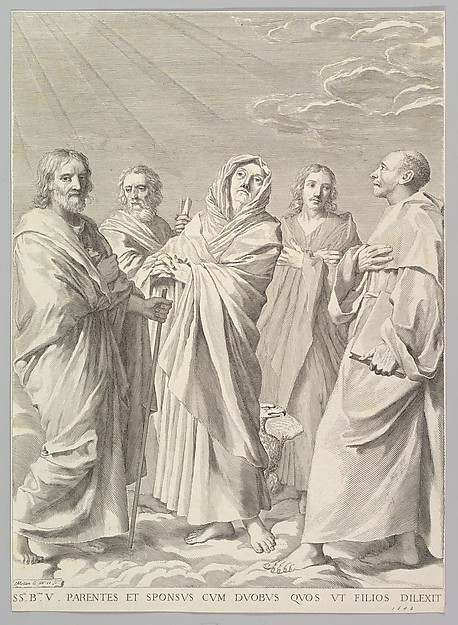
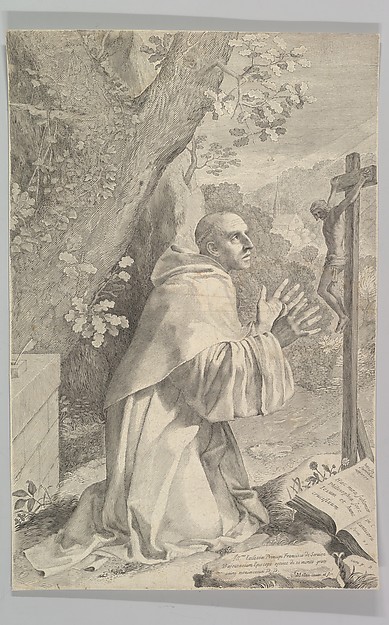
Claude Mellan was a devout Catholic engraver whose artistic journey was deeply intertwined with his faith. Born in Abbeville, France, in 1598, Mellan trained in Paris before dedicating twelve years in Rome, where he was influenced by the Caravaggesque style. His commitment to his craft was not just technical but spiritual, as he created works that served the Catholic Church and its teachings. Mellan's engravings were often commissioned for the French Catholic publishing market, reflecting his devotion to the church and its mission. His artistic practice was a form of worship, and his engravings were a means of communicating the profound truths of the Christian faith to a wider audience.
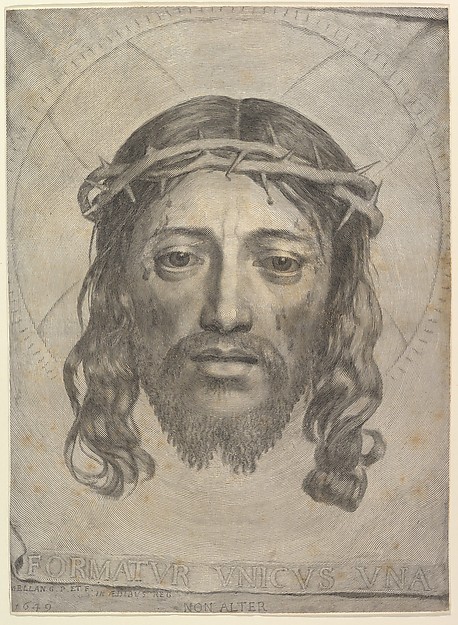
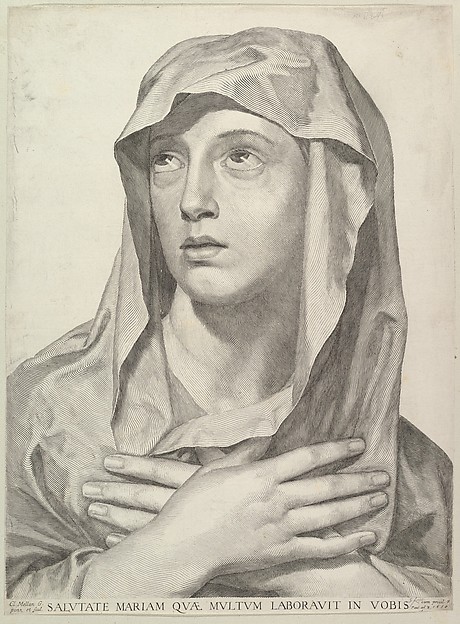
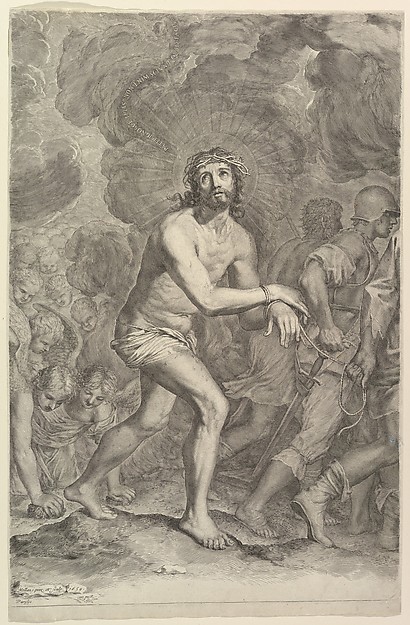
Mellan's faith is beautifully exemplified in his renowned work, "The Sudarium of Saint Veronica" (1649), where he ingeniously captured the image of Christ's face on the cloth of Veronica using a single continuous spiral line. This extraordinary piece not only showcases his technical mastery but also symbolizes the deep reverence he held for the sacred. The way he manipulated the line's thickness to create chiaroscuro effects reveals his understanding of light as a metaphor for divine presence. Through his engravings of Apostles, Evangelists, and Madonnas, Mellan conveyed the beauty and depth of Christian doctrine, inviting viewers to reflect on their own faith. His works continue to inspire and edify, reminding us of the enduring power of art to connect us with the divine, even centuries after their creation.
Life & work
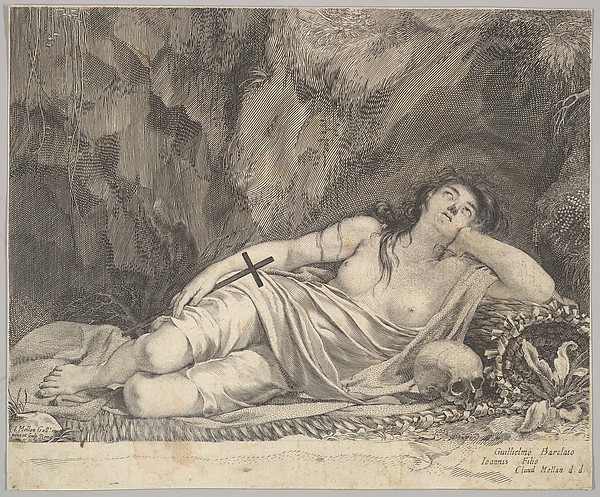
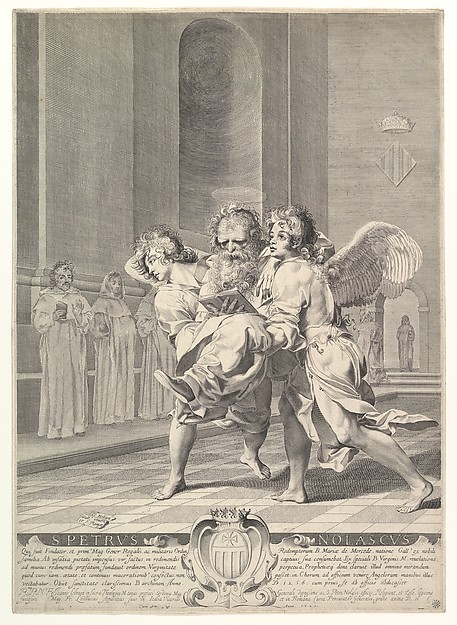
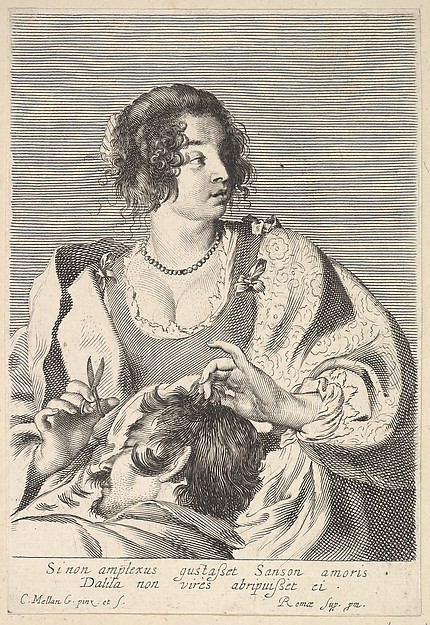
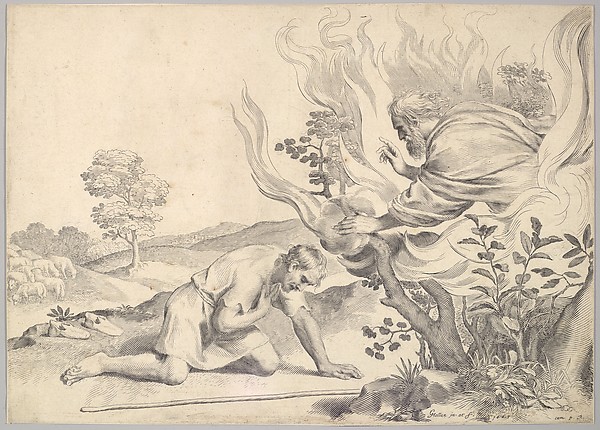
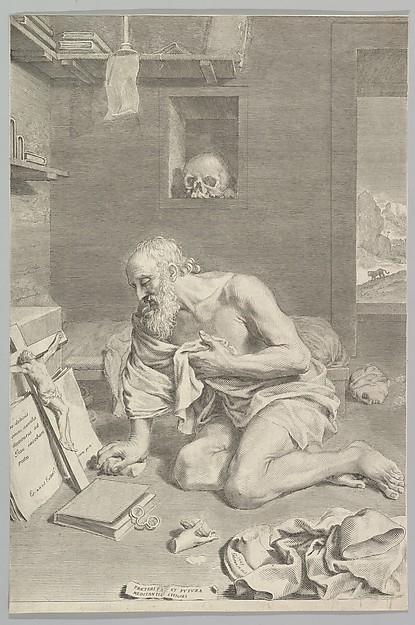
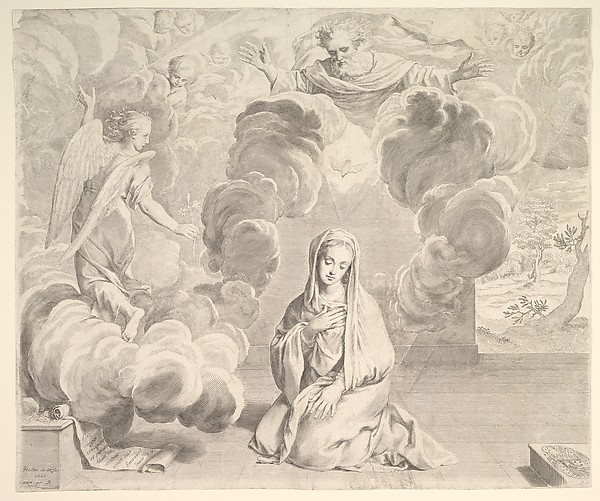
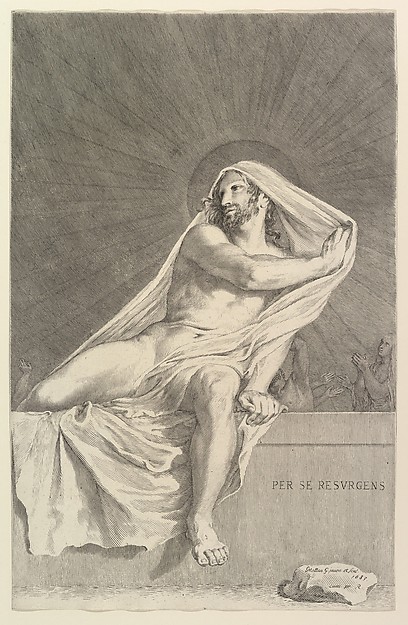
Claude Mellan was a leading French engraver of the seventeenth century and the principal innovator of the technique of engraving in single unbroken parallel lines — a virtuoso pictorial signature that distinguished his prints from every other European engraving tradition of the period. Born in Abbeville in Picardy in 1598, trained briefly in Paris before traveling to Italy in 1624 (where he spent twelve years in Rome working under Francesco Villamena, Simon Vouet, and the Roman Caravaggesque circle), he returned to Paris in 1636 and worked there for the rest of his life. He died in Paris in 1688 at the unusually advanced age of ninety.
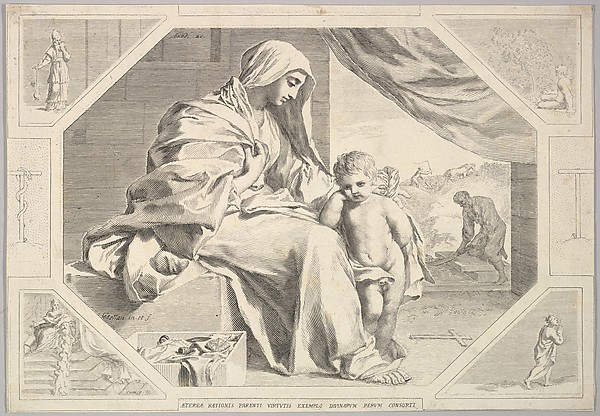
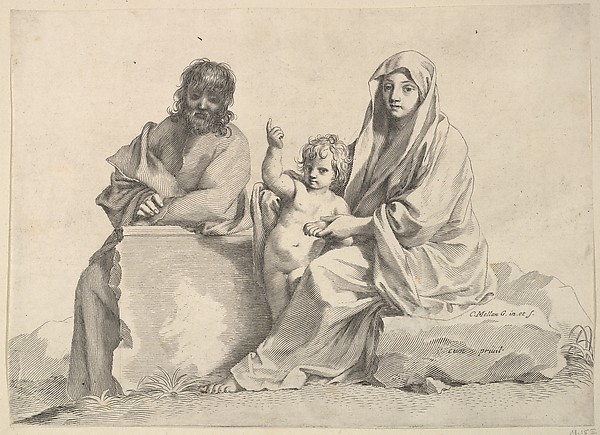
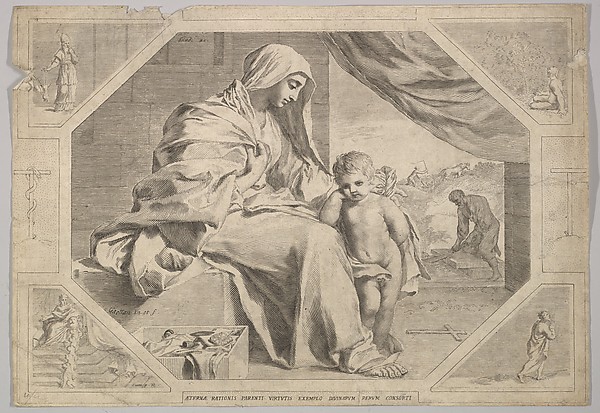
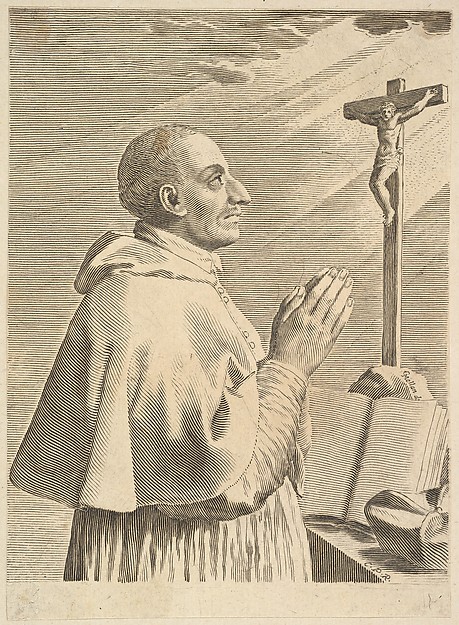
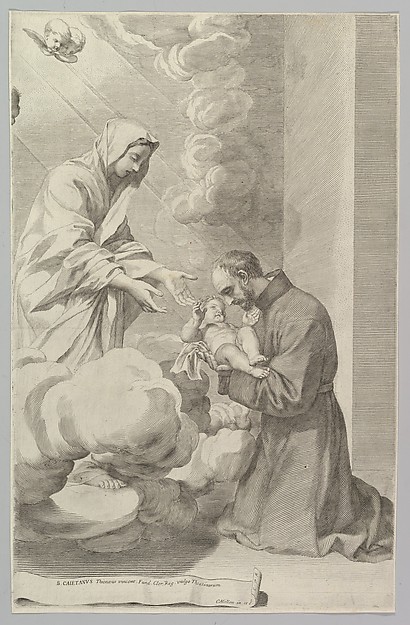
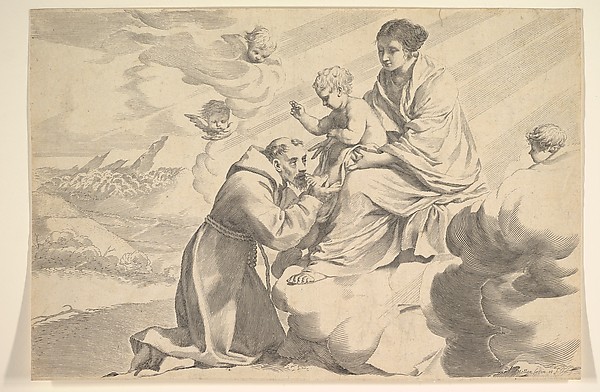
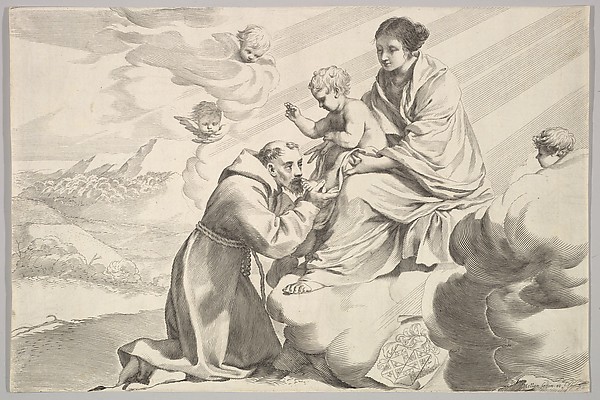
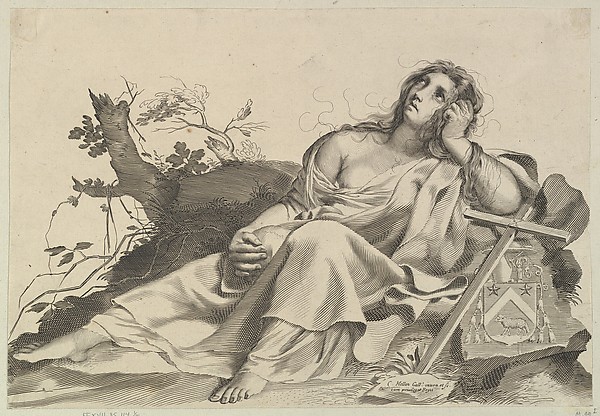
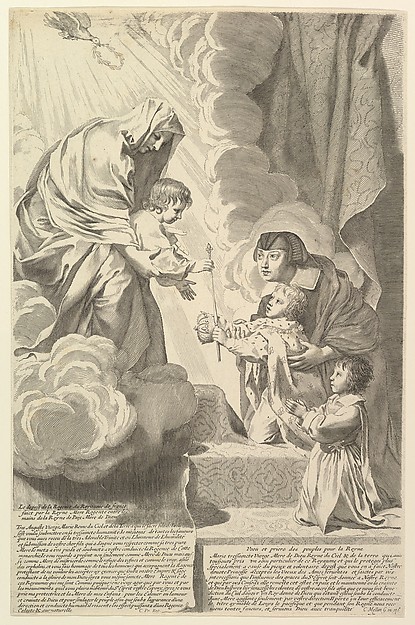
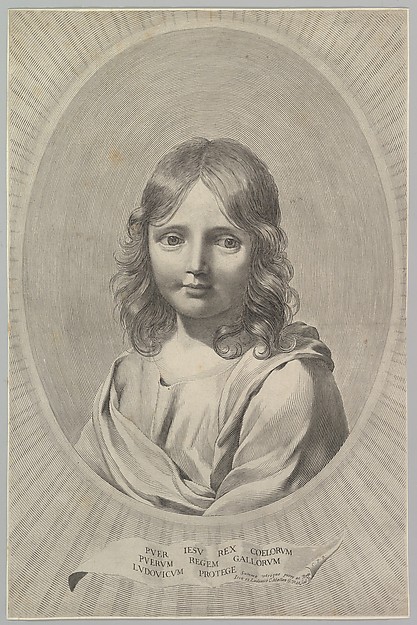
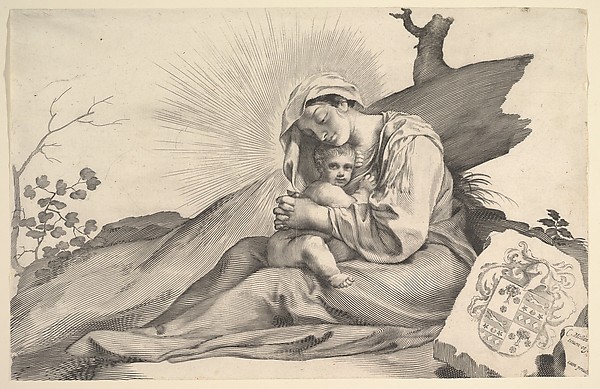
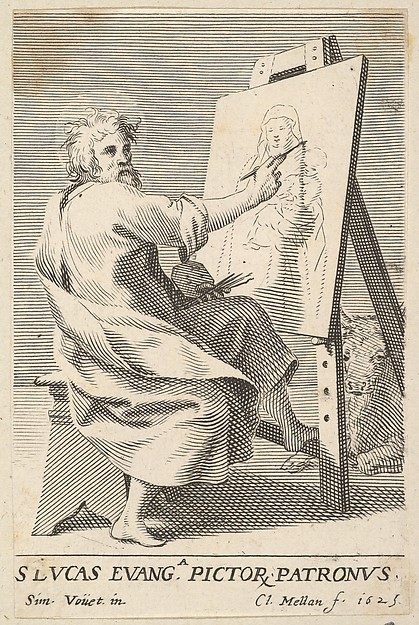
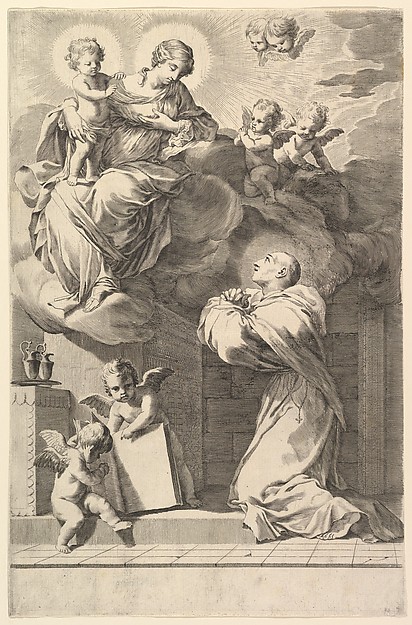
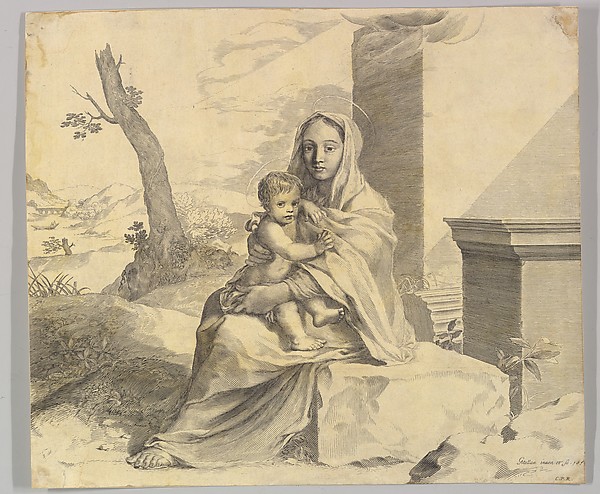
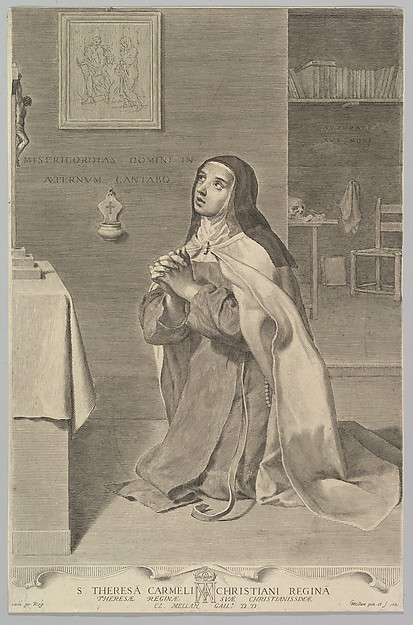
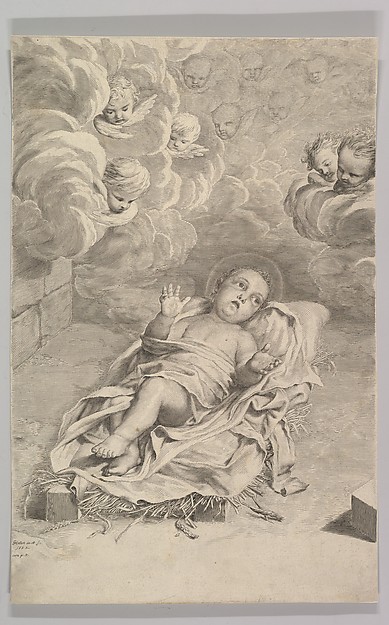
His Christian religious work is concentrated in engraved compositions for the French Catholic publishing market and in the great single-plate religious portraits that became his signature. The Sudarium of Saint Veronica (1649 — Mellan's most famous single plate, an extraordinary technical demonstration in which the entire image of the Holy Face on the cloth of Veronica is engraved as a single continuous spiral line beginning at the tip of the nose and unwinding outward to the edges of the cloth, with the variation in the line's thickness producing the entire chiaroscuro modeling of the face), the great series of Apostles and Evangelists, the Madonnas in workshop variants, the Visitation, and dozens of other religious-portrait engravings circulated through the French Catholic publishing market for over a century.
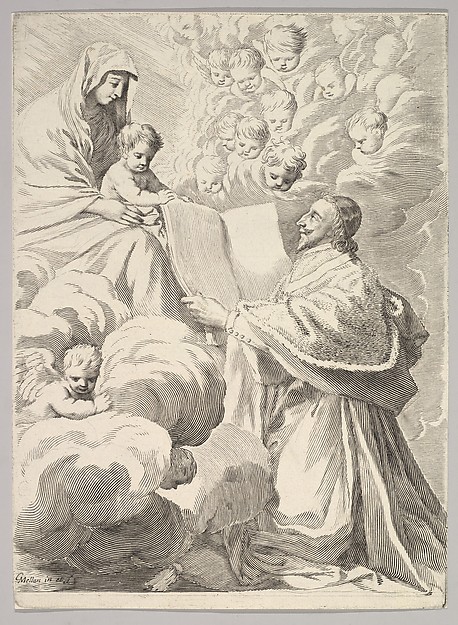
His secular output is equally substantial — court portraits of Louis XIII, Louis XIV, Cardinal Richelieu, Cardinal Mazarin, and the principal seventeenth-century French aristocratic clientele; the great series of Roman antiquities he engraved during his Italian sojourn; the architectural plates for the Paris royal building projects.
The Sudarium of Saint Veronica became the canonical demonstration of his single-line technique and was widely admired in his lifetime as a virtuoso curiosity; the eighteenth-century French academic tradition treated it as one of the supreme technical demonstrations in the history of European engraving.