Painter of the Bible
Georg Pencz
Georg Pencz was a German engraver and painter of the second quarter of the sixteenth century and one of the principal members of the Nuremberg Little Masters — Albrecht Dürer's heirs in Nuremberg who specialized in tiny,…

Their faith
Why Georg Pencz painted Christ
Georg Pencz was a devout Lutheran artist whose faith profoundly influenced his work throughout his life. Born around 1500 in Nuremberg, he trained under the renowned Albrecht Dürer, whose own deep Christian convictions shaped the artistic landscape of the time. Pencz's commitment to his faith was tested in 1525 when he and his contemporaries were tried for their radical Anabaptist beliefs, leading to a brief banishment. However, upon reconciling with the Lutheran council, he dedicated himself to creating art that reflected the theological tenets of the Reformation. His work often served as a medium for spiritual reflection, providing believers with visual access to scriptural narratives and doctrines.
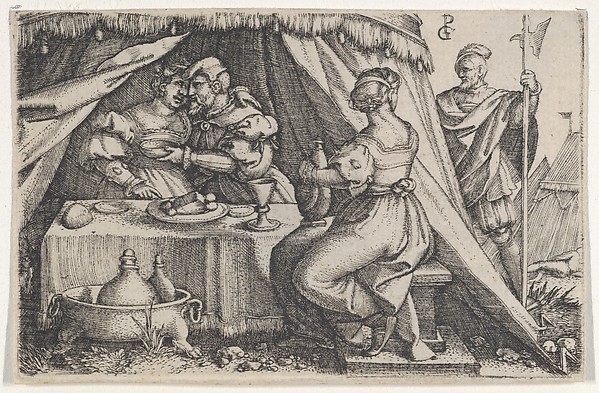
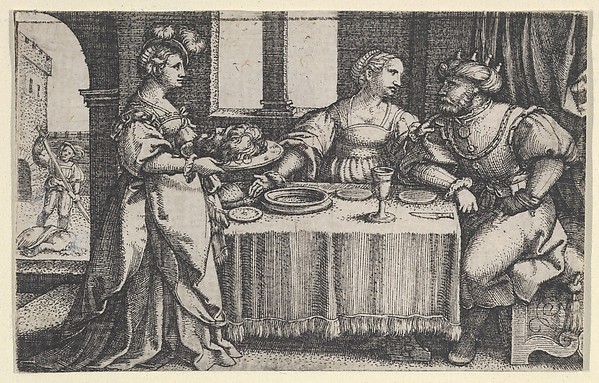
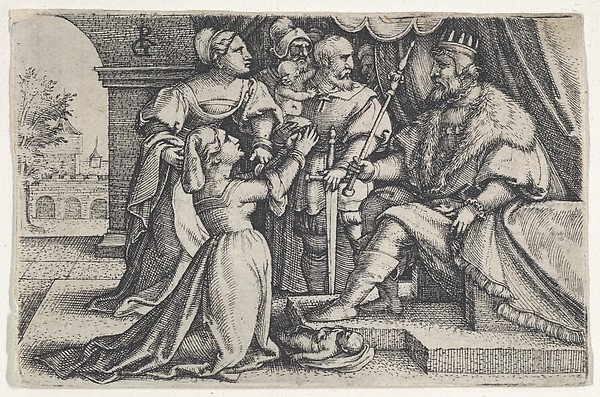
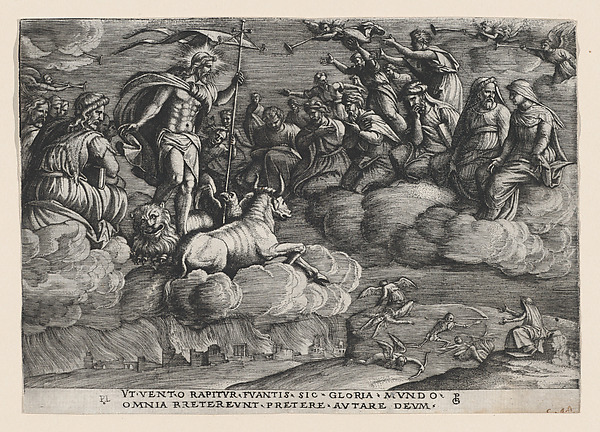
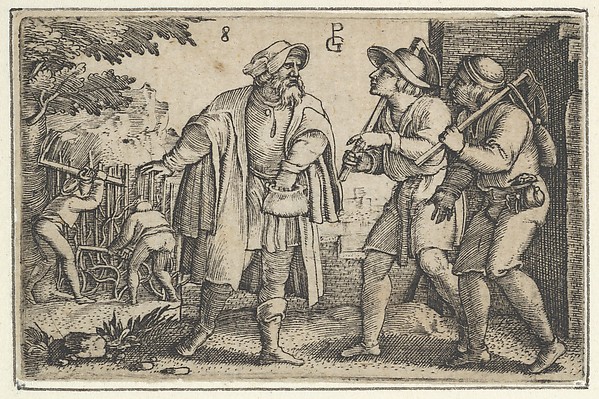
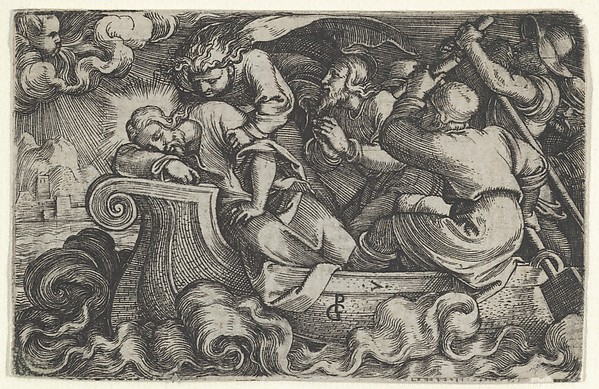
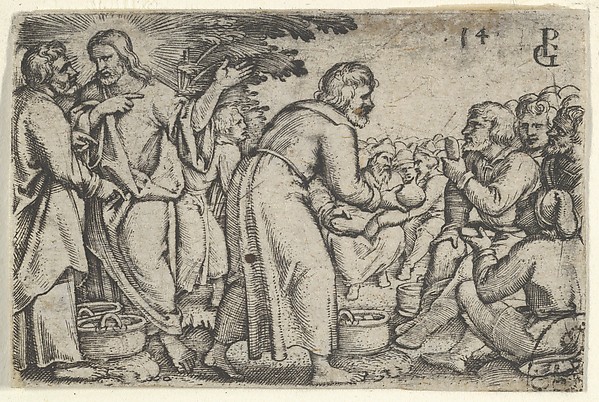
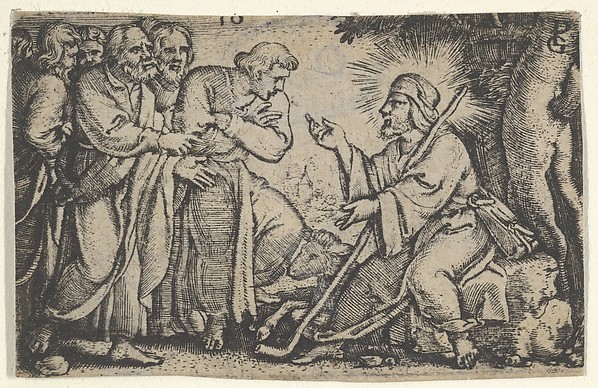
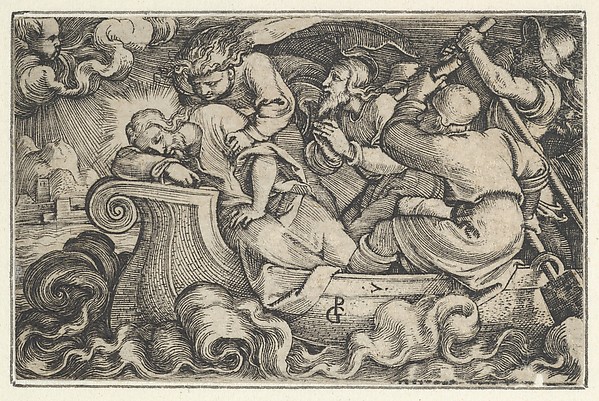
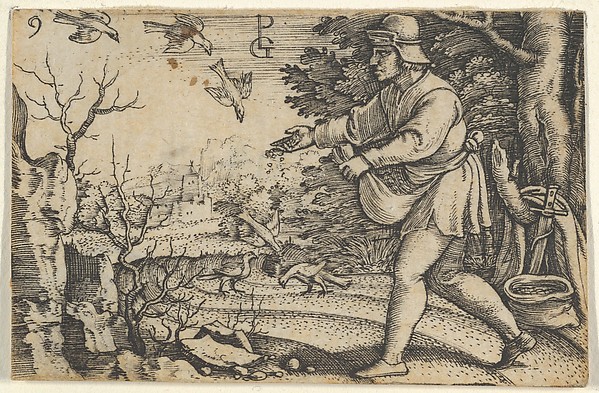
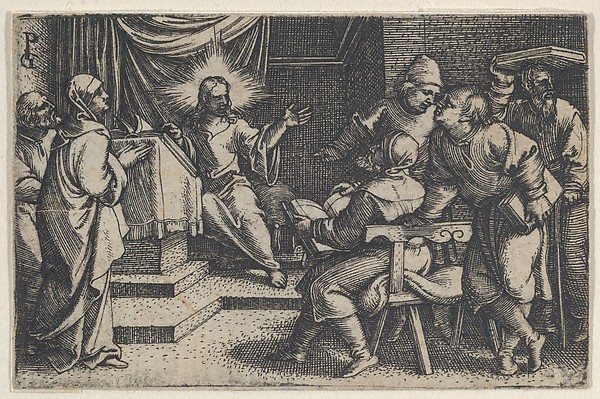
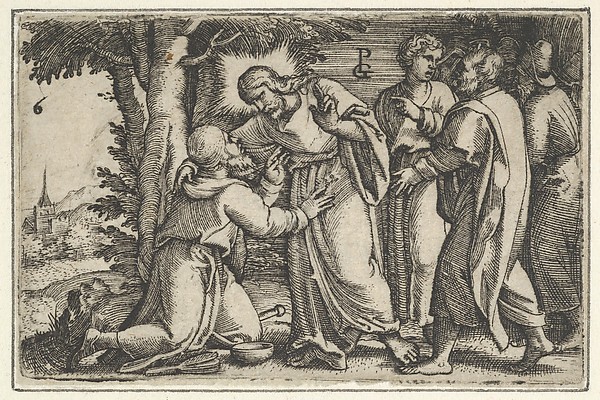
Pencz's artistic contributions are particularly notable in his engravings and woodcuts, which became a vital part of the devotional practices within the Lutheran tradition. His series on the Old Testament, including the Story of Joseph and the Story of David, as well as his New Testament cycles depicting the Passion of Christ, reveal his desire to communicate biblical truths through art. These small-format works were not merely decorative; they were intended to inspire faith and contemplation among viewers. Pencz's ability to blend intricate detail with profound spiritual themes allows his art to resonate with audiences even today, reminding us of the enduring power of faith expressed through creativity. His legacy as a Lutheran artist continues to inspire believers, inviting them to engage with the sacred stories of scripture through his remarkable visual interpretations.
Life & work
Georg Pencz was a German engraver and painter of the second quarter of the sixteenth century and one of the principal members of the Nuremberg Little Masters — Albrecht Dürer's heirs in Nuremberg who specialized in tiny, technically virtuoso engravings on biblical, mythological, and allegorical subjects. Born in or near Nuremberg around 1500, trained in Dürer's workshop in the early 1520s alongside Sebald and Barthel Beham, and tried in 1525 with the Beham brothers for radical Anabaptist beliefs (the three were briefly banished from Nuremberg before being permitted to return on signed promises of conformity to the Lutheran orthodoxy that the Nuremberg city council had adopted), he was active in Nuremberg for most of his career with significant working trips to Italy. He died in 1550 in Leipzig en route to a court appointment at the Königsberg court of Duke Albrecht of Prussia.
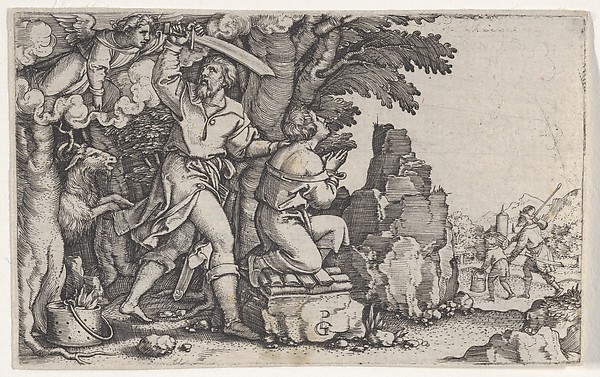
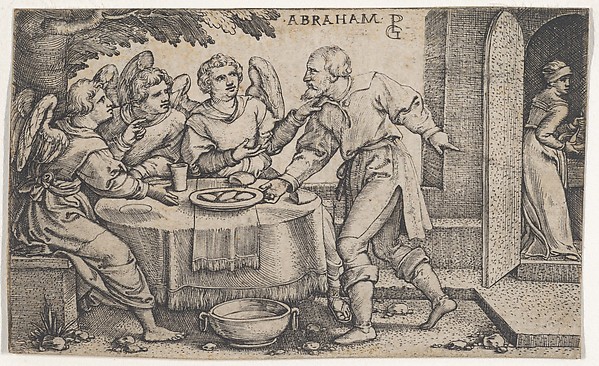
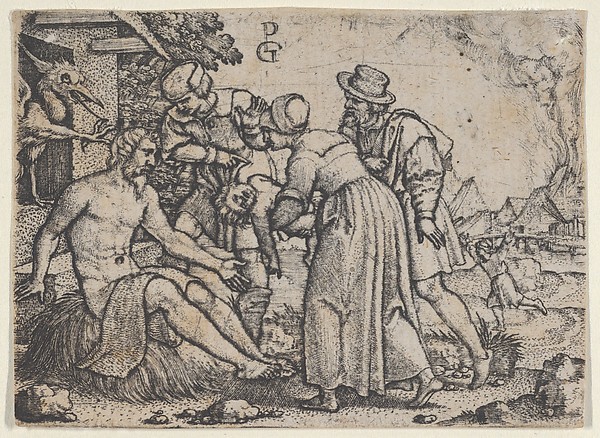
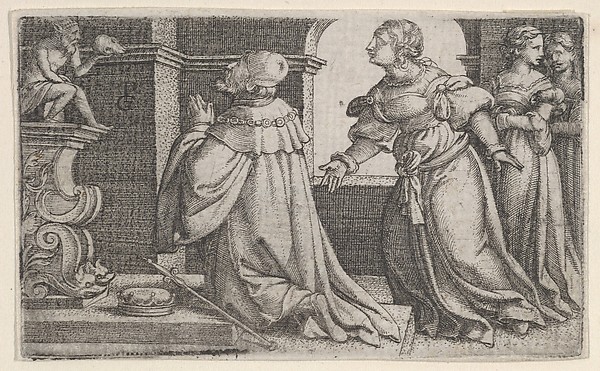
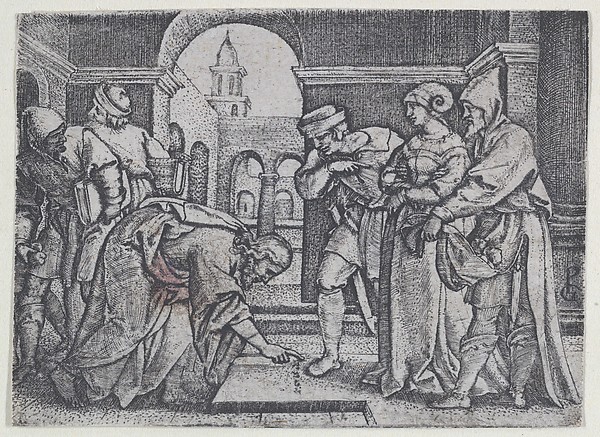
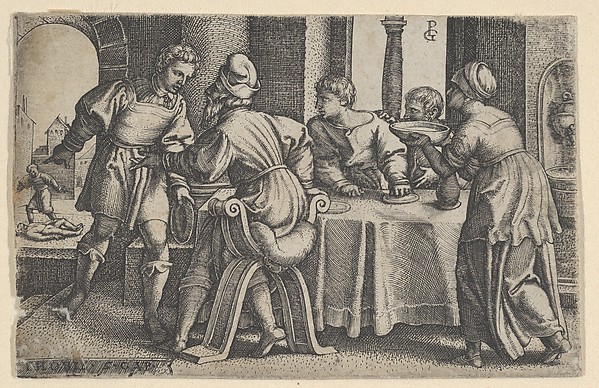
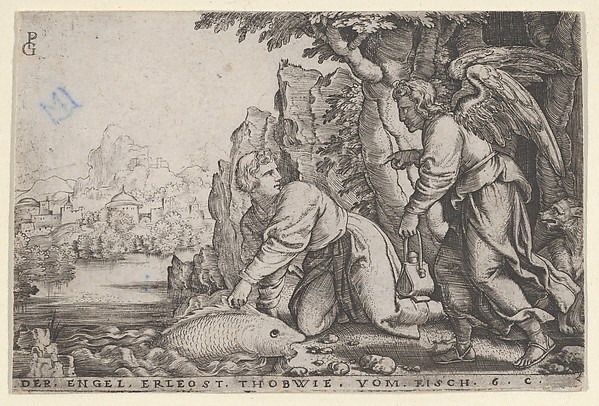
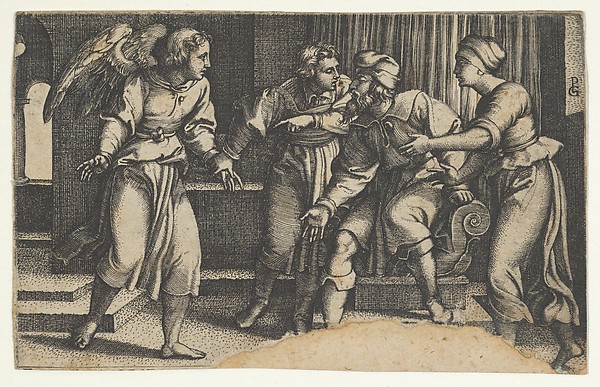
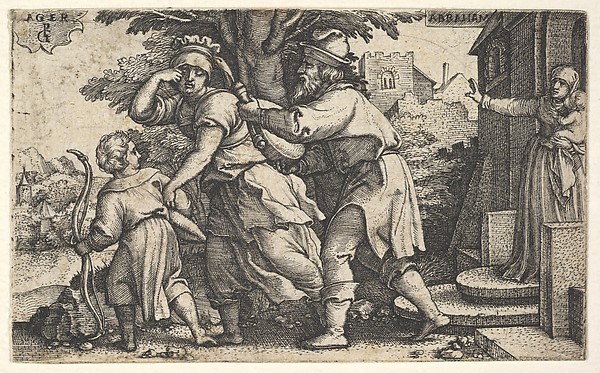
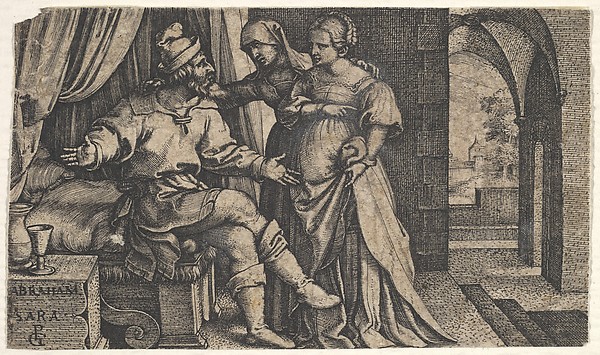
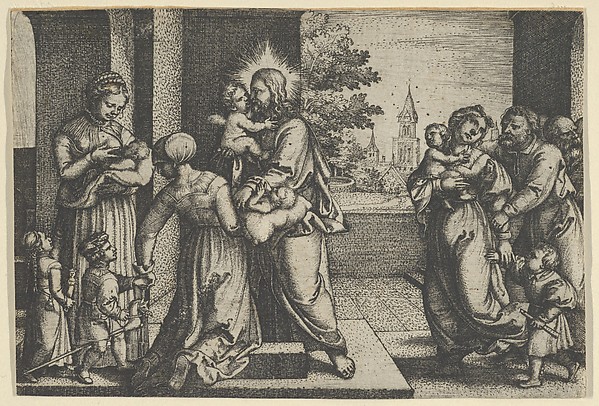
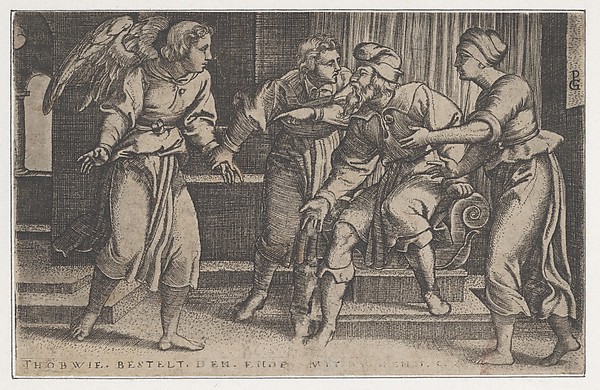
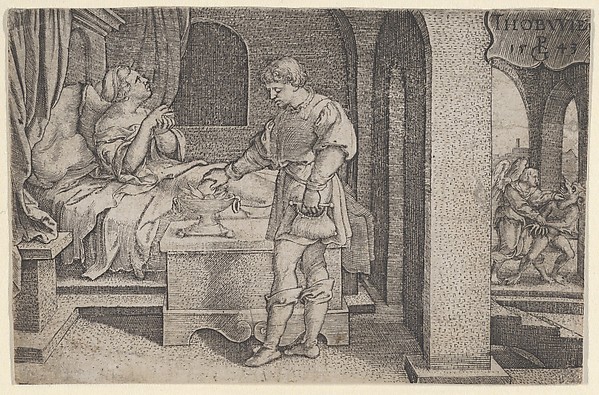
His Christian religious work is concentrated in small-format engravings, woodcuts, and book illustration in the standard Nuremberg Little Master format that Pencz, the Beham brothers, and Heinrich Aldegrever made into the dominant German Reformation devotional print genre of the second quarter of the sixteenth century. The Old Testament series — including the Story of Joseph in twelve plates, the Story of Tobias, the Patriarchs, the Story of David, the Liberation of Susanna — and the New Testament cycles — the Apostles in twelve plates, the Beatitudes, the Lord's Prayer, the Twelve Articles of the Apostles' Creed, scenes from the Passion of Christ — circulated through the German Reformation publishing market in editions for several decades.
His painted output is smaller but includes a substantial body of portrait painting for the Nuremberg patrician clientele in the post-1525 decades when Pencz, having reconciled with the Nuremberg Lutheran council, served as official Stadtmaler (city painter) of Nuremberg. The portraits combine the Nuremberg portrait tradition descending from Dürer with the Italian-portrait conventions Pencz absorbed during his trips to Italy in the 1530s and 1540s.
He was a Lutheran his entire adult life after his 1525 trial. The Pencz workshop produced both confessionally Lutheran prints (with explicit theological content) and broader devotional and allegorical compositions distributed through the Nuremberg printing houses.
Bible scenes Georg Pencz painted
Genesis
Job
1 Kings
Judith
Matthew
John
Tobit
Mark