- Starting price
- ~$18 paperback
- Free tier
- No
- Platforms
- Print · Kindle
- Developer
- Tyndale House
- Launched
- 1993
- Updated
- May 31, 2026
The verdict
A doctrine reference for ordinary readers - 94 crisp entries that each explain one belief in two or three pages. It is the book to keep on the shelf when you want a clear, fast summary of a single doctrine rather than a 1,500-page argument. Broadly Reformed evangelical in vantage; built to be looked things up in, not read straight through.
Try Concise Theology ↗Opens crossway.org
Concise Theology has quietly become the book people reach for when they want to know what a doctrine means without committing to a semester of reading. J.I. Packer - the Anglican theologian best known for Knowing God - wrote it in 1993 as a deliberately compact tour of historic Christian belief: 94 short chapters, each two or three pages, each taking a single doctrine and explaining it in plain English. It is the rare theology book a busy person can use as a reference the same week they buy it.
It is not a systematic theology in the textbook sense. It does not run 1,500 pages. It does not chain its chapters into one long cumulative argument the way a seminary text does. Each entry stands on its own - you can read the chapter on justification, close the book, and come back a month later for the chapter on providence without having lost a thread. The design goal was access, not exhaustiveness, and Packer hit it.
The book is doctrinal, and Packer wrote from a broadly Reformed evangelical position within Anglicanism - the same vantage point that shapes Knowing God. That frame is most visible in the entries on election, the sacraments, and the order of salvation. But the bulk of the book is the shared furniture of historic Christianity - the doctrine of God, the person of Christ, the work of the Spirit, the last things - explained at a level of summary that readers across Catholic, Orthodox, Protestant, and Latter-day Saint traditions can use to get oriented, then go deeper in their own sources.
✓ The good
- The most usable one-volume doctrine reference for non-specialists - each entry is short enough to read in five minutes and clear enough to actually remember
- Ninety-four self-contained chapters - you can look up a single doctrine without reading anything around it, which is how most people actually use the book
- Packer’s prose is unusually clean for the subject - he defines his terms, avoids needless jargon, and never talks down to the reader
- Genuinely finishable - at two or three pages a chapter, a motivated reader can work through the whole of Christian doctrine in a few weeks rather than a year
- Organized by topic into clear groupings (God, man, Christ, salvation, the Church, last things) so you can read a related cluster of entries in one sitting
- Cheap and portable - the paperback runs around eighteen dollars and travels far more easily than a single-volume systematic
- A natural on-ramp to Packer’s deeper books - readers who like a Concise Theology entry can move to Knowing God or to a full systematic for the long version
✗ Watch out
- Short entries are clear but not deep - two or three pages introduces a doctrine; it does not argue it out or engage the major objections
- A reference, not a sustained case - there is no cumulative through-line, so readers wanting one long developed argument will find it fragmented by design
- Distinctly Reformed evangelical in vantage on entries like election and the sacraments - readers from other traditions may want to read those alongside their own tradition’s sources
- No discussion questions or study apparatus - you supply your own pace, your own group structure, and your own follow-up reading
- Light on the original languages and on the historical development of each doctrine - it tells you what the position is, not the centuries of argument behind it
- Not a Bible study - it cites Scripture throughout, but it is organized around doctrines, not around books or chapters of the Bible
Best for
- Readers who want a fast, clear summary of a single doctrine
- New Christians building a first map of the whole of Christian belief
- Small-group leaders who need a quick, reliable definition to prep from
- Anyone who finds full systematic theologies too long to finish
Avoid if
- You want a doctrine argued out in depth rather than summarized
- You want one long cumulative argument instead of standalone entries
- You want a tradition-neutral survey with no Reformed evangelical accent
- You want chapter-by-chapter Bible exposition rather than topical doctrine
What Concise Theology is
Concise Theology is a single-volume guide to historic Christian doctrine, written by J.I. Packer and first published in 1993. It collects 94 short chapters - most two to three pages - each one taking a single doctrine and explaining it in plain English: what the term means, what the position is, and the main passages of Scripture that bear on it. The chapters are grouped by topic into broad sections covering the doctrine of God, humanity and sin, the person and work of Christ, salvation, the Spirit and the Christian life, the Church, and the last things.
Packer (1926-2020) was an English theologian, ordained in the Church of England and later teaching at Regent College in Vancouver, and the author of Knowing God. He wrote from a broadly Reformed evangelical position within Anglicanism, and that vantage shows up most in the entries on election, the order of salvation, and the sacraments. The book’s purpose, stated plainly in its design, is to be a reference an ordinary Christian can actually use - clear summaries of the faith without the length of a full systematic theology.
Why readers keep this one within reach
The single biggest practical difference between Concise Theology and a full systematic is that Packer is not trying to win you over one chapter at a time - he is trying to get you oriented fast. A standard systematic theology builds an argument across hundreds of pages; you are expected to read it in order and carry the cumulative weight forward. Concise Theology inverts that. Each entry is a self-contained summary you can drop into and out of, written so that someone who knows nothing about, say, justification can finish the entry knowing what the word means and where the Bible addresses it. The book brings the doctrine down to the reader rather than asking the reader to climb.
This sounds like a small thing. In practice it changes how the book gets used. Readers do not so much read Concise Theology as keep it - on a desk, in a bag, on a phone - and pull it out when a sermon, a study, or a conversation throws a term they want pinned down. That is the book’s actual product: not a developed argument, but ninety-four reliable, fast, plain-English definitions of the doctrines that ordinary Christians keep bumping into and want explained without a thousand pages of apparatus.
The 94-entry structure: one doctrine per chapter, in two or three pages
Concise Theology is built as 94 short chapters, most of them two to three pages, grouped into broad topical sections. The sections move in the familiar order of a systematic theology - the doctrine of God first (revelation, the Trinity, the attributes), then humanity and sin, then the person and work of Christ, then salvation (calling, regeneration, justification, adoption, sanctification, perseverance), then the Spirit and the Christian life, the Church and its ordinances, and finally the last things. Each entry opens with a short summary statement of the doctrine and a key text or two, then unpacks it in a few tight paragraphs.
The architecture is the feature. Because every chapter is self-contained, the book works as a reference first and a cover-to-cover read second. You can look up a single doctrine in five minutes, or read a related cluster - the four or five entries on the work of Christ, say - in one sitting and come away with a coherent picture of that corner of the faith. A motivated reader can work through all 94 in a few weeks, which is something almost no full systematic can claim. The brevity is the trade: each entry gets you a clear map of a doctrine, not the territory itself.
Packer’s prose: a complex subject made legible
Packer’s writing is the second thing readers tend to mention. He has the gift - rare among theologians - of making a technical subject legible without hollowing it out. He defines his terms the first time he uses them. He keeps sentences from sprawling. He resists the temptation to show his work, which in a reference book is exactly right: you came for the answer, and he gives it to you. The same warm, pastoral voice that carried Knowing God is here, just compressed - the seriousness is intact even when a doctrine gets only two pages.
That compression is the whole craft of the book and also its boundary. Packer can tell you, clearly and reliably, what the doctrine of providence is and why Christians have held it. What he cannot do in two pages is walk you through the major objections, the history of the debate, or the alternative positions in detail - and he does not pretend to. The prose is built to deliver a clean summary, not a developed argument, and readers who understand that going in get exactly what the book is good at.
A reference you finish, then a doorway to deeper reading
The third thing Concise Theology does well is function as an on-ramp. Most readers do not arrive at theology through a 1,500-page systematic; they arrive through a term they did not understand and wanted explained. Concise Theology is built for exactly that reader. The short entries lower the barrier to entry so far that someone with no theological background can get a first, trustworthy map of the whole of Christian doctrine - and, having gotten it, know which corner they want to explore further.
That makes the book a natural companion to deeper works rather than a competitor with them. A reader who likes the Concise Theology entry on the knowledge of God has an obvious next step in Packer’s own Knowing God, which gives the long, devotional version. A reader who wants the doctrine argued out at length can move to a full single-volume systematic. Packer clearly intended the book to send people onward - it is the summary you read first, not the last word you read on anything, and it works best when it is treated that way.
Pricing
Paperback
~$18
The standard edition and the one most readers own. Light enough to keep on a desk and use as a working reference. The copy to buy if you are only buying one.
Kindle
~$13
Full text, searchable, with highlight sync. Genuinely useful for a reference book - being able to jump to the entry you half-remember is most of the value.
Hardcover
~$28
Heavier binding for a copy that will live on a shelf and get pulled down for years. Editions vary by publisher; not always in print.
Used / older edition
~$6-10
The text has circulated through Tyndale and Crossway editions, so used copies are cheap and common. The content is the same; only the cover and pagination differ.
Concise Theology is not free. The standard paperback runs around eighteen dollars in 2026 and is the edition most readers actually own. It is light enough to keep on a desk and use as a working reference, which is how the book earns its keep - and if you are only going to buy one copy, this is the copy.
The Kindle edition at around thirteen dollars is the cheapest new way in, and the searchable text matters more here than it does for most books. A reference is only as good as your ability to find the entry you want, and being able to jump straight to a half-remembered chapter on, say, adoption pays for itself quickly. Highlight sync is a bonus if you study with a notes app.
A hardcover turns up at around twenty-eight dollars depending on the edition and the year, since the book has moved between Tyndale and Crossway printings over time. It is the pick if you want a copy that will survive years of being pulled off a shelf, but it is not always in print, and the text is identical to the paperback.
Because the book has been in circulation since 1993 across multiple editions, used copies are cheap and easy to find - often six to ten dollars. The cover and pagination differ between printings, but the content is the same. Most readers do not need a specific edition; they need a copy within reach. The paperback is the balanced default and the one you will reach for again.
Where Concise Theology falls behind
Not much depth per entry. The two-to-three-page format that makes the book usable also caps how far any single topic goes. Concise Theology will tell you what a doctrine is; it will not argue it out, weigh the major objections, or trace the alternative positions. Readers who want a doctrine developed at length should go to a full single-volume systematic - Wayne Grudem and Millard Erickson both run far longer on each topic for exactly that reason.
No sustained argument. Because each chapter stands alone, there is no cumulative through-line carrying you from the doctrine of God to the doctrine of the last things. That is a deliberate trade for a reference book, but it means readers who want one long, developed case for the Christian faith will find the experience fragmented rather than building.
A Reformed evangelical accent in places. The entries on election, the order of salvation, and the sacraments are written from a broadly Reformed evangelical position. Readers from Catholic, Orthodox, Wesleyan, Anabaptist, or Latter-day Saint backgrounds may want to read those specific entries alongside their own tradition’s sources rather than as the final word.
Light on history and the original languages. The book tells you the position; it largely skips the centuries of debate behind it and the Greek and Hebrew that often anchor the discussion. That keeps the entries short and clear, but a reader who wants to see how a doctrine developed over time, or how it sits on the underlying text, will need other tools.
No study apparatus. The standard editions give you the entries and little else - no discussion questions, no leader’s notes, no recommended reading schedule. The book assumes you will supply your own pace and your own follow-up, which is fine for a reference but less convenient for a group running it as a curriculum.
Concise Theology vs. Grudem’s Systematic Theology vs. Erickson’s Christian Theology
Different books, different jobs. Concise Theology (Packer, 1993) is a reference - short, standalone entries that summarize each doctrine fast, written for the reader who wants the answer and not the seminar. Systematic Theology (Wayne Grudem, 1994; 2nd ed. 2020) is a full single-volume textbook - more than 1,500 pages, written from a clearly stated Reformed Baptist position, with memory verses and discussion questions built into every chapter. Christian Theology (Millard Erickson, 1983; 3rd ed. 2013) is the seminary-standard one-volume systematic in a broadly Baptist evangelical frame - denser and more academic than Grudem, with heavier engagement of philosophical and historical questions.
Different strengths. Packer is the fastest and most accessible - the book you keep on the desk and look things up in. Grudem is the most readable of the full-length systematics and the one most laypeople actually finish. Erickson is the most thorough at engaging the academic debates behind each doctrine. If you want a doctrine summarized in five minutes, reach for Packer. If you want one book that develops the whole of doctrine at length and you intend to read it through, reach for Grudem. If you are in seminary or want the scholarly arguments laid out, reach for Erickson.
All three are widely used across evangelical and Reformed settings, and all three carry an identifiable vantage - Packer Reformed Anglican, Grudem Reformed Baptist, Erickson broadly Baptist evangelical. None is a tradition-neutral survey, and readers from Catholic, Orthodox, or Latter-day Saint backgrounds will find their own positions described from outside in all three. The right pick is less about which is correct and more about how much depth you want and whether you want a reference or an argument.
The bottom line
Concise Theology is the doctrine reference for ordinary readers who want clear, fast summaries of the faith without a thousand pages of apparatus, and the case for owning it is simple: there is almost nothing else that does this job as well at this length. It is short by design, it carries a Reformed evangelical accent in places, and it summarizes rather than argues - those are things to know going in, not dealbreakers. If you want a book you can look a doctrine up in, finish in a few weeks, and use as a doorway to Packer’s deeper work or a full systematic, buy the paperback and keep it within reach.
Alternatives to Concise Theology
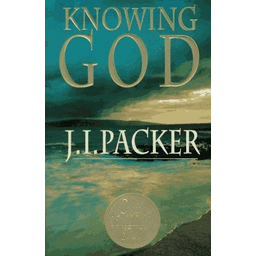 Knowing GodPacker’s 1973 classic on the doctrine of God. The long, devotional version of what Concise Theology summarizes in a few pages - the natural next read if an entry makes you want depth.
 Systematic Theology by Wayne GrudemThe most-used modern single-volume systematic in English-speaking evangelicalism. Far longer than Packer and written to be read through - the book for the doctrine argued at length.Christian Theology by Millard EricksonThe seminary-standard one-volume systematic in a broadly Baptist evangelical frame. Denser and more academic than Grudem, with heavier engagement of historical and philosophical questions.Christian Theology by Alister McGrathA widely assigned textbook that leans into the historical development of doctrine across traditions. A good pairing if you want the centuries of debate Packer’s short entries leave out.
Frequently asked questions
Is Concise Theology a systematic theology?
Sort of, but not in the textbook sense. It covers the same topics a systematic theology does and runs in the same order - God, humanity, Christ, salvation, the Church, last things - but it does it in 94 short, standalone entries rather than one long cumulative argument. It is best understood as a doctrine reference rather than a full systematic you read straight through.
How is it different from Knowing God?
Knowing God is a sustained, devotional treatment of the doctrine of God across 22 unhurried chapters. Concise Theology is a broad, fast reference covering the whole of Christian doctrine in short entries. Same author, same warm prose, very different formats: one goes deep on one subject, the other goes wide and shallow on everything. Many readers own both.
What tradition was J.I. Packer writing from?
Packer was an Anglican theologian, ordained in the Church of England and broadly within the Reformed evangelical stream of Anglicanism. That vantage point most visibly shapes the entries on election, the order of salvation, and the sacraments. The bulk of the book covers the shared doctrine of historic Christianity at a summary level.
How long does it take to read?
Faster than almost any other doctrine book. At two or three pages a chapter, a motivated reader can work through all 94 entries in a few weeks. But most people do not read it cover to cover - they use it as a reference, looking up a single doctrine in five minutes when they need it.
Is there a study guide or discussion questions?
No. The standard editions give you the entries and little else - no built-in discussion questions, leader’s notes, or reading schedule. If you are running it in a group you will need to supply your own structure. For built-in study apparatus, a full systematic like Grudem’s, which has questions in every chapter, is a better fit.
Should I read Concise Theology or a full systematic like Grudem?
It depends on what you want. Read Concise Theology if you want fast, clear summaries you can look up and finish quickly. Read Grudem or Erickson if you want the doctrine argued out at length and intend to work through the whole thing. Many readers use Packer as the quick reference and a full systematic as the deep dive.
Which edition should I buy?
The standard paperback (around $18) is the right default for almost everyone - light enough to use as a working reference. Pick the Kindle edition (around $13) if you want searchable text, which matters a lot for a reference book. Used copies from older Tyndale or Crossway printings are cheap and common, and the content is identical across editions.
Sources & further reading
More Systematic Theology Books
Systematic Theology by Wayne GrudemThe most-used modern systematic theology in English-speaking evangelicalism, and the one most laypeople actually finish - here’s what that readability costs you, and what it buys.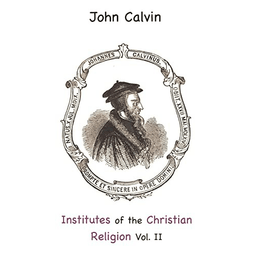 Institutes of the Christian ReligionThe most influential systematic theology of the Protestant Reformation, still in print after almost five centuries - and still one of the most argued-about books in Christian history.
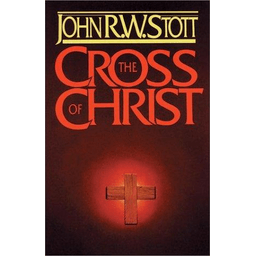 The Cross of ChristJohn Stott’s 1986 masterwork is the book most modern evangelical pastors point to when someone asks what the cross actually accomplished - and four decades later it still earns the recommendation.Reformed DogmaticsA century-old Dutch Reformed masterwork that reads the whole catholic tradition before it argues - magnificent, demanding, and long enough that most readers should start with the one-volume abridgement.Summa TheologicaThe thirteenth-century synthesis that became the backbone of Catholic theology - vast, rigorous, free in the public domain, and almost no one reads it the way it looks like you should.A Body of DivinityThe 1692 Puritan exposition of the Westminster Shorter Catechism - still the warmest, most quotable systematic theology a layperson can actually finish.