Books · 15 reviews
The Best Systematic Theology Books
The whole of Christian doctrine, organized by topic.
Systematic theology organizes all Christian doctrine by topic - God, creation, anthropology, Christology, salvation, the church, eschatology - so you see how each doctrine fits with the others. The Cross of Christ by John Stott is the highest-rated starting point: 500 pages of careful thought on why the cross matters, written by a pastor-scholar for anyone who reads. For a complete systematic theology, Wayne Grudem's Systematic Theology dominates evangelical churches and seminaries; Berkhof's one-volume Reformed classic is leaner and widely used in Reformed and Presbyterian settings. Both are thorough, readable, and built to stay on a desk.
Choose based on theological tradition and length. Grudem reflects broadly evangelical theology; Berkhof is distinctly Reformed; Bavinck's Reformed Dogmatics (4 volumes) is deeper and more historically aware. If you want the classic texts, Institutes of the Christian Religion (Calvin, free) and Summa Theologica (Aquinas, free) are the foundational works that shaped Christianity. Several high-quality systematic theologies are free (public domain) or inexpensive, so you can match depth to your reading commitment.
 Systematic Theology by Wayne GrudemThe most-used modern systematic theology in English-speaking evangelicalism, and the one most laypeople actually finish - here’s what that readability costs you, and what it buys.Free option
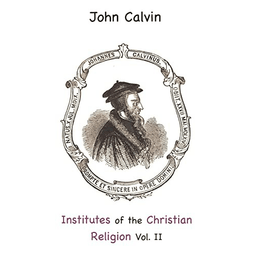 Institutes of the Christian ReligionThe most influential systematic theology of the Protestant Reformation, still in print after almost five centuries - and still one of the most argued-about books in Christian history.
| Book | Rating | Price | Publisher | - |
|---|---|---|---|---|
| Systematic Theology by Wayne Grudem | 4.7 ★ · Editor rating | $59.99 hardcover (2nd ed.) | Zondervan Academic | |
| Institutes of the Christian Religion | 4.7 ★ · Editor rating | Free (Beveridge); $70 Battles edition | Westminster John Knox (Battles), Hendrickson, others | |
| The Cross of Christ | 4.7 ★ · Editor rating | $24.99 paperback | InterVarsity Press | |
| Reformed Dogmatics | 4.7 ★ · Editor rating | ~$45 (1-vol abridged) | Baker Academic | |
| Summa Theologica | 4.7 ★ · Editor rating | Free (public domain) | Various / Public domain | |
| A Body of Divinity | 4.7 ★ · Editor rating | Free (public domain); ~$25 Banner print ed. | Banner of Truth | |
| Concise Theology | 4.7 ★ · Editor rating | ~$18 paperback | Tyndale House | |
| Systematic Theology (Berkhof) | 4.6 ★ · Editor rating | ~$40 hardcover | Eerdmans | |
| Christian Theology (Erickson) | 4.6 ★ · Editor rating | ~$50 hardcover | Baker Academic | |
| Christian Theology: An Introduction | 4.6 ★ · Editor rating | ~$60 textbook | Wiley-Blackwell | |
| Foundations of the Christian Faith | 4.6 ★ · Editor rating | ~$40 hardcover | InterVarsity Press | |
| The Christian Faith | 4.6 ★ · Editor rating | ~$45 hardcover | Zondervan Academic | |
| Systematic Theology | 4.6 ★ · Editor rating | ~$45 hardcover | Crossway | |
| Church Dogmatics | 4.5 ★ · Editor rating | ~$60 (1-vol selection) | T&T Clark | |
| Systematic Theology (Hodge) | 4.5 ★ · Editor rating | Free (public domain) | Eerdmans |
Systematic Theology by Wayne Grudem
The most-used modern systematic theology in English-speaking evangelicalism, and the one most laypeople actually finish - here’s what that readability costs you, and what it buys.
Institutes of the Christian Religion
The most influential systematic theology of the Protestant Reformation, still in print after almost five centuries - and still one of the most argued-about books in Christian history.
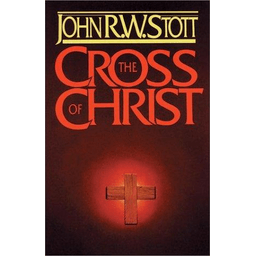
The Cross of Christ
John Stott’s 1986 masterwork is the book most modern evangelical pastors point to when someone asks what the cross actually accomplished - and four decades later it still earns the recommendation.
Reformed Dogmatics
A century-old Dutch Reformed masterwork that reads the whole catholic tradition before it argues - magnificent, demanding, and long enough that most readers should start with the one-volume abridgement.
Summa Theologica
The thirteenth-century synthesis that became the backbone of Catholic theology - vast, rigorous, free in the public domain, and almost no one reads it the way it looks like you should.
A Body of Divinity
The 1692 Puritan exposition of the Westminster Shorter Catechism - still the warmest, most quotable systematic theology a layperson can actually finish.
Concise Theology
J.I. Packer’s 1993 guide compresses the whole of Christian doctrine into 94 two-to-three-page chapters - a doctrine reference you can actually finish, written by the man behind Knowing God.
Systematic Theology (Berkhof)
The one-volume Reformed systematic that taught most of the 20th century’s conservative Presbyterian and Reformed seminarians - tight, ordered, and unapologetically confessional. Here’s what that concision buys you, and what it costs.
Christian Theology (Erickson)
The one-volume evangelical systematic that lays out the competing positions before it picks one - the seminary standard for readers who want to see the whole table before being told where the author sits.
Christian Theology: An Introduction
The most-assigned single-volume theology textbook in the English-speaking university and seminary world - built around the history of how doctrines developed rather than around defending one position, which is exactly what some readers want and exactly what others find too detached.
Foundations of the Christian Faith
A Philadelphia pastor’s four-volumes-in-one tour of Christian doctrine - written for the person in the pew rather than the seminary classroom, and one of the most readable systematics a layperson will ever pick up.
The Christian Faith
A major one-volume systematic theology written from a confessional Reformed vantage and built around the drama of redemption - denser than Grudem, more philosophically engaged, and aimed at the reader who wants the argument, not just the summary.
Systematic Theology
A one-volume Reformed systematic that reads the early church and the ecumenical councils into every doctrine - Robert Letham's Systematic Theology is the rare modern textbook where the church fathers get a vote.
Church Dogmatics
The towering, multi-million-word dogmatics of the 20th century's most influential - and most debated - Protestant theologian, built from the ground up on God's self-revelation in Jesus Christ.
Systematic Theology (Hodge)
The defining statement of 19th-century American Presbyterian theology, free in the public domain and still cited in Reformed seminaries - here’s what the three volumes cost you in length, and what they buy in rigor.
Frequently asked questions
What are the best systematic theology books?
Wayne Grudem's Systematic Theology is the most widely used in English-speaking evangelicalism. For Reformed and Presbyterian traditions, Berkhof's Systematic Theology is standard. For a deep dive into history and Catholic tradition, Bavinck's Reformed Dogmatics. John Stott's The Cross of Christ is the best entry point if you're new to systematic theology.
What's a good systematic theology book for beginners?
John Stott's The Cross of Christ is readable and focused. J.I. Packer's Concise Theology compresses all doctrine into 94 short chapters. If you want a complete one-volume systematic from the ground up, Grudem is clearer than Bavinck but less historically rich.
Are there free systematic theology books?
Yes. Calvin's Institutes of the Christian Religion and Aquinas's Summa Theologica are both in the public domain and foundational. A Body of Divinity (the Puritan Shorter Catechism expanded) is also free and still widely taught. These are older and denser than modern books, but they're excellent and cost nothing.
Do different traditions have different systematic theologies?
Yes. Reformed traditions emphasize divine sovereignty and election; Wesleyan/Arminian traditions emphasize human choice; Catholic and Orthodox traditions include development of doctrine and sacred tradition alongside Scripture. The reviews note each book's tradition so you can find theology written from your own background.