Books · 21 reviews
The Best Christian Classics (Pre-1900)
The books that shaped Christian thought for two millennia.
Christian classics are books more than a century old that still shape how believers read Scripture and live out faith. The Mortification of Sin is a 1656 Puritan handbook on fighting sin that remains the most rigorous treatment of the subject; The Imitation of Christ has outsold almost every Christian book ever written in 600 years; Spurgeon's All of Grace and The Treasury of David are warmly theological works that feel personal even now. Richard Sibbes' The Bruised Reed builds an entire book from half a verse. These aren't museum pieces - they're living books that readers return to year after year.
Start with what your tradition values most. If you're Reformed, The Mortification of Sin or A Body of Divinity (the 1692 Puritan exposition) will feel like home. If you're drawn to mysticism, The Imitation of Christ is foundational. If you want to hear from a preacher, Spurgeon's works sing. Most readers pick one classic and live with it, then add another when ready.
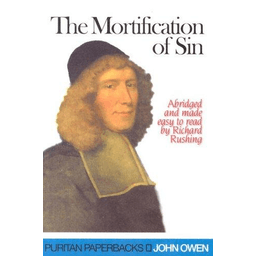 The Mortification of SinThe 1656 Puritan handbook on fighting indwelling sin - still the most rigorous spiritual diagnostic in print, four centuries on.Free option
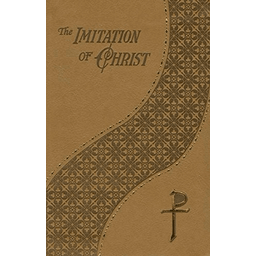 The Imitation of ChristA 600-year-old devotional that has outsold almost every Christian book ever written - and still rearranges the modern reader who is willing to sit with it.Most audience ratings
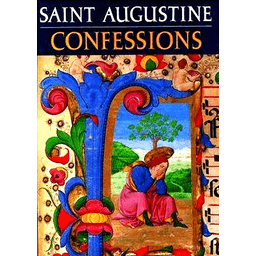 Confessions22 ratings · Open Library rating.
| Book | Rating | Price | Publisher | - |
|---|---|---|---|---|
| The Mortification of Sin | 4.8 ★ · Editor rating | Free; $13 modernized print ed. | Banner of Truth (originals); Crossway (Overcoming Sin and Temptation modernized); Christian Focus | |
| The Imitation of Christ | 4.7 ★ · Editor rating | Free (public domain); $9 print | Various (Penguin Classics, Vintage Spiritual Classics, Aeterna Press, Ignatius Press) | |
| The Practice of the Presence of God | 4.7 ★ · Editor rating | Free; $8 print | Various (Whitaker House, HarperOne, Aeterna Press, Carey Brothers updated translation) | |
| The Treasury of David | 4.7 ★ · Editor rating | Free (public domain); ~$50 print set | Various / Public domain | |
| All of Grace | 4.7 ★ · Editor rating | Free (public domain) | Various / Public domain | |
| The Bruised Reed | 4.7 ★ · Editor rating | Free; ~$8 Banner of Truth print ed. | Various / Public domain | |
| Humility | 4.6 ★ · Editor rating | Free (public domain) | Various / Public domain | |
| The City of God | 4.6 ★ · Editor rating | Free (public domain) | Various / Public domain | |
| Pensées | 4.6 ★ · Editor rating | Free (public domain) | Various / Public domain | |
| Religious Affections | 4.6 ★ · Editor rating | Free; ~$18 Banner of Truth print ed. | Various / Public domain | |
| The Reformed Pastor | 4.6 ★ · Editor rating | Free (public domain); ~$15 Banner abridged ed. | Various / Public domain | |
| The Freedom of a Christian | 4.6 ★ · Editor rating | Free; $10 print | Various / Public domain | |
| The Holy War | 4.6 ★ · Editor rating | Free (public domain); ~$12 print | Various / Public domain | |
| The Saints' Everlasting Rest | 4.6 ★ · Editor rating | Free; $14 abridged print ed. | Various / Public domain | |
| Revelations of Divine Love | 4.6 ★ · Editor rating | Free (public domain); $14 print | Various / Public domain | |
| The Bondage of the Will | 4.5 ★ · Editor rating | Free; $15 print | Various (Baker, Revell, CPH American Edition, Crossway) | |
| Confessions | 4.5 ★ · Open Library rating | Free (public domain); $10 print | Various (Oxford Chadwick, Modern Library Ruden, Penguin, Hackett) | |
| Sinners in the Hands of an Angry God | 4.5 ★ · Editor rating | Free (public domain) | Various / Public domain | |
| The Cloud of Unknowing | 4.5 ★ · Editor rating | Free (public domain); $14 print | Various / Public domain | |
| Theologia Germanica | 4.5 ★ · Editor rating | Free (public domain); ~$12 print | Various / Public domain | |
| The Pilgrim’s Progress | 4.4 ★ · Open Library rating | Free (public domain); $7.99 print | Various publishers (Penguin Classics, Crossway, Banner of Truth, Christian Focus) |
The Mortification of Sin
The 1656 Puritan handbook on fighting indwelling sin - still the most rigorous spiritual diagnostic in print, four centuries on.
The Imitation of Christ
A 600-year-old devotional that has outsold almost every Christian book ever written - and still rearranges the modern reader who is willing to sit with it.
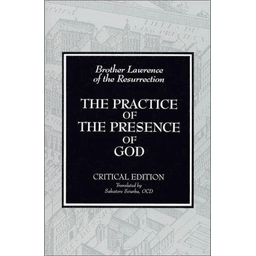
The Practice of the Presence of God
A 17th-century Carmelite kitchen monk’s short, plain talks and letters on staying aware of God in the middle of ordinary work - the smallest devotional classic that keeps outlasting bigger books.
The Treasury of David
Spurgeon spent two decades on a verse-by-verse commentary on all 150 Psalms - his own exposition, centuries of collected commentators, and notes for preachers - and the result is still the first book many turn to when they open the Psalter.
All of Grace
Spurgeon's short 1886 book explaining salvation by grace through faith - written for the anxious and the seeking, given away by the millions, and still the booklet people press into a searching friend's hands.
The Bruised Reed
Richard Sibbes built an entire book out of half a verse - "a bruised reed he will not break" - and four centuries on it is still the tenderest page the Puritans ever wrote.
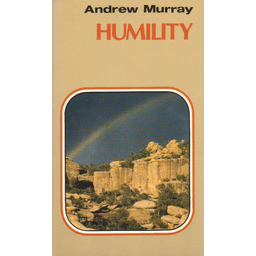
Humility
Andrew Murray's twelve-chapter meditation on humility as the root of every virtue - a hundred-page Victorian classic that readers across traditions still reach for when self keeps getting in the way.
The City of God
Augustine's thousand-page answer to the question 'who broke Rome?' - and the book that taught the West to read history as the story of two loves, if you can find your way through it.
Pensées
The unfinished masterpiece of Christian apologetics that gave us the wager and "the heart has its reasons" - fragments and flashes from one of the great minds of the seventeenth century.
Religious Affections
Jonathan Edwards's 1746 attempt to tell genuine, Spirit-wrought religion from mere emotion - still the most searching book in print on what a real conversion actually looks like.
The Reformed Pastor
The 1656 Puritan charge to ministers to know and personally shepherd every soul in their care - still the most convicting book on pastoral work in print, four centuries on.
The Freedom of a Christian
Luther’s short 1520 treatise on faith, works, and love - built around one of the most quoted paradoxes in Christian history: the Christian is a perfectly free lord of all, and a perfectly dutiful servant of all.
The Holy War
Bunyan’s second great allegory - the town of Mansoul, built by a king, captured by a rebel, retaken by the king’s son - denser and stranger than Pilgrim’s Progress, and overshadowed by it ever since.
The Saints' Everlasting Rest
The 1650 Puritan classic on heaven and the disciplined daily meditation that prepares you for it - written by a man who expected to die before he finished it.
Revelations of Divine Love
A 14th-century English anchoress’s account of sixteen visions of Christ’s Passion and love, and the first book in English known to be written by a woman - six centuries on, still the gentlest of the great mystical classics.
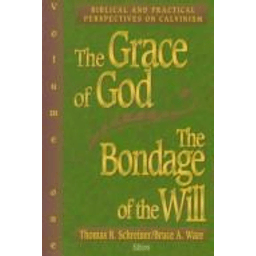
The Bondage of the Will
Luther’s 1525 reply to Erasmus is the book he said he wanted preserved above almost everything else he wrote - a brutal, brilliant, polarizing argument about grace, freedom, and what the human will can actually do.
Confessions
The book that invented spiritual autobiography and still anchors Western Christian thought sixteen centuries later - if you can pick the right translation.
Sinners in the Hands of an Angry God
The most famous sermon in American history - Edwards on the precariousness of the unconverted and the open offer of mercy, still anthologized nearly three centuries on.
The Cloud of Unknowing
An anonymous 14th-century English monk’s counsel to a young contemplative - God cannot be grasped by thought, only reached by love - and one of the strangest, most influential short classics in the Christian contemplative tradition.
Theologia Germanica
A tiny, anonymous 14th-century German treatise on letting go of self-will so God can work - the medieval mystical book Martin Luther printed and praised, still read across Catholic and Protestant lines.
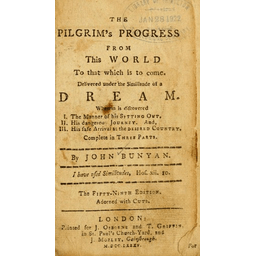
The Pilgrim’s Progress
The 1678 allegory that has outsold every English book except the Bible - still the strangest, sturdiest, most-quoted spiritual road map in the language.
Frequently asked questions
What are the best Christian classics?
The Mortification of Sin (4.8 stars), The Imitation of Christ and Spurgeon's All of Grace (4.7 stars each) are top-rated. The Bruised Reed is also 4.7 stars and remarkable for its depth on a single verse. All are foundational and still in print.
What's a good Christian classic for beginners?
All of Grace by Spurgeon (4.7 stars) is accessible and warm. The Imitation of Christ is also readable, though more contemplative. The Bruised Reed is short but deep. Start with whichever tone appeals to you - theological exposition, devotional, or mystical.
Are Christian classics free to read?
Yes. All of these (and many more) are in the public domain and available free online through Project Gutenberg, Christian Classics Ethereal Library, and Google Books. Print editions are also inexpensive.
Why read 400-year-old books now?
These books have survived because they address timeless truths in beautiful language. The Mortification of Sin still teaches more about fighting sin than modern books. Spurgeon still preaches. The Imitation of Christ still forms souls. Reading them connects you to centuries of believers who read the same page.