- Starting price
- Free; ~$8 Banner of Truth print ed.
- Free tier
- Yes
- Platforms
- Print · Kindle · Web (free) · Public domain
- Developer
- Various / Public domain
- Launched
- 1630
- Updated
- May 31, 2026
The verdict
The gentlest book the Puritans produced - a slow, consoling exposition of Christ’s patience with weak and discouraged believers, and a clear ancestor of every modern book on the tenderness of Christ. The 1630s English takes a few pages to find your footing in; a modern edition smooths the on-ramp for almost any first-time reader.
Try The Bruised Reed ↗Opens monergism.com
The Bruised Reed has quietly become the book that readers reach for when they have run out of strength rather than run out of arguments. Written in 1630 by Richard Sibbes - a Cambridge preacher so consoling in the pulpit that his contemporaries nicknamed him "the sweet dropper" - it has outlived its century, its controversies, and most of the sermons preached beside it. Nearly four hundred years on it is still in print, still quoted by writers who never name it, and still pressed into the hands of believers who feel too weak, too inconsistent, or too far gone to be of any use to God.
It does not argue. It does not lay out a system. It does not try to cover the whole Christian life. It takes a single line - Isaiah 42:3, quoted again of Christ in Matthew 12:20, "a bruised reed he will not break, and a smoldering wick he will not snuff out" - and turns it slowly in the light for the length of a short book. Sibbes wants to know what it means that the Messiah was prophesied as the one who would handle the half-broken gently: who the bruised reed is, why bruising comes before healing, how the faint spark is kept alive rather than stamped out, and why a struggling believer should take more comfort from this than they usually dare to.
Sibbes belonged to the English Puritan stream of the early seventeenth century, and the book carries the marks of that world - its cadence, its pulpit structure, its closeness to the Geneva-Bible English of the day. But its reach has run well past any single tradition. It shaped Richard Baxter, who said reading Sibbes was the turning point of his conversion. It is the openly acknowledged grandfather of Dane Ortlund’s Gentle and Lowly, which mines the same vein. This review walks through what the book actually does, which edition to read, and where its limits sit.
✓ The good
- Singular focus on Christ’s gentleness - the whole book expounds one image (the bruised reed, the smoking flax) and never drifts from it
- The tenderest tone in the Puritan canon - Sibbes was nicknamed "the sweet dropper" for exactly this, and the book earns the name page after page
- Pastorally calibrated for the weak and discouraged - written for readers who feel they are barely holding on, which is rarer in 1630s writing than you would expect
- A foundational source - Baxter credited it with his conversion, and it is the openly acknowledged ancestor of modern books like Gentle and Lowly
- Public domain - the text is free in many formats from Monergism, CCEL, and the Gutenberg ecosystem, in HTML, EPUB, and PDF
- Genuinely short - a slim book of around 120 to 150 pages depending on edition, built in short thematic sections rather than long treatises
- Modernized and lightly updated editions exist - Banner of Truth’s pocket paperback and several updated-language versions smooth the older prose
✗ Watch out
- The original 1630s English takes adjustment - older spelling, longer sentences, and a pulpit cadence most modern readers were never trained to follow
- Single-theme by design - the book is about Christ’s gentleness toward the weak and almost nothing else, so readers wanting range will need to read more widely
- Written from a seventeenth-century pulpit vantage - examples, assumptions, and the occasional polemical aside reflect its moment and can feel distant today
- Sermonic structure rather than tight chapters - it reads as expanded preaching, so the organization is thematic and recursive rather than linear and outlined
- Almost no concrete application machinery - Sibbes consoles and persuades; he does not supply exercises, steps, or journaling prompts
Best for
- Discouraged believers who feel too weak or inconsistent to come to Christ
- Readers who loved Gentle and Lowly and want the Puritan source it grew from
- Pastors and counselors looking for a consoling classic to give away
- Anyone who wants a short public-domain classic they can read for free in any edition
Avoid if
- You want a systematic treatment of Christ’s person and work
- You bounce off seventeenth-century English even in lightly modernized form
- You are looking for a practical workbook with steps, exercises, and prompts
- You want range and variety rather than one theme held for a whole book
What The Bruised Reed is
The Bruised Reed is a short devotional and pastoral treatise - really an expanded sequence of sermons - by the English Puritan preacher Richard Sibbes, first printed in London in 1630. Sibbes preached and wrote it as a working minister at Gray’s Inn and Cambridge, and its subject is the gentleness of Christ toward believers who are weak, faltering, and discouraged. The book runs somewhere between 120 and 150 pages depending on edition and has stayed in print, in one form or another, ever since.
Structurally it is an extended meditation on Isaiah 42:3, the prophecy applied to Christ in Matthew 12:20: "a bruised reed he will not break, and a smoldering wick he will not snuff out." Sibbes works the image patiently - what it is to be a bruised reed, why bruising precedes comfort, what the smoking flax of weak faith looks like, and how Christ tends the faint spark rather than extinguishing it. The result is consolation rather than instruction: the book is built to reassure a struggling reader more than to assign them a program.
Why discouraged readers across traditions still reach for Sibbes
The single biggest practical difference between The Bruised Reed and most books on the Christian life is where it starts the reader. Many books address the believer who is ready to make progress; Sibbes addresses the believer who is convinced they are the exception - too weak, too inconsistent, too often defeated to be welcome. He does not begin by telling that reader to try harder. He begins by showing, line by line, that the Messiah was prophesied precisely as the one who handles the half-broken gently, and that the faintness the reader is ashamed of is exactly the thing Christ is said not to crush. That is a strikingly tender place to begin for a book from 1630.
What has carried the book across traditions is not agreement with every line of seventeenth-century theology. It is the accuracy of its pastoral instinct. Sibbes seems to know, from the inside, the particular discouragement of a believer who fears their weak faith disqualifies them - and he answers it without flattering it and without crushing it. Baxter said the book was the turning point of his conversion. Later writers in very different streams have drawn on it for the same reason: when Sibbes describes the discouraged conscience and then sets Christ’s gentleness against it, the reader’s usual response is relief they did not expect to feel.
The bruised reed and the smoking flax: Sibbes’ governing image
The whole book grows from one prophetic image. Isaiah 42:3, quoted of Christ in Matthew 12:20, describes the Messiah as one who "will not break" a bruised reed nor "snuff out" a smoldering wick - a reed already cracked and a lamp-wick already guttering, both the kind of thing an ordinary person would simply discard. Sibbes takes the two halves of the picture and works them in turn. The bruised reed is the believer brought low - by sin, by sorrow, by a sense of their own weakness - and Sibbes argues that this bruising is not a sign of Christ’s rejection but often the ordinary path into his comfort. The smoking flax is the same person’s faith: not a clear flame but a faint, smoking spark, easily mistaken for nothing, which Christ is said to tend rather than extinguish.
What makes the image do so much work is that Sibbes refuses to let the reader round it off. A smoking wick is genuinely unimpressive; he grants that. Weak faith really is weak; he does not pretend otherwise. The consolation is not that the reader is stronger than they feared but that the strength was never the point - Christ is described as the one who keeps the faint spark alive precisely because it is faint. For a reader used to measuring their standing with God by the brightness of their own flame, the reframing is the book’s central jolt: the smoking flax is not the disqualification, it is the very thing the prophecy says Christ will not put out.
"The sweet dropper": the consoling tone and why it persuades
Sibbes earned a nickname in his own lifetime - "the sweet dropper" - for the consoling quality of his preaching, and The Bruised Reed is the clearest surviving sample of why. The tone is not soft in the sense of vague; Sibbes is doctrinally careful and unsentimental about sin. It is gentle in the older sense: he writes the way a careful physician handles a patient who is already in pain, refusing both false cheer and unnecessary severity. Where a lot of writing aimed at struggling believers either minimizes the struggle or piles on, Sibbes does neither. He names the discouragement exactly, then sets the gentleness of Christ against it at length, and lets the contrast do the consoling.
That tone is the reason the book has had the afterlife it has. Richard Baxter, no soft reader himself, credited Sibbes with the turning point of his conversion, and generations of later writers in different traditions have reached back to him for the same quality. It is also why The Bruised Reed reads as the unmistakable ancestor of modern books on Christ’s tenderness - Dane Ortlund’s Gentle and Lowly openly works the same vein and draws on the same Puritan stream Sibbes helped shape. The lineage is direct: the modern book is gentler in language, but the instinct it is built on is the one Sibbes set down here first.
Original vs. modern editions: which one to actually read
An honest review of any book from 1630 has to address the prose. Sibbes writes in the cadence of early-seventeenth-century English - older spelling, longer periodic sentences, occasional words that have shifted meaning, and a pulpit rhythm built for the ear more than the page. It is markedly more readable than the densest Puritans, but it is still 1630 English, and a fair number of modern readers find the first several pages slow before the ear adjusts. This is not a failing in the reader; it is a real gap between then and now, and treating it as one is part of choosing the right edition.
The good news is that the book exists in several forms and most are easy to get into. The free public-domain text on Monergism, CCEL, and Project Gutenberg is complete and costs nothing, and suits readers comfortable with older prose. The Banner of Truth Puritan Paperback at around $8 is the workhorse copy - pocket format, lightly modernized spelling, a short introduction that sets the historical scene, and the version most readers keep on the shelf. Several updated-language editions go further, gently revising the English and adding section headings that make the recursive sermonic structure easier to follow on a first pass. For a first-time reader of Puritan prose, an updated edition or the Banner paperback is the right starting point; the bare public-domain text rewards a return visit once the cadence is familiar.
Pricing
Free original (public domain)
Free
The 1630 text is in the public domain - Monergism, CCEL, and Project Gutenberg host clean HTML, EPUB, and PDF versions. Best for readers comfortable with older prose unaided.
Banner of Truth paperback
~$8
The classic Puritan Paperback edition - lightly modernized spelling, compact pocket format, an introduction setting the historical scene. The standard reference copy most readers own.
Updated-language edition
~$10-13
Several publishers offer editions with gently updated English and added section headings that make the argument easier to follow on a first read. Best for first-time readers of Puritan prose.
Kindle / ebook
Free-$5
The public-domain text is free on Kindle; lightly edited paid ebooks run a few dollars. Searchable and syncable across devices - the right pick if you highlight and revisit.
The 1630 text is public domain and free in every format worth wanting - Monergism hosts a clean ebook, CCEL has HTML, and the Gutenberg ecosystem carries EPUB and Kindle files. If you are comfortable with older prose, you never have to pay for this book.
For most readers the Banner of Truth Puritan Paperback at around $8 is the copy to own - pocket-sized, lightly modernized spelling, a short historical introduction, and the version most likely to stay on the shelf and get reread. It is the edition marked best value here because it is the one readers keep returning to and because the price is low enough that buying a spare to give away barely registers.
Updated-language editions run roughly $10 to $13 and are worth the small premium for a first-time reader of seventeenth-century prose. They gently revise the English and add section headings that make the book’s recursive, sermon-shaped structure easier to track on a first read.
On Kindle the public-domain text is free, while lightly edited paid ebooks run a few dollars. The ebook is the right pick if you highlight, search, or revisit specific passages. Most readers do not need more than the free text or the Banner paperback to start.
Where The Bruised Reed falls behind
Older English takes adjustment. The 1630s prose - older spelling, longer sentences, pulpit cadence - slows many readers for the first several pages. Modernized and updated editions ease this considerably, but the original is unmistakably a seventeenth-century text and never pretends otherwise.
Single theme by design. The book is about Christ’s gentleness toward the weak and almost nothing else. That focus is its strength, but a reader wanting a fuller picture of Christ - sovereign, judge, king, the whole sweep - will need to read more widely. Sibbes is doing one thing on purpose.
Sermonic, recursive structure. The book reads as expanded preaching, so it circles its theme from different angles rather than marching through a tight outline. Readers expecting numbered chapters with clean takeaways will find the organization looser and more meditative than modern nonfiction.
A seventeenth-century vantage. Examples, assumptions about church life, and the occasional polemical aside reflect the book’s moment. Updated editions footnote or smooth the most dated passages, but the period frame is part of the book and shows through.
No application machinery. There are no exercises, steps, end-of-chapter questions, or journaling prompts in the original. Sibbes consoles and persuades; he leaves the working-out to the reader, so readers who want a structured workbook will need to supply that themselves.
The Bruised Reed vs. Gentle and Lowly vs. The Mortification of Sin
These three get recommended in the same breath, and the family resemblance is real, but they do different work. The Bruised Reed (1630) is the original consolation - a short, gentle, sermon-shaped meditation on Christ’s patience with weak believers, in seventeenth-century English. Dane Ortlund’s Gentle and Lowly (2020) works the same theme in modern language and openly draws on the same Puritan stream; it is the easiest entry point and the warmest on the surface. John Owen’s The Mortification of Sin (1656) turns the other direction entirely - a rigorous diagnostic on how a believer actually fights a known sin, demanding where Sibbes is consoling.
Different strengths. Sibbes is the source. Ortlund is the modern doorway into it. Owen is the harder companion that assumes the comfort and goes to work on the fight. A reader who picks up Sibbes expecting Ortlund’s ease will meet older prose; a reader who picks up Owen expecting Sibbes’ tenderness will find him bracing. The honest recommendation is that readers drawn to this theme often end up with all three and use each for what it does - Sibbes and Ortlund to be consoled, Owen to be put to work.
If you are going to read only one, the choice tracks the question you are actually asking. If the question is "does Christ welcome someone as weak as I feel," Sibbes - or Ortlund if seventeenth-century prose is a wall. If the question is "how do I kill the sin I keep losing to," Owen. None of the three substitutes for the others, and reading Sibbes first tends to make Owen land better, because the comfort comes before the fight.
The bottom line
The Bruised Reed is not the right book for everyone - readers wanting range, a system, or a workbook should look elsewhere, and the 1630s English asks for a little patience up front. But for the believer who is genuinely convinced they are too weak, too inconsistent, or too far gone to be of any use to God, there is still almost nothing that consoles as precisely as Sibbes does here. Start with the Banner paperback or an updated edition, read it slowly, and let the image of the smoking flax do its work; the free public-domain text rewards a return visit once the cadence is familiar. Four centuries on, the sweet dropper still drops sweetly.
Alternatives to The Bruised Reed
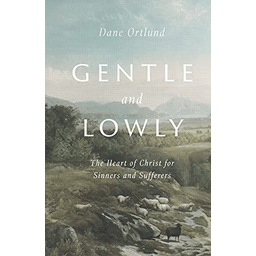 Gentle and LowlyDane Ortlund’s 2020 meditation on Christ’s heart for sinners and sufferers - the same theme as Sibbes in modern language, openly drawn from the Puritan stream Sibbes helped shape. The easiest doorway in.
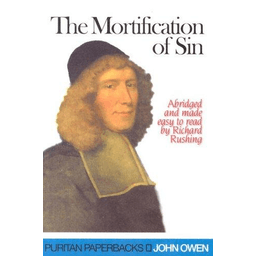 The Mortification of SinJohn Owen’s 1656 diagnostic on fighting indwelling sin - the harder companion to Sibbes. Bracing where The Bruised Reed is consoling; the two pair well, comfort before the fight.
 The Valley of VisionA collection of Puritan prayers in modernized form - the same devotional world as Sibbes, in prayer form rather than exposition. A natural next step for readers who warm to the Puritan voice.The Saints’ Everlasting RestRichard Baxter’s Puritan classic on the believer’s eternal rest - written by the man Sibbes helped bring to faith. Longer and weightier, but from the same consoling tradition.
Frequently asked questions
Do I need the original 1630 text, or is a modern edition fine?
For a first reading, a modern or updated edition is usually the better choice. Several publishers offer gently updated English with added section headings, and the Banner of Truth paperback lightly modernizes the spelling while keeping Sibbes’ own sentences. Once the seventeenth-century cadence is familiar, the free public-domain text reads easily.
How long does it take to read?
The book is short - roughly 120 to 150 pages depending on edition - but it is written to be sat with rather than rushed. A common pace is a short section per sitting over a week or two. Reading it slowly tends to serve the consoling tone better than finishing it in one go.
Is Sibbes only for Reformed or Puritan readers?
No. Sibbes wrote within the English Puritan tradition, but the book’s subject - Christ’s gentleness toward weak and discouraged believers - has been read with appreciation far beyond that world. Specific theological commitments surface in places, but the consoling core of the book speaks broadly, which is part of why later writers across traditions keep reaching back to it.
Is this really the book behind Gentle and Lowly?
It is a clear ancestor. Dane Ortlund’s Gentle and Lowly works the same theme - the tenderness of Christ toward sinners and sufferers - and draws openly on the Puritan stream Sibbes helped set in motion. The Bruised Reed predates it by nearly four centuries and reads as the source the later book grew from; many readers come to Sibbes precisely after finishing Ortlund.
Why was Sibbes called "the sweet dropper"?
The nickname came from contemporaries who found his preaching unusually consoling - it "dropped" comfort on the hearer. The Bruised Reed is the clearest surviving example of that quality: gentle in tone without being vague, doctrinally careful while aimed squarely at reassuring the discouraged believer.
Is it really in the public domain?
Yes - the 1630 text is long out of copyright and freely available from Monergism, CCEL, Project Gutenberg, and others in HTML, EPUB, and PDF. Modern editions such as the Banner of Truth paperback and updated-language versions hold their own editorial copyright on introductions, footnotes, and any revised text.
What should I read after Sibbes?
Two natural directions. For more of the same consolation in modern language, Gentle and Lowly is the closest match; for more of the Puritan voice, The Valley of Vision offers it in prayer form. If you want the bracing counterpart, John Owen’s The Mortification of Sin takes up the fight against sin that Sibbes’ comfort prepares you to wage.
Sources & further reading
More Christian Classics (Pre-1900)
The Mortification of SinThe 1656 Puritan handbook on fighting indwelling sin - still the most rigorous spiritual diagnostic in print, four centuries on. The Imitation of ChristA 600-year-old devotional that has outsold almost every Christian book ever written - and still rearranges the modern reader who is willing to sit with it.
 The Practice of the Presence of GodA 17th-century Carmelite kitchen monk’s short, plain talks and letters on staying aware of God in the middle of ordinary work - the smallest devotional classic that keeps outlasting bigger books.The Treasury of DavidSpurgeon spent two decades on a verse-by-verse commentary on all 150 Psalms - his own exposition, centuries of collected commentators, and notes for preachers - and the result is still the first book many turn to when they open the Psalter.All of GraceSpurgeon's short 1886 book explaining salvation by grace through faith - written for the anxious and the seeking, given away by the millions, and still the booklet people press into a searching friend's hands.
 HumilityAndrew Murray's twelve-chapter meditation on humility as the root of every virtue - a hundred-page Victorian classic that readers across traditions still reach for when self keeps getting in the way.