- Starting price
- Free (public domain)
- Free tier
- Yes
- Platforms
- Print · Kindle · Audiobook · Web (free)
- Developer
- Various / Public domain
- Launched
- 1886
- Updated
- May 31, 2026
The verdict
The book to hand someone who is worried they aren't good enough for God. All of Grace is short, warm, plainspoken, and aimed squarely at the reader who is anxious about their own soul - and because it has been in the public domain for over a century, no one has an excuse not to read it or give it away.
Try All of Grace ↗Opens spurgeon.org
All of Grace has quietly become the book Christians reach for when a friend is genuinely worried about where they stand with God. It is not a systematic theology and it is not an apologetics argument aimed at the skeptic across the dinner table. It is a short, pastoral book that Charles Haddon Spurgeon wrote in 1886 for one specific reader: the person who already half-believes, who is anxious about their own sin, and who cannot shake the suspicion that grace is for other people and not for them.
It does not try to win a debate. It does not lay out a course of study. It does not assume you have read anything before it. It assumes you are tired, that you are afraid you are too far gone, and that you have been told - by your own conscience as much as by anyone else - that you have to clean yourself up before God will have you. Spurgeon spends the whole book taking that assumption apart, gently and persuasively, and replacing it with a single claim repeated a dozen ways: that salvation is a gift, received by trusting Christ, and not a wage you earn by being good enough first.
The book is in the public domain, which matters here. You can read it free in a browser at the Spurgeon Center, CCEL, or Spurgeon Gems, listen to a free audiobook recording, or buy a slim print booklet for the price of a sandwich. It was one of the early titles published by the Moody Press, it has been given away in tract racks and prison ministries and hospital chaplaincies by the millions, and it is still - well over a century after Spurgeon wrote it - one of the first books a pastor hands to someone who says, quietly, that they are not sure God could ever forgive them.
✓ The good
- Aimed at the anxious reader - Spurgeon writes for the person worried they're too sinful to be saved, a reader most theology books never address directly
- Short and finishable - readable in an afternoon, which is exactly why it gets given away and actually read
- Plainspoken and warm - no jargon, no insider vocabulary; Spurgeon explains grace, faith, and repentance in ordinary words
- Public domain - free in print, free as PDF, free as audio, with cheap booklet editions for giving away in quantity
- Persuasive without being pushy - the tone is a tired pastor reasoning kindly with you, not a salesman closing a deal
- Built for handing to a friend - its single purpose makes it the natural book to give a seeking or worried person
- Holds up as a gospel summary - long-time believers reread it when they need their own assurance steadied, not just new ones
✗ Watch out
- Short and evangelistic by design - it explains the gospel to a seeker, so it is not a deep study and will leave a mature reader wanting more
- Victorian idiom - the 1886 English is plainer than most Spurgeon but still carries older phrasing some modern readers find quaint
- Aimed at the seeker and new believer - a reader looking for advanced doctrine or scholarship is not the intended audience
- Spurgeon's Calvinistic accent shows - his Reformed Baptist framing surfaces around grace and the will, which readers will notice
- Single message, repeated - the book hammers one point many ways, which is the design, but can feel repetitive to some readers
Best for
- Someone anxious about whether God could forgive them
- A seeker or new believer who wants the gospel explained plainly
- Anyone looking for a short book to give a searching friend
- A believer wanting their own assurance gently steadied
Avoid if
- You want a deep, chapter-by-chapter study rather than a short read
- You want contemporary apologetics aimed at a skeptic
- Victorian phrasing irritates you and you will not try a modernized edition
- You want advanced theology or scholarship rather than a gospel primer
What All of Grace is
All of Grace is a short evangelistic book - closer to a long pamphlet than a treatise - that Charles Spurgeon wrote in 1886 to explain the gospel of salvation by grace through faith to an anxious or seeking reader. It runs only a handful of brief chapters and can be read in a single sitting. Each chapter takes up one worry or one misunderstanding a person might have about coming to God, states it plainly, and answers it from Scripture in ordinary language.
The book is not addressed to scholars or to skeptics looking for proofs. Spurgeon says in his opening pages that he is writing to the reader who is unsaved and uneasy about it - the person who knows they need something and is afraid the door is closed. From there he works through what grace is, what faith is, why good works cannot earn salvation, what repentance actually involves, and how assurance comes. The whole book exists to move one such reader from fear to rest.
Why people still reach for All of Grace
The single biggest practical difference between All of Grace and most books about the Christian faith is the reader Spurgeon is picturing. Apologetics books picture a skeptic who needs to be convinced God exists. Devotionals picture a believer who already prays. Systematic theologies picture a student. Spurgeon pictures the person sitting in the back, half-convinced and half-terrified, who is sure that everyone else qualifies for grace and they do not. He writes the entire book to that person, by name in his own mind, and the tenderness of it is what readers remember.
That focus is also why the book travels and gets given away. It is short enough to finish, plain enough to follow with no background, and warm enough that it does not feel like an argument being won at the reader's expense. Spurgeon was a Reformed Baptist preacher and his framing of grace and the human will reflects that tradition, but the book's working machinery - you cannot save yourself, Christ has done it, trust Him - is recognizable to readers far outside it. It is the thoughtful person's gospel booklet, and it is the one a pastor can confidently hand to someone who is scared.
Written to the anxious reader, not the skeptic
The premise of the book is its defining feature. Spurgeon opens by telling the reader exactly who he is writing to - not the person debating whether Christianity is true, but the person who already fears it might be and is sure they have missed their chance. He names the worry out loud in the first pages: that you are too sinful, that you have waited too long, that grace is real but not for someone like you. Most books about faith never address that reader at all, because that reader rarely picks up a book. Spurgeon writes the whole thing for them.
This sounds like a small editorial choice. In practice it is the reason the book has been given away by the millions. A person who is anxious about their soul does not need an argument; they need to be reasoned with kindly and shown a door that is actually open. Spurgeon spends chapter after chapter doing exactly that - taking the reader's fear seriously, refusing to scold it, and answering it from Scripture rather than dismissing it. That posture is why chaplains, pastors, and ordinary believers still reach for this title specifically when someone is afraid rather than merely curious.
Grace and faith in plain words
The body of the book is a plain-language walk through the heart of the gospel: what grace is, what faith is, why good works cannot purchase salvation, what repentance actually involves, and how a person comes to rest in Christ. Spurgeon defines his terms as he goes, never assuming the reader knows what words like grace, faith, or repentance mean in a theological sense. He leans on homely images - a doctor and a patient, a debt and its payment, a drowning person and a rope - so that a reader with no church background can follow every step.
The clarity is the craft. Spurgeon was, by most counts, the most-listened-to English-speaking preacher of the 19th century, filling a 5,000-seat tabernacle in London twice each Sunday, and he wrote the way he preached to working-class Londoners: assuming you are tired, distracted, and in need of being shown something rather than lectured at. The plainness is deliberate. He is trying to make sure the one reader he cares about - the anxious one - cannot get lost, and the result is a book that explains the gospel about as simply as it has ever been put on paper.
Short enough to finish - and to give away
All of Grace is brief on purpose. It is a handful of short chapters, readable in an afternoon, and that brevity is not a limitation so much as a design. Spurgeon wanted a book a worried person could actually finish, and a book a believer could afford to buy by the dozen and leave in tract racks, hospital rooms, and prison libraries. It became one of the early titles published by the Moody Press in America, and between cheap printing and public-domain status it has circulated in quantities most books never approach.
This is why the book occupies its particular niche. It is not competing with a study Bible or a systematic theology; it is the thing you hand someone at the moment they are ready to read something but not ready to commit to a course of study. Its length is what makes it get read rather than shelved. Long-time believers often keep a few copies on hand for exactly this reason, and many return to it themselves when their own assurance needs steadying - a short, warm reminder of the ground they are standing on.
Pricing
Free (public domain)
$0
Full text at the Spurgeon Center, CCEL, and Spurgeon Gems; free PDFs and free LibriVox audio recordings
Print booklet
~$6-10
Slim paperback editions from several publishers - cheap enough to buy in quantity for giving away, the standard physical pick
Modernized edition
~$8-12
Lightly updated-language editions that smooth the Victorian phrasing for first-time and younger readers
Kindle / ebook
~$1-5 (often free)
Multiple ebook editions; the public-domain text is frequently free on Kindle, with paid editions adding formatting or notes
Audiobook
~$0-10
Free LibriVox volunteer recordings plus several paid narrated productions; the whole book runs only a couple of hours
There is essentially no pricing decision here. All of Grace has been in the public domain for well over a century, and the full text is free at the Spurgeon Center, CCEL, and Spurgeon Gems, as downloadable PDFs, and as free LibriVox audio. Anyone who wants to read it can do so today at no cost.
If you want physical copies - and many readers do, precisely because the book is meant to be given away - slim print booklets run roughly $6 to $10 and are cheap enough to buy several at a time. Lightly modernized-language editions, which smooth the Victorian phrasing for younger or first-time readers, sit a little higher at around $8 to $12.
Ebook editions are often free on Kindle, since the underlying text is public domain; paid ebook versions in the $1 to $5 range typically add cleaner formatting or light notes. Audiobook options range from free LibriVox volunteer recordings to paid narrated productions around $10, and because the whole book runs only a couple of hours, even the paid versions are an easy listen.
Most readers do not need more than the free text and, if they plan to share it, a small stack of the cheap booklets. Pick the format you will actually put in front of someone.
Where All of Grace falls behind
Not a deep study. All of Grace is a short evangelistic book aimed at a seeker, and it stays there by design. It will not walk you through a book of the Bible, build a doctrine of the atonement, or engage scholarship - a reader looking for depth will finish it quickly and need to go further. That is the book Spurgeon was writing, but it is worth knowing going in.
Victorian idiom. The 1886 English is plainer than most of Spurgeon's pulpit prose, but it is still 19th-century writing, and a handful of phrases and constructions read as old-fashioned to a modern ear. The modernized editions solve most of this for readers who want it solved, but the unaltered text carries its era's cadence.
Aimed at the seeker and new believer. The intended reader is anxious, searching, or newly converted - not the mature reader hunting for advanced material. A long-time believer can still get value from it as a gospel reminder, but they are reading outside the book's target, and the single repeated message can feel basic to them.
A Calvinistic accent. Spurgeon stood in the Reformed Baptist tradition, and his framing of grace and the human will reflects it, especially when he speaks about why a person cannot save themselves. It rarely dominates a chapter, but readers from other traditions will notice the accent, and anyone wanting a framing with no particular theological flavor should know it is there.
One note, many times. The book makes a single claim - salvation is a gift received by faith, not a wage earned by works - and presses it from many angles across its chapters. For the anxious reader that repetition is the point and the comfort; for a reader who grasped it in chapter one, the later chapters can feel like the same ground revisited.
All of Grace vs. Mere Christianity vs. The Reason for God
These three get compared because they are all books people hand to someone exploring faith - but they do genuinely different jobs and picture different readers. All of Grace (Spurgeon, 1886) is the pastoral gospel booklet: short, warm, and written for the person who already half-believes and is anxious about their own soul. It is not trying to convince a skeptic the faith is true; it is trying to convince a worried person that grace includes them.
Mere Christianity (C.S. Lewis, 1952) is the philosophical-imaginative introduction - it argues from the moral law and the shape of human longing toward the Christian God, in prose written for a general radio audience. The Reason for God (Tim Keller, 2008) is the contemporary apologetic - Keller engages modern objections like suffering, exclusivism, and science in the vocabulary of an urban skeptic. Both are aimed first at the head; Spurgeon is aimed first at the frightened heart.
Different strengths. Lewis is best for the curious person who wants to understand what Christians believe and why. Keller is best for the reader who finds Christianity intellectually embarrassing and needs that objection met. Spurgeon is best for the person who already believes it might be true and is terrified it does not apply to them. If your friend's question is "is this true?", reach for Lewis or Keller. If their question is "could this be for someone like me?", reach for All of Grace.
The bottom line
All of Grace is the book to hand someone who is afraid they are too far gone for God. It is short, plain, warm, and aimed with unusual precision at the anxious reader rather than the skeptic or the scholar - and because it has been free in the public domain for over a century, the only cost is the afternoon it takes to read. The Victorian phrasing is the one real friction, and the modernized editions handle that for readers who want it handled. If you know someone quietly worried about where they stand, or you want that reassurance steadied in yourself, this is still the first booklet to reach for.
Alternatives to All of Grace
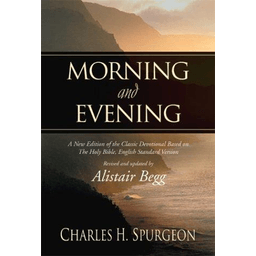 Morning and EveningSpurgeon's twice-daily devotional classic - sermon-shaped, Christ-centered, and like All of Grace, free in the public domain.The Treasury of DavidSpurgeon's monumental verse-by-verse commentary on the Psalms - the deep, lifelong study to his short gospel booklet.
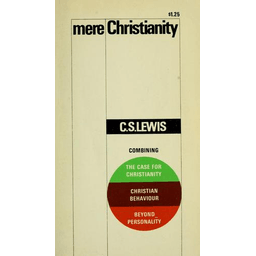 Mere ChristianityC.S. Lewis's ecumenical introduction to the faith - aimed at the curious head where Spurgeon is aimed at the anxious heart.
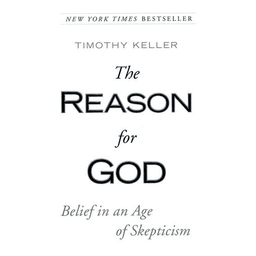 The Reason for GodTim Keller's modern apologetic - answers the skeptic's objections, a companion for the seeker Spurgeon does not target.
Frequently asked questions
Is All of Grace really free?
Yes. The book has been in the public domain for well over a century. The full text is freely available at the Spurgeon Center, CCEL, and Spurgeon Gems, and free audio recordings exist on LibriVox and YouTube. Paid editions are paying for paper, formatting, or modernized language - not for the text itself.
Who is All of Grace written for?
Spurgeon wrote it for the reader who is anxious about their own soul - the person who already half-believes and is afraid they are too sinful, or have waited too long, to be saved. It is not aimed at the skeptic looking for proofs or the scholar wanting depth. It is the book to give someone who is worried God could never forgive them.
Who was Charles Spurgeon?
Charles Haddon Spurgeon (1834-1892) was a British preacher who pastored the Metropolitan Tabernacle in London for over thirty years. He drew weekly crowds in the thousands, published more than sixty volumes of sermons in his lifetime, and is widely referred to as the "Prince of Preachers." He stood in the Reformed Baptist tradition.
How long does it take to read?
Most readers finish All of Grace in a single afternoon. It is a handful of short chapters - closer to a long pamphlet than a full book - and the audio versions run only a couple of hours. Its brevity is deliberate: Spurgeon wanted a book an anxious person could actually finish and a believer could afford to give away in quantity.
Should I read the original or a modernized edition?
If you read older prose comfortably, the original 1886 text is plain and rewarding - it is simpler than most of Spurgeon's pulpit writing. If the Victorian phrasing puts you off, several lightly modernized-language editions smooth it for first-time and younger readers while keeping the substance. Either way the book stays short and the message unchanged.
Will All of Grace work for non-Reformed readers?
For most readers, yes. Spurgeon's Reformed Baptist framing surfaces when he explains why a person cannot save themselves, and readers from other traditions will notice that accent. But the book's core - you cannot earn salvation, Christ has accomplished it, you receive it by trusting Him - is recognizable far beyond his own tradition, which is part of why it has been shared so widely.
Where should I go after All of Grace?
For more Spurgeon, his daily devotional Morning and Evening and his Psalms commentary The Treasury of David are the natural next steps. For an introduction to the faith aimed at the curious or skeptical, C.S. Lewis's Mere Christianity and Tim Keller's The Reason for God are widely recommended. For deeper study, most readers move toward a study Bible and then fuller teaching in their own tradition.
Sources & further reading
More Christian Classics (Pre-1900)
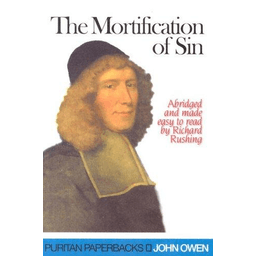 The Mortification of SinThe 1656 Puritan handbook on fighting indwelling sin - still the most rigorous spiritual diagnostic in print, four centuries on.
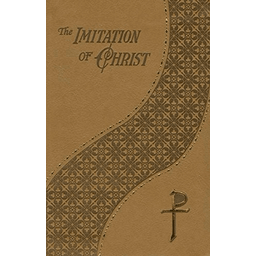 The Imitation of ChristA 600-year-old devotional that has outsold almost every Christian book ever written - and still rearranges the modern reader who is willing to sit with it.
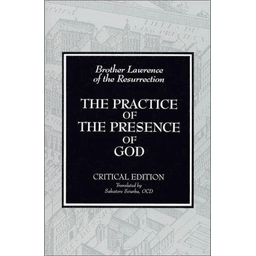 The Practice of the Presence of GodA 17th-century Carmelite kitchen monk’s short, plain talks and letters on staying aware of God in the middle of ordinary work - the smallest devotional classic that keeps outlasting bigger books.The Treasury of DavidSpurgeon spent two decades on a verse-by-verse commentary on all 150 Psalms - his own exposition, centuries of collected commentators, and notes for preachers - and the result is still the first book many turn to when they open the Psalter.The Bruised ReedRichard Sibbes built an entire book out of half a verse - "a bruised reed he will not break" - and four centuries on it is still the tenderest page the Puritans ever wrote.
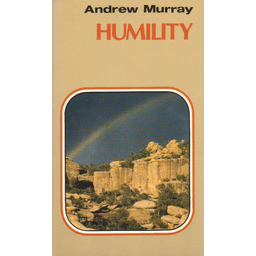 HumilityAndrew Murray's twelve-chapter meditation on humility as the root of every virtue - a hundred-page Victorian classic that readers across traditions still reach for when self keeps getting in the way.