- Starting price
- ~$17 paperback
- Free tier
- No
- Platforms
- Print · Kindle · Audiobook
- Developer
- B&H Publishing
- Launched
- 2015
- Updated
- May 31, 2026
The verdict
A short, intensely practical prayer book built around the idea that prayer is targeted spiritual warfare - and that the enemy attacks specific, predictable areas of your life. Shirer gives you ten of those areas and a written “battle plan” for each. The women’s framing and the warfare metaphor define the book; if both land for you, it’s one of the most usable prayer guides of the last decade.
Try Fervent ↗Opens lifeway.com
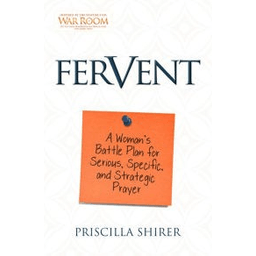
Fervent has quietly become the prayer book people reach for when they want prayer to feel like it is doing something. Published in 2015 by B&H, Priscilla Shirer’s slim hardcover landed the same season she starred as Elizabeth Jordan in the Kendrick brothers’ film War Room - a movie built around an elderly woman’s prayer closet and the idea of praying like you mean it. The book and the film fed each other. War Room hit number one at the box office; Fervent rode the moment to the bestseller lists and has stayed in print and in small groups ever since.
It doesn’t lecture. It doesn’t hand you a theology of prayer and ask you to defend it. It doesn’t even ask you to pray in general. Shirer’s premise is narrower and sharper than that: prayer is a battle, the enemy has a strategy against you specifically, and a vague prayer life is a defenseless one. So she names ten areas where she believes the attacks land - your passion, your focus, your identity, your family, your past, your fears, your purity, your pressures, your hurts, your relationships - and walks you through building a written, specific prayer for each one.
That structure - name the strategy against you, then write a targeted prayer to counter it - is the whole product, and it is the part readers say works. The voice is warm, direct, and unmistakably written for a women’s audience; the framing is broadly evangelical; and the language of spiritual warfare runs through every chapter. Your comfort with that frame will shape your experience, and we’ll get specific about it below.
✓ The good
- Turns “pray more” into something concrete - ten named battle areas, each ending in a written prayer strategy you actually draft, not just read
- Genuinely short and momentum-friendly - chapters are brief by design, built for a reader with twenty minutes and a lot on her mind
- The “write it down” discipline is the real value - Shirer pushes you to put specific, dated prayers on paper, and readers consistently say that is what made prayer stick
- Tone is encouraging without being soft - Shirer treats the reader as a capable adult in a real fight, not a beginner who needs to be coddled
- Tied to a cultural moment people already know - readers who loved War Room get the book that the film’s prayer-closet idea was built on, in Shirer’s own voice
- Strong companion ecosystem - a matching prayer journal, a Bible study with teaching videos, and a leader kit make it one of the easier prayer books to run as a group
- Inexpensive and giftable - the hardcover hovers around $17 and is constantly available used and discounted
✗ Watch out
- Practical, not theological - this is a how-to-pray book, not a theology of prayer; readers wanting sustained biblical exposition or a doctrine of intercession will find little of it here
- The spiritual-warfare frame is load-bearing - the entire book assumes prayer is combat against a personal enemy with named strategies, a register that is emphasized differently across traditions and warmer than some readers’ usual vocabulary
- Written squarely for women - the address, illustrations, and framing assume a woman reader throughout, so it fits that audience far more naturally than a general one
- Anchored to the War Room moment - the book is bound up with a 2015 film, and readers who never connected with that cultural moment lose some of the context the book leans on
- Light on the “why” of unanswered prayer - the battle-plan framing is strong on initiative and specificity but says comparatively little about waiting, lament, or prayers that go unanswered for years
Best for
- Women who want to pray specifically but don’t know where to aim
- Readers who loved War Room and want the prayer method behind it
- Small groups wanting a short book with a matching study and videos
- Anyone who has abandoned unstructured prayer journals and needs a format
Avoid if
- You want a theology of prayer rather than a practical battle plan
- The spiritual-warfare framing is a non-starter for you
- You want a prayer book not addressed specifically to women
- You prefer a quiet, contemplative register over an urgent, strategic one
What Fervent is
Fervent is a ten-chapter prayer book for women, organized not by topic but by line of attack. Priscilla Shirer - a Bible teacher, author, and the daughter of pastor Tony Evans - wrote it as the prayer method behind War Room, the 2015 film in which she starred. Each chapter names an area she argues the enemy targets (your passion, your focus, your identity, your family, your past, your fears, your purity, your pressures, your hurts, your relationships), unpacks how that attack tends to work, and then walks the reader through writing a specific, personal “prayer strategy” to counter it. The book ships with tear-out strategy pages so the prayers become physical artifacts you keep, not abstractions you forget.
The book sits inside a small ecosystem. B&H and LifeWay publish a matching Fervent Prayer Journal, plus a multi-session Fervent Bible study with teaching videos and a leader kit aimed at small groups and women’s ministries. The through-line across all of them is the same: prayer as targeted, written, strategic warfare. The original book is the entry point and remains the best-known piece.
Why readers still reach for Fervent
The single biggest practical difference between Fervent and most prayer books is that it refuses to let prayer stay general. Plenty of books tell a reader that she should pray, or pray more, or pray with faith. Shirer’s move is to insist that vague prayer is the problem - that an enemy with a specific plan against your marriage, your fears, or your sense of identity is not countered by a general “be with me today.” So she makes you name the attack and then draft the counter-prayer in writing. That single design choice - specificity enforced on paper - is what readers point to when they say this is the prayer book that finally worked for them.
The other reason is posture. Shirer doesn’t write like a distant expert; she writes like someone who has been in the fight and is handing you her own tactics. The tone is urgent without being frantic, encouraging without being saccharine, and it treats the reader as a capable adult in a real struggle. For a reader who has felt guilty about a thin prayer life rather than equipped to fix it, that combination - concrete method plus respectful tone - is the thoughtful woman’s on-ramp into sustained, intentional prayer.
Ten battle plans - the strategic structure that defines the book
The spine of Fervent is its ten “battle plans,” each tied to an area Shirer argues is a predictable target: passion, focus, identity, family, past, fears, purity, pressures, hurts, and relationships. Each chapter follows the same arc - describe the strategy being used against you in that area, then build a written prayer strategy aimed precisely at it. The book includes tear-out pages so the finished prayers leave the book and live somewhere you’ll see them: a journal, a mirror, a prayer closet. The reader is not asked to pray well in the abstract; she’s asked to write down a specific, dated prayer about a specific, named pressure in her own life.
This is the engine of the whole book. Before Fervent, the genre had many books urging women to pray and far fewer giving them a repeatable method for aiming those prayers. Naming the attack first is what makes the prayer feel pointed rather than generic, and the write-it-down step is what turns a good intention into something a reader returns to next week. Readers who have given up on free-form prayer journals after three days tend to find that this works - one area, one named strategy, one written prayer.
The War Room connection - the cultural moment behind it
Fervent did not arrive alone. It launched alongside War Room, the Kendrick brothers’ 2015 film in which Shirer plays Elizabeth Jordan, a woman taught by an older mentor to treat her prayer closet like a war room and to fight her battles on her knees first. The film’s central image - a focused, private, strategic place of prayer - is essentially the book in dramatized form, and the book is the method spelled out in Shirer’s own teaching voice. The two were marketed together, and for many readers the book is simply “the War Room book.”
That connection is both the book’s biggest tailwind and a fair caveat. For readers who loved the film, Fervent delivers exactly the prayer practice the movie made them want, with worksheets to actually do it. For readers who never saw War Room or didn’t connect with it, some of the cultural context the book assumes won’t land the same way. The method stands on its own - the tear-out battle plans work whether or not you’ve seen the movie - but the book is unmistakably a product of that 2015 moment, and it reads like one.
A women’s-ministry voice and the warfare frame - what to expect on the page
Shirer writes from a broadly evangelical background and squarely for a women’s audience. That shapes the book in concrete ways: the address assumes a woman reader, many illustrations come from family and marriage, and the central metaphor is spiritual warfare - an enemy with deliberate strategies, prayer as the weapon, and the reader as a combatant who has been fighting without a plan. The language of fighting, strategy, and the “fight in front of you” runs from the first page to the last. Readers who share that register find it galvanizing; the framing is one of the most distinctive things about the book.
Worth noting plainly: the spiritual-warfare frame is shared across many Christian traditions, though it is emphasized and pictured differently from one to the next, and Fervent leans into it heavily. The underlying practice - pray specifically and persistently about named areas of your life - travels well, and readers across evangelical, charismatic, Catholic, Latter-day Saint, and mainline Protestant homes adapt the battle plans to their own theology of prayer. Readers for whom combat imagery and a personal-adversary frame are foreign will feel that emphasis on every page; readers for whom it is the assumed default will barely notice it.
Pricing
Hardcover
~$17
The standard B&H edition; the copy most people own. Widely available used and discounted.
Kindle / eBook
~$10
Full text on Kindle, Apple Books, and Nook. Highlighting syncs across devices.
Audiobook
~$15
Unabridged narration; often included free with an Audible trial. Read by the author on some editions.
Fervent Prayer Journal
~$13
A companion journal built to hold the written battle-plan prayers the book asks you to draft.
Bible Study + Leader Kit
~$30-80
A seven-session study with teaching videos and a leader kit - the version churches and small groups use.
The hardcover at around $17 is the version almost everyone owns, and it’s constantly available used and discounted. For most readers that’s the right purchase - the tear-out strategy pages are part of the design, the book is meant to be written in, and there’s nothing in another format the hardcover lacks.
The Kindle and eBook editions (~$10) carry the full text with syncing highlights, but they lose the one thing that makes the print book work: the physical, tear-out prayer pages. If the write-it-down discipline is the reason you’re buying Fervent, the print edition is the one that actually supports it.
The audiobook (~$15) is unabridged and often free with an Audible trial. It works well for absorbing the chapters, but the book’s core exercise is writing your own battle plans, so listeners will still want paper and a pen nearby - the audio is a companion to the practice, not a replacement for it.
The Fervent Prayer Journal (~$13) and the Bible study with leader kit (~$30-80) are add-ons rather than replacements. Most individual readers do not need them. Get the book first; pick up the journal if you want a dedicated place for the prayers, and the study only if you’re running a women’s group or a class.
Where Fervent falls behind
Light on theology. Fervent is a battle plan, not a doctrine of prayer. Readers wanting sustained exposition - the biblical theology of intercession, how prayer and God’s sovereignty fit together, the kind of careful treatment Tim Keller built in his book on prayer - will find very little of it here. Shirer assumes a framework and gets straight to the method rather than arguing the framework first.
The warfare frame carries everything. The entire structure depends on the premise that prayer is combat against a personal enemy with specific, named strategies against you. That frame is shared widely but pictured differently across traditions, and it is emphasized heavily here. Readers from quieter liturgical, sacramental, or contemplative backgrounds may find the imagery warmer and more militant than their usual prayer vocabulary, even where they share the underlying conviction.
Squarely a women’s book. The address, the illustrations, and the framing all assume a woman reader. That is the book’s intended scope, not a flaw, but it means the fit is narrower than a general prayer guide - a man, or a reader who wants prayer material not gendered in its presentation, will feel that on every page.
Thin on lament and the long wait. The battle-plan posture is strong on initiative, specificity, and taking ground; it is comparatively quiet on prayers that go unanswered for years, on grief, and on the discipline of waiting without resolution. The book is built to mobilize a reader, which is its strength, but readers in a season of silence rather than struggle may want a more reflective companion.
A 2015 artifact. The book is bound up with the War Room film and that year’s cultural moment. The method holds up on its own, but a handful of references and the surrounding context assume a reader who was there for it. A first-time reader a decade later loses a little of what the original audience brought to the book.
Fervent vs. The Power of a Praying Wife vs. Prayer (Keller)
These three get recommended together to women who want a richer prayer life, but they answer different questions. Fervent (Priscilla Shirer) answers “how do I pray strategically against the specific things wearing me down?” - ten named battle areas and a written prayer strategy for each. The Power of a Praying Wife (Stormie Omartian) answers “what specifically should I pray about my husband?” - thirty areas of a spouse’s life with sample prayers to pray as written. Prayer (Tim Keller) answers “what is prayer, and how do I understand and practice it?” - a fuller, more theological book on prayer itself rather than a worksheet.
Different strengths. Shirer is best at mobilizing a reader to aim specific prayers at specific pressures, with the write-it-down discipline built in. Omartian is best at giving a wife concrete words for a spouse she wouldn’t have known how to pray for. Keller is the broadest and most reflective - the right book when the question is the nature and theology of prayer rather than a method to start tomorrow. Many readers end up owning more than one across different seasons.
If the question is “how do I fight specific battles in prayer?”, get Shirer. If it’s “how do I pray for my husband?”, get Omartian. If it’s “what is prayer and how do I think about it?”, get Keller. Shirer and Omartian are practical and devotional; Keller is the theology-of-prayer end of the same shelf. They’re complementary, not competitors.
The bottom line
Fervent is the prayer book that made “strategic, specific prayer” into something a reader can actually do tomorrow morning. The ten battle plans, the named lines of attack, and above all the write-it-down discipline are what readers point to when they say this is the book that finally made prayer stick. It is practical rather than theological by design, written squarely for women, and built on a spiritual-warfare frame that some traditions emphasize more than others. Take it as what it is - a usable battle plan, not a theology of prayer - and for the reader it’s aimed at, it earns its place on the nightstand.
Alternatives to Fervent
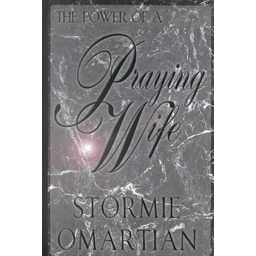 The Power of a Praying WifeStormie Omartian’s 30-area prayer guide for wives - the same practical, sample-prayer category, focused on a spouse.
 Battlefield of the MindJoyce Meyer on the spiritual battle for your thought life - the closest sibling on warfare framing for a popular audience.
 PrayerTim Keller’s fuller, more theological book on prayer itself - the depth end of what Fervent treats practically.
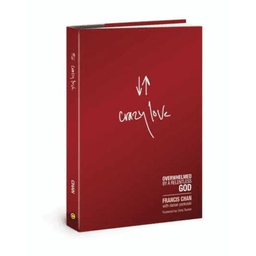 Crazy LoveFrancis Chan’s urgent call to wholehearted devotion - same intensity, aimed at passion rather than prayer method.
Frequently asked questions
How long is Fervent and how long does it take to read?
It’s a short book - about 200 pages across ten brief chapters. Most readers don’t race through it; they read a chapter and then take time to write the battle-plan prayer for that area, so the practical pace stretches over a few weeks rather than a single sitting.
Is Fervent connected to the movie War Room?
Yes. Priscilla Shirer starred in the 2015 film War Room, which centers on prayer and a “prayer closet,” and Fervent released alongside it as the prayer method in her own teaching voice. The two were promoted together, and many readers know the book as “the War Room book.”
Do I need the prayer journal or the Bible study?
No. The original book is complete on its own and includes tear-out strategy pages for the prayers. The Fervent Prayer Journal gives those prayers a dedicated home, and the Bible study with videos and a leader kit is built for women’s groups - both are add-ons, not replacements.
Is Fervent only for women?
It’s written squarely for a women’s audience - the address, illustrations, and framing all assume a woman reader. The underlying method (pray specifically and persistently about named areas of your life) is usable by anyone, but the book’s presentation is aimed at women throughout.
I’m not from a charismatic background. Is the spiritual-warfare language a problem?
The warfare frame is central to the book, and it’s emphasized and pictured differently across traditions. Readers from quieter liturgical, sacramental, or contemplative backgrounds sometimes find the combat imagery warmer than their usual prayer vocabulary. The core practice of specific, written prayer adapts easily to your own tradition’s language if the metaphor isn’t your native register.
How is Fervent different from The Power of a Praying Wife?
Different aims. Fervent is about praying strategically against ten areas of pressure in your own life, with prayers you draft yourself. The Power of a Praying Wife is about praying for a husband across thirty areas, with sample prayers provided. Both are practical and prayer-focused, and many readers own both.
Can I use Fervent for a small group?
Yes, and it’s one of the more group-friendly prayer books. Beyond the book itself, there’s a multi-session Fervent Bible study with teaching videos and a leader kit designed for women’s ministries and classes. Many groups read the book and run the study together.
Sources & further reading
More Christian Living Books
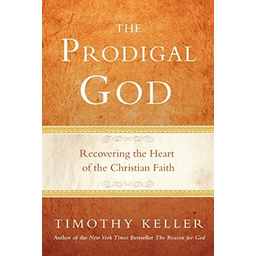 The Prodigal GodTim Keller’s 130-page reading of Luke 15 has quietly become one of the most-gifted Christian books of the last twenty years - and the reason is the title itself.
 Practicing the WayComer’s 2024 follow-up to The Ruthless Elimination of Hurry has quietly become the default spiritual-formation book in a thousand small groups - and the reasons are worth unpacking.
 Walking with God Through Pain and SufferingTim Keller’s most comprehensive book on suffering - part survey of how every culture has tried to explain pain, part biblical theology, part field manual for the people actually walking through it.
 A Grace DisguisedJerry Sittser lost his mother, his wife, and his four-year-old daughter in a single car crash - and the book he wrote about it has quietly become the one grieving people press into each other’s hands, because it refuses to tell you how to get over your loss.
 The Ruthless Elimination of HurryJohn Mark Comer’s 2019 breakout - a pastor’s case that hurry is the great spiritual enemy of our age - has quietly become the go-to slow-down book for an exhausted generation of Christians. Here’s what it actually delivers, and where it doesn’t.
 Don't Waste Your LifeJohn Piper's 2003 manifesto against drifting through a comfortable life has quietly become the book that wrecks twenty-somethings in the best possible way - and it's still free as a PDF.