- Starting price
- ~$20 paperback
- Free tier
- No
- Platforms
- Print · Kindle · Audiobook
- Developer
- InterVarsity Press
- Launched
- 2006
- Updated
- May 31, 2026
The verdict
Sacred Rhythms has quietly become the book pastors and spiritual directors hand to people who are running on empty. It is gentle, practical, and built around exercises rather than arguments - a guided on-ramp to solitude, scripture, prayer, examen, sabbath, and discernment. Most readers find it warm and doable; a few find its contemplative practices unfamiliar and its pace slower than they expected.
Try Sacred Rhythms ↗Opens ivpress.com
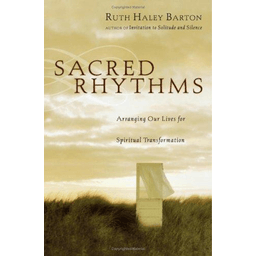
Sacred Rhythms is Ruth Haley Barton’s 2006 guide to ordering a life around spiritual practices - what she calls arranging your life for spiritual transformation. Barton is the founder of the Transforming Center, an organization that works with pastors and church leaders on their own formation, and she writes from years of watching capable, sincere Christians burn out doing good work at an unsustainable speed. The book is her answer to a question she gets constantly: not “what should I believe?” but “how do I actually live so that real change has room to happen?”
The book is not a theology of the spiritual disciplines. It is not a survey of church history. It is not a productivity system dressed in religious language. It is closer to a patient, hands-on workshop on paper - each chapter introduces one practice, explains how it has worked in the Christian tradition, and then walks you into trying it for yourself with concrete exercises and reflection prompts. The practices Barton covers are the durable ones: solitude and silence, scripture read slowly (lectio divina), prayer, the prayer of examen, honoring the body, sabbath, and discernment.
Since 2006 it has become a standard pick for individuals, small groups, spiritual-direction relationships, and retreat settings. There is a companion DVD and group experience, and the book is frequently assigned in formation programs alongside Barton’s related titles. What you actually get is a slim, readable volume - a couple hundred pages - that assumes you are tired, distracted, and a little skeptical that any of this will fit your life, and then gently shows you that it can.
✓ The good
- Practical to a fault - every chapter ends with an exercise you can actually do, not just a concept to admire, which is why it works so well for small groups and spiritual direction
- Gentle on-ramp to contemplative practice - Barton introduces solitude, lectio divina, and examen for readers who have never tried them, with no assumption you already know how
- Anchored in a clear diagnosis - the book opens with desire and exhaustion, naming the unsustainable pace most readers recognize before it prescribes anything
- Unhurried by design - the slow, sustainable framing is the whole point; Barton is arguing against the very hurry that drove most readers to pick up the book
- Draws thoughtfully on the broader contemplative tradition - solitude, fixed prayer, examen, and sabbath are presented as resources the church has long held, not novelties
- Strong on sabbath and rhythm - the chapters on sabbath and on building a sustainable rule of life are among the most-cited and most-applied in the book
- Pairs naturally with a companion experience - the DVD and group materials make it an easy fit for a church class or retreat without extra planning
✗ Watch out
- Contemplative practices may be less familiar to some evangelical readers - solitude, lectio divina, and examen come from streams of the tradition not every reader grew up with, and Barton does relatively little hand-holding for the skeptical
- Gentle and reflective rather than rigorous-theological - this is a formation handbook, not a doctrinal one, so readers wanting tight argument behind each practice will find the framework light
- Asks for unhurried time - the practices only deliver if you actually slow down and do them, and readers who skim or treat it as information get a fraction of the value
- Light on systematic scaffolding - Barton assumes the value of the practices more than she defends them, which works for her audience but leaves heavier readers wanting more
- Reflective pace can feel slow - the book is paced for someone willing to sit with one practice at a time, and brisk readers may find the unhurried tone itself a hurdle
Best for
- Christians worn down by an unsustainable pace
- Readers new to solitude, lectio divina, or examen
- Small groups and spiritual-direction relationships
- Anyone wanting a doable, exercise-driven rule of life
Avoid if
- You want a doctrinal or systematic-theology treatment
- You are wary of contemplative or monastic-rooted practices
- You prefer brisk, argument-driven books over exercises
- You want something to read fast without slowing down
What Sacred Rhythms is
Sacred Rhythms is a roughly two-hundred-page handbook of Christian spiritual formation, organized around a sequence of practices: solitude and silence, scripture read slowly through lectio divina, prayer, the prayer of examen, honoring the body, sabbath, and discernment. Each chapter introduces one practice, locates it briefly in the Christian tradition, and then hands the reader concrete exercises and reflection questions to try it. The arc moves from naming desire and exhaustion, through the individual practices, toward assembling them into a sustainable personal rhythm - what older writers called a rule of life.
The book is not the confession of a single tradition. Barton writes from an evangelical, spiritual-formation perspective, and she draws openly on the broader contemplative tradition - solitude, fixed-hour prayer, lectio divina, the examen - presenting these as long-held resources of the church rather than as anything exotic. It is part of a small ecosystem of Barton titles and Transforming Center materials, and there is a companion DVD and group experience for those who want to run it in a class, a retreat, or a spiritual-direction setting rather than alone.
Why tired Christians and spiritual directors keep handing it out
The single biggest practical difference between Sacred Rhythms and most books about the spiritual disciplines is that it is built to be done, not just read. Many formation books make the case that solitude or sabbath matter and then leave you to figure out the how on your own. Barton assumes you are convinced enough - or desperate enough - to try, and spends her pages walking you into the practice itself: here is how to begin a period of silence when your mind won’t stop, here is how to read a short passage slowly until a word catches, here is how to review your day in God’s presence before sleep. The exercises are the spine of the book.
That orientation is why the book lands for the audience it lands for. Pastors who are running on fumes, parents who cannot remember the last unhurried hour, and Christians who suspect their pace is quietly deforming them tend to recognize themselves in Barton’s opening chapters. She does not shame the exhaustion; she treats it as the honest starting point. For spiritual directors and small-group leaders, the result is a book they can put in someone’s hands knowing it comes with a built-in path to actually try the practices, not just admire them.
Solitude, silence, and lectio divina: the contemplative on-ramp
The early chapters set the tone for the whole book by teaching the two practices most readers find least familiar: solitude and silence, and the slow reading of scripture known as lectio divina. Barton is careful and concrete about both. For solitude she addresses the practical resistance head-on - the racing mind, the discomfort of an unproductive hour, the guilt of stillness - and offers small, bounded ways to begin rather than demanding a monastic schedule. For lectio divina she walks through reading a short passage several times, slowly, listening for the word or phrase that draws attention, and letting that become the material of prayer rather than the object of analysis.
These practices come from streams of the Christian tradition that not every reader grew up inside, and that is worth knowing going in: solitude, fixed-hour prayer, and lectio divina are long-held parts of the broader contemplative tradition, and Barton presents them as resources the church has carried for centuries. She does relatively little arguing for them and a great deal of showing how to do them, which is exactly what her audience tends to want and exactly what a reader looking for a rigorous defense of each practice will notice is missing. For most readers the gentle, do-it-now approach is the feature. For the skeptical reader it is the part to approach with patience.
The prayer of examen and sabbath: rhythm at the scale of a day and a week
Two of the most-applied chapters cover the prayer of examen and sabbath - practices that work at the scale of a day and a week, which is part of why readers find them so usable. The examen is a structured way of reviewing the day in God’s presence: noticing where you felt drawn toward life and love and where you felt pulled away, naming gratitude and failure honestly, and carrying what you notice into prayer. Barton frames it as a nightly habit that gradually retrains attention, so that over weeks you begin to recognize the patterns of your own heart rather than sleepwalking through them.
Sabbath gets a chapter that lands harder than readers expect. Barton treats it not as a rule to obey but as a rhythm that the unhurried life is built around - a weekly act of stopping that pushes back against the very pace that exhausts most readers. She is practical about the obstacles, the false guilt, and the genuine difficulty of stopping in a culture organized around not stopping. Together, the examen (daily) and sabbath (weekly) give the book its sense of rhythm at human scale: small, repeatable practices that accumulate into the sustainable life the subtitle promises, rather than a one-time burst of resolve that collapses by February.
Honoring the body, discernment, and building a rule of life
The later chapters widen out from individual practices toward assembling them into a whole. Barton includes a chapter on honoring the body - treating physical limits, rest, and embodiment as part of formation rather than obstacles to it - and a chapter on discernment, the practice of seeking God in decisions by attending to inner movements of consolation and desolation over time rather than forcing a quick answer. Both extend the book’s core conviction that transformation happens through attentive, repeated practice rather than through information or willpower.
The book closes by helping the reader gather the individual practices into a sustainable personal rhythm - historically called a rule of life. This is where Sacred Rhythms is most useful as a workshop: rather than leaving you with seven disconnected practices, it walks you toward choosing which ones fit your season, your temperament, and your actual schedule, and arranging them so they reinforce rather than overwhelm. The companion DVD and group experience are built around exactly this arc, which is why the book travels so well into classes, retreats, and spiritual-direction relationships. Most readers do not adopt all seven practices at once; the book expects that and helps you start where you are.
Pricing
Paperback
~$20
The standard InterVarsity Press edition and the copy most readers buy. The format the exercises and reflection prompts were designed for.
Kindle / ebook
~$15
Standard ebook edition. Highlights sync across devices, which helps because this is a book most readers mark up and return to one chapter at a time.
Audiobook
~$18
Available as an audiobook. Works well for the teaching sections; the reflection exercises and journaling prompts still want print or screen to actually do.
Companion DVD / group experience
~$30 and up
A companion DVD and group experience exist for running the book as a class or retreat. Solo readers don’t need it; groups often find it worth the extra cost.
Sacred Rhythms is not free. A new InterVarsity Press paperback runs around $20 - call it the everyday default - and it is the format the exercises and reflection prompts were laid out for. Used copies turn up at library sales and secondhand shops for a few dollars, which is how a fair number of small-group members acquire their first one.
The Kindle edition runs roughly $15 and is the right pick for highlighters. This is a book most readers underline and return to one practice at a time, and digital highlights sync across devices in a way that matters for a book you reread in pieces rather than straight through.
The audiobook, around $18, works well for the teaching sections and Barton’s framing chapters. The catch is the same one every exercise-driven book has: the reflection prompts, journaling, and examen practice genuinely want print or a screen - you cannot do the work by ear, so listeners often keep a paper or Kindle copy alongside.
The companion DVD and group experience, generally $30 and up depending on the package, is the option for running the book as a church class, retreat, or spiritual-direction group. Solo readers do not need it. Most readers do not need it. Groups that want a guided, week-by-week path through the practices tend to find it worth the difference.
Where Sacred Rhythms falls behind
Light on doctrinal scaffolding. This is a formation handbook, not a systematic theology. Readers who want tight exegetical or theological argument behind each practice will find the framework gentle - Barton is far more interested in helping you try solitude or examen than in defending each practice against pushback. For her audience that is the right call; for a heavier reader it is a real limit worth knowing.
Contemplative practices unfamiliar to some readers. Solitude, lectio divina, fixed-hour prayer, and the examen come from streams of the Christian tradition that not every reader grew up inside. Barton presents them as long-held resources of the church and does relatively little hand-holding for the skeptical. For most readers this is the point of the book; for a reader new to or wary of these practices, it is the part to approach slowly rather than to be surprised by.
It asks for unhurried time. The practices only pay off if you actually slow down and do them - sit in the silence, read the passage three times, review the day before sleep. A reader who treats the book as information to absorb gets the diagnosis and almost none of the transformation. This is a feature of the genre, not a defect, but it is the single biggest reason people bounce off the book.
Reflective rather than brisk. The pace is deliberately slow, one practice at a time, with room to sit. Readers who prefer a fast, argument-driven book with clear takeaways per chapter may find the unhurried tone itself a hurdle - which is a little ironic, given that the unhurried tone is exactly what the book is arguing for.
Sacred Rhythms vs. Celebration of Discipline vs. Emotionally Healthy Spirituality
Different strengths. Sacred Rhythms (Ruth Haley Barton) is the gentle, do-it-now workshop - its job is to walk a tired reader into a handful of practices and help assemble them into a sustainable rhythm, with exercises as the spine. Celebration of Discipline (Richard Foster, 1978) is the older, broader survey - twelve classical disciplines (meditation, prayer, fasting, study, simplicity, solitude, submission, service, confession, worship, guidance, celebration) presented as the church’s historic toolkit, with more breadth but less step-by-step coaching. Emotionally Healthy Spirituality (Peter Scazzero) is the diagnostic - it argues that emotional and spiritual maturity are one thing and pairs the case with practices like the Daily Office and a rule of life.
If you want a warm, practical on-ramp that holds your hand through each practice, Barton is the right choice. If you want the wide historic reference on the disciplines, Foster is the right choice. If you want to be diagnosed and shown why your inner life has plateaued before being handed practices, Scazzero is the right choice. The three are complementary more than competitive - many readers who finish one read the other two within a few years, and all three draw on the broader contemplative tradition while staying readable for a general audience.
Worth noting the lineage. Foster predates the other two by a generation and helped reintroduce the disciplines to a wide Protestant readership; Barton and Scazzero both write downstream of that recovery, and both are frequently assigned together in formation programs. Readers often arrive at Barton first because someone hands it to them at a burnout moment, then reach for Foster for the deeper bench of practices and Scazzero for the diagnostic frame.
The bottom line
Sacred Rhythms is not the right book for everyone. It is the right book for a specific reader - usually a Christian worn down by an unsustainable pace, finally ready to slow down and try a few practices rather than read about them. For that reader, Barton’s gentle, exercise-driven approach to solitude, scripture, examen, and sabbath is doable, warm, and quietly reorienting. For readers wanting doctrinal scaffolding, brisk takeaways, or a faith without contemplative practice, it will feel either thin or off-frame. Read it slowly, do the exercises, and add the companion experience if you’re running it with a group - that’s where it delivers what its subtitle promises.
Alternatives to Sacred Rhythms
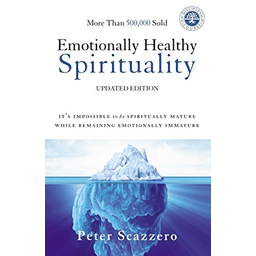 Emotionally Healthy SpiritualityPeter Scazzero’s case that you cannot be spiritually mature while emotionally a child. More diagnostic than Barton, with overlapping Daily Office and rule-of-life practices.
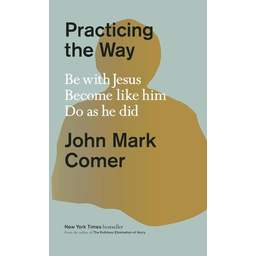 Practicing the WayJohn Mark Comer’s broader argument for apprenticeship to Jesus - be with him, become like him, do what he did. A cultural frame around many of the same practices.
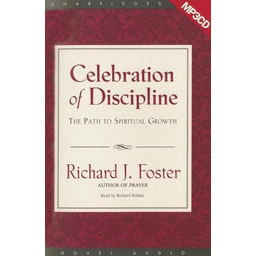 Celebration of DisciplineRichard Foster’s classic survey of twelve historic spiritual disciplines. Broader and more reference-like than Barton, with less step-by-step coaching.
 Lectio 365A free daily app from the 24-7 Prayer movement built around lectio divina and the examen - a low-friction way to keep up the practices Barton teaches.
Frequently asked questions
Who is Ruth Haley Barton and what is the Transforming Center?
Ruth Haley Barton is a spiritual director and author who founded the Transforming Center, an organization that works with pastors and church leaders on their own spiritual formation. She writes from years of helping capable, sincere Christians recover from burnout, which is the experience Sacred Rhythms is built to address.
What practices does Sacred Rhythms actually cover?
The book walks through solitude and silence, scripture read slowly (lectio divina), prayer, the prayer of examen, honoring the body, sabbath, and discernment. Each gets a chapter with concrete exercises and reflection prompts, and the book closes by helping you assemble the practices into a sustainable personal rhythm, historically called a rule of life.
Do I need to do the exercises to get the value of the book?
Largely, yes. Sacred Rhythms is an exercise-driven book - the practices are the point, and readers who treat it as information to absorb tend to report getting a fraction of the benefit. You can read it through once for orientation, but the transformation Barton describes comes from actually trying solitude, lectio divina, examen, and sabbath over time.
Is this book contemplative or for evangelical readers?
Both, in a sense. Barton writes from an evangelical, spiritual-formation perspective while drawing openly on the broader contemplative tradition - solitude, fixed-hour prayer, lectio divina, and the examen. Some of those practices may be less familiar to readers who did not grow up with them; the book introduces them as long-held resources of the church rather than assuming you already know them.
Is there a companion course or DVD for groups?
Yes. A companion DVD and group experience exist for running Sacred Rhythms as a class, retreat, or spiritual-direction group, built around the same arc of practices. Solo readers do not need it, but it is a common way churches and small groups work through the book week by week.
How is Sacred Rhythms different from Celebration of Discipline?
Celebration of Discipline (Richard Foster) is the broader, older survey - twelve classical disciplines presented as the church’s historic toolkit, with more breadth. Sacred Rhythms is narrower and more hands-on - fewer practices, more step-by-step coaching, and a stronger emphasis on actually doing the exercises and building a sustainable rhythm. Many readers eventually read both.
Is Sacred Rhythms still worth reading in 2026?
Yes. It remains a standard pick for individuals, small groups, and spiritual directors looking for a practical, unhurried on-ramp to the spiritual practices. The questions it addresses - exhaustion, pace, and how to make room for genuine change - have only become more relevant, and Barton’s exercise-driven approach holds up well.
Sources & further reading
More Spiritual Disciplines Books
Celebration of DisciplineThe 1978 book that put the words "spiritual disciplines" back into modern Christian vocabulary - still the field guide a generation of pastors hands new readers when they ask how to actually pray, fast, and study.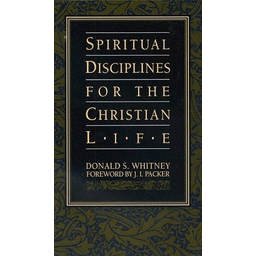 Spiritual Disciplines for the Christian LifeThe textbook-clear survey of the spiritual disciplines that landed on a thousand church-class syllabi - Bible intake, prayer, fasting, silence, stewardship, and more, each pointed at one goal: godliness.
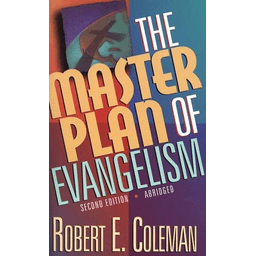 The Master Plan of EvangelismRobert Coleman's sixty-year-old study of how Jesus actually trained the Twelve - still the book ministry leaders hand each other when the question is "how did He do it?"
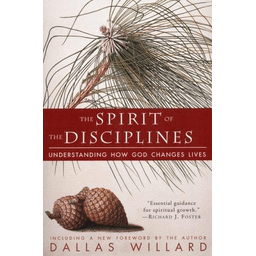 The Spirit of the DisciplinesDallas Willard's case that the spiritual disciplines are the means by which grace actually remakes a person - the philosophically serious book the whole modern formation movement quietly stands on.
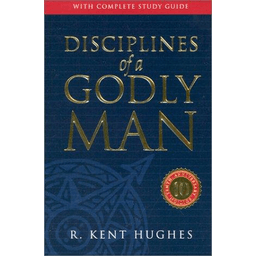 Disciplines of a Godly ManThe men's-group staple that has run through three decades of small groups and church basements - a Reformed-evangelical field manual for the spiritual disciplines, built for accountability and the long haul.
 MultiplyFrancis Chan's plainspoken disciple-making curriculum, built to be worked through by two people with a free set of teaching videos - the workbook you hand the person you're discipling.