- Starting price
- ~$16 paperback
- Free tier
- No
- Platforms
- Print · Kindle · Audiobook
- Developer
- NavPress
- Launched
- 1991
- Updated
- May 31, 2026
The verdict
For thirty years this has been the book pastors assign when they want their people to actually practice the disciplines, not just read about them. Whitney is clear, orderly, and relentlessly practical - less a meditation than a manual. For one Scripture-anchored handbook covering the whole landscape, this is the standard.
Try Spiritual Disciplines for the Christian Life ↗Opens navpress.com
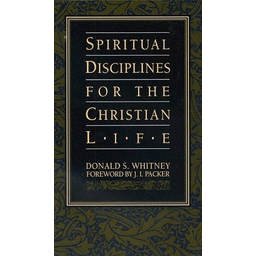
Spiritual Disciplines for the Christian Life has quietly become the book churches reach for when they want to teach the disciplines as something you do, not just something you admire. Walk into a membership class, a men's group, a seminary intro course, or a small-group study on spiritual growth, and there is a good chance this is the book on the table. Donald Whitney wrote it in 1991, revised it substantially in 2014, and in between it became the default evangelical handbook on the subject - the one that turns "I should pray more" into a plan.
It is not a memoir. It is not a poetic meditation. It does not try to dazzle you. The book reads the way a good course reads: a clear thesis, an orderly march through the material, a Scripture citation for nearly every claim, and application questions at the end of each chapter. The governing idea comes straight from 1 Timothy 4:7 - "discipline yourself for the purpose of godliness" - and Whitney returns to that phrase the way a teacher returns to the one sentence he most wants you to remember.
What you actually get is a guided tour of roughly ten disciplines, personal and interpersonal - Bible intake, prayer, worship, evangelism, serving, stewardship, fasting, silence and solitude, journaling, and learning. Each chapter defines the discipline, makes the biblical case for it, anticipates the reader's excuses, and ends by asking what you are going to do about it this week. It is the most workmanlike book on its shelf, and that is precisely why it has outlasted flashier titles.
✓ The good
- The most complete one-volume survey for a general reader - ten disciplines in one orderly handbook, where most peers cover fewer
- Relentlessly practical - every chapter ends with application questions, so it works as a do-this-week workbook, not just a book you finish
- Scripture-anchored throughout - nearly every claim is built on a cited passage, part of why it reads so well in a teaching setting
- Built for groups - the chapter structure and a separate study guide make it a natural fit for classes and small groups
- The Bible-intake chapters are unusually thorough - splitting intake into hearing, reading, studying, memorizing, meditating, and applying gives beginners a real on-ramp
- The 2014 revision freshened the examples and tightened the prose - the edition in print today is more current than the 1991 original
- Genuinely accessible - no academic vocabulary, no assumed background; a brand-new reader can follow it start to finish
✗ Watch out
- Breadth over depth - it surveys ten disciplines rather than going deep on one, so a reader wanting a full theology of prayer or fasting will need a dedicated book
- The tone is instructional - it reads like a well-organized course, a strength in a class and a limit if you wanted something contemplative or literary
- Written from within evangelical practice and idiom - the framing, illustrations, and devotional vocabulary assume that setting
- Light on the contemplative end - silence and the reflective practices get real chapters but less room than the activity-oriented ones
- The application questions can feel formulaic read solo - they are built for discussion
Best for
- Church classes and small groups studying spiritual growth together
- New or returning believers who want a concrete plan, not just inspiration
- Anyone wanting one orderly handbook covering the whole range of disciplines
- Readers who learn best from clear structure, Scripture citations, and application steps
Avoid if
- You want a deep dive on a single discipline rather than a survey of many
- You prefer a contemplative, literary, or narrative voice over an instructional one
- You already own a discipline handbook and want a different angle, not the same map
- You want a treatment framed for a tradition other than evangelical practice
What Spiritual Disciplines for the Christian Life is
Spiritual Disciplines for the Christian Life is Donald S. Whitney's handbook on the personal and interpersonal spiritual disciplines, first published by NavPress in 1991 and substantially revised in 2014. Across roughly a dozen chapters it walks through the major practices Christians have historically used to pursue spiritual growth - from Bible intake and prayer to fasting, silence, stewardship, and journaling - and treats each one the same way: a definition, a biblical case, the common objections, and concrete steps to begin. The organizing verse is 1 Timothy 4:7, and the organizing goal, stated on nearly every page, is godliness.
It is a book written from within a particular tradition. Whitney teaches at a Southern Baptist seminary, and the book's theological flavor is evangelical and Reformed-leaning: Scripture-anchored and oriented toward personal practice, which shapes the illustrations and devotional vocabulary throughout. The disciplines themselves - prayer, fasting, silence, generosity - are practiced across Christian traditions, so a Catholic, Orthodox, or Latter-day Saint reader will recognize them even where the idiom is distinctly evangelical. As buyer information: this is an evangelical handbook to a shared inheritance, not a tradition-neutral survey.
Why churches reach for Whitney
Most books on the disciplines do one thing well. Foster's Celebration of Discipline opened the conversation for a generation; Comer's recent work is the spiritual-formation book everyone's small group is reading this year; a dozen others go deep on a single practice. What Whitney offers is different: the complete map. He is not trying to be the most beautiful or original book on the shelf - he is trying to be the most usable one, the book a pastor can assign on week one knowing that by the end every person in the room will have a working definition of each discipline and a concrete next step.
That usability is the whole proposition. The chapters are interchangeable enough to teach in any order, short enough to cover one a week, and structured identically enough that a group facilitator never has to reinvent the discussion. The Scripture citations mean a teacher can take the class straight to the text; the application questions mean nobody leaves without a plan. It is, in the most literal sense, a textbook - and for getting a whole congregation to actually start practicing, the textbook is what you want.
Bible intake: the discipline split into six
Whitney's most distinctive move is refusing to treat "reading your Bible" as one undifferentiated activity. He breaks Bible intake into a sequence - hearing, reading, studying, memorizing, meditating on, and applying the Word - and gives each its own treatment with practical methods: how to build a reading plan, study a passage without a seminary degree, memorize verses so they stick, and what biblical meditation is (slow, repeated, prayerful attention to a text). It is the longest material in the book, deliberately so.
This matters because Bible intake is the discipline most readers assume they already understand and most often do passively. By naming six distinct activities, Whitney turns a vague intention into a checklist a beginner can work through: the reader who has never memorized a verse gets a method; the reader who reads but never studies gets a way in. Whichever tradition a reader comes from, the practical scaffolding travels, and it is the part new readers most often say changed their week.
Fasting, silence, and solitude: the disciplines people skip
Two of the book's most-cited chapters cover the practices modern readers are most likely to ignore: fasting, and silence and solitude. Whitney treats fasting carefully - defining its biblical purposes, distinguishing the kinds of fasts, and insisting it is aimed at God rather than a spiritual diet plan - and he is candid that most contemporary Christians never do it. The chapter on silence and solitude makes the case that deliberately withdrawing from noise and company is not idleness but a practice with deep biblical precedent, Jesus himself being the model.
These chapters are where the book earns its keep with experienced readers, not just beginners. Fasting and silence are easy to admire and easy to postpone forever, and what they most need is permission and a starting point rather than poetry - so Whitney's plain, instructional tone works in their favor. He removes the mystique, names the excuses, and hands the reader a way to begin. They are practiced across the Christian traditions, and Whitney presents them as the shared inheritance they are.
Application questions: the engine that makes it a workbook
Every chapter closes the same way: a set of questions that push the reader from understanding to action. They are not comprehension quizzes. They ask what you are going to do - which reading plan you'll start, which verse you'll memorize this month, when your next time of solitude will actually go on the calendar. Paired with the companion study guide, this turns the book from something you read into something you work through, which is exactly how most churches use it.
It is a small structural choice with a large effect. A book about practice that ended each chapter with admiration would produce readers who feel inspired and change nothing. By ending with a decision instead, Whitney builds the on-ramp into the text. The cost is that the questions can feel mechanical read alone - they are designed for a group around a table. But for the book's primary setting, a class or small group, they are the engine, and the single biggest reason it has stayed on so many syllabi.
Pricing
Paperback
~$16
The standard NavPress edition (revised/updated). The copy most classes and groups order.
Kindle / ebook
~$12
Searchable and highlight-syncing - handy for a book this full of citations and application questions.
Audiobook
~$18
A full narration; reasonable for commuters, though the application questions land better on the page.
Study guide (companion)
~$10
A separate workbook keyed to the chapters - the natural add-on for small groups and classes.
Spiritual Disciplines for the Christian Life is not free. As of writing, a new NavPress paperback of the revised edition runs around $16 - call it the everyday default and the copy most groups order in bulk. Used copies of the older edition turn up cheaply, but for a group the 2014 revision is worth paying for.
The Kindle edition lands around $12 and is the better pick if you want to search the text or sync highlights - useful for a book this dense with citations and questions. The audiobook runs roughly $18; a fine way to absorb the content on a commute, though the application questions that make the print version work as a workbook lose something read aloud.
If you are running a study, budget for the companion study guide as well - around $10, keyed chapter by chapter. Most solo readers do not need it; the application questions in the book are enough. But for a class, the guide is the natural add-on and turns the book into a full curriculum.
For a group, the math is simple: paperbacks plus one study guide per participant. For a solo reader, the paperback alone is the balanced default - the copy you keep to work through one discipline at a time.
Where Spiritual Disciplines for the Christian Life falls behind
Depth on any single discipline. The book's breadth is its strength and also its ceiling. Whitney gives prayer one chapter; there are entire excellent books on prayer alone, and the same goes for fasting, worship, and stewardship. This is a survey by design, and a reader who wants the definitive treatment of one practice will finish a chapter here and then need a dedicated book.
Contemplative range. The activity-oriented disciplines - Bible intake, evangelism, serving, stewardship - get the most room and energy. Silence, solitude, and the reflective practices get real chapters but less space, and the instructional voice that serves the active disciplines so well is a less natural fit for the quiet ones. Readers drawn to that end of the tradition will want to supplement.
Voice. The tone is a teacher's tone - clear, orderly, application-driven. That is exactly right for a class, but it is not literary and not meditative. Readers who connect with a more narrative or poetic register will find Whitney plainer than Foster or Comer; whether that is a feature or a limit depends on what you came for.
Framing for other traditions. The book is written from within evangelical practice and idiom - the illustrations, the devotional vocabulary, and the assumed setting all reflect that. The disciplines themselves are shared across Christian traditions, so the practices translate, but a Catholic, Orthodox, or Latter-day Saint reader will be doing some quiet translation of the framing. Worth knowing going in rather than being surprised by it.
Spiritual Disciplines for the Christian Life vs. Celebration of Discipline vs. Practicing the Way
These three are the spiritual-formation shortlist, and they do genuinely different jobs. Whitney's Spiritual Disciplines for the Christian Life (1991, revised 2014) is the orderly handbook - a complete, Scripture-cited, application-driven survey of roughly ten disciplines, built to be taught. Richard Foster's Celebration of Discipline (1978) is the modern classic that reopened the whole conversation - broader in tradition, more reflective in tone. John Mark Comer's Practicing the Way (2024) is the contemporary entry - pastoral, accessible, organized around nine practices, and paired with a free companion site that has made it a small-group default this decade.
Different strengths. Whitney is the most systematic and teachable - assign it if you want a class to actually start practicing and leave each week with a step. Foster is broader and more contemplative; Comer is the most current and on-ramp-friendly, with free supporting media. For one handbook covering the whole map clearly, it is still Whitney - add Foster for breadth, Comer for a modern, group-ready framework.
All three are read widely, and the practices they describe - prayer, fasting, silence, generosity, study - are shared across Christian traditions. Whitney writes from an evangelical, Reformed-leaning vantage; Foster from a Quaker background; Comer from a contemporary apprenticeship framing. The disciplines are common ground; the framing is where the three differ.
The bottom line
Spiritual Disciplines for the Christian Life is the standard handbook on its subject for a reason. It is not the most beautiful or original book on the disciplines, and it does not try to be. It is the clearest and most complete - the one that takes you by the hand through the whole landscape, makes the case for each practice from Scripture, and refuses to let you close a chapter without deciding what you will actually do. For one Scripture-anchored guide to start practicing, or a book a whole group can work through together, this is still the one to reach for.
Alternatives to Spiritual Disciplines for the Christian Life
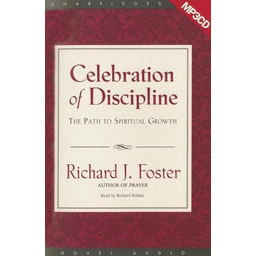 Celebration of DisciplineRichard Foster's 1978 classic that reopened the disciplines for a generation - broader and more contemplative than Whitney, organized as inward, outward, and corporate disciplines.
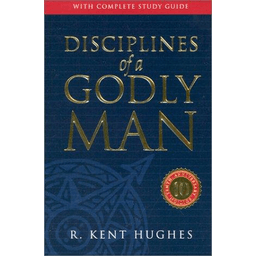 Disciplines of a Godly ManR. Kent Hughes's practical handbook aimed specifically at men - many of Whitney's same disciplines, framed for discipleship and men's groups.
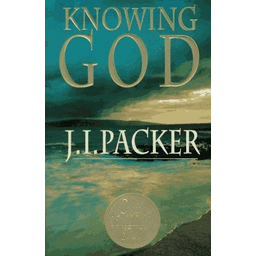 Knowing GodJ.I. Packer's modern classic on the doctrine of God - pair it with Whitney for the why behind the what; theology rather than practice.
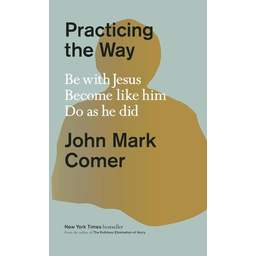 Practicing the WayJohn Mark Comer's 2024 spiritual-formation book on apprenticeship to Jesus, built around nine practices and a free companion site - the contemporary group favorite.
Frequently asked questions
What disciplines does the book actually cover?
Roughly ten: Bible intake (split into hearing, reading, studying, memorizing, meditating, and applying), prayer, worship, evangelism, serving, stewardship, fasting, silence and solitude, journaling, and learning. Each gets a chapter with a definition, a biblical case, and application steps.
Is there a newer edition I should buy?
Yes - the 1991 original was substantially revised and updated in 2014, with freshened examples and tighter prose. The revised edition is the one to buy; most copies in print today are it, but check the copyright page if buying used.
Is there a study guide for groups?
Yes. A companion study guide keyed chapter by chapter is available separately (around $10). With the application questions already in each chapter, it turns the book into a full class or small-group curriculum. Solo readers do not need it.
Who is Donald Whitney and what is the theological perspective?
Whitney teaches at a Southern Baptist seminary; the book is evangelical and Reformed-leaning - Scripture-anchored and oriented toward personal practice, which shapes its illustrations and idiom. The disciplines it describes are practiced across Christian traditions, so readers from other backgrounds will recognize them even where the framing differs.
How does it compare to Celebration of Discipline?
Foster's Celebration of Discipline (1978) is the broader, more contemplative classic. Whitney's is the more systematic, Scripture-cited handbook built to be taught. For a group starting to practice, Whitney is the more teachable; for a richer, reflective survey, Foster is the complement.
Is it good for a brand-new Christian?
Yes. It assumes no theological background and explains each discipline from the ground up, with concrete steps to begin - the Bible-intake chapters especially give a new reader a clear on-ramp, and the application questions mean a beginner finishes with a plan.
Can I read it on my own, or is it only for groups?
Both work. The application questions are built for discussion, so a class or small group is its natural home - but a solo reader can work through it one discipline at a time just as well, answering the questions for themselves.
Sources & further reading
More Spiritual Disciplines Books
Celebration of DisciplineThe 1978 book that put the words "spiritual disciplines" back into modern Christian vocabulary - still the field guide a generation of pastors hands new readers when they ask how to actually pray, fast, and study.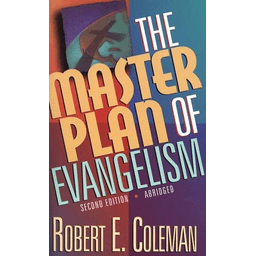 The Master Plan of EvangelismRobert Coleman's sixty-year-old study of how Jesus actually trained the Twelve - still the book ministry leaders hand each other when the question is "how did He do it?"
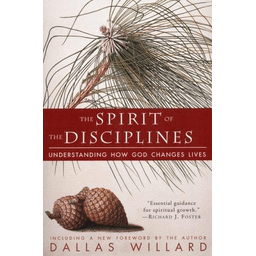 The Spirit of the DisciplinesDallas Willard's case that the spiritual disciplines are the means by which grace actually remakes a person - the philosophically serious book the whole modern formation movement quietly stands on.
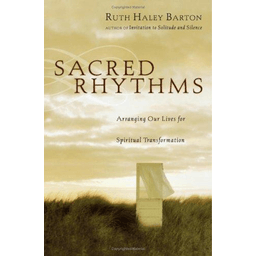 Sacred RhythmsRuth Haley Barton’s practical handbook for arranging an unhurried life around a handful of ancient spiritual practices - the book a lot of burned-out, schedule-shredded Christians get handed when they finally admit the pace isn’t working.Disciplines of a Godly ManThe men's-group staple that has run through three decades of small groups and church basements - a Reformed-evangelical field manual for the spiritual disciplines, built for accountability and the long haul.
 MultiplyFrancis Chan's plainspoken disciple-making curriculum, built to be worked through by two people with a free set of teaching videos - the workbook you hand the person you're discipling.