- Starting price
- ~$17 paperback
- Free tier
- No
- Platforms
- Print · Kindle · Audiobook
- Developer
- Zondervan
- Launched
- 2000
- Updated
- May 31, 2026
The verdict
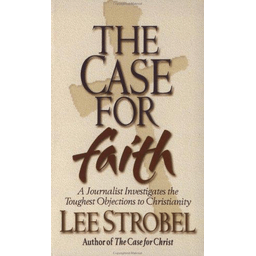
The Case for Faith is the companion volume that handles the objections The Case for Christ left on the table - suffering, hell, doubt, the church’s failures, evolution. It is the book to reach for when a friend’s problem with Christianity is not the evidence but the heartache. Broad rather than deep, but it covers the ground that actually keeps people up at night.
Try The Case for Faith ↗Opens leestrobel.com
The Case for Faith has quietly become the second book in the conversation. A skeptical friend reads The Case for Christ, grants that the historical evidence about Jesus is stronger than they expected - and then says the thing that was really bothering them all along: "Fine, but how could a good God allow my sister to die? And what about hell? And what about everyone who never heard?" Those are not evidential questions. They are objections of the heart, and they are the ones Strobel set out to answer in this 2000 sequel.
It is not a systematic theodicy. It does not pretend to close every question. It does not argue that suffering is easy to square with a loving God. What it does is take the eight objections Strobel says nearly stopped him from becoming a Christian - what he calls the "Big Eight" - and put each one to a scholar who has spent a career on it. The format is the same investigative interview that made the first book work, turned this time on the problems that argument alone rarely settles.
Lee Strobel was the legal-affairs editor of the Chicago Tribune and a Yale Law School graduate who spent nearly two years as an atheist investigating the historical case for Jesus before his conversion in 1981. The first book told that story. This one circles back to the emotional and philosophical objections he had set aside - the ones, he admits, that are harder to live with than to refute. He interviews scholars and writers including Peter Kreeft, Walter Bradley, William Lane Craig, J.P. Moreland, and Ravi Zacharias, asking each the question a wavering believer actually asks at 2 a.m.
✓ The good
- Tackles the objections that actually drive people away - suffering, evil, hell, divine hiddenness, and the church’s record, not just the historical evidence
- Same investigative-interview format that made The Case for Christ readable - long-form features built around a reporter testing answers, not a theology lecture
- The "Big Eight" structure is genuinely useful - each objection gets its own chapter and its own specialist, so readers can jump straight to the one that troubles them
- Strong opening chapter on suffering - the Peter Kreeft interview on the problem of pain is widely cited as the book’s best, and Strobel lets the hard questions stand without flinching
- Honest about Strobel’s own doubts - he presses his interviewees and admits which answers satisfied him and which only partly did
- Pairs naturally with the first book - covers exactly the gaps reviewers flagged in The Case for Christ, making the two a complete on-ramp
- Giftable and group-friendly - short chapters, conversational prose, a study guide and student and kids editions, and a 2008 documentary film
✗ Watch out
- Interview format relies entirely on the chosen experts - the answers are only as strong as the scholar Strobel picked, and he picks scholars who broadly share his conclusion
- Broad rather than deep - eight enormous objections in one volume means none gets the full treatment a dedicated book would give it
- Written for the wavering believer and seeker, not the academic - readers wanting rigorous philosophy of religion will find it introductory
- Argues from a broadly evangelical vantage - the responses on hell, evolution, and salvation reflect that frame, and readers from other traditions will notice it
- Light on opposing voices - like the first book, it is structured as a brief, not a debate, so the strongest skeptical versions of each objection are filtered through Strobel’s questions
Best for
- Believers wrestling with doubt who want honest engagement, not pat answers
- Skeptics whose objection is emotional or moral rather than historical
- Small groups working through the hard questions over 6-8 weeks
- Readers who finished The Case for Christ and still have "but what about…" questions
Avoid if
- You want a deep, single-topic treatment of suffering or hell - read a dedicated book instead
- You want a multi-tradition survey of how different churches answer these questions
- You want rigorous academic philosophy of religion rather than accessible interviews
- You are looking for the historical case for Jesus - that is The Case for Christ’s job, not this one
What The Case for Faith is
The Case for Faith is a journalistic apologetic - a book-length investigation in which Lee Strobel, a former atheist reporter, interviews scholars to test the responses to the eight emotional and philosophical objections he calls the "Big Eight." Each chapter functions as a long-form feature: Strobel travels to a specialist, lays out an objection in the voice of a struggling skeptic, and lets the scholar answer at length. The reader follows the back-and-forth rather than receiving a lecture.
Structurally it works through the objections one at a time - the problem of suffering and evil, miracles versus a scientific worldview, whether evolution undercuts the case for God, the doctrine of hell, the question of those who never hear, the church’s history of violence and hypocrisy, the reliability of a faith built on a few "chosen" people, and the role of doubt in a believing life. It is the explicit companion to The Case for Christ (1998), picking up the harder objections that the first book set aside, and the arguments are made from a broadly evangelical vantage.
Why doubting readers actually finish The Case for Faith
Most books on suffering and doubt fail at the same point: they answer the question on paper while ignoring the person asking it. The reader who has just buried a child does not want a syllogism. Strobel’s instinct as a Tribune reporter pulls the other way. He opens the book not with an argument but with a story - a missionary doctor in a refugee camp, the Columbine shootings, his own near-loss of faith - and he keeps the human stakes in front of the reader the whole way. The argument is there, but it arrives inside a narrative about real ache.
The second reason is the question selection. Strobel asks the objections a wavering believer actually voices - If God is good, why is there so much suffering? How can a loving God send anyone to hell? What about everyone who never heard the name of Jesus? Hasn’t the church done as much harm as good? - in roughly the order they tend to surface when someone’s faith is coming apart. The book respects where the reader is standing. That is rarer than it sounds in apologetics, and it is the single biggest practical difference between The Case for Faith and the philosophy-of-religion texts written for the seminar room.
The "Big Eight": one objection, one specialist, per chapter
The organizing idea of the book is a list Strobel calls the "Big Eight" - the eight objections he says were the biggest barriers between him and faith. The problem of suffering and evil. Miracles colliding with a scientific worldview. Evolution as an alternative to a Creator. The doctrine of hell. The fate of those who never heard the gospel. The church’s long record of violence and hypocrisy. The worry that God plays favorites with a "chosen" few. And finally, whether a sincere believer is even allowed to doubt. Each gets its own chapter and its own interview with a scholar chosen for that question.
For readers, the structure does two useful things. First, it lets you go straight to the objection that is actually bothering you - the chapter on suffering, the chapter on hell - without reading the whole book first. Second, it turns the volume into a natural small-group sequence: many churches run it as an eight-week study, one objection per week, with the published study guide. The trade-off is the one the format always carries - eight vast questions in a single book means each is introduced rather than exhausted, and a reader who wants the deepest available treatment of any one of them will need to read further.
The opening chapter on suffering: the Peter Kreeft interview
The chapter most readers remember is the first real one, on the problem of pain, built around an interview with Boston College philosopher Peter Kreeft. Strobel puts the hardest version of the question on the table - not an abstract puzzle but the death of a child, the camp at Auschwitz, the suffering that has no visible purpose - and lets it sit there before Kreeft answers. Kreeft’s response works through the classic moves of the discussion: that the existence of evil presupposes a standard of good, that genuine love requires the freedom that makes evil possible, that a God who entered the suffering himself is a different proposition from a distant one.
This sounds like familiar territory, and the arguments are not new. What the chapter does well is refuse to make them feel cheap. Strobel pushes back, names the cases the argument struggles with, and admits where the answer comforts the head more than the heart. The result is a treatment of suffering that a grieving reader can sit with rather than feel lectured by - and it is the reason this chapter, more than any other, is the one pastors photocopy and hand to someone in the middle of a hard season. It is also the clearest example of what the book is and is not: a serious, accessible introduction to the responses, not the last word on any of them.
A companion, not a stand-alone: how it completes The Case for Christ
The Case for Faith was written as the direct sequel to The Case for Christ (1998), and the relationship is the point. The first book made the historical case - can we trust what the Gospels say about Jesus, and did the resurrection happen? It deliberately set aside the emotional and philosophical objections, and reviewers flagged that gap from the start. This book is Strobel’s answer to that flag: it takes on exactly the problems - evil, hell, doubt, the church’s failures, science - that the first volume left untouched. Together the two cover both halves of why people resist Christianity, the head and the heart.
For readers, this matters in two ways. First, it means neither book has to do everything. If a friend grants the historical evidence but cannot get past the problem of suffering, The Case for Faith is the precise next step. Second, the two make a coherent small-group sequence - many churches run Christ then Faith back to back, with curriculum to support both, before moving into The Case for a Creator (2004) for the design-and-cosmology arguments. The series is the larger structure, and The Case for Faith is the volume that turns Strobel’s evidential on-ramp into something that also speaks to the reader’s pain.
Pricing
Paperback
~$17
The standard updated edition. What most readers and small groups buy.
Kindle
~$12
Searchable digital edition with the full text. Convenient for highlighting the chapter that applies to you.
Audiobook
~$20
Unabridged narration - a popular pick for commuters and readers who bounced off the print copy.
Student Edition
~$12
Reworked for teen readers with shorter chapters, sidebars, and discussion prompts.
Kids Edition (Case for Faith for Kids)
~$8
A simplified version for younger readers, part of the broader Case-for kids line.
Paperback is the right default for almost everyone - around $17, lightweight, and the edition most small groups standardize on so everyone can highlight the same pages and follow the same chapter order.
The Kindle edition runs roughly $12 and includes the full text, with highlighting that syncs across devices - useful for a book most readers approach chapter by chapter rather than cover to cover. The audiobook, around $20 or one credit on a subscription, is the version many readers actually finish if they have bounced off the print copy, and Strobel’s narrative style holds up read aloud.
The Student Edition at roughly $12 is genuinely reworked for teen readers - shorter chapters, sidebars, and discussion prompts - which makes it the right pick for a youth group rather than a smaller-print reprint. There is also a Case for Faith for Kids edition (~$8) as part of the broader Case-for children’s line.
If you already own The Case for Christ, this is the natural companion purchase rather than an either/or. Most readers who buy one eventually buy the other, and the two together run well under $35 - a complete head-and-heart on-ramp for under the price of a single academic title.
Where The Case for Faith falls behind
Breadth at the expense of depth. Eight of the largest objections in the philosophy of religion share one volume, which means each is introduced rather than exhausted. A reader who wants the deepest available case on suffering, or on hell, will finish a chapter and need a dedicated book to go further. The book is a map of the terrain, not a survey of any one valley.
The answers are only as strong as the chosen experts. The interview format means each objection is handled by the one scholar Strobel selected, and - as in the first book - he selects scholars who broadly share his conclusion. The strongest skeptical versions of each objection reach the reader filtered through Strobel’s questions rather than from their most formidable defenders. That is a fair structural choice for the book Strobel was writing; it is worth knowing going in.
Written for the wavering believer, not the academic. The register is journalistic and pastoral. Readers trained in philosophy of religion will recognize the moves and may want the rigorous versions - works on theodicy, on the logical and evidential problems of evil, on the doctrine of hell across traditions. The Case for Faith is an accessible introduction to those debates, not a contribution to them.
A broadly evangelical vantage on contested ground. The objections about hell, evolution, and the fate of the unevangelized are answered from a particular frame, and traditions differ on each. A Catholic, Orthodox, or Latter-day Saint reader will find the questions worth engaging but the specific responses shaped by Strobel’s evangelical setting rather than offered as a neutral survey of how various churches answer.
Dated in places. The book is from 2000, and a few of its scientific and cultural references - the state of the evolution debate, the contemporary examples - read like their moment. The objections themselves are perennial; some of the surrounding material has moved on.
The Case for Faith vs. The Case for Christ vs. The Reason for God
These three are the books most likely to end up in the same shopping cart, and they do genuinely different jobs. The Case for Christ is the historical brief - does the evidence about Jesus of Nazareth hold up under cross-examination? The Case for Faith is its companion, turning the same interview format on the emotional and philosophical objections the first book set aside - suffering, hell, doubt, the church’s record. The Reason for God is Tim Keller’s answer to the New Atheism’s cultural objections - exclusivism, suffering, hell, science - delivered in the voice of a Manhattan pastor.
Different strengths. Strobel’s first book is best when a reader’s objection is evidential - "How do we even know what Jesus said or did?" The Case for Faith is best when the objection is emotional or moral - "How could a good God allow this?" Keller is broader and more literary, weaving the cultural objections into a single argument rather than handling them one interview at a time. If a reader’s problem is the heartache rather than the history, The Case for Faith is the more direct fit; if it is intellectual respectability in a secular city, Keller is the sharper tool.
They also layer well. Many small-group curricula run The Case for Christ first because it is the easiest on-ramp, then The Case for Faith because it answers the objections the first book leaves on the table, then Keller or a deeper single-topic book for the question that lingers. All three are read across Catholic, Reformed, and other traditions; Strobel writes from a broadly evangelical frame, and The Case for Faith’s answers on the most contested questions reflect that vantage rather than a multi-tradition consensus.
The bottom line
The Case for Faith is the companion volume that makes Lee Strobel’s project complete - it takes the objections of the heart that The Case for Christ deliberately set aside and puts each to a scholar in the same readable interview format. It is broad rather than deep, written for the doubter rather than the academic, and argued from an evangelical vantage on questions where traditions differ. But it covers the ground that actually drives people from faith - suffering, hell, doubt, the church’s failures - and it does so without pretending the answers are easy. For a friend whose problem with Christianity is the ache rather than the evidence, it remains the book to reach for.
Alternatives to The Case for Faith
 The Case for ChristStrobel’s first book and the direct companion - the historical-evidence case for Jesus that this volume’s emotional objections pick up where it leaves off.
 The Reason for GodTim Keller’s answer to the New Atheism’s cultural objections - suffering, hell, exclusivism - in the voice of a Manhattan pastor, broader and more literary than Strobel.
 Evidence That Demands a VerdictJosh and Sean McDowell’s exhaustive apologetics reference - the encyclopedic counterpart to Strobel’s narrative interviews, organized as a sourcebook.
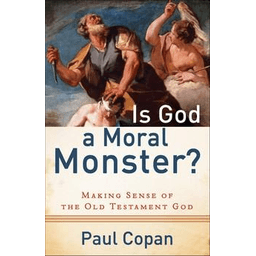 Is God a Moral Monster?Paul Copan’s focused treatment of the moral objections to the Old Testament - the single-topic depth on one of the "Big Eight" that this book can only introduce.
Frequently asked questions
How is The Case for Faith different from The Case for Christ?
The Case for Christ (1998) makes the historical case for Jesus - manuscript reliability, eyewitness testimony, the resurrection. The Case for Faith (2000) is its companion, taking on the emotional and philosophical objections the first book set aside: suffering, evil, hell, doubt, the church’s failures, and science. The first is about the evidence; the second is about the objections of the heart.
What are the "Big Eight" objections in the book?
Strobel structures the book around eight objections he says nearly kept him from faith: the problem of suffering and evil, miracles versus a scientific worldview, evolution as an alternative to a Creator, the doctrine of hell, the fate of those who never heard the gospel, the church’s history of violence and hypocrisy, the worry that God favors a "chosen" few, and whether a believer is allowed to doubt. Each gets its own chapter and its own scholar.
Which chapter is considered the best?
Most readers point to the opening chapter on suffering, built around an interview with Boston College philosopher Peter Kreeft. It is widely cited as the book’s strongest section because Strobel puts the hardest version of the question on the table - including the suffering that has no visible purpose - and lets the difficulty stand rather than rushing to resolve it.
Does the book argue from one tradition’s perspective?
Yes - Strobel writes from a broadly evangelical Protestant vantage, and the responses on contested questions like hell, evolution, and the fate of the unevangelized reflect that frame. The questions themselves are shared across traditions, but readers from Catholic, Orthodox, or Latter-day Saint backgrounds will notice the answers come from Strobel’s setting rather than a neutral survey of how various churches respond.
Is it a good book for someone struggling with doubt?
It is designed for exactly that reader. Strobel frames the whole book around objections that drive people away from faith and is candid about his own doubts, pressing his interviewees and admitting which answers satisfied him and which only partly did. It is an accessible engagement with the hard questions, not a dismissal of them - though a reader wanting the deepest treatment of any single objection will need to read further.
Which edition should I buy?
The standard paperback (~$17) is the right default for most readers and small groups. There is also a Kindle edition (~$12), an audiobook (~$20), a reworked Student Edition for teens (~$12), and a Case for Faith for Kids edition (~$8). If you already own The Case for Christ, this is the natural companion purchase.
Is there a study guide or film?
Yes. Zondervan publishes a Case for Faith study guide designed for small groups working through the objections over roughly eight weeks, and there is a 2008 documentary film adaptation. The book pairs naturally with The Case for Christ as a two-part small-group sequence covering both the historical and the emotional objections.
Sources & further reading
More Apologetics Books
The Reason for GodTim Keller’s 2008 apologetic has quietly become the default gift for the smart, secular friend who has questions - and it earns the reputation.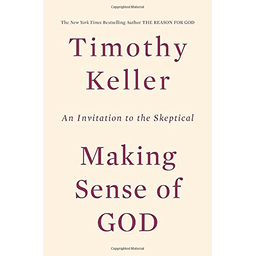 Making Sense of GodTim Keller’s 2016 “prequel” to The Reason for God doesn’t argue that God exists - it argues that the things you already want make more sense inside Christianity than outside it, and it’s the book for the skeptic who isn’t ready for the argument yet.
 TacticsGreg Koukl wrote the book that teaches you how to talk about faith without it turning into an argument - the one most people reach for when "I never know what to say" is the real problem.
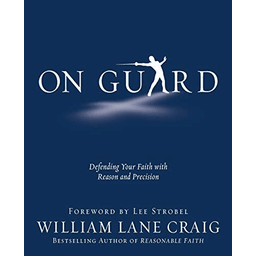 On GuardWilliam Lane Craig’s 2010 primer takes the formal arguments from his heavyweight Reasonable Faith and redraws them as flowcharts a layperson can actually follow - apologetics taught like a skill, not a sermon.The Case for ChristLee Strobel’s investigative-journalist apologetic has quietly become the default gift book for skeptical friends - and the on-ramp into apologetics for an entire generation of readers.
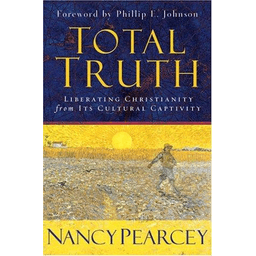 Total TruthThe book that taught a generation of evangelicals to think in terms of worldview - and to stop letting their faith get filed under "private values" while everyone else got "public facts."