- Starting price
- ~$17 paperback
- Free tier
- No
- Platforms
- Print · Kindle · Audiobook
- Developer
- Dutton / Penguin
- Launched
- 2010
- Updated
- May 31, 2026
The verdict
The clearest short introduction in print to the idea that grace and justice belong together. Keller works from the Hebrew Scriptures and the teaching of Jesus to argue that the believer who truly grasps unearned mercy cannot stay indifferent to the poor. Readers on different sides of the justice debates will weigh his conclusions differently - but as a starting point, it is hard to beat.
Try Generous Justice ↗Opens penguinrandomhouse.com
Generous Justice has quietly become the book pastors hand to people who have started asking what the Bible actually says about the poor. It is short - around 200 pages - and it does one thing with unusual focus: it tries to show that doing justice and preaching grace are not two competing agendas but a single one. Timothy Keller wrote it in 2010, drawing on decades of pastoring Redeemer Presbyterian Church in Manhattan and on the mercy and justice work that grew out of that congregation, and the book is essentially the case he had been making to skeptics on both sides for years.
It is not a policy manual. It does not hand the reader a political program. It does not pretend the questions are simple. Keller’s argument is theological before it is practical: he walks through the Hebrew word for justice (mishpat) and the word usually translated "righteousness" (tzadeqah), shows how often the Old Testament binds them to care for the widow, the orphan, the immigrant, and the poor, and then traces the same thread through the teaching of Jesus and the logic of the cross. The claim he keeps returning to is that a person who has genuinely experienced unmerited grace is changed in a way that makes indifference to the vulnerable difficult to sustain.
That is why a 200-page book has stayed in print and keeps turning up on church reading lists across a wide range of traditions. It manages to make a biblical case for justice that is rigorous enough for someone suspicious of "social" Christianity and warm enough for someone who already cares deeply and wants to know how their faith connects to it. If you have ever felt that the conversation about justice in the church is mostly people talking past each other, Keller is trying to give both sides the same starting page.
✓ The good
- Grounds justice in grace, not guilt - Keller’s core move is that mercy to the poor flows out of having received mercy, which reframes the whole conversation away from obligation
- Genuinely short and accessible - around 200 pages written for a general reader, not a seminar; readable in a few sittings
- Works carefully from the Hebrew Scriptures - the chapters on mishpat and tzadeqah are the cleanest popular treatment of those terms most readers will encounter
- Engages readers across the spectrum - Keller writes for someone wary of justice language and someone already committed to it, and tries to give both a hearing
- Refuses easy partisanship - he repeatedly declines to map the Bible neatly onto one political program, which is part of why the book is read so widely
- Practical without being prescriptive - the later chapters offer real-world framing for individuals and congregations without reducing justice to a checklist
- A natural on-ramp to Keller’s deeper work - pairs cleanly with his longer books for readers who want to go further
✗ Watch out
- Short and introductory by design - readers wanting a full theology of justice or a deep policy treatment will find it a starting point, not a destination
- Light on concrete programs - Keller diagnoses and frames more than he prescribes specific steps
- Read very differently across the spectrum - the faith-and-justice theme is debated from several directions, and readers on different sides will weigh Keller’s conclusions differently
- Assumes some theological vocabulary - written for a thoughtful general reader, not an absolute beginner to Christian terms
- Of-its-moment framing in places - a 2010 book engaging then-current debates occasionally shows its publication date
Best for
- Christians thinking seriously about the poor for the first time
- Readers who want the biblical-text case before the practical one
- Small groups wanting a short, discussable book on faith and justice
- Existing Keller readers looking for his most focused book on the theme
Avoid if
- You want a detailed policy or political program
- You want a full academic theology of justice
- You want step-by-step instructions for a mercy ministry
- You want a book that takes a definite side in current justice debates
What Generous Justice is
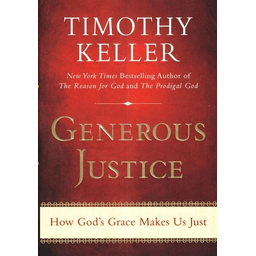
Generous Justice is a short standalone book by Timothy Keller - the late Reformed Presbyterian pastor who founded Redeemer Presbyterian Church in Manhattan - arguing that experiencing God’s grace moves believers toward doing justice: caring for the poor, the immigrant, and the marginalized. It was published in 2010 by Dutton, a Penguin imprint, and runs about 200 pages with a subtitle that states the thesis plainly: How God’s Grace Makes Us Just.
The book is not a political platform or a technical treatise. It is a sustained, accessible argument built first from the Hebrew Scriptures - the law, the prophets, the wisdom literature - and then from the teaching of Jesus, that doing justice and receiving grace belong together rather than competing for a Christian’s attention. Keller writes at a layperson’s reading level but assumes a reader willing to sit with biblical texts and follow a theological argument before reaching for application.
Why everyday readers reach for Generous Justice
Most books on this subject start with the problem - poverty, injustice, the statistics - and work toward what the reader should do about it. Keller starts somewhere unusual: with grace. His argument is that a person who has truly grasped that they were accepted by God without earning it is changed at a level deeper than duty, and that this change is what produces durable, un-self-congratulatory care for the vulnerable. The thoughtful person’s introduction to why justice is not a distraction from the gospel but a consequence of it.
The other reason the book travels so widely is that Keller refuses the usual tribal sorting. He writes for the reader who hears "justice" and braces for politics, and he writes for the reader who already cares and suspects the church does not. He keeps declining to baptize one political program, insisting instead on the biblical texts and letting readers reason from there. This sounds like a small thing. In a conversation where people usually talk past each other, it is the reason the book gets handed across lines that most books cannot cross.
Mishpat and tzadeqah: the word-study foundation
Keller’s opening foundation is lexical and patient. He takes the Hebrew word mishpat - usually translated "justice" - and shows that in the Old Testament it means far more than punishing wrongdoers: it means giving people their due, which the law repeatedly defines as active care for the quartet of the vulnerable, the widow, the orphan, the immigrant, and the poor. He then takes tzadeqah, usually rendered "righteousness," and argues it describes right relationships conducted with fairness and generosity, not merely private moral uprightness. Where the two words appear together - as they often do in the prophets - Keller renders the pairing as something close to "social justice" in the plain sense of a community ordered toward the good of its weakest members.
This matters because it relocates the conversation. If care for the poor were a New Testament add-on or a modern political import, a reader could treat it as optional or partisan. Keller’s point is that it runs through the oldest layers of the Hebrew Scriptures, woven into the law God gave Israel and the charges the prophets brought against it. The word studies are the cleanest popular treatment most readers will ever encounter, and they are the bricks the rest of the book is built on - establish that justice is original to the text, and the argument that grace produces it has somewhere solid to stand.
Grace as the engine: why the gospel produces justice
The heart of the book is the claim in its subtitle - that God’s grace is what makes a person just. Keller argues that moralism and guilt are poor long-term motivators: people who give to the poor out of obligation tend to burn out, grow proud, or quietly keep score. The person who is moved instead by the memory of having been rescued without deserving it gives differently - without condescension, without a ledger, without needing the recipient to be grateful. Keller reads the parable of the Good Samaritan and the logic of the cross as the same pattern: mercy received becomes mercy extended, and the deeper the experience of unearned grace, the harder indifference becomes to sustain.
This is the section that reframes the whole subject for many readers. It answers the worry, common in some quarters, that emphasizing justice will crowd out the gospel - Keller’s reply is that the gospel, rightly understood, is the only thing that produces justice that lasts. It also answers the opposite worry, that talk of grace is a way of avoiding action, by insisting that grace which leaves a person unchanged toward the poor was never really grasped. Readers from a range of traditions describe this as the part that stayed with them, because it dissolves a tension they had assumed was permanent.
From doctrine to the street: justice for the individual and the church
The later chapters turn from why to how, though Keller stays at the level of framing rather than instruction. He distinguishes between different layers of doing justice - direct relief of immediate need, individual development, and addressing the larger structures that keep people poor - and argues that a serious Christian engagement involves more than charity but resists collapsing into any single political solution. He also takes up the harder cases honestly: how to help without harming, how generosity relates to justice, and why doing justice in a fallen world is rarely as clean as either critics or enthusiasts imagine.
Here Keller is deliberately careful, and that care is itself a feature. He repeatedly notes that thoughtful Christians, reasoning from the same texts, land in different places on contested questions of policy and emphasis, and he declines to settle those questions for the reader. Some will wish he went further and named specifics; others will be relieved he did not. Either way, the chapters give an individual or a congregation a coherent way to think about the work without handing them a program to adopt or a side to join - which is precisely why the book functions so well as a shared starting point.
Pricing
Paperback
~$17
The standard Dutton/Penguin edition and the one almost everyone buys. Easy to mark up, easy to lend, easy to gift.
Hardcover
~$26
The original 2010 gift-grade edition; same text, sturdier binding. Worth it only if it’s going on a shelf long-term.
Kindle
~$12
The cheapest way in, and convenient for highlighting the word-study chapters. Occasionally on sale below $10.
Audiobook
~$18
A single unabridged recording runs roughly five and a half hours - a couple of commutes or one long drive. Included with some Audible memberships.
There is no free tier. Paperback runs around seventeen dollars list - call it the everyday default - and is the edition almost every quotation in print is keyed to. Used copies turn up at library sales and online for a few dollars, which is how a lot of readers acquire their first one.
The Kindle edition floats around twelve dollars and is the cheapest legitimate way in, with the bonus that the word-study chapters - mishpat, tzadeqah - are far easier to search and revisit in a searchable text. It goes on sale below ten dollars a few times a year, so it is worth watching if price is the deciding factor.
The audiobook runs roughly eighteen dollars or is included with some Audible memberships, and the five-and-a-half-hour runtime fits inside a couple of commutes or one long drive. It is a reasonable second pass, though this is a book whose argument rewards being able to flip back to the earlier chapters, which the print and Kindle editions make easier.
The hardcover exists mainly for readers who want it on a shelf for the long term; the text is identical to the paperback. Most readers do not need it. The paperback is the balanced default and the copy you will reach for when you want to find a passage again.
Where Generous Justice falls behind
Short and introductory. At around 200 pages aimed at a general reader, Generous Justice is a door, not a library. Anyone wanting a full academic theology of justice, an exhaustive treatment of the relevant biblical texts, or a developed economic argument will need to read further - Keller is opening the subject, not exhausting it, and he largely says so.
Light on concrete programs. Keller frames the work - relief, development, structural concern - but he is not a writer who hands readers numbered steps or a model to copy. The book ends in conviction and a way of thinking, not in a playbook. Readers who want an operational guide to running a mercy ministry will need to bring that from elsewhere.
Read differently across the spectrum. The faith-and-justice theme is engaged and debated from several directions, and where Keller lands - neither baptizing a single political program nor staying out of the question - satisfies some readers and frustrates others. That is less a defect than a fact about the topic: readers on different sides will weigh the same chapters differently, and going in expecting that is the right posture.
Of its moment in places. A 2010 book engaging the debates of its day occasionally shows its publication date, both in the objections Keller anticipates and in the cultural references he reaches for. The core argument from the Hebrew Scriptures and the teaching of Jesus is timeless; a handful of the framing examples feel tied to their decade.
Generous Justice vs. Counterfeit Gods vs. The Reason for God
Different strengths. Generous Justice (2010) is Keller’s focused book on faith and justice - short, text-driven, built to give both sides of the justice conversation a common starting page. Counterfeit Gods (2009) is the companion-length book from the same season on a different theme: idolatry, and the way good things like money, success, and love become functional gods. They share a method - diagnose the heart, then read Scripture against it - but point it at different targets. Generous Justice is for the reader asking what faith has to do with the poor; Counterfeit Gods is for the reader asking why success never satisfies.
The Reason for God (2008) is the broader apologetics volume - it takes up the cultural and intellectual objections to Christianity at length and makes the positive case for faith itself. Where Generous Justice assumes a reader already inside or near the faith and asks what it requires, The Reason for God is for someone not yet sure why they should believe at all. Readers working through doubt usually start there; readers ready to act on faith they already hold start with Generous Justice. The two do genuinely different jobs by the same author.
All three are read across Catholic, Protestant, and other Christian traditions. Keller writes from a Reformed Presbyterian vantage, and the justice theme in particular is engaged and debated across the theological and political spectrum - but the book makes its own case from the biblical text and invites readers to reason from there rather than declaring the matter settled. Different readers will draw different conclusions, which is part of why the book is so widely assigned.
The bottom line
Generous Justice is the rare short book that genuinely reframes its subject. Keller takes a conversation that usually divides people on sight, grounds it in the oldest layers of the Hebrew Scriptures and the teaching of Jesus, and argues that grace received is what produces justice that lasts. He does not hand the reader a political program, and readers on different sides of the justice debates will weigh his conclusions differently - but as the book to start with, the one that gives both sides the same first page, it is hard to beat. At around seventeen dollars, it is the best on-ramp in print to why faith and justice belong together.
Alternatives to Generous Justice
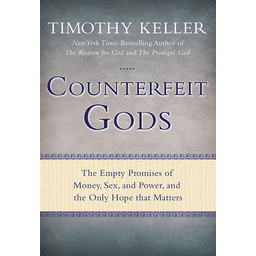 Counterfeit GodsKeller’s short book from the same season on idolatry - how money, success, and love become functional gods. The closest companion volume in tone and method.
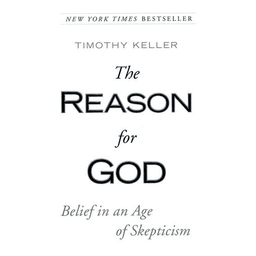 The Reason for GodKeller’s longer, broader apologetics volume - for the reader who needs the case for faith itself answered before the justice argument will land.
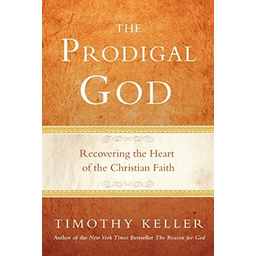 The Prodigal GodKeller’s 130-page reading of Luke 15 on the Father’s extravagant grace - the shortest on-ramp to the grace-changes-everything theme that drives Generous Justice.
 Center ChurchKeller’s full-length book on doing ministry in the city - the long, denser volume where the mercy-and-justice vision of Generous Justice is set inside a whole theology of church.
Frequently asked questions
What is the main argument of Generous Justice?
That doing justice and receiving grace belong together rather than competing. Keller argues from the Hebrew Scriptures and the teaching of Jesus that a person who has genuinely experienced God’s unearned grace is changed in a way that makes indifference to the poor, the immigrant, and the marginalized difficult to sustain. The subtitle states it plainly: How God’s Grace Makes Us Just.
Is this a political book?
Not in the sense of advocating a platform. Keller deliberately declines to map the Bible onto a single political program and repeatedly notes that thoughtful Christians reasoning from the same texts land in different places on contested questions. The faith-and-justice theme is read and debated across the spectrum, and readers on different sides will weigh his conclusions differently. The book makes its case from the biblical text and invites readers to reason from there.
How long is the book and how long does it take to read?
Around 200 pages. Most readers finish it in a few sittings or a single weekend. The unabridged audiobook runs roughly five and a half hours - a couple of commutes or one long drive.
Does Generous Justice work for readers outside the Reformed tradition?
Yes - broadly. Keller was Reformed Presbyterian and wrote from that tradition, but the book’s central themes (justice as care for the vulnerable, grace as the engine of that care) are drawn from texts shared across traditions, and it is assigned and discussed in a wide range of Catholic, Protestant, and other settings. The argument is built on the biblical text more than on any one tradition’s distinctives.
What are mishpat and tzadeqah?
They are the two Hebrew words at the foundation of Keller’s argument. Mishpat, usually translated "justice," means giving people their due - which the Old Testament law repeatedly defines as active care for the widow, the orphan, the immigrant, and the poor. Tzadeqah, usually translated "righteousness," describes right relationships conducted with fairness and generosity. Keller shows how often the two appear together to describe a community ordered toward the good of its weakest members.
How does Generous Justice compare to Keller’s other books?
It is his most focused book on faith and justice specifically. Counterfeit Gods, from the same season, points the same method at idolatry instead. The Reason for God is the broader apologetics volume for skeptics, and Center Church is the long, denser book where the mercy-and-justice vision sits inside a full theology of ministry. Many readers use Generous Justice as the short on-ramp and move to the longer titles from there.
Is the book a guide for starting a mercy ministry?
Not exactly. Keller frames the work - distinguishing relief, development, and structural concern - and gives individuals and congregations a coherent way to think about it, but he stays at the level of theology and framing rather than handing over a step-by-step program. Readers who want an operational manual will need to pair it with more practical resources; readers who want to understand why the work matters will find it does that job well.
Sources & further reading
More Christian Living Books
The Prodigal GodTim Keller’s 130-page reading of Luke 15 has quietly become one of the most-gifted Christian books of the last twenty years - and the reason is the title itself. Practicing the WayComer’s 2024 follow-up to The Ruthless Elimination of Hurry has quietly become the default spiritual-formation book in a thousand small groups - and the reasons are worth unpacking.
 Walking with God Through Pain and SufferingTim Keller’s most comprehensive book on suffering - part survey of how every culture has tried to explain pain, part biblical theology, part field manual for the people actually walking through it.
 FerventThe prayer book that turned “strategic, specific prayer” into a fill-in-the-blank battle plan - and rode the War Room moment to the top of the bestseller lists.
 A Grace DisguisedJerry Sittser lost his mother, his wife, and his four-year-old daughter in a single car crash - and the book he wrote about it has quietly become the one grieving people press into each other’s hands, because it refuses to tell you how to get over your loss.
 The Ruthless Elimination of HurryJohn Mark Comer’s 2019 breakout - a pastor’s case that hurry is the great spiritual enemy of our age - has quietly become the go-to slow-down book for an exhausted generation of Christians. Here’s what it actually delivers, and where it doesn’t.