- Starting price
- $11.99 paperback
- Free tier
- No
- Platforms
- Print · Kindle · Audiobook · Audible
- Developer
- Dutton (Penguin Random House)
- Launched
- 2008
- Updated
- May 25, 2026
The verdict
The best short introduction to the gospel in print. Keller takes a parable everyone thinks they know and shows that the older brother - the moral, the church-attending, the responsible - is actually further from the Father than the runaway. Read it in an afternoon; think about it for years.
Try The Prodigal God ↗Opens penguinrandomhouse.com
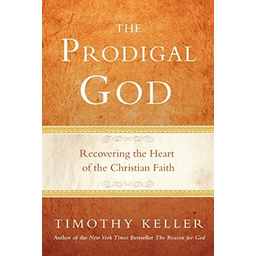
The Prodigal God has quietly become the book pastors hand to people who say they already know the Christian story. It is short - 130 pages, readable in two sittings - and it does only one thing, which is reread the most famous parable Jesus ever told. But the rereading is the point. Keller’s thesis is announced on the cover: the word "prodigal" does not mean "wayward." It means "recklessly extravagant, spending everything one has." And in the parable in Luke 15, the one who spends everything is not the son. It is the Father.
That is the move that makes the book. It doesn’t add commentary you can find in a dozen other places. It doesn’t walk through Greek word studies. It doesn’t pad itself out with the usual application chapters. It just stays in Luke 15 and asks readers to notice what is already on the page - including the elder brother who is standing outside the party in self-righteous fury, refusing to come in. Keller’s argument, gentle but unrelenting, is that the elder brother is as lost as the younger one, and his lostness is the kind religious people are most likely to share.
That is why a 130-page book has stayed in print for nearly two decades and gets re-gifted every Christmas. It manages to be a book about Jesus’s most-loved story that surprises long-time church people on page one and keeps surprising them until the last chapter. If you have ever felt the parable was a little too tidy - the wayward son comes home, the Father throws a party, applause - Keller is going to show you how much of the story you have been skipping.
✓ The good
- Frame-shifting title - naming the Father as the "prodigal" one reorients the entire parable in a single sentence
- Genuinely short - 130 pages is a feature, not a limitation; it’s engineered to be readable in one weekend
- Convicting without scolding - the elder-brother chapters land hard but never sneer at religious readers
- Giftable across traditions - Catholic, Wesleyan, Reformed, Anglican, and non-denominational readers all find it resonant
- Keller-narrated audiobook - the Audible edition is read by the author, which is rare and adds weight
- Excellent for skeptics and lifelong churchgoers alike - the book works equally well as evangelism and as discipleship
- Companion study guide available - built-in path to small-group use without buying a separate curriculum
✗ Watch out
- Not a verse-by-verse commentary - readers who want exegesis of every clause in Luke 15 will find it thin
- One-parable scope - by design, doesn’t range across the New Testament the way Keller’s longer books do
- Light on application steps - Keller diagnoses but rarely prescribes specific practices
- Premium price for the length - at $12 paperback, the per-page cost is high compared to longer Keller titles
- Theological vocabulary assumed - Keller writes for thoughtful general readers, not absolute beginners to Christian terms
Best for
- Long-time church attenders who suspect they’ve become elder brothers
- Friends and family who think they already understand Christianity
- Small groups wanting a 4-6 week study with a built-in guide
- Readers new to Keller looking for the shortest on-ramp
Avoid if
- You want a deep technical commentary on Luke 15
- You prefer broad, multi-passage theology books
- You’re looking for a step-by-step Christian-living manual
- You’ve already read it three times (most readers have)
What The Prodigal God is
The Prodigal God is a short standalone book by Timothy Keller - the late Reformed Presbyterian pastor who founded Redeemer Presbyterian Church in Manhattan - built entirely around Jesus’s parable of the Prodigal Son in Luke 15. It was published in 2008 by Dutton, a Penguin Random House imprint, and runs about 130 pages across seven brief chapters.
The book is not a commentary in the technical sense. It is a sustained, accessible argument that the parable has been misread for centuries - that calling it "the Prodigal Son" leaves out the older brother and obscures the Father, and that recovering the full story recovers the heart of the gospel itself. Keller works at a layperson’s reading level but assumes a reader willing to sit with a single text and turn it slowly.
Why everyday readers prefer The Prodigal God
The reason this book gets handed to people who don’t normally read Christian books is that it doesn’t feel like one. It opens with a literary observation - "prodigal" means extravagant, not wayward - and follows that single thread until it has reframed everything. There’s no jargon to push through, no theological vocabulary to learn, no chapter where the author suddenly turns into a life coach. The thoughtful person’s introduction to Jesus’s most-loved parable.
The other reason is the elder brother. Almost everyone who picks up this book picks it up expecting the younger-brother story, which they already know. They get blindsided by chapter four, which is about them. Keller’s description of elder-brother lostness - moral, dutiful, resentful, secretly believing God owes them - is the part readers underline, photograph, and text to friends. This sounds like a small thing. In practice it’s the reason the book has not gone out of print.
The "prodigal Father" reading of Luke 15: the differentiator
Keller’s opening move is small and total. He notes that "prodigal" - from the Latin for "lavish, extravagant" - has nothing to do with running away. It describes someone who spends recklessly. In the parable, two people spend recklessly. The younger son spends his inheritance on dissolute living. The Father spends his dignity, his property, and his social standing to run down the road, embrace a son who has shamed him publicly, and throw a feast for a boy who has just admitted he doesn’t deserve to be called a son. The title of the book reassigns the adjective to the right character.
Once that reassignment lands, the parable becomes a different story. It is no longer primarily about a wayward son who finally comes home - that is the part Keller assumes the reader already has. It is about a Father whose love is so extravagant that it embarrasses everyone watching, including his other son. The cross, Keller argues at the end, is what that running-down-the-road moment looked like at full cost. Whether that connection feels expected or surprising depends on the reader, but the reading itself - the Father as the prodigal - is the differentiator the book is built on.
The elder-brother theme: the convicting heart of the book
The middle of the book is where most readers stop being amused and start being uncomfortable. Keller spends three chapters on the older brother - the one who never left, who worked the fields faithfully, who stays outside the party in icy resentment when the runaway is welcomed home. His diagnosis is precise. Elder brothers don’t obey out of love; they obey to earn. They keep ledgers. They are angry when grace shows up because grace makes their ledger meaningless. They are, Keller argues, just as alienated from the Father as the younger brother - only their alienation is harder to see, because from the outside it looks like faithfulness.
This is the section church people give the book to other church people because of. Keller is gentle about it - there is no sneering, no caricaturing of the religious - but he is also relentless. He suggests that most people in churches are some mix of elder and younger brother, and that the gospel speaks to both kinds of lostness in different ways. For readers raised inside a religious tradition of any kind, the chapter on elder-brother lostness lands in a way that is hard to shake. It is the page most likely to be photographed and texted to a friend.
Short and giftable: bestseller-as-evangelism-tool
The length is part of the design. At 130 pages and seven short chapters, The Prodigal God can be read in a single weekend, an afternoon, or two evening commutes on audio. Keller wrote longer books - The Reason for God, Counterfeit Gods, Prayer - but this is the one he optimized for handing to someone who said they don’t read Christian books. The thoughtful person’s on-ramp. Almost every chapter ends in a place where stopping feels natural but continuing feels easy.
The practical consequence is the gift economy that has built up around the title. Pastors keep boxes of it. Small groups run six-week studies with the companion guide. People who would never sit through a 400-page systematic theology will take a 130-page paperback. For a book about Jesus’s most-loved parable, the format is the strategy - and the strategy has worked. Nearly two decades after release, it is still one of the most-gifted Christian books of the century.
Pricing
Paperback
~$11.99
The standard edition and the one almost everyone buys. Easy to gift, easy to mark up, easy to lend.
Hardcover
~$18
A nicer gift edition; same text, sturdier binding. Worth the upgrade if it’s going on a shelf.
Kindle
~$8
The cheapest way in, and convenient for highlighting. Frequently on sale below $5.
Audible
~$10
Narrated by Keller himself. Roughly three and a half hours - a single road trip or two commutes.
Companion Study Guide
~$10
A separate booklet with discussion questions and a six-session arc. Optional, but designed for groups.
There is no free tier, but there almost is. Paperback runs around $12 list, and Kindle floats between $5 and $8 depending on the day. If you want the cheapest legitimate way in, watch the Kindle store - the title goes on sale several times a year.
The paperback is the version almost everyone buys, and the one to gift. It’s the right size, the cover is iconic, and at twelve dollars it’s an easy purchase to make for someone else without overthinking. The hardcover edition exists for readers who want it on a shelf for the long term, but the text is identical.
The audiobook is the underrated option. Keller narrates it himself - which is uncommon for trade-published Christian books - and the three-and-a-half-hour runtime fits inside a weekend road trip. For readers who already know Keller’s preaching cadence, hearing it in his voice adds something the page can’t.
The companion study guide is sold separately for around ten dollars. Most readers do not need it. For small groups, it’s the difference between improvising discussion and having six structured sessions ready to go.
Where The Prodigal God falls behind
No verse-by-verse exegesis. Readers expecting a technical commentary on Luke 15 - Greek word studies, parallels in Matthew and Mark, manuscript notes - will find none of that. Keller is doing close reading, not academic commentary, and it’s on purpose. If exegesis is what you want, this isn’t the book.
Narrow scope. The whole book is on one parable. That’s the point, but it also means The Prodigal God can’t do what longer Keller titles do - range across the whole New Testament, engage cultural objections, build a worldview case. For broader scope, The Reason for God is the companion volume.
Light application. Keller diagnoses elder-brother and younger-brother lostness brilliantly, but he is not a writer who hands readers numbered steps. The book ends in reflection, not in a programme. Readers who want spiritual-practice instructions - pray this, do this, journal that - will need to bring those from elsewhere.
Premium per-page cost. At roughly twelve dollars for 130 pages, the math is less generous than a 300-page Keller paperback at the same price. The brevity is a feature, but the wallet notices.
Familiar to long-time readers. By 2026 the book has been so widely gifted and quoted that committed Keller readers may feel they’ve already absorbed it secondhand. The first read is the one that matters; the third and fourth diminish faster than with a denser book.
The Prodigal God vs. The Reason for God vs. Gentle and Lowly
Different strengths. The Prodigal God is the shortest entry point - one parable, 130 pages, designed to be gifted. The Reason for God, Keller’s other widely-gifted title from 2008, is broader: an apologetics book that takes up the cultural objections readers actually raise and works through them at length. They are companion volumes by the same author and were written in the same season, but they do different jobs. Prodigal God is for someone willing to sit with Jesus; Reason for God is for someone not yet sure why they should.
Gentle and Lowly by Dane Ortlund, published in 2020, is the closest cousin to The Prodigal God in tone - short, pastoral, focused on the heart of God toward his people. Where Keller works through one parable, Ortlund works through one verse (Matthew 11:29) and the Puritan tradition that meditated on it. Readers who loved The Prodigal God for its picture of the Father’s extravagant love often pick up Gentle and Lowly next, and the pairing has become a quiet small-group standard.
For readers wanting the same heart-of-the-gospel emphasis at full theological weight, J.I. Packer’s Knowing God is the longer, denser option. It assumes more from the reader and rewards more. The Prodigal God is the doorway; Knowing God is the room you step into. Different traditions emphasize each of these differently, but the three together cover most of what a thoughtful reader needs in their first decade of Christian reading.
The bottom line
The Prodigal God is the rare 130-page book that genuinely earns its bestseller status. Keller takes a parable everyone thinks they know, points out that the title has been hiding the main character, and then walks the reader through both sons until the religious one stings as much as the rebellious one. It is the book to hand to someone - including yourself - who is ready to be surprised by a story they thought was settled. At around twelve dollars, it is the best gift-priced introduction to the heart of the gospel in print.
Alternatives to The Prodigal God
 The Reason for GodKeller’s longer, broader apologetics volume from the same year - for the skeptic who needs the cultural objections answered before the parable will land.
 Gentle and LowlyDane Ortlund’s short pastoral book on the heart of Christ toward sinners - the closest tonal cousin to The Prodigal God and the most common follow-up read.
 Knowing GodJ.I. Packer’s 1973 classic on the character of God - denser, longer, and the natural step up after The Prodigal God for a reader ready to go deeper.
 Mere ChristianityC.S. Lewis’s broad case for the Christian faith - the other book pastors most often gift alongside Keller for thoughtful skeptics and new readers.
Frequently asked questions
What does the title "The Prodigal God" mean?
The word "prodigal" doesn’t mean "wayward" - it means "recklessly extravagant, spending everything." Keller’s argument is that in Luke 15 the Father spends recklessly: he gives away the inheritance, throws away his dignity to run down the road, and lavishes a feast on a son who has just admitted he doesn’t deserve to be called one. The Father, in Keller’s reading, is the prodigal one. The title is the thesis.
How long is the book and how long does it take to read?
Around 130 pages across seven short chapters. Most readers finish it in a single weekend, two evenings, or one long flight. The audiobook, narrated by Keller himself, runs about three and a half hours.
Is this book just for Christians, or does it work for skeptics too?
It works for both, which is part of why pastors gift it across audiences. Skeptics get a fresh reading of a familiar story without the apologetics-book framing they may resist. Long-time churchgoers get the elder-brother chapters, which are the part most likely to land hard. Keller wrote it to be readable by either audience without changing register.
Does The Prodigal God work for readers outside the Reformed tradition?
Yes - broadly. Keller was Reformed Presbyterian and wrote from that tradition, but the book’s central themes (the Father’s extravagant love, the danger of self-righteous religion) resonate across Catholic, Wesleyan, Anglican, non-denominational, and other readers. It has been used in small groups across a wide range of traditions because the parable itself is shared ground.
Is there a study guide for small-group use?
Yes. A separate Prodigal God study guide and discussion guide is published by Zondervan, priced around ten dollars, and lays out six sessions of questions designed for small-group use. Some editions also include a DVD component. The book itself works fine without it, but the guide is the standard for group settings.
How does The Prodigal God compare to The Reason for God?
They were published in the same season (2008) and complement each other. The Reason for God is the longer apologetics volume - it engages cultural and intellectual objections to Christianity at length. The Prodigal God is the short, one-parable book that focuses on the heart of the gospel itself. Many readers buy them as a pair and read Reason first if they’re working through doubt, Prodigal first if they’re ready to sit with Jesus.
Is the audiobook worth it if I already have the book?
For most readers, yes. Keller narrates the Audible edition himself, which is unusual for trade-published Christian books, and his cadence carries the book’s argument well - particularly the elder-brother chapters, which land differently when heard aloud. At around three and a half hours, it’s an easy second pass after the print read.
Sources & further reading
More Christian Living Books
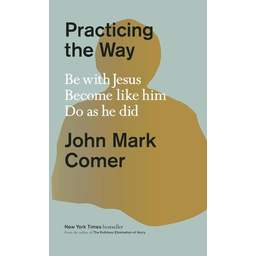 Practicing the WayComer’s 2024 follow-up to The Ruthless Elimination of Hurry has quietly become the default spiritual-formation book in a thousand small groups - and the reasons are worth unpacking.
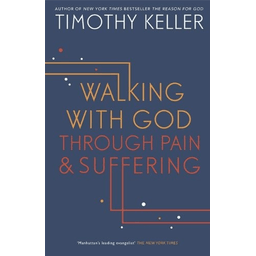 Walking with God Through Pain and SufferingTim Keller’s most comprehensive book on suffering - part survey of how every culture has tried to explain pain, part biblical theology, part field manual for the people actually walking through it.
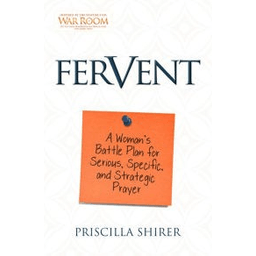 FerventThe prayer book that turned “strategic, specific prayer” into a fill-in-the-blank battle plan - and rode the War Room moment to the top of the bestseller lists.
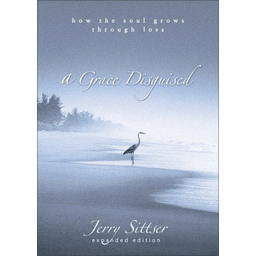 A Grace DisguisedJerry Sittser lost his mother, his wife, and his four-year-old daughter in a single car crash - and the book he wrote about it has quietly become the one grieving people press into each other’s hands, because it refuses to tell you how to get over your loss.
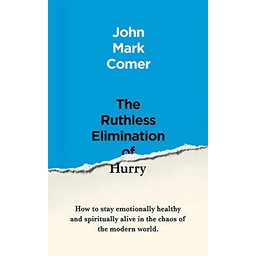 The Ruthless Elimination of HurryJohn Mark Comer’s 2019 breakout - a pastor’s case that hurry is the great spiritual enemy of our age - has quietly become the go-to slow-down book for an exhausted generation of Christians. Here’s what it actually delivers, and where it doesn’t.
 Don't Waste Your LifeJohn Piper's 2003 manifesto against drifting through a comfortable life has quietly become the book that wrecks twenty-somethings in the best possible way - and it's still free as a PDF.