- Starting price
- Free (public domain); $13 print
- Free tier
- Yes
- Platforms
- Print · Kindle · Audiobook · Web (free) · Public domain
- Developer
- Various / Public domain
- Launched
- 1609
- Updated
- May 31, 2026
The verdict
The rare spiritual classic written on purpose for people with jobs, families, and full calendars rather than for cloistered religious. Francis de Sales is gentle, witty, and relentlessly practical - a four-century-old guide to ordinary devotion that still reads like a kind letter from a wise friend. Worth owning in a readable translation and returning to for life.
Try Introduction to the Devout Life ↗Opens ccel.org
Introduction to the Devout Life has quietly become the favorite of readers who want depth without the assumption that they will someday move to a monastery. Written in 1609 by Francis de Sales - a bishop, a spiritual director, and later a Doctor of the Church - it began life as a set of private letters of direction to a married laywoman named Madame de Charmoisy, and it never quite lost that warm, person-to-person tone. Four centuries later it is still read by Catholic, Protestant, and Orthodox readers, by spiritual directors, and by ordinary working Christians who recognize themselves in its pages in a way they rarely do in older devotional books.
It is not a systematic theology. It is not a monastic rule. It is not a memoir. What it is, instead, is a practical handbook for what de Sales calls "the devout life" - a life genuinely ordered toward God - lived by someone who is not a priest or a nun, but a shopkeeper, a parent, a soldier, a household manager, a person with a trade and a calendar full of obligations. De Sales addresses his reader throughout as "Philothea," a Greek coinage meaning "soul that loves God," and the entire book is shaped as direct counsel to that soul about how to actually do this in the middle of an ordinary week.
The premise was, in its own day, mildly radical: that the highest spiritual life was not reserved for those who withdrew from the world, but available to the merchant at his counter and the mother in her household, right where they already stood. De Sales insists that devotion adapts to the duties of each state of life - that what suits a bishop does not suit a married woman, and what suits a vigorous young man does not suit a widow - and that this is not a compromise but the point. It sounds like a small adjustment. In practice it reframes the whole spiritual life, which is why the book has outlasted almost everything else written for laypeople in its century.
✓ The good
- Written for ordinary lay life - the rare classic that assumes a job, a household, and a full calendar rather than a cloister, and adapts its counsel to each
- Warm and approachable in tone - de Sales writes as a gentle, witty spiritual director addressing a friend, not as a stern moralist lecturing from above
- Genuinely practical, not abstract - concrete counsel on prayer, friendship, conversation, money, dress, recreation, anxiety, and handling temptation day to day
- Read across traditions - Catholic in origin, but its practicality and gentleness have drawn Protestant and Orthodox readers for centuries
- Public domain - multiple free PDF, ePub, and audiobook versions exist, with several modern paid translations for readers who want updated language
- Famous for its memorable images - bees, gardens, mirrors, and clocks turn its counsel into pictures that stay with the reader
- Modular by design - short, self-contained chapters grouped into five parts, easy to read a little at a time or to dip into by topic
✗ Watch out
- Seventeenth-century idiom throughout - even in good translations, the cadence and some metaphors carry their age, and the older free editions feel especially dated
- Framed within Catholic devotional practice - confession, the sacraments, devotion to Mary and the saints, and direction by a confessor recur, which non-Catholic readers will read as that tradition’s practice rather than their own
- Some counsel is period-specific - guidance on dress, dueling, courtly amusements, and the duties of particular social stations reflects 1600s France and needs translating to modern life
- Translation choice matters a great deal - Victorian-era versions and breezy modern paraphrases produce very different reading experiences from the same original
- Detailed and methodical - Part II’s sequence of structured meditations and prayer methods can feel like a lot of machinery to readers expecting something looser
- Assumes a director-and-directee relationship - much of the book presumes the reader has, or is seeking, a spiritual director, which not every reader will have
Best for
- Working people who want a serious spiritual life without leaving ordinary life
- Readers new to structured prayer and meditation who want concrete method
- Catholic readers seeking a foundational, warmly written devotional classic
- Anyone drawn to gentle, practical spiritual direction over abstract theology
Avoid if
- You want a devotional with no tradition-specific practices woven through it
- You bounce off 17th-century idiom even in a modernized translation
- You prefer a single narrative or argument to a topical handbook of counsels
- You want strictly contemporary application with no period-specific material
What Introduction to the Devout Life is
Introduction to the Devout Life (Introduction à la vie dévote) is a practical guide to the spiritual life written in French and first published in 1609 by Francis de Sales, then bishop of Geneva. It grew out of personal notes of spiritual direction he had given to Madame de Charmoisy, a married laywoman in his circle; encouraged to publish them, he expanded and reshaped them into a book addressed to a representative "everyperson" soul he calls Philothea. The result is organized into five parts that move from first conversion, through prayer and the virtues, to handling temptation, to renewing one’s resolutions.
The book is Catholic in origin and outlook - its author was a Counter-Reformation bishop, later canonized and named a Doctor of the Church, and its counsel assumes the practices of that tradition, including confession, the Eucharist, and spiritual direction. What set it apart in its own century, and still does, is its insistence that this devout life is meant for people in ordinary secular occupations, not only for clergy and religious. It has remained continuously in print for four hundred years and is read today well beyond the tradition that produced it.
Why ordinary working people keep reaching for de Sales
The single biggest practical difference between Introduction to the Devout Life and most older spiritual classics is that it was written, deliberately and from the first page, for people who are not going to leave their ordinary lives. Where The Imitation of Christ assumes a cloistered reader with structured hours, and many medieval guides assume withdrawal from the world, de Sales assumes the opposite: a reader with a household to run, a business to mind, neighbors to get along with, money to manage, and amusements to navigate. His recurring claim is that devotion must be fitted to the duties of each person’s state of life - and that a married woman, a tradesman, and a widow each live it out differently and rightly. The everyday reader finishes the book with permission to pursue real holiness without first rearranging an entire life around it.
It is also disarmingly gentle. De Sales is famous for his patience with beginners and his refusal to crush the struggling reader - he counsels against the anxious, scrupulous striving that turns devotion into a burden, and returns again and again to gentleness, including gentleness toward oneself. He teaches through homely images rather than abstractions: bees gathering honey, a clock that must be wound, a garden that needs tending, a mirror that must be still to reflect. That warmth is the thoughtful person’s alternative to devotionals that either flatter the reader or browbeat them - the model that meets an ordinary, busy, imperfect Christian where they already are.
The five-part structure: a guided path from first resolve to lasting devotion
Introduction to the Devout Life is built as five sequential parts, each with a clear job. Part I leads the reader from a first desire for the devout life through a series of meditations and a general confession toward a firm resolution to live for God. Part II is the engine room of the book: a detailed instruction in prayer, including a step-by-step method of meditation, counsel on attending the sacraments, and practices for sanctifying the ordinary hours of the day. Part III is the longest section, a practical treatise on the virtues - patience, humility, gentleness, honesty, friendship, modesty, the right use of money and conversation - applied to concrete situations of ordinary life. Part IV addresses temptations, anxieties, and discouragement and how to meet them without panic. Part V closes with exercises for renewing and confirming the reader’s resolutions so the devout life endures rather than fading after a burst of fervor.
The architecture matters because it turns a sprawling subject into a path the reader can actually walk. A first-time reader is best served beginning at Part I and working through in order, because the book is designed to build: the meditations of Part I prepare the prayer methods of Part II, which sustain the virtues of Part III, which are tested by the temptations of Part IV. But the short, titled chapters also make the book easy to consult by topic later - a reader who wants de Sales on friendship, or on handling anxiety, or on the use of money, can turn straight to that chapter. Either way, the five-part design means the book works both as a guided program and as a lifelong reference.
Devotion fitted to your state of life: the everyday-holiness idea
The organizing conviction of the whole book appears early and never leaves it: that genuine devotion is possible - and is meant to be lived - in every honest occupation and station, and that it looks different in each. De Sales is explicit that the devotion suited to a bishop is not suited to a married woman, that a vigorous tradesman and a frail widow are not called to identical practices, and that trying to import a monk’s regimen into a layperson’s life is a mistake rather than a virtue. Holiness, in his telling, is not a single uniform program but a flame that takes the shape of the vessel that holds it. He spends much of the book showing what that adaptation concretely looks like: how to pray when your day is not your own, how to keep recollection in a crowd, how to handle money and dress and conversation and recreation devoutly rather than abandoning them.
This idea is doing real work, and it is part of why the book reaches readers far outside the tradition that produced it. By locating the spiritual life squarely in ordinary secular vocations, de Sales speaks directly to the merchant, the parent, and the worker - the people most older devotional literature quietly left out. The counsel lands differently coming from a busy bishop who spent his life in administration, correspondence, and the care of ordinary people than it would from a hermit. He is not telling overworked readers to sanctify their lives from a comfortable distance; he is describing how to do it inside obligations he himself carried. That is much of why the book still travels across centuries and traditions: it takes ordinary life seriously as the actual place where devotion happens.
The translation question: which edition reads best for a modern reader?
Because the book is in the public domain, you have an unusually wide field of editions - and the translation shapes the reading experience more than first-time readers expect. The classic free editions (CCEL, Project Gutenberg, most inexpensive Kindle reprints) tend to use older English translations whose Victorian cadence and "thou/thee" register can either deepen the contemplative tone or, for some readers, become a wall. Among modern translations, the John K. Ryan version - widely distributed in Catholic paperback editions, including those from TAN Books - is the common everyday recommendation: it keeps de Sales’s warmth and imagery while reading cleanly in contemporary English. Other modern renderings smooth the prose further into a breezy paraphrase, which lowers the barrier but can sand off some of the period flavor.
For readers coming to de Sales cold, the practical advice is to start with a modern translation rather than the oldest free reprint, and to check the listing for a named translator and a real introduction before buying. Public-domain titles attract low-effort reprints with no editor’s name attached and occasionally garbled OCR; if a paperback does not say who translated it, the safe move is to read the free CCEL text first and decide whether to upgrade. None of these editions changes the substance of the book - the five parts, the meditations, the counsels on the virtues are all there. What changes is how much friction sits between you and a four-hundred-year-old spiritual director who, in the right translation, still sounds remarkably like a friend.
Pricing
Free (CCEL / Project Gutenberg)
Free
Full public-domain text in HTML, ePub, Kindle, and PDF, usually in an older English translation. Perfect if you just want to start reading tonight at zero cost.
TAN / Catholic paperback
~$13
The widely owned devotional paperback, typically the John K. Ryan translation. Readable modern English, durable, the everyday default for Catholic readers.
Vintage Spiritual Classics
~$16
A literary edition with a scholarly introduction and clean typesetting. Slightly more polished feel; good for readers who want to keep the book for decades.
Kindle / ebook
Free-$10
Free public-domain reprints abound; paid ebook editions of modern translations run up to about $10. Convenient for highlighting and reading on the go.
Audible audiobook
~$15
Runtime is roughly nine to eleven hours depending on edition and narrator. Good for commutes, though the methodical sections reward a slower read.
There is no version of this book you have to pay for. Francis de Sales died in 1622, and the text has been in the public domain for centuries. The Christian Classics Ethereal Library, Project Gutenberg, and a range of free Kindle reprints will put the entire book on your phone in under a minute at zero cost - usually in an older English translation that is dignified but shows its age.
What you are actually buying, if you spend money, is translation, introduction, and binding. The widely owned Catholic paperback - typically the John K. Ryan translation, around $13 - is the everyday default and the version we’d hand a modern reader first: readable contemporary English, durable, easy to annotate. The Vintage Spiritual Classics edition at around $16 is the more literary, keep-for-decades option, with a scholarly introduction and cleaner typesetting.
Audio is a fine companion for commutes; the Audible edition runs roughly nine to eleven hours depending on narrator, though the methodical meditation sections of Part II reward a slower read than most narration gives them. Ebook editions of modern translations top out around $10, and free public-domain ebooks are everywhere.
As with any public-domain title, watch for reprints with no translator credited and no introduction - they sometimes contain OCR errors or awkward older English presented without context. If a listing does not name its translator, download the free CCEL text first and decide whether you want to pay to upgrade to a modern translation. Most readers do not need more than one good edition.
Where Introduction to the Devout Life falls behind
Seventeenth-century idiom that translation only partly tames. Even in the better modern versions, the rhythm of the prose and some of the metaphors carry their age, and the free older-English editions feel considerably more dated. Readers used to crisp contemporary devotionals will notice the difference, and anyone who bounces off period language even when modernized should sample a chapter before committing.
Catholic devotional practice woven throughout. The book assumes the practices of the tradition that produced it - confession, the Eucharist, devotion to Mary and the saints, and ongoing direction by a confessor recur as the natural furniture of the devout life. Non-Catholic readers commonly engage these passages as a window into that tradition’s practice rather than as instruction for their own, and adapting around them is straightforward, but the assumption is present and unexplained on nearly every part.
Some counsel is bound to its century. Sections on dress, dueling, courtly amusements, balls, and the duties attached to particular social stations reflect the France of the early 1600s and need translating to modern circumstances. Most of the underlying principles carry over cleanly; the specific examples sometimes do not, and a reader looking for strictly contemporary application will have to do that work themselves.
A fair amount of method and machinery. Part II lays out a structured sequence of meditations and prayer methods - preparation, considerations, affections and resolutions, a spiritual nosegay to carry through the day - that some readers find clarifying and others find more apparatus than they wanted. If you came looking for something loose and impressionistic, the systematic stretches can feel effortful.
It presumes a director-and-directee relationship. Much of the counsel is framed as direction, and de Sales repeatedly assumes the reader has, or is actively seeking, a spiritual director or confessor to guide them. Readers without access to such a relationship can still draw enormously from the book, but a recurring premise of its advice will not match their situation, and that is worth knowing going in.
Introduction to the Devout Life vs. The Imitation of Christ vs. The Interior Castle
These three are among the most recommended pre-modern spiritual classics in English, and a reader sorting between them is usually after the same thing - a trustworthy, lasting guide to the interior life. Different strengths. Francis de Sales is the most practical and the most explicitly aimed at ordinary lay life; Thomas à Kempis is the most austere and the most monastic; Teresa of Ávila is the most mystical and the most concerned with the heights of contemplative prayer.
The Imitation of Christ, written in the fifteenth century by a Dutch monk, is shorter, more severe, and more self-consciously cloistered. It speaks the language of self-denial and inward conformity to Christ in a register some readers find bracing and others find demanding, and it assumes a reader whose life is already structured around prayer. De Sales, by contrast, assumes a reader whose life is structured around work and family, and meets them there - which makes the two books natural companions rather than competitors: à Kempis for the inward, world-renouncing call; de Sales for the practical question of how to live devoutly without renouncing the world.
The Interior Castle, Teresa of Ávila’s 1577 masterwork, is the most advanced of the three - a sustained map of the soul’s journey through seven "mansions" toward union with God, written for readers ready to go deep into contemplative prayer. Teresa is the heights; de Sales is the on-ramp. If you want the gentlest, most practical entry point for an ordinary working life, start with Introduction to the Devout Life. If you want the most demanding and historically weighty short classic, The Imitation of Christ. If you are ready for the deep end of the contemplative tradition, The Interior Castle.
The bottom line
Introduction to the Devout Life is the spiritual classic that took ordinary working people seriously four centuries before it was fashionable to do so. Francis de Sales is gentle where older guides are stern, practical where they are abstract, and unfailingly fitted to the life the reader actually has rather than one they are told to acquire. The book has real edges - its 1600s idiom, its period-specific counsel, and the Catholic devotional practices woven through it - but they are worth knowing going in rather than dealbreakers. Pick a readable modern translation, start at Part I, and let a wise bishop walk you through it slowly.
Alternatives to Introduction to the Devout Life
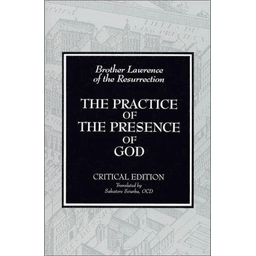 The Practice of the Presence of GodBrother Lawrence’s short seventeenth-century classic on staying aware of God in the middle of ordinary work - even gentler and shorter than de Sales, and the same everyday-life focus.The Interior CastleTeresa of Ávila’s 1577 map of the soul’s journey through seven mansions toward union with God - the deeper, more mystical end of the same contemplative tradition.
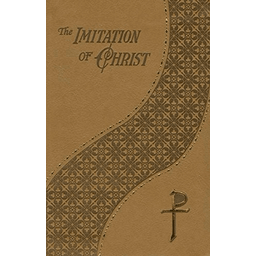 The Imitation of ChristThomas à Kempis’s fifteenth-century classic - shorter, more austere, and more monastic than de Sales, but the most widely circulated short devotional in Christian history.
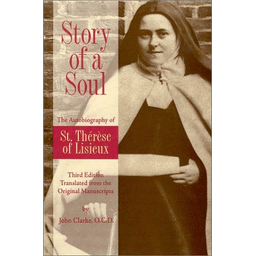 Story of a SoulThérèse of Lisieux’s spiritual autobiography and her "little way" of small acts done with great love - a warm, accessible companion in the same gentle, practical spirit.
Frequently asked questions
Who was Francis de Sales?
Francis de Sales (1567-1622) was the bishop of Geneva, a noted preacher and spiritual director, and a major figure of the Catholic Reformation. He was later canonized and named a Doctor of the Church. Introduction to the Devout Life grew out of the practical spiritual direction he gave to laypeople, and is the book he is best remembered for, alongside his longer Treatise on the Love of God.
Is the book Catholic? Will it work for Protestant or Orthodox readers?
Francis de Sales was a Catholic bishop, and the book assumes the practices of that tradition - confession, the Eucharist, devotion to Mary and the saints, and direction by a confessor recur throughout. That said, its practicality, gentleness, and focus on ordinary lay life have drawn Protestant and Orthodox readers for centuries. Non-Catholic readers typically engage the tradition-specific passages as a window into Catholic devotion while drawing freely on the broader counsel about prayer, the virtues, and handling temptation.
Who is "Philothea"?
Philothea is the name de Sales gives to the reader he is addressing throughout the book. It is a Greek coinage meaning roughly "soul that loves God" or "lover of God," and he uses it to speak to the reader directly and personally, as a spiritual director would to a directee. It reflects the book’s origin in real letters of direction to a laywoman, Madame de Charmoisy.
Which translation or edition should I buy?
For most modern readers, a contemporary translation reads far better than the oldest free reprints. The John K. Ryan translation, widely distributed in Catholic paperback editions including those from TAN Books (around $13), is the common everyday recommendation. The Vintage Spiritual Classics edition (around $16) is a more literary, keep-for-decades option. The free CCEL or Project Gutenberg text is fine if you are comfortable with older English. Check that any paperback names its translator before buying.
Is there a free version?
Yes. The book has been in the public domain for centuries. The Christian Classics Ethereal Library (ccel.org) and Project Gutenberg both host the full text in HTML, ePub, PDF, and Kindle formats at no cost, generally in an older English translation. Free public-domain audiobook recordings also exist on LibriVox.
How should I read Introduction to the Devout Life?
For a first read, start at Part I and work through the five parts in order, because the book is built to build - the early meditations prepare the prayer methods, which sustain the chapters on the virtues, which are tested by the sections on temptation. The chapters are short and titled, so once you have read it through, you can also return to specific topics - friendship, anxiety, the use of money - as a reference. It rewards slow, repeated reading more than a single fast pass.
How long does it take to read?
Read straight through, the book runs roughly 250 to 350 pages depending on the edition, or about nine to eleven hours as an audiobook. At a chapter or two a day it is comfortably a multi-week read. Like most works of spiritual direction, though, it is designed less for one-time consumption than for slow reading and periodic return over years.
Sources & further reading
More Catholic Books
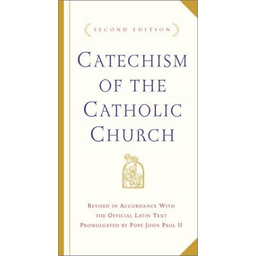 Catechism of the Catholic ChurchThe official, full-length compendium of Catholic doctrine - four pillars, ~2,865 numbered paragraphs, free online at the Vatican, and the reference nearly every other Catholic resource quotes.
 Compendium of the Catechism of the Catholic ChurchThe official 598-question summary of the full Catechism - Catholic doctrine in a portable question-and-answer format, with the complete text free at vatican.va.
 CatholicismBishop Robert Barron's richly illustrated tour of the Catholic faith - the companion book to the Word on Fire documentary series, written to walk a curious reader from Jesus to the last things.
 Introduction to ChristianityThe 1968 lectures that a young Joseph Ratzinger - later Pope Benedict XVI - turned into one of the 20th century's most cited works of Catholic theology, built section by section on the Apostles' Creed.
 Jesus of NazarethA sitting pope's personal, scholarly reading of the Gospels - three volumes that engage modern biblical criticism while searching for the Jesus the Gospels actually present.Story of a SoulThe spiritual autobiography of a young Carmelite nun who died at 24 - the small, warm book that taught a century of readers a path of holiness through little things done with great love.