
- Starting price
- ~$16 paperback
- Free tier
- No
- Platforms
- Print · Kindle · Audiobook
- Developer
- Zondervan
- Launched
- 1976
- Updated
- May 31, 2026
The verdict
Joni has quietly become the book people hand to someone whose life has just been broken open by suffering - a diagnosis, an accident, a loss. It is the first-person account of a teenager learning to live in a body that no longer obeyed her, and it earns its hope because it spends two hundred pages refusing to fake any. If you read one memoir about faith and disability, start here.
Try Joni ↗Opens zondervan.com
Joni is the memoir of Joni Eareckson Tada, a seventeen-year-old Maryland girl who dove into the shallow water of the Chesapeake Bay in July 1967, felt her head strike the bottom, and surfaced - or rather did not surface - into the rest of her life as a quadriplegic, paralyzed from the shoulders down. She was an athlete, a rider, a swimmer, a high-school senior with a boyfriend and a future she could see clearly. In the space of a single dive all of it was gone, and what the book is actually about is the years it took her to figure out what, if anything, was left.
It is not an inspirational book in the way that word is usually used. It does not skip to the lesson. It does not tell you that everything happens for a reason and move briskly on. What it does instead is sit inside the hospital ward, inside the Stryker frame that flipped her body so she would not develop bedsores, inside the rehabilitation gym, inside the long nights when she begged friends to help her die and they would not. The faith in the book is real, but it arrives late and it arrives hard, and Joni does not pretend the arriving was anything other than the most difficult thing she has ever done.
Published in 1976 by Zondervan and written when Joni was still in her twenties, the memoir went on to sell millions of copies and was translated into dozens of languages. It became a 1979 feature film in which Joni played herself, and it launched the disability-advocacy ministry - Joni and Friends - that she has led for decades since. This review is for anyone trying to decide whether to start with this particular copy: a reader facing their own suffering, a friend looking for something to give, or someone who simply wants to understand why this slim memoir has stayed in print for half a century.
✓ The good
- Unusually honest about despair - Joni records the suicidal years, the rage at God, and the failed faith-healing hopes without sanding any of it down, which is exactly why the eventual hope reads as earned
- A genuine primary account of disability from the inside - written by the person living it, not about her, at a time when very few such books existed
- Short and propulsive - roughly 200 pages, paced like a story rather than a treatise, and most readers finish it in a sitting or two
- The faith comes through scene and struggle, not sermon - you watch Joni argue her way toward belief rather than being lectured into it
- Read and recommended across Christian traditions - it turns up in Catholic, Protestant, and Latter-day Saint reading lists alike because its subject is suffering, which belongs to everyone
- Launched a ministry you can actually see - Joni and Friends gives the memoir an unusual afterlife; the book is the origin story of decades of real-world disability advocacy
- Handles the body plainly - the medical detail, the loss of independence, the help required for the most basic tasks are all rendered without melodrama or euphemism
✗ Watch out
- It is a young person’s memoir - Joni wrote it in her twenties, and her mature, book-length reflection on why God allows suffering comes in later works, not this one
- A personal testimony, not a theology of suffering - readers wanting a worked-out framework for the problem of pain will need to pair it with something built for that job
- The 1970s setting shows in places - the medical technology, the rehabilitation practices, and the cultural texture are all of their decade
- Several faith-healing episodes are recounted earnestly and at length - readers who find that material difficult should know the book takes those hopes, and their disappointment, seriously
- Stops relatively early in her life - the memoir closes while Joni is still young, so the marriage, the cancer, the decades of advocacy are all outside its frame
Best for
- Anyone newly facing disability, chronic illness, or a life-altering injury
- Readers who want an honest account of suffering rather than a tidy one
- Small groups studying suffering, hope, or perseverance
- High school and college students meeting the genre for the first time
Avoid if
- You want a systematic theology of why God allows suffering
- You prefer Joni’s mature, later reflections to her earliest account
- You want a full biography covering her whole life and ministry
- You cannot currently read about despair or self-harm without harm - wait, and come back to it
What Joni is
Joni is a first-person memoir written by Joni Eareckson Tada and first published by Zondervan in 1976. It runs roughly 200 pages and covers the years from the July 1967 diving accident that left her a quadriplegic at seventeen, through the months of acute hospitalization and the Stryker-frame days, the long rehabilitation, the depression and suicidal despair, the hopes pinned on physical healing and the collapse of those hopes, and the slow, contested turn toward a faith she could actually live inside. The later chapters cover her learning to paint by holding a brush in her teeth and the first stirrings of a public role.
It is published by Zondervan and has stayed continuously in print for roughly fifty years, selling into the millions and appearing in dozens of languages. The book is the basis for the 1979 World Wide Pictures film of the same name, in which Joni - remarkably - played herself. It is also the origin point of Joni and Friends, the international disability-advocacy organization she founded and has led for decades, which gives the memoir an unusually concrete legacy beyond the page.
Why readers facing their own suffering keep reaching for Joni
The single biggest practical difference between Joni and most books shelved near it is that Joni Eareckson Tada is not writing from the far side of having figured suffering out. She is writing from inside it, while it is still raw, by someone young enough that the wound has barely closed. She does not write about disability in the abstract. She writes about the specific indignities - being turned by other people’s hands, being fed, being unable to brush away a fly, being seventeen and watching her friends graduate and date and drive while she lies on a frame. And she does not let the reader escape into uplift either. She records the months she wanted to die, and the friends who refused to help her, and the bitterness she aimed straight at God.
That refusal to skip ahead is the reason readers in the middle of their own crises return to this book. A new quadriplegic, a parent of a disabled child, someone freshly diagnosed - they reach for Joni precisely because it does not rush them. The faith in the book is hard-won and arrives slowly, through argument and relapse and exhaustion, which is what makes it usable by someone who is not feeling hopeful yet. It is the thoughtful reader’s memoir of suffering: a book that respects how long the climb actually takes.
The accident and the hospital years: a body that no longer obeyed
The opening of the book is the dive itself - a hot July afternoon at the Chesapeake Bay in 1967, a seventeen-year-old athlete misjudging the depth, the head striking the bottom, the strange floating numbness, the panic of a sister hauling her to the surface. From there the memoir moves into the hospital, and this is where Joni earns the reader’s trust. She describes the Stryker frame - the canvas-and-metal apparatus that sandwiched her body and flipped her every few hours, face-up to face-down, so her skin would not break down from lying still. She describes the halo traction screwed into her skull, the loss of sensation, the first dawning understanding that the paralysis was not temporary.
What makes these chapters land is the matter-of-factness of the physical detail laid against the enormity of what is being lost. Joni was, weeks earlier, a competitive rider and swimmer; now she cannot move her arms or legs and depends on others for every basic act of living. She writes about the humiliations plainly - the bedpans, the feeding, the bathing, the helplessness - and about the way her mind kept reaching for a future that no longer existed. The honesty about the body is not gratuitous. It is the foundation everything else in the book is built on, because a reader will only trust the hope at the end if they believe the despair at the beginning, and Joni makes sure they do.
Despair, doubt, and the hope of healing that did not come
The middle of the memoir is its hardest and most valuable stretch. Joni does not present her faith as a steady light through the darkness; she presents it as something that nearly went out. She writes about the months she begged friends to help her end her life, and about their refusal, and about the rage and the silence she directed at God. She writes about the long, grinding rehabilitation, the relearning of a life from a wheelchair, the small humiliations stacked into years. And she writes - at length and earnestly - about the hope that she might be physically healed: the prayers, the expectation, the conviction that if she only believed enough she would walk again, and the crushing disappointment when she did not.
It is the handling of that disappointment that sets the book apart. Joni does not conclude that the prayers failed because her faith was insufficient, and she does not conclude that God was absent. She arrives, slowly and against her own resistance, at a different settlement: that the healing she received was not the one she asked for, and that a life of meaning was still possible inside the body she actually had. The turn is not triumphant. It is exhausted and hard-fought, closer to surrender than to victory. Readers in their own valleys describe this section as the reason they keep the book, because it does not promise them a cure - it shows them someone learning to live without one.
Painting with her teeth and the beginning of a public life
The later chapters of Joni follow her out of the acute years and into the first shape of a future. The most indelible image is Joni learning to paint and draw by gripping a brush or pen between her teeth - slowly, clumsily at first, then with real skill. The detailed pen-and-ink and oil works she eventually produced became, signed “PTL” for “Praise the Lord,” a small public sensation and the first thing many people knew her for. The book treats this not as a miracle but as a discipline: months of practice, of cramped jaws and ruined sheets, of a person finding one thing she could still do and doing it relentlessly.
Out of that came the first invitations to speak, the early television appearances, and the dawning sense that her story might be useful to other people in pain. The 1976 memoir ends before most of what Joni Eareckson Tada would become - the film, the marriage, the cancer she would later face, the international disability ministry - but the seed of all of it is visible in these closing pages. The book’s legacy is unusual among memoirs in that you can go and see what grew from it: Joni and Friends, the advocacy organization she founded, has spent decades working on behalf of people with disabilities around the world. The memoir is, in that sense, a literal origin story.
Pricing
Paperback
~$16
The standard Zondervan edition - the copy most readers own and the one most groups buy in bulk.
Kindle
~$11
The full text in digital form - highlighting and note-syncing make it a practical pick for study groups or for reading on a phone.
Audiobook
~$18
Narrated unabridged. The first-person voice carries well in audio, and it is a strong option for readers who themselves have limited hand mobility.
Anniversary / updated edition
~$17
Later printings add an afterword from Joni reflecting on the decades since - useful context the original 1976 text could not have.
For a book that has sold into the millions, Joni is inexpensive and easy to find. The standard Zondervan paperback runs around $16 new, and used copies turn up routinely in church libraries and thrift stores for a dollar or two - it is the way most readers acquire their first one.
The Kindle edition at roughly $11 is the right pick for highlighters, for small groups working across cities, and for reading on a phone. It is also worth noting that the digital format is genuinely accessible for readers who, like Joni, have limited hand mobility and find a physical paperback hard to manage.
The audiobook at around $18 suits the material well. It is a first-person account, and hearing it read aloud carries the intimacy of the voice. For a reader who cannot easily hold a book, it may be the most natural format of all - a point that is not lost on a memoir about disability.
Most readers do not need anything beyond the standard paperback, which is the balanced default. If you want Joni’s own perspective on the decades since 1976, look for a later anniversary or updated edition (around $17), which adds an afterword the original text could not have included.
Where Joni falls behind
Not a theology of suffering. Joni is a witness, not a treatise. It shows you what faith under suffering looked like for one young woman; it does not work out a framework for why God permits pain. Readers wanting that should pair it with a book built for the question - C. S. Lewis’s A Grief Observed for the raw interior version, or a fuller theological treatment for the systematic one.
A young writer’s book. Joni wrote this in her twenties, relatively soon after the events, and it reads that way - vivid and immediate, but without the long perspective. Her mature, considered reflections on disability and the goodness of God come in her later writing, decades on. This memoir is the beginning of her thinking, not the end of it.
A single life, ended early in the telling. The book closes while Joni is still young, so the marriage, the public ministry, the cancer, and the decades of advocacy that followed are all outside its frame. As a portrait of a whole life it is incomplete by design - it is the origin, not the summary.
The faith-healing material. Several chapters recount, at length and in earnest, the hope that Joni would be physically healed and the disappointment when she was not. Most readers find this honest and moving. Readers who find that subject difficult, for whatever reason, should know the book takes those episodes seriously rather than waving them off.
A product of the 1970s. The medical technology, the rehabilitation practices, and the cultural texture all belong to their decade. None of it obstructs the heart of the book, but a reader in 2026 will notice that the world around the hospital bed is fifty years old.
Joni vs. A Grief Observed vs. The Hiding Place
These three sit on the short list of accessible first-person Christian books about suffering and loss, and each does a different job.
Joni is the disability memoir from the inside - a young woman’s long account of learning to live in a paralyzed body, written close to the events and built around the slow turn from despair toward purpose. A Grief Observed, C. S. Lewis’s 1961 journal kept after the death of his wife, is the raw interior record of grief itself - shorter, rawer, more philosophical, and aimed at the question of what loss does to faith rather than at a single life’s arc. The Hiding Place, Corrie ten Boom’s memoir of hiding Jews and surviving Ravensbrück, is the wartime survivor’s story, built around forgiveness and centered on a single confrontation with a former guard.
Different strengths. Joni is the best on living with permanent physical disability and the long unglamorous work of adjusting to it. A Grief Observed is the best on the immediate, disorienting interior of grief. The Hiding Place is the best on forgiveness as a lived practice under extreme evil. Most readers drawn to one eventually read all three; if your own situation is specifically about the body, about disability or chronic illness or a life-altering injury, Joni is the one to start with.
The bottom line
Joni is the rare memoir of suffering that does not cheat. It refuses to skip past the despair to get to the hope, which is exactly why the hope, when it finally comes, is worth anything. Joni Eareckson Tada is not asking you to admire her - she is asking you to look honestly at what a broken body and a broken plan can do to a seventeen-year-old, and then at what was slowly, painfully rebuilt afterward. For anyone facing their own version of that break, this short book has earned its fifty years in print. It is a personal testimony rather than a theology of suffering - but as a testimony, there are few better places to begin.
Alternatives to Joni
 Through Gates of SplendorElisabeth Elliot’s account of five missionaries killed in Ecuador in 1956 - a contemporary of Joni in the literature of faith tested by loss, told with the same plain honesty.
 The Hiding PlaceCorrie ten Boom’s memoir of hiding Jews and surviving Ravensbrück - the closest twentieth-century parallel for a first-person witness built around suffering and hope.
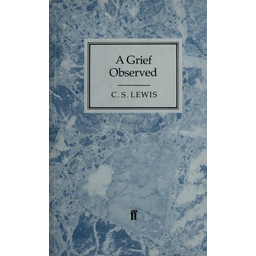 A Grief ObservedC. S. Lewis’s journal of grief after his wife’s death - the raw interior companion to Joni’s outward account of loss and faith.
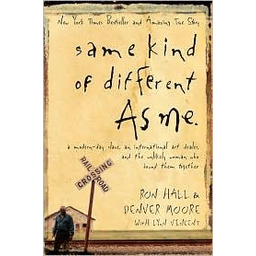 Same Kind of Different as MeRon Hall and Denver Moore’s dual memoir of friendship across deep difference - another modern true story of redemption found in hard places.
Frequently asked questions
Is Joni a true story?
Yes. It is the first-person memoir of Joni Eareckson Tada, who was paralyzed in a diving accident in July 1967 at age seventeen. She wrote the book herself and it was published by Zondervan in 1976. She later founded the disability-advocacy organization Joni and Friends.
How long is the book?
About 200 pages in the standard Zondervan paperback. It is paced like a story rather than a treatise, and most readers finish it in one or two sittings.
Is it a depressing read?
It is honest about despair, including the period when Joni wanted to end her life, so it does not shy away from the hardest material. But the book moves through that toward hope and purpose, and most readers come away encouraged rather than weighed down. Readers in a fragile place may want to know the difficult chapters are there.
Is Joni a theology of suffering?
No - it is a personal testimony, not a worked-out theology. It shows what faith under suffering looked like for one young woman rather than arguing a framework for why God permits pain. Readers wanting that framework should pair it with a book built for the question, such as A Grief Observed or a fuller theological treatment.
What tradition does Joni Eareckson Tada write from?
Joni writes from a Protestant Christian background. The book itself is read and recommended across Christian traditions - Catholic, Protestant, and Latter-day Saint readers alike - because its subject is suffering and hope, which the memoir renders through her lived experience rather than tradition-specific argument.
Is there a film, and is it worth watching?
Yes - a 1979 World Wide Pictures film, in which Joni Eareckson Tada plays herself. It follows the memoir closely and is well-regarded. As with most adaptations, it is best watched after reading the book rather than instead of it.
What should I read after Joni?
Joni Eareckson Tada wrote a number of later books reflecting on disability and suffering from the perspective of the decades that followed, and those are the natural next step for her own voice. For the wider literature of faith and loss, A Grief Observed, The Hiding Place, and Through Gates of Splendor all pair well.
Sources & further reading
More Christian Biographies
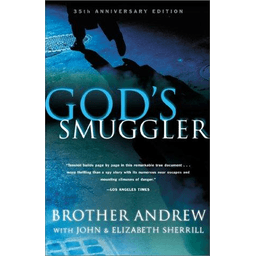 God’s SmugglerThe Dutch missionary’s 1967 memoir about driving a blue Volkswagen Beetle full of Bibles past Soviet border guards - and the prayer that became a generation’s shorthand for trusting God in impossible places.Through Gates of SplendorElisabeth Elliot’s account of five young missionaries killed reaching the Waorani of Ecuador in 1956 - the book that sent a generation toward the mission field, told by one of the widows.
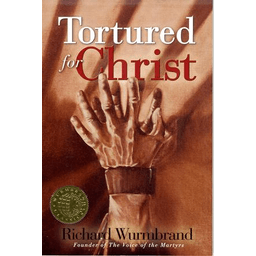 Tortured for ChristThe Romanian pastor’s 1967 account of fourteen years in communist prisons - written in three days after his release, and the book that launched Voice of the Martyrs.
 Just As I AmBilly Graham’s own account of a North Carolina farm boy who became the twentieth century’s best-known evangelist - the crusades, the presidents, and the doubts in between.
 The Cross and the SwitchbladeThe skinny country preacher who left rural Pennsylvania for the gang-run streets of 1950s New York - and the conversion of switchblade-carrying gang leader Nicky Cruz that turned one man’s hunch into a worldwide ministry.
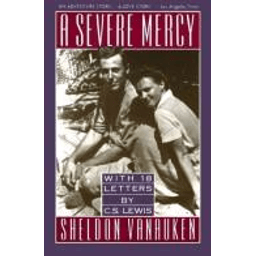 A Severe MercySheldon Vanauken’s memoir of a great love, a shared turn toward faith at Oxford, a friendship with C.S. Lewis, and the early death that gave the book its name - the rare grief memoir that has outlived its decade.