- Starting price
- ~$20 paperback
- Free tier
- No
- Platforms
- Print · Kindle · Audiobook
- Developer
- NavPress
- Launched
- 2002
- Updated
- May 31, 2026
The verdict
Renovation of the Heart is Dallas Willard's most systematic book on spiritual formation - the one that takes the human self apart into its working components and shows how grace remakes each one. It is more structured and more analytical than a devotional, and the chapters on the psychology of the person ask real work of the reader, but no other book maps the whole terrain of transformation this thoroughly. Read it when you want the architecture of change, not just the inspiration to begin.
Try Renovation of the Heart ↗Opens navpress.com
Renovation of the Heart has quietly become the book pastors reach for when someone asks the hard version of the discipleship question. Not "how do I read my Bible more" but "why am I still the same person I was ten years ago, after all the sermons and small groups and good intentions?" Willard wrote The Divine Conspiracy to recover the gospel of the kingdom and The Spirit of the Disciplines to argue why practices change people. Renovation of the Heart is the one where he rolls up his sleeves and shows, part by part, how an actual human being is remade.
Willard was a professor of philosophy at the University of Southern California for nearly half a century, and the book has the patience of someone used to taking a thing apart to see how it works. He does not treat the self as a vague inner cloud to be inspired. He treats it as a structure with components - thought, feeling, will and heart, the body, social relationships, and the soul - each with its own role, its own way of going wrong, and its own path to renewal. Spiritual formation, in his account, is not one thing happening in one place. It is the gradual reordering of every one of those dimensions around the character of Christ.
Published in 2002 and named ECPA's Book of the Year, it carries the subtitle "Putting On the Character of Christ," and that phrasing is exact. The goal is not better behavior managed from the outside but a changed inner person from whom good behavior flows naturally - what Willard calls the renovation of the heart. His governing claim is that character is real, that it can be deliberately formed, and that the New Testament assumes a process for forming it that the modern church has largely forgotten how to name. It is a more structured, more diagnostic book than its companions, and that is exactly its value: it gives transformation an anatomy.
✓ The good
- The most systematic map of spiritual formation in print - Willard takes the self apart into thought, feeling, will, body, social life, and soul, and shows how each one is renewed
- Diagnostic, not just inspirational - the structure lets a reader locate where they are actually stuck rather than vaguely resolving to do better, which readers describe as unusually clarifying
- Treats the will and the heart with real care - Willard's account of how the will is reformed, and why willpower alone fails, is among the clearest popular writing on the subject
- Takes the body and social context seriously - two dimensions most devotional books skip entirely, here given full chapters as genuine sites of formation
- Grace-centered throughout - Willard is emphatic that this renovation is the work of God in a person, not a self-improvement program, heading off the most common misreading
- Reads widely across traditions - the vision of becoming like Christ in the whole person has deep roots across the historic church, and readers from many backgrounds find their own heritage in it
- A natural companion to The Divine Conspiracy - where that book casts the vision, this one supplies the working method
✗ Watch out
- More systematic than devotional - the book analyzes the self in parts, and readers who came for warmth and story rather than a framework can find it clinical in stretches
- The "psychology of the person" sections are heavy - Willard's anatomy of thought, feeling, and will is careful and occasionally dense, and some readers find those chapters slow going
- Assumes you want a framework - the whole book is built as a structured model, so a reader who prefers a looser, narrative approach to growth may feel over-organized
- Front-loaded with groundwork - Willard establishes his model of the self before the practical renewal of each dimension, which tests readers who want to start changing on page twenty
- Less quotable than its companions - The Divine Conspiracy and the disciplines books yield more memorable lines; this one yields more usable structure, which is a different pleasure
Best for
- Readers who want a complete, structured model of how a person is transformed
- Pastors and leaders building a curriculum or theology of spiritual formation
- Anyone stuck despite years of effort who wants to diagnose where the stuckness lives
- Thoughtful readers comfortable with an analytical, framework-driven argument
Avoid if
- You want a warm, devotional, story-driven read rather than a model of the self
- You bounce off analytical or psychological prose about thought, feeling, and will
- You want a short book you can finish in a weekend
- You prefer a loose, intuitive approach to growth over a systematic framework
What Renovation of the Heart is
Renovation of the Heart is Dallas Willard's systematic account of how a human being is transformed into the character of Christ. Published by NavPress in 2002 and named ECPA's Christian Book of the Year, it argues that the self is made of distinct but interlocking dimensions - thought, feeling, will and heart, the body, social relationships, and the soul - and that genuine spiritual formation is the renewal of every one of them. The central claim is that character can be deliberately formed: the goal is an inwardly changed person from whom good action flows, not behavior policed from the outside.
It is more structured than instructional in the how-to sense, but more practical than Willard's earlier The Spirit of the Disciplines. After laying out his model of the self, Willard devotes chapters to the renovation of each dimension in turn, describing how each goes wrong and how grace reorders it. The flavor is broadly evangelical spiritual-formation thought, though the vision of becoming Christlike in the whole person has deep roots across the historic Christian church. It is widely regarded as the practical companion to The Divine Conspiracy, and it pairs naturally with a hands-on guide to the individual disciplines.
Why readers reach for Willard
Most books on spiritual growth treat the inner life as a single undifferentiated thing - you pray more, you read more, you try to love better, and somehow the whole person improves. Willard's distinctive move is to refuse that vagueness. He insists the self has parts, and that you cannot renovate what you cannot locate. So he maps it: the mind that holds your ideas and images, the feelings that move you, the will that chooses, the body that carries your habits, the relationships that shape you, and the soul that integrates the rest. Each gets named, diagnosed, and addressed on its own terms.
That is the book's distinctive value and the reason it functions as a working manual rather than a pep talk. A reader who keeps resolving to change and keeps failing can use Willard's model to find out why - whether the problem lives in distorted thoughts, untrained feelings, a divided will, ingrained bodily habits, or a corrosive social world. And throughout, Willard is emphatic that this renovation is God's work in a person, not a self-help project: the dimensions are renewed by grace, through deliberate cooperation, over time. It is the book you read when you want not just to be inspired to change but to understand the machinery of how change actually happens.
The six dimensions of the self: an anatomy of the person
The architecture of the book is Willard's model of the human self as six interacting dimensions: thought (the ideas and images we live by), feeling (the emotions and desires that move us), will or heart (the capacity to choose and the core from which we organize life), the body (where habits are stored and enacted), social context (the relationships that form and deform us), and the soul (the deepest level that integrates and runs the whole). These are not separate compartments but aspects of one person, constantly influencing each other. A distorted thought breeds a disordered feeling; a repeated choice becomes a bodily habit; a toxic relationship reshapes the will.
The payoff of this anatomy is diagnostic. Most people trying to change attack only one dimension - usually the will, by gritting their teeth - and then wonder why nothing holds. Willard's framework shows why: if the mind is still feeding the old images, or the body still runs the old habits, or the social world still rewards the old self, the will alone cannot win. Spiritual formation, in his account, has to address every dimension, because the person is a whole. Readers consistently report this map as the most useful thing they take from the book - a way to locate exactly where they are stuck instead of vaguely resolving to be better.
Renovating the will and the heart: why willpower alone fails
At the center of Willard's model sits the will, which he also calls the heart - the core capacity by which a person chooses and organizes life around what they most value. Much of the book's practical force comes from his account of how the will is actually reformed. The modern assumption is that change is a matter of willpower: decide harder, push through, try again. Willard argues this gets it backward. The will is genuinely free but also weak and easily divided, and it cannot remake itself by sheer exertion. It is changed indirectly - as the mind is refilled with new ideas and images, as feelings are retrained, as the body learns new habits, the will finds itself able to choose what it could not choose before.
This reframing matters because willpower-based change is the default everyone tries and almost everyone fails at. The dieter, the addict, the chronically angry person, the believer who keeps vowing to pray more - all are leaning on a divided will to lift more than it can carry. Willard's point is not that effort is useless but that effort works through formation, not against the grain of it. You arrange the other dimensions so the choice you want becomes possible, and the will, supported rather than strained, can finally hold. It is among the clearest popular accounts of why self-discipline so often collapses, and what to do instead.
The body and the social self: the dimensions most books ignore
Two of Willard's six dimensions get almost no attention in ordinary devotional writing, and the book is distinctive for taking them seriously. The first is the body. Habits, Willard argues, live in the body - your reflexes, your tongue, the automatic motions of a typical day are where your formed character actually shows up. So the body is not a neutral container for the soul but a primary site of formation, for good or ill, which is why the spiritual disciplines are bodily practices rather than mere ideas. The second is the social dimension: the relationships, families, institutions, and cultures that shape us, often invisibly. We are formed by the people around us whether we choose it or not, and renovation includes deliberately reordering that social world.
Together these two chapters give the book a concreteness that abstract treatments of the inner life lack. It is easy to think of spiritual growth as something that happens in the privacy of the heart, between a person and God. Willard insists the body and the social world are not background to that work but part of it - that you cannot be renovated as a disembodied soul in isolation, because you are not one. This is where the philosopher's realism pays off: he takes seriously that human beings are embodied, situated creatures whose character is shaped by what they repeatedly do and whom they live among. It is part of why the book reads as serious rather than sentimental.
Pricing
Paperback
~$20
The standard NavPress edition and the copy most readers own. Prices vary by retailer.
Kindle / ebook
~$15
Searchable and highlight-syncs across devices - useful for a book this structured and worth working through twice.
Audiobook
~$25
An unabridged recording exists; a reasonable option, with the caveat that the more analytical chapters reward a reader who can pause and revisit.
Study guide edition
~$22
A companion study guide exists for group use; useful for cohorts and classes working through the model chapter by chapter.
Used / library
Under ~$9
A 2002 title with a long print run - used copies are easy to find, and most libraries carry it.
Renovation of the Heart is not free. A new NavPress paperback runs around $20 as of writing, though the figure moves with the retailer - call it the everyday default and the copy most readers end up owning. It is a 2002 title with a long print history and an ECPA Book of the Year sticker, so used copies are everywhere: library sales and secondhand sellers routinely have it for under nine dollars, which is how a lot of readers first acquire it.
The ebook runs roughly $15 and is worth considering for a book this structured - Willard builds a model across the chapters, and search plus syncing highlights make it far easier to move back and forth between the dimensions on a second read. An unabridged audiobook exists at around $25; it is a reasonable option, with the caveat that the more analytical sections on thought, feeling, and the will reward a reader who can pause and revisit rather than let it wash by.
There is also a study guide edition around $22, genuinely useful if you are running a cohort or class through the model chapter by chapter - the book's structure lends itself to group work in a way some formation titles do not. Most individual readers do not need it.
There is no premium tier to agonize over here - it is one book in a few formats plus a group guide. Most readers want the paperback, the balanced default and the copy you will mark up and work through twice. If you prefer to listen, the audiobook is fine for the narrative stretches; if you live in your highlights, the ebook earns its lower price. The used paperback, meanwhile, is the genuine bargain for anyone who does not mind a previous reader's underlining.
Where Renovation of the Heart falls behind
More systematic than devotional. This is the thing to know going in. Renovation of the Heart analyzes the self in parts and builds a model, which makes it powerfully clarifying but also, in stretches, more clinical than warm. A reader who wants the comfort and intimacy of a devotional, or the momentum of a story, will feel the difference. It is a book you study more than one you curl up with.
The psychology of the person is heavy. Willard's anatomy of thought, feeling, and will is careful, and the chapters that lay it out ask real attention. Most readers find the effort repays itself, but these sections are denser than the rest of the book, and a reader expecting light Christian-living prose will hit passages that need a second slow pass.
It assumes you want a framework. The entire book is organized as a structured model of the self, dimension by dimension. That is its strength, but it is not for everyone - a reader who approaches growth intuitively, or who finds elaborate frameworks more confining than freeing, may feel over-organized rather than helped.
A slow runway. Willard establishes his model of the person before turning to the practical renewal of each dimension, so a reader who opened the book hoping to start changing immediately will be some distance in before the practical chapters arrive. It is the right order for the argument; it is not the order an impatient reader wants.
Less quotable than its companions. The Divine Conspiracy and the disciplines books yield the memorable Willard lines people copy into journals. This one yields structure and method instead - more useful for actual change, arguably, but a different and less immediately citable pleasure.
Renovation of the Heart vs. The Divine Conspiracy vs. The Spirit of the Disciplines
These three are the core of Dallas Willard's work on formation, and they do genuinely different jobs. The Divine Conspiracy (1998) is the vision - Willard's sweeping recovery of the gospel of the kingdom and of discipleship as life with God now, the big picture of what the Christian life is for. The Spirit of the Disciplines (1988) is the foundation - the careful argument for why practices like solitude and fasting have power to change a person at all. Renovation of the Heart (2002) is the method - the systematic, dimension-by-dimension account of how the whole self is actually remade, the working manual that puts the vision into practice.
Different strengths. The Divine Conspiracy is the most inspiring and the most ambitious - the book that reframes the entire project and the one many readers fall in love with first. The Spirit of the Disciplines is the most foundational - the philosophical case the others quietly assume. Renovation of the Heart is the most usable for actual transformation - the one that gives you a map of where you are stuck and what to do about it. If you want to be gripped by the vision, start with The Divine Conspiracy. If you want the theology beneath the practices, read The Spirit of the Disciplines. If you want the structured method for changing, Renovation of the Heart is the one.
All three are read widely across Christian traditions, and the vision of becoming like Christ in the whole person has deep roots in the historic church. Willard writes from a broadly evangelical spiritual-formation perspective throughout, but the practices and the goal he describes - solitude, prayer, the renewal of mind and heart, the forming of Christlike character - are reflected in the heritage of many backgrounds. Readers from across the traditions find their own language for transformation in his work.
The bottom line
Renovation of the Heart is the structured, practical heart of Dallas Willard's work on formation - the book that takes the self apart and shows, dimension by dimension, how a person is actually remade into the character of Christ. Its model of thought, feeling, will, body, social life, and soul turns vague resolutions to be better into a real diagnosis of where you are stuck. It is more systematic and less devotional than its companions, and the chapters on the psychology of the person ask genuine work. But for understanding the machinery of transformation - not just the vision of it - nothing modern does the job as thoroughly.
Alternatives to Renovation of the Heart
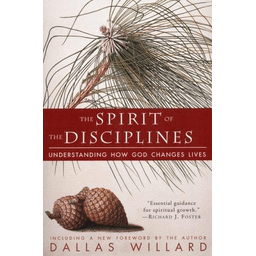 The Spirit of the DisciplinesWillard's theological foundation for why the disciplines change a person - the why beneath Renovation's how.
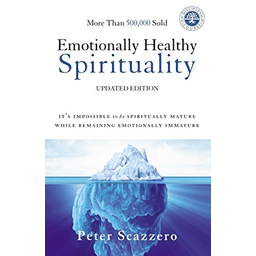 Emotionally Healthy SpiritualityPeter Scazzero on how emotional health and spiritual maturity are inseparable - a practical companion on the inner life.
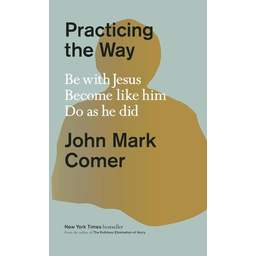 Practicing the WayJohn Mark Comer's accessible guide to apprenticeship to Jesus - a contemporary on-ramp to the same tradition.
Frequently asked questions
What is the main idea of Renovation of the Heart?
That a person is transformed into the character of Christ by the renewal of the whole self, not just better behavior. Willard argues the self has six dimensions - thought, feeling, will and heart, the body, social relationships, and the soul - and that genuine spiritual formation reorders every one of them by grace, over time. The goal is an inwardly changed person from whom good action naturally flows.
What are the dimensions of the self in the book?
Willard names six interacting dimensions: thought (the ideas and images we live by), feeling (emotions and desires), will or heart (the core capacity to choose), the body (where habits live), social context (the relationships that shape us), and the soul (the deepest level that integrates the rest). They are aspects of one person, not separate compartments, and each is a site of formation that has to be renewed for lasting change.
How is it different from The Divine Conspiracy?
They are companion books. The Divine Conspiracy (1998) casts the broad vision - the gospel of the kingdom and discipleship as life with God now. Renovation of the Heart (2002) supplies the method - the systematic, dimension-by-dimension account of how the whole self is actually remade. Many readers use them together: The Divine Conspiracy for the vision, Renovation of the Heart for the working practice.
Is the book hard to read?
It is more demanding than a typical devotional. Willard was a career philosopher and the book is built as a structured model of the self, with careful chapters on the psychology of thought, feeling, and the will that reward a slow read. It is more systematic than warm, and the groundwork comes before the practical chapters. Many readers find it deeply rewarding, but it asks real attention.
Does the book teach self-improvement or works-righteousness?
No, and Willard is clear about it. He frames the renovation of the self as the work of God in a person, accomplished by grace through deliberate cooperation - not a self-help program and not a way of earning anything from God. The disciplines and practices he describes are the means through which grace reorders each dimension of the self, not performances that secure standing.
Who was Dallas Willard?
Dallas Willard (1935-2013) was a professor of philosophy at the University of Southern California for nearly fifty years and an influential writer on Christian spiritual formation. Alongside Renovation of the Heart he wrote The Divine Conspiracy and The Spirit of the Disciplines. He is regarded as one of the foundational thinkers of the modern spiritual-formation movement.
Where should I start with Dallas Willard?
It depends on what you want. For the big vision that many readers fall for first, start with The Divine Conspiracy. For the careful argument beneath the practices, read The Spirit of the Disciplines. Renovation of the Heart is the one to read when you want a structured method for actual change - a map of the self and how each part is renewed. Newcomers who prefer a gentler on-ramp sometimes begin with John Mark Comer's Practicing the Way and grow toward Willard.
Sources & further reading
More Modern Christian Classics
 Knowing GodJ.I. Packer’s 1973 classic on the doctrine of God has sold more than 1.5 million copies and is still the book most pastors hand to laypeople who want theology that goes somewhere - here’s what it actually does and who it’s for.
 The Cost of DiscipleshipDietrich Bonhoeffer’s 1937 exposition of the Sermon on the Mount, written for pastors training under a regime that wanted them silent - and still the sharpest book in print on what following Jesus actually costs.
 Gentle and LowlyDane Ortlund’s 23 short chapters on Matthew 11:29 have quietly become the most-given new Christian book of the decade - and the reason is not what you’d guess.
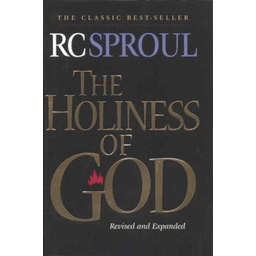 The Holiness of GodR.C. Sproul’s career-defining book on the one attribute of God the church most forgets - and the vision in Isaiah 6 he believed everything else flows from.
 The Weight of GloryThe 1941 sermon many call Lewis's single finest piece of writing - "there are no ordinary people" - gathered with eight other addresses into one slim, uneven, unforgettable collection.
 The Pursuit of GodA.W. Tozer’s ten-chapter wake-up call on knowing God personally - short, severe, and the one devotional Reformed, Wesleyan, Catholic, and Orthodox readers all seem to keep on the nightstand.