- Starting price
- ~$20 paperback
- Free tier
- No
- Platforms
- Print · Kindle · Audiobook
- Developer
- HarperOne
- Launched
- 2016
- Updated
- May 31, 2026
The verdict
Wright’s most ambitious popular-level book on what the cross actually accomplished. He argues - at length, and with a scholar’s footing - that the crucifixion launched a revolution, and that the New Testament frames Jesus’s death inside the larger story of covenant, vocation, and new creation rather than a single courtroom formula. The reframing is widely discussed and actively debated; read it for the argument, and read it knowing the argument is contested.
Try The Day the Revolution Began ↗Opens harpercollins.com
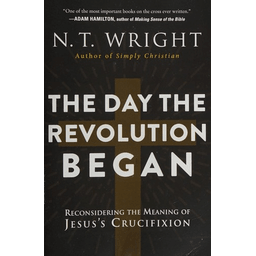
The Day the Revolution Began is N.T. Wright’s attempt to write the one big book on the cross that his earlier work kept circling. Published in 2016 by HarperOne, it sets out to answer a question most Christians assume was settled long ago - what did the death of Jesus actually accomplish, and why? Wright’s claim is that the standard short answers, however true as far as they go, have shrunk a cosmic event down to a single transaction, and that the New Testament tells a much larger story.
It is not a devotional. It is not a quick read. It is not a neutral summary of every atonement theory on the market. It is a sustained, argument-driven book - over four hundred pages - in which one of the most-read New Testament scholars alive presses a particular reading of the cross and asks the reader to follow him through the whole biblical story to get there.
Wright’s thesis, stated early and pressed throughout: the crucifixion was the moment a revolution began. Not merely a legal exchange that lets individuals into heaven, but the decisive victory by which God dealt with sin, broke the grip of the powers, and launched the renewal of all things - with the church commissioned to live as the revolution’s advance guard. He builds the case from covenant (God’s promise to Abraham), from vocation (humanity made to reflect God into the world), and from the Gospels and Paul read as a single story rather than a set of proof-texts.
That argument has made the book one of the most-discussed popular theology titles of the last decade - and one of the most contested. Wright is a leading proponent of what is usually called the "New Perspective on Paul," and his reframing of the atonement here is actively debated, including by Reformed writers who defend a more traditional penal-substitution account. This review describes what Wright argues and notes where the conversation pushes back, without trying to settle it for you.
✓ The good
- A genuinely big-picture account of the cross - Wright refuses to isolate the atonement from the rest of the Bible and reads it inside the whole story of covenant, exile, and new creation
- Scholar-grade footing without the academic prose - Wright is a major NT scholar and the weight shows, but the writing stays in reach of any motivated reader
- Takes the Gospels seriously as theology of the cross, not just narrative - a section many readers find genuinely fresh, since most atonement books lean almost entirely on Paul
- Reframes the question from "how do I get to heaven" to "what was God doing in history" - readers who have felt the transactional framing was too small often describe this as clarifying
- Pastorally serious about vocation - Wright connects the cross to what the church is for now, in a way that lands for ministry leaders and lay readers alike
- Anglican-flavored but read across traditions - Catholic, Orthodox, Wesleyan, Anglican, and many evangelical readers find something of their own theology echoed in the argument
- Of-a-piece with Wright’s larger project - if Surprised by Hope reframed your view of the future, this does the same work for the cross, and the two read well together
✗ Watch out
- Long and, in stretches, polemical - Wright spends real energy arguing against what he calls an over-narrowed "works-contract" reading of salvation, and that argumentative edge will not suit every reader
- Assumes you are interested in the atonement debate - this is a book-length case, not a gentle overview, and readers wanting a calm survey of all the classic theories will want a different book
- The reframing is contested - some Reformed readers argue Wright underplays or recasts penal substitution; the book is best read alongside a traditional treatment (Stott’s The Cross of Christ) rather than on its own
- Repetition by design - the core moves ("covenant, not contract"; "vocation, not just escape") get hammered across the book, which can feel circular on a second read
- Light on step-by-step application - Wright is an argument-builder, not a workbook author; there is no thirty-day plan here
- Some first-century historical context demands patience - the chapters reconstructing how Second Temple Jews heard "the forgiveness of sins" ask the reader to sit with unfamiliar background
Best for
- Readers who already loved Surprised by Hope and want Wright on the cross
- Pastors and teachers preparing serious study on the atonement and the meaning of Good Friday
- Thoughtful lay readers who suspect the transactional framing they grew up with is missing something
- Anyone wanting to understand the current scholarly conversation about what the cross accomplished
Avoid if
- You want a short devotional or a quick comfort read - this is a sustained argument
- You want a neutral, even-handed survey of every atonement theory rather than one scholar’s case
- You are firmly committed to a strict penal-substitution framing and want nothing that presses on it
- You prefer theology in bullet points and infographics - this is patient prose, chapter by chapter
What The Day the Revolution Began is
The Day the Revolution Began is a 400-plus-page work of popular-level biblical theology by N.T. Wright, published in 2016 by HarperOne. Wright is one of the most-respected New Testament scholars alive - former Bishop of Durham in the Church of England, formerly Research Professor of New Testament and Early Christianity at the University of St. Andrews - and the book is his book-length attempt to say what the crucifixion of Jesus actually means. The subtitle states the project plainly: "Reconsidering the Meaning of Jesus’s Crucifixion."
The book is built as a single extended argument rather than a survey. Wright opens by asking why the cross matters, then works back through the Old Testament story - covenant, exile, the vocation of Israel and of humanity - before reading the Gospels and Paul (Romans, the Corinthian letters, Galatians) as a unified account of what God accomplished on Good Friday. His recurring claim is that the New Testament frames the cross as the launch of a new-creation "revolution," and that reducing it to a narrowly transactional formula leaves most of that story on the table.
Why readers reach for Wright on the cross
The single biggest difference between The Day the Revolution Began and most popular books on the atonement is the size of the frame Wright insists on. Most treatments start with the human problem (guilt before a holy God) and move quickly to the mechanism (a substitute bearing the penalty). Wright does not deny that human sin and its dealing-with are central - but he argues, across hundreds of pages, that the New Testament sets the cross inside a much older story: God’s covenant with Abraham, the vocation of humanity to reflect God into the world, the long arc of exile and return, and the renewal of all creation. Read the cross only as an individual legal transaction, he contends, and you miss what the biblical writers were actually claiming.
That move - relocating the atonement inside the whole story rather than isolating it as a formula - is why the book gets handed around. It reframes Good Friday from "the day my debt got paid" (true, Wright says, but too small a sentence) to "the day the powers were defeated and the new creation began." It is also exactly the move that draws pushback: some Reformed readers argue Wright recasts penal substitution in ways that lose something essential, and the disagreement is live and ongoing. Readers across Catholic, Orthodox, Anglican, Wesleyan, and many evangelical traditions find their own emphases echoed somewhere in the argument; readers committed to a particular account of substitution will want to weigh Wright’s case against the writers who contest it.
Covenant and vocation: the cross inside the whole biblical story
The structural heart of the book is Wright’s insistence that you cannot understand the cross without the story that leads up to it. He spends the early chapters reconstructing what "the forgiveness of sins" would have meant to a first-century Jew - not first an individual’s private guilt being cleared, but the long-promised end of exile, the moment God would finally deal with everything that had gone wrong and restore the covenant. Humanity’s vocation, in Wright’s reading of Genesis, was to be God’s image-bearers reflecting his rule into the world; sin is the abdication of that vocation, idolatry the handing of human authority over to the "powers." The cross, on this account, is where God deals with sin precisely in order to restore the vocation - to get image-bearing humanity back on its feet.
This is the part readers tend to call eye-opening or overreaching, depending on where they start. For readers who grew up hearing the cross explained almost entirely in courtroom terms, the covenant-and-vocation frame opens up swaths of the Bible - the Exodus, the prophets, the Psalms - that the transactional summary left untouched. For readers committed to a more traditional account, the worry is that Wright’s reframing risks subordinating the substitutionary heart of the cross to the larger narrative. Wright argues he is not removing substitution but situating it correctly; some of his critics argue the situating amounts to a recasting. Both readings are out there in print, and the book is the cleaner read if you know that debate is going on around it.
Rereading Romans and the Gospels: the "revolution" argument
Wright devotes the central section of the book to close readings of the texts the atonement debate usually turns on - Romans 3 and 5-8, the Corinthian letters, Galatians - and, unusually for the genre, to the Gospels themselves. He argues that Mark, Matthew, Luke, and John are not just narrating events that Paul later explains; they are themselves making a theological claim about the cross, framing Jesus’s death as the climax of Israel’s story and the defeat of the powers that had enslaved the world. The Passover setting of the crucifixion, the "ransom for many" saying, the cry of dereliction - Wright reads these as the Gospel writers’ own theology of atonement, not merely as raw material for a later doctrine.
The payoff is the title image: Good Friday as the day a revolution began. Wright’s claim is that the cross did not simply secure individual forgiveness so people could go to heaven, but won a decisive victory over sin, death, and the idolatrous powers - inaugurating God’s new creation and commissioning the church to embody it now. Readers who find this compelling describe it as finally connecting the cross to the rest of the New Testament’s language about kingdom and new creation. Readers who push back - including a number of Reformed scholars - argue that Wright’s "victory" emphasis, while genuinely biblical, should not be set in tension with the penalty-bearing language he is sometimes read as downplaying. The argument is doing real work here; it is also exactly where the conversation is most contested.
Wright’s accessible-yet-scholarly voice
Wright is, by trade, an academic - his multi-volume Christian Origins and the Question of God series runs to thousands of pages and is read in seminaries on several continents. The Day the Revolution Began is what happens when that same scholar writes for the person in the pew without dumbing the material down. The footnotes are restrained, the Greek is translated, and the argument is built in long, patient movements rather than verse-by-verse fragments. He leans on analogies and on retold biblical narrative to carry readers who would never open a technical commentary.
The result is a book pastors trust because the scholarship is there, and that motivated lay readers actually finish because the prose stays in reach. There are stretches that ask patience - the chapters reconstructing first-century expectations around "forgiveness" and "exile" assume you will sit with unfamiliar context - and the argumentative edge is sharper here than in some of Wright’s warmer books. But he never hides the ball, and he states his own thesis so plainly that even readers who end up disagreeing can see exactly what they are disagreeing with. That clarity is part of why the book has been so widely discussed: it gives critics a clear target and gives sympathetic readers a clear case.
Pricing
Paperback
~$20
The standard HarperOne edition - over 400 pages, lendable, easy to mark up. What most readers buy.
Hardcover
~$28
Original hardback, still available for collectors and gift-givers. Same text as the paperback.
Kindle
~$15
Full text, searchable, syncs across devices - handy if you plan to quote it in sermons, papers, or group prep.
Audiobook / Audible
~$25 (or 1 credit)
Unabridged audio, around 14 hours. Long, but Wright builds in recaps that track well for listeners.
The Day the Revolution Began is a paid book - no free tier, no reliable subscription bundling. The paperback at around $20 is the version most readers buy and the one we mark as best value: it is lendable, easy to mark up, and the same text as the hardcover. At over 400 pages it is a substantial volume, so the print edition earns its keep if you like to annotate as you read.
Kindle at around $15 is the cheapest path in and the right pick if you plan to search or quote the book - useful given how often Wright returns to the same key passages, and how often readers want to check his argument against the text. Highlights sync across devices and the table of contents is hyperlinked.
The unabridged audiobook runs around 14 hours and is available on Audible (about $25, or one credit). It is long, but Wright builds in paragraph-sized recaps that keep the argument trackable for listeners, and the narration smooths some of the denser historical sections. The hardcover at around $28 is for collectors and gift-buyers; the text is identical to the paperback.
Used copies are widely available - the book has been in print since 2016 and the secondhand market is healthy, with good-condition copies often in the $8-12 range. The text has not been substantially revised, so an early printing reads the same as a current one. Most readers do not need more than the paperback.
Where The Day the Revolution Began falls behind
Not a neutral survey. If you want a calm, even-handed walk through Christus Victor, satisfaction, moral-influence, and penal-substitution theories side by side, this is not that book - it is one scholar making one sustained case. Pair it with a survey of atonement views if a balanced overview is what you are after.
Light on the traditional Reformed treatment. Wright presses against what he calls an over-narrowed transactional reading, and readers who want the classic penal-substitution case argued positively and at length should read this alongside John Stott’s The Cross of Christ rather than instead of it. The two books in conversation are more useful than either alone for this question.
Polemical in places. The argumentative edge - Wright is partly writing to correct what he sees as a shrunken popular gospel - means a few stretches read more like a case for the prosecution than a meditation. Readers looking for devotional warmth on the cross may find the tone cooler than expected.
No application workbook. Wright builds an argument; he does not hand you a plan. There is no companion study guide as polished as the one for Surprised by Hope, so groups will need to build their own discussion questions.
Demands patience with first-century context. The chapters reconstructing how Second Temple Jews heard "forgiveness of sins" and "exile" are essential to Wright’s case but ask the reader to absorb a fair amount of background before the payoff lands. Readers who want conclusions up front may find the build-up slow.
The Day the Revolution Began vs. The Cross of Christ vs. Surprised by Hope
Different strengths. The Day the Revolution Began (Wright, 2016) sets the cross inside the whole biblical story - covenant, vocation, new creation - and argues that the crucifixion launched a revolution larger than any single transactional formula captures. The Cross of Christ (John Stott, 1986) is the classic modern treatment from the other emphasis: Stott, also an Anglican, makes the positive case for substitution at the center of the atonement, irenically but firmly. The two books are often read together precisely because they press different (and, depending on who you ask, complementary or competing) emphases - Wright on the cosmic-narrative scope, Stott on the substitutionary heart.
It is worth being clear that these two are part of a live conversation rather than a settled hierarchy. Wright argues his reading situates substitution correctly inside the bigger story; a number of Reformed readers argue Stott’s framing better preserves what the cross fundamentally is, and that Wright recasts more than he admits. We are not refereeing that disagreement. If you want one book, pick the one that answers your question: Wright if you sense the transactional summary you inherited was too small; Stott if you want the substitutionary account argued positively and in depth. Reading both, in either order, is the strongest move for anyone serious about the question.
Surprised by Hope (Wright, 2008) is the natural third. It does for the Christian future what this book does for the cross - relocates a doctrine most readers had narrowed (heaven, the afterlife) back inside the New Testament’s new-creation framework. The two Wright books share a worldview and read as companions: the cross as the revolution’s beginning, new creation as its destination. Together with Stott they make a strong personal library on what the gospel actually claims.
The bottom line
The Day the Revolution Began is the book to read if you want N.T. Wright’s full case for what the cross accomplished - a covenant-and-vocation reading that frames Good Friday as the launch of God’s new-creation revolution rather than a single legal transaction. It is long, argument-driven, and pointed, and its reframing of the atonement is genuinely debated, including by Reformed writers who defend a more traditional penal-substitution account. Read it for the argument, read it knowing the argument is contested, and read it alongside John Stott’s The Cross of Christ if you want the conversation in full. For thoughtful readers willing to do the work, it is one of the most stimulating books on the cross in print.
Alternatives to The Day the Revolution Began
 Surprised by HopeWright’s companion volume on the Christian future - does for heaven and new creation what this book does for the cross, and the natural pairing.
 The Cross of ChristJohn Stott’s classic modern treatment of the atonement, making the positive case for substitution at the center - read alongside Wright for the full conversation.
 Paul: A BiographyWright’s narrative life of the apostle whose letters this book leans on - useful background for how Wright reads Paul on the cross.
 Simply ChristianWright’s broad on-ramp to the Christian faith - lighter and wider in scope than this focused argument, and a gentler place to meet his voice first.
Frequently asked questions
What is the main argument of The Day the Revolution Began?
Wright argues that the crucifixion launched a "revolution" - that the New Testament frames Jesus’s death not merely as an individual legal transaction but as the decisive moment God dealt with sin, defeated the idolatrous powers, and began the renewal of all creation. He builds the case from covenant, vocation, and the whole biblical story, contending that reducing the cross to a narrow transactional formula leaves most of that story untold.
Does Wright reject penal substitution in this book?
That is exactly the contested point. Wright says he is not removing substitution but situating it correctly inside the larger biblical story, and he affirms that God deals with sin at the cross. Some Reformed critics argue that his reframing recasts or underplays penal substitution in ways that lose something essential. The disagreement is live and in print on both sides; this review does not try to settle it. Readers who want the traditional substitutionary account argued positively often pair this book with John Stott’s The Cross of Christ.
How does this connect to the "New Perspective on Paul"?
Wright is one of the leading proponents of the New Perspective on Paul, a scholarly movement that rereads Paul’s language about justification, the law, and Israel in its first-century Jewish context. The Day the Revolution Began grows out of that broader project, and its reading of the cross reflects it. The New Perspective has been debated by some Reformed writers (John Piper’s The Future of Justification is a well-known response to Wright), so readers from that tradition may feel the wider conversation in the background here.
Do I need to be Anglican or read scholarship to follow it?
No. Wright is Anglican and a major academic, but the book is written for general readers - the Greek is translated, the footnotes are restrained, and the argument is built in plain prose. Catholic, Orthodox, Wesleyan, Anglican, and many evangelical readers have engaged it. It does ask patience with some first-century historical background, but it assumes no theological training.
Should I read this or The Cross of Christ first?
Either order works, and reading both is the strongest move on this question. They press different emphases - Wright on the cosmic-narrative scope of the cross, Stott on the substitutionary heart - and many readers find them more useful in conversation than alone. If you sense the transactional summary you grew up with was too small, start with Wright. If you want the substitutionary account argued positively and in depth, start with Stott.
How long is the book and how long does it take to read?
Over 400 pages in paperback, with an unabridged audiobook around 14 hours. Most motivated readers finish it in three to four weeks at a chapter or two a sitting. It is not a quick devotional read - the argument builds across the whole book and rewards reading the chapters in order - and a few historical-context chapters ask for patience before the payoff.
Is this a good first N.T. Wright book?
It can be, but many readers meet Wright first through Surprised by Hope or Simply Christian, which are broader and a touch gentler, and then come to this for his focused case on the cross. If the atonement is your specific question, you can start here; if you want a wider on-ramp to his thought, begin with one of those and circle back.
Sources & further reading
More Modern Christian Classics
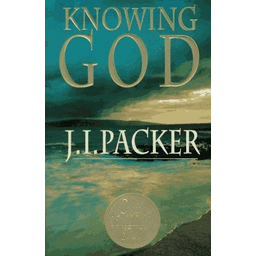 Knowing GodJ.I. Packer’s 1973 classic on the doctrine of God has sold more than 1.5 million copies and is still the book most pastors hand to laypeople who want theology that goes somewhere - here’s what it actually does and who it’s for.
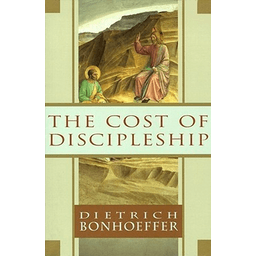 The Cost of DiscipleshipDietrich Bonhoeffer’s 1937 exposition of the Sermon on the Mount, written for pastors training under a regime that wanted them silent - and still the sharpest book in print on what following Jesus actually costs.
 Gentle and LowlyDane Ortlund’s 23 short chapters on Matthew 11:29 have quietly become the most-given new Christian book of the decade - and the reason is not what you’d guess.
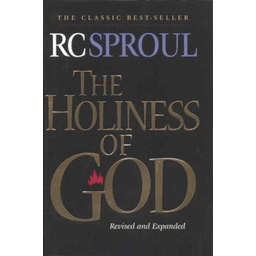 The Holiness of GodR.C. Sproul’s career-defining book on the one attribute of God the church most forgets - and the vision in Isaiah 6 he believed everything else flows from.
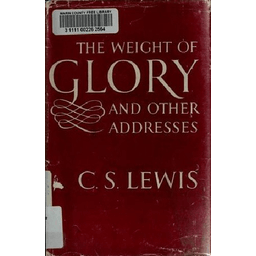 The Weight of GloryThe 1941 sermon many call Lewis's single finest piece of writing - "there are no ordinary people" - gathered with eight other addresses into one slim, uneven, unforgettable collection.
 The Pursuit of GodA.W. Tozer’s ten-chapter wake-up call on knowing God personally - short, severe, and the one devotional Reformed, Wesleyan, Catholic, and Orthodox readers all seem to keep on the nightstand.