Painter of the Bible
Andrea Schiavone (Andrea Meldola)
Andrea Schiavone — born Andrea Meldola in Zara (modern Zadar in Croatia) around 1510 and called Schiavone (the Slav) by his Italian contemporaries from his Dalmatian birthplace — was a leading Venetian Mannerist painter …

Their faith
Why Andrea Schiavone (Andrea Meldola) painted Christ
Andrea Schiavone, born Andrea Meldola, was a devout Christian whose faith deeply influenced his artistic output. Active in Venice during the Renaissance, he was surrounded by the rich traditions of Catholicism, which permeated the culture and art of the time. His dedication to his craft was evident in his numerous religious works, including altarpieces and devotional panels, which were created for churches throughout the Venetian region. Schiavone's training under the great masters like Tintoretto and Titian not only shaped his technical skills but also instilled in him a reverence for sacred subjects. His etchings and paintings reflect a profound engagement with scripture, as he sought to convey the beauty and depth of Christian narratives through his art.
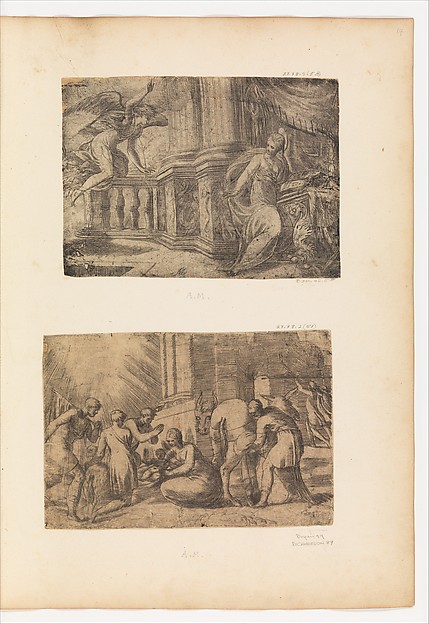
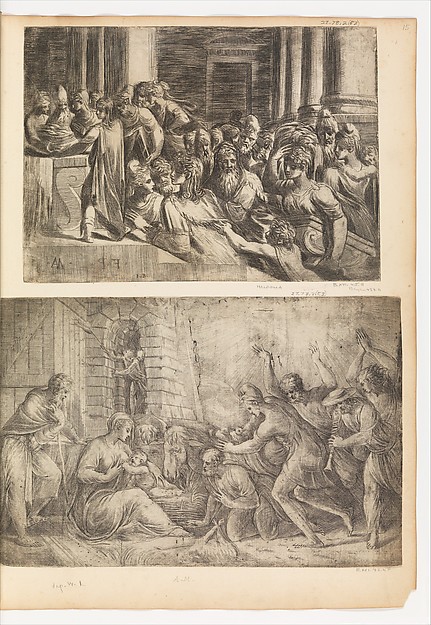
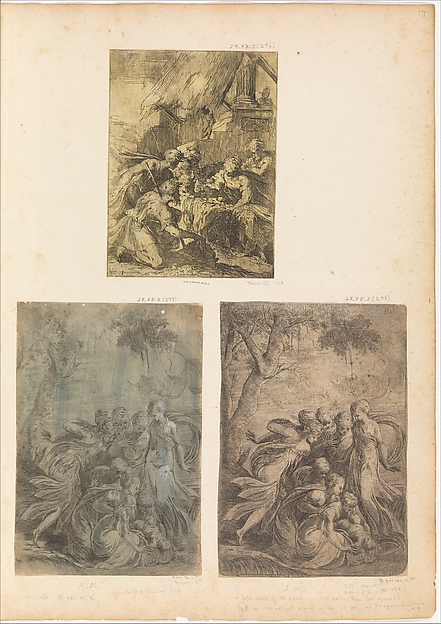
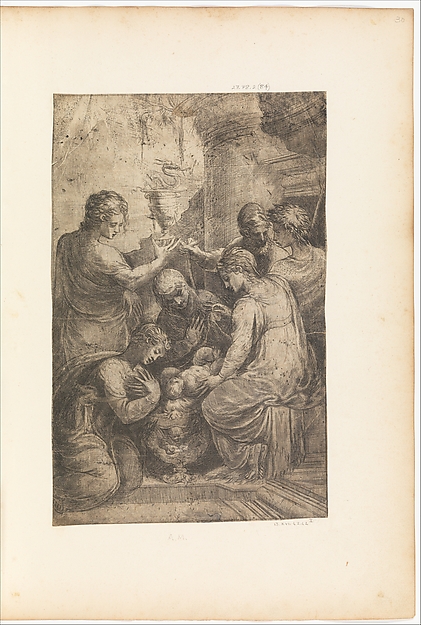
Schiavone's faith is particularly evident in works such as the Saint Mark Altarpiece located in the Doge's Palace, which showcases his ability to combine vibrant colors with dynamic compositions typical of the Mannerist style. His etching of the Adoration of the Shepherds captures the humble yet profound moment of Christ's birth, inviting viewers to reflect on the significance of this event. Through these pieces, Schiavone not only demonstrated his artistic prowess but also his desire to inspire devotion and contemplation among the faithful. Even today, his works continue to resonate with viewers, serving as a testament to the enduring power of faith and the beauty of divine inspiration in art.
Life & work
Andrea Schiavone — born Andrea Meldola in Zara (modern Zadar in Croatia) around 1510 and called Schiavone (the Slav) by his Italian contemporaries from his Dalmatian birthplace — was a leading Venetian Mannerist painter and printmaker of the middle of the sixteenth century. Born in Dalmatia in the Venetian-controlled coastal region, trained in Venice in the orbit of Tintoretto and the late Titian, and active in Venice for almost his entire career, he died in Venice in 1563.
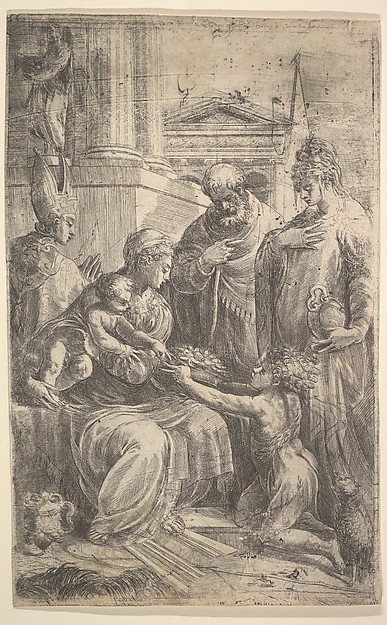
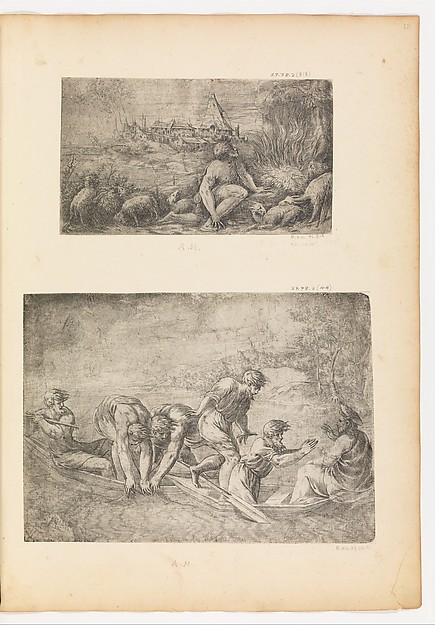
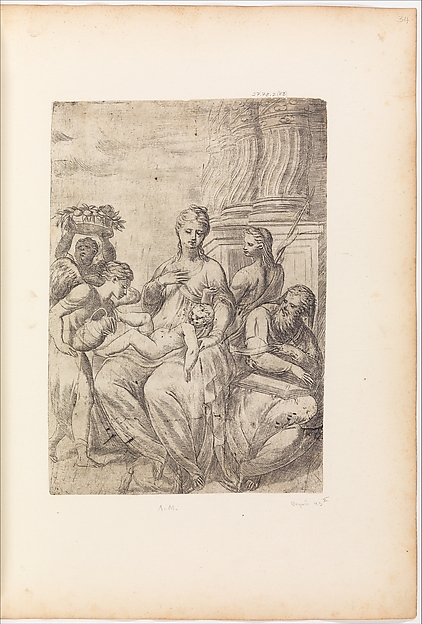
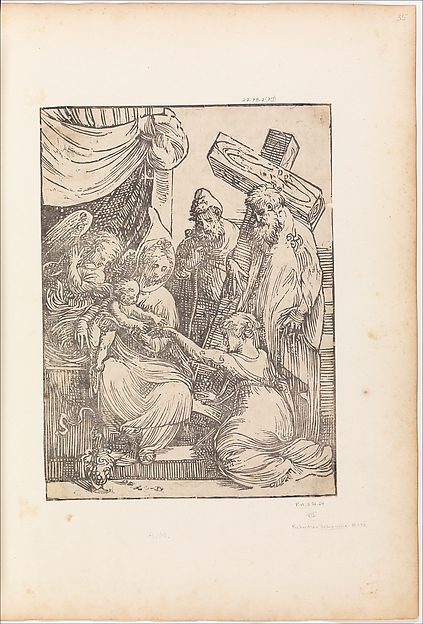
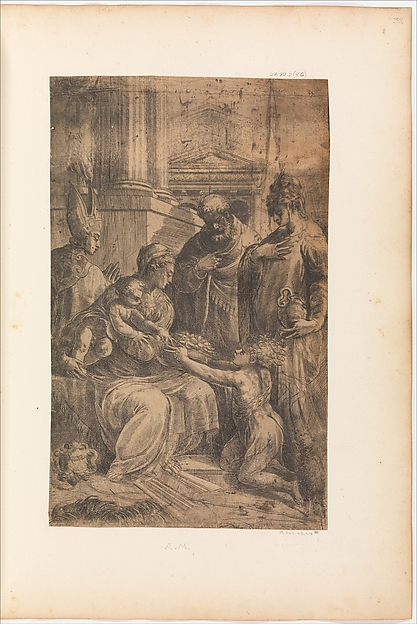
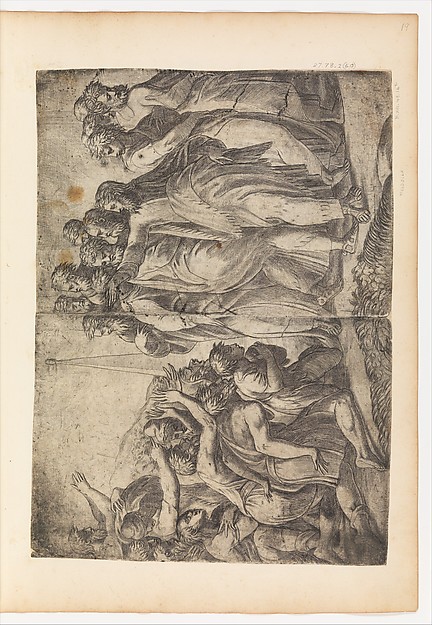
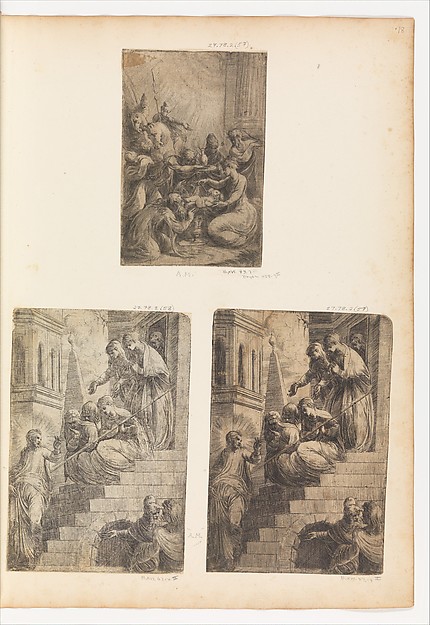
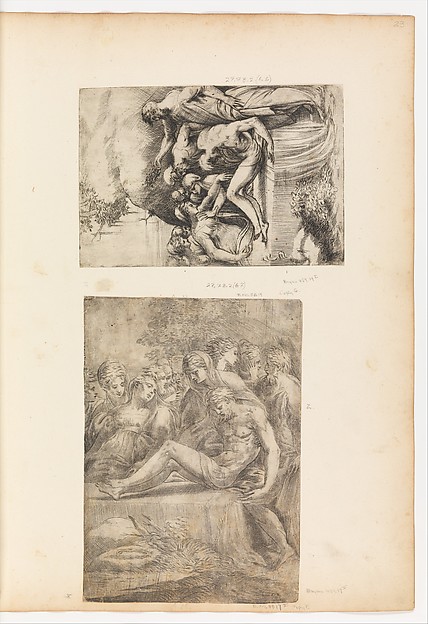
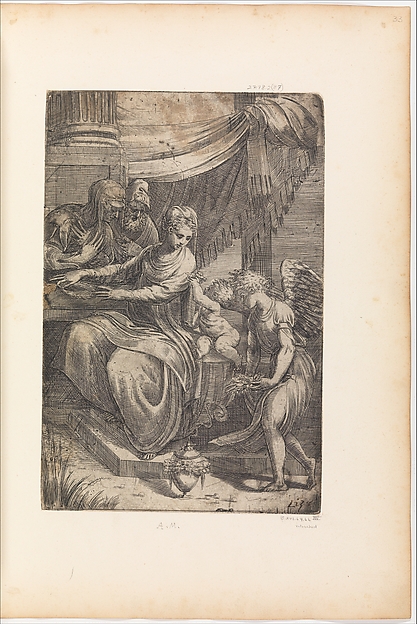
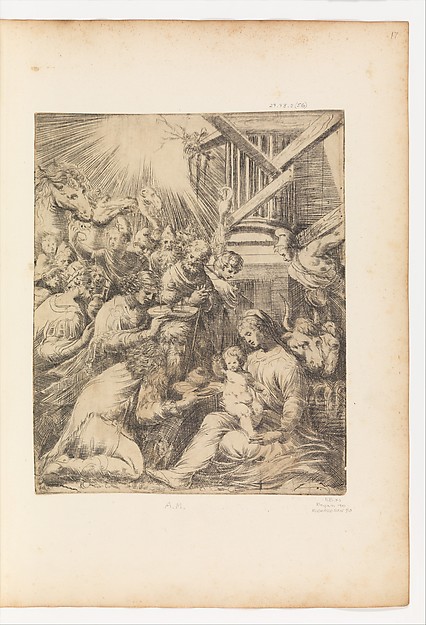
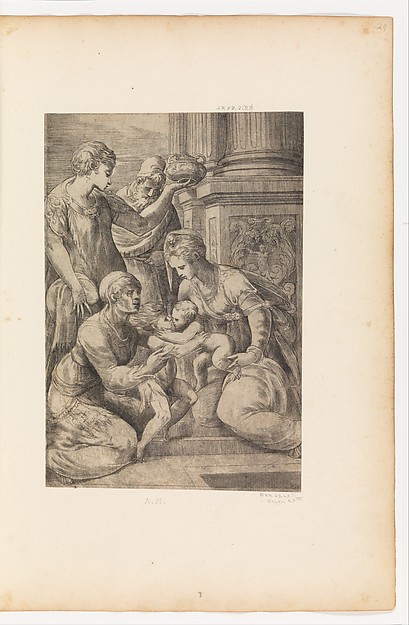
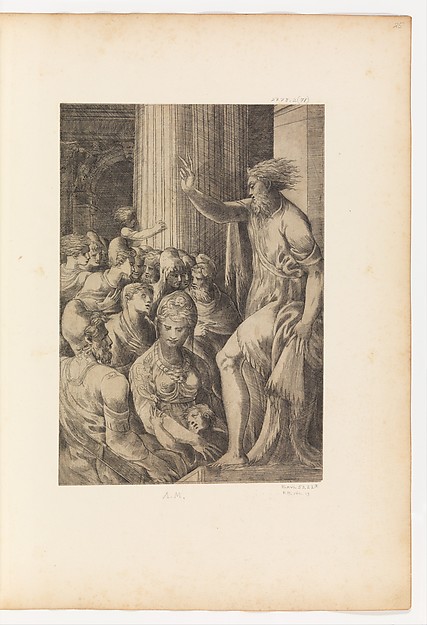
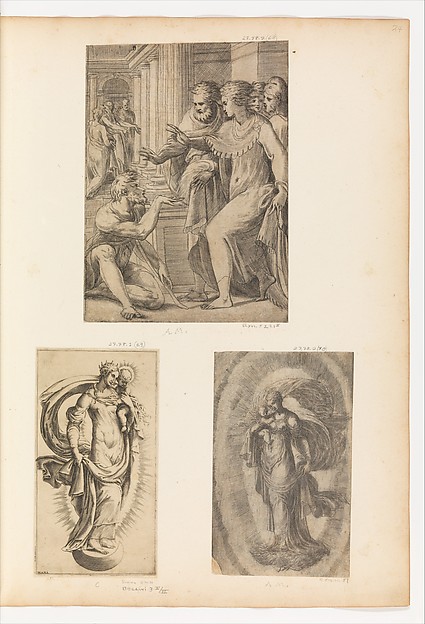
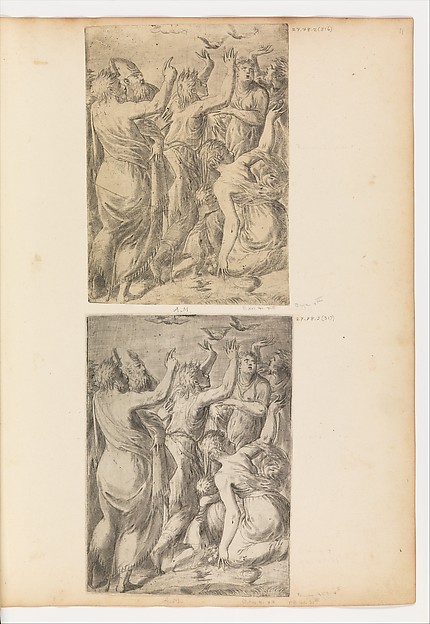
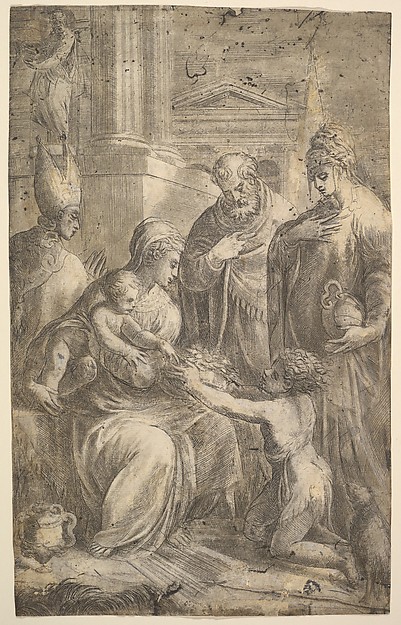
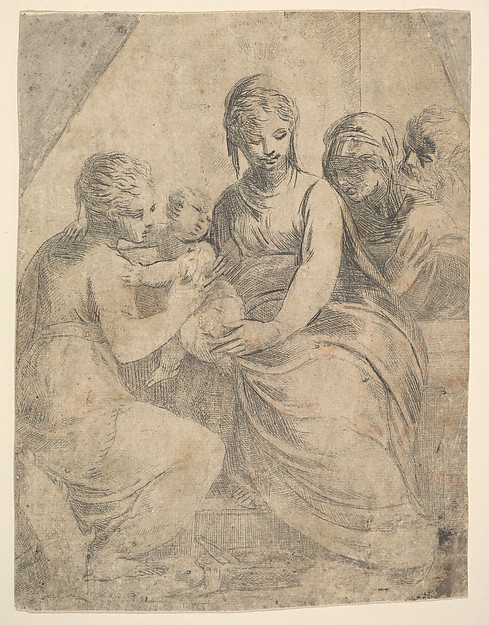
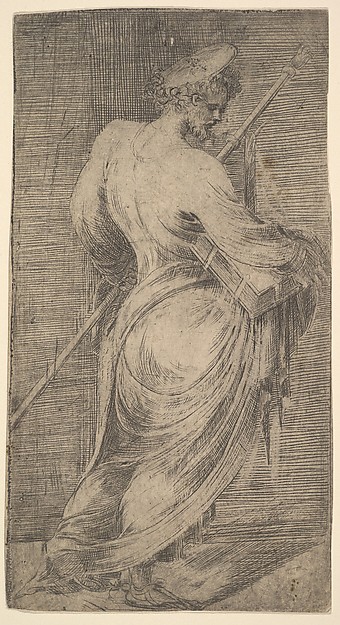
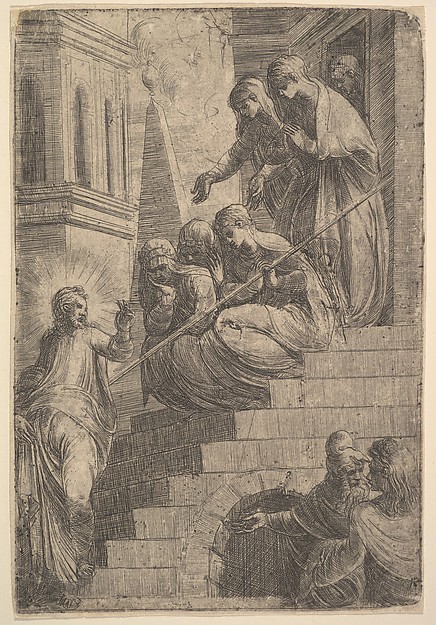
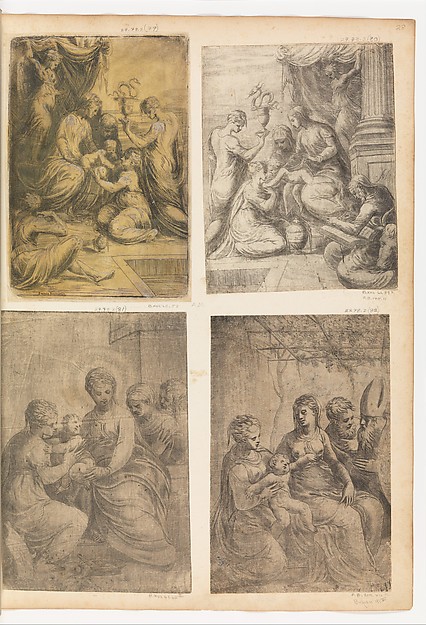
His Christian religious work is concentrated in altarpieces, small devotional panels, and (above all) a substantial body of etchings produced for the Venetian print market. The Saint Mark Altarpiece in the Doge's Palace in Venice, the Madonna and Saints altarpieces in workshop variants for Venetian and Veneto parish churches, the Adoration of the Magi compositions, the late Annunciation altarpieces, and several dozen etched compositions — the Adoration of the Shepherds, the Beheading of John the Baptist, the Nativity, the Holy Family, the various Old Testament narratives — fill the painted-and-printed corpus.
His personal style — combining Venetian late-Renaissance color and atmospheric handling with the dense Mannerist compositional energy that he absorbed from Tintoretto and from the engraved compositions of Parmigianino (whose etching technique Schiavone studied closely and helped popularize in Venice) — gave him a distinctive position in the mid-Cinquecento Venetian school. His etchings in particular were widely admired in his lifetime; Vasari mentions him with approval in the second edition of the Lives, and the next generation of Venetian etchers — including Annibale Carracci's Bolognese followers and the early Antwerp printers — directly studied Schiavone's prints.
He worked in close stylistic dialogue with the young Tintoretto across the 1540s and 1550s; some surviving panels are stylistically close enough to both painters that scholarly attribution remains contested. He died in Venice in poverty (the early biographers report that he was buried in a pauper's grave) and the eighteenth century mostly forgot him; the modern recovery of his reputation dates from the late nineteenth century with the Italian connoisseur Adolfo Venturi's reattribution work.