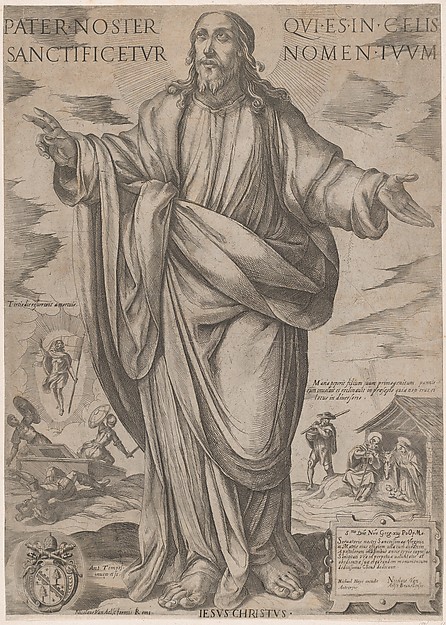
Painter of the Bible
Antonio Tempesta
Antonio Tempesta was a Florentine-born painter and one of the most prolific etchers of the Italian late Renaissance, the artist whose printed compositions of biblical history, hunting scenes, and battles circulated throu…
%252C%2520RP-P-1918-1773.jpg%3Fwidth%3D600&w=2048&q=75)
Their faith
Why Antonio Tempesta painted Christ
Antonio Tempesta was a devout Catholic artist whose faith was intricately woven into the fabric of his work. Born in Florence in 1555, he was trained in the workshop of Santi di Tito and later influenced by the Flemish Mannerist Joannes Stradanus. His dedication to his craft was not merely professional but deeply spiritual, as he sought to depict the grandeur of biblical narratives through his art. Tempesta's etchings and paintings reflect a profound reverence for scripture, which he approached with the intention of educating and inspiring his audience. His works were not only artistic endeavors but also acts of devotion, intended to uplift the viewer's spirit and deepen their understanding of the Christian faith.
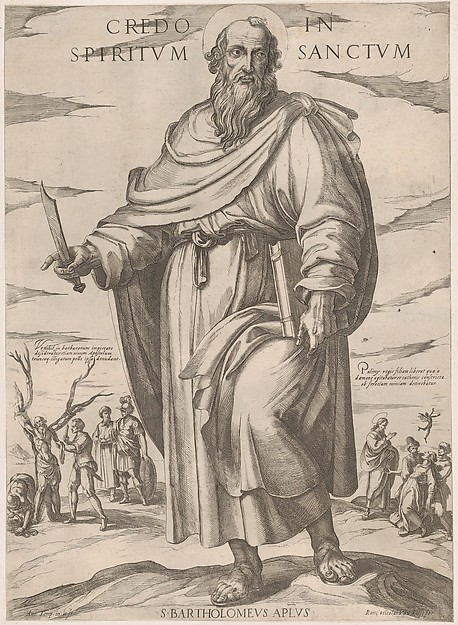
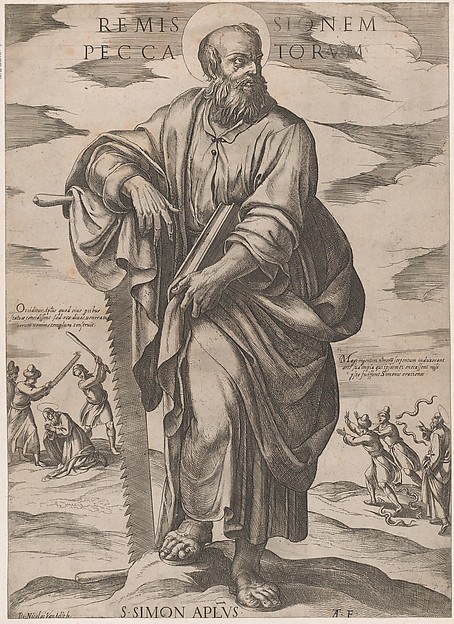
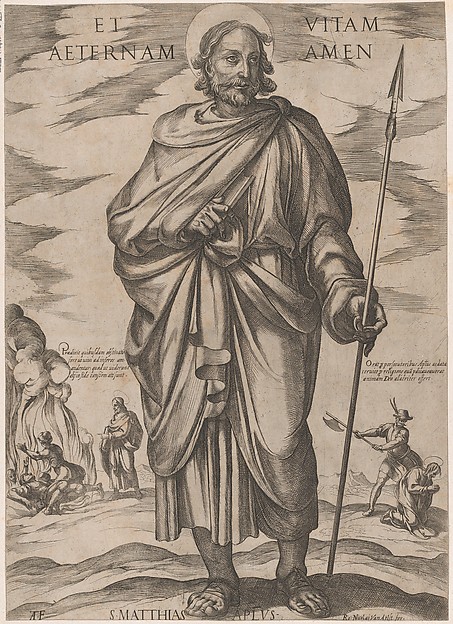
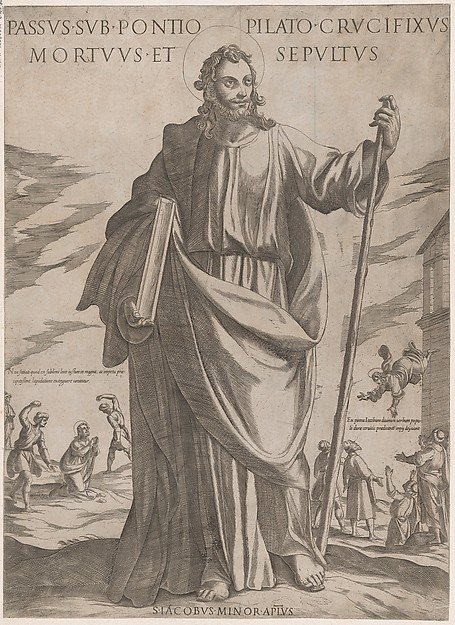
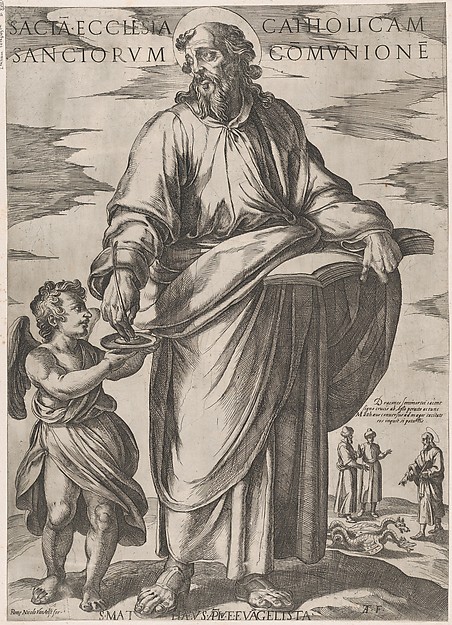
Tempesta's most notable contributions to religious art are found in his extensive series of etchings, particularly the "Sacrae Historiae Acta" and "Sacrae Historiae Tabulae," published in 1613. These 220 small etchings of biblical scenes provided a visual concordance of scripture that was widely circulated across Catholic Europe, allowing believers to connect with the narratives of the Old and New Testaments. His depictions of the Passion of Christ and the Acts of the Apostles are especially powerful, revealing his desire to convey the depth of Christ's sacrifice and the transformative power of faith. Through his art, Tempesta not only documented biblical history but also invited viewers into a deeper relationship with God, reminding us that the beauty of devotion continues to resonate through the ages, inspiring new generations to explore their faith.
Life & work
Antonio Tempesta was a Florentine-born painter and one of the most prolific etchers of the Italian late Renaissance, the artist whose printed compositions of biblical history, hunting scenes, and battles circulated throughout Catholic Europe in editions of thousands. Born in Florence in 1555, trained in the workshop of Santi di Tito and then with the Flemish Mannerist Joannes Stradanus (Jan van der Straet) — whose influence on Tempesta's animal anatomy and battle compositions is direct — he moved to Rome in his late twenties and worked there as both painter and printmaker for the rest of his life. He died in Rome in 1630.
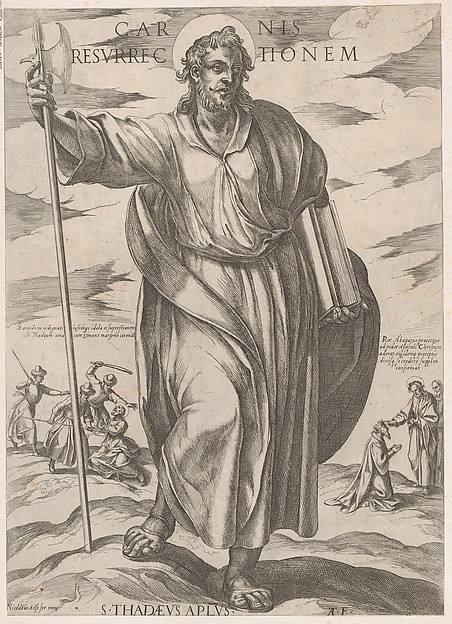
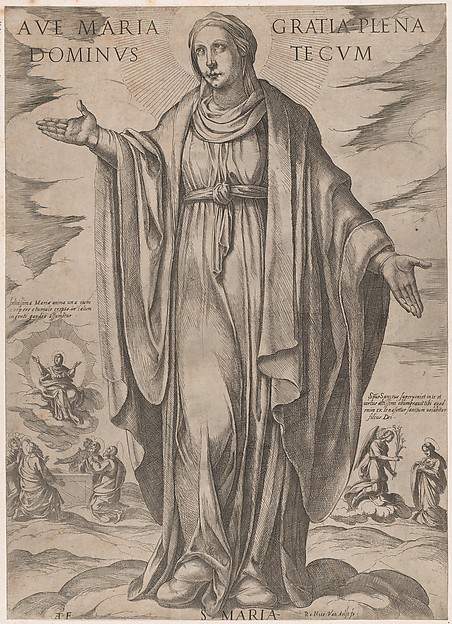
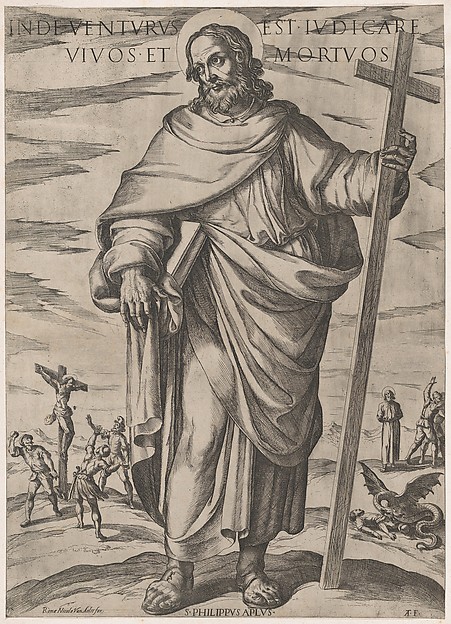
His painted output included frescoes for the Vatican (the Galleria delle Carte Geografiche, where he supplied the populated landscape views around Egnazio Danti's maps, 1580s) and ceiling and wall decorations for Roman palaces, but his lasting reputation rests on his etchings. The Old and New Testament series — most importantly the great suite of 220 small etchings of biblical scenes published in 1613 as Sacrae Historiae Acta and Sacrae Historiae Tabulae — provided artists, copyists, and embroiderers across Europe with a complete visual concordance of biblical narrative. The Acts of the Apostles in twelve plates, the Passion of Christ, the Apocalypse, and dozens of single-leaf devotional etchings circulated through publishers in Rome, Antwerp, Paris, and Augsburg.
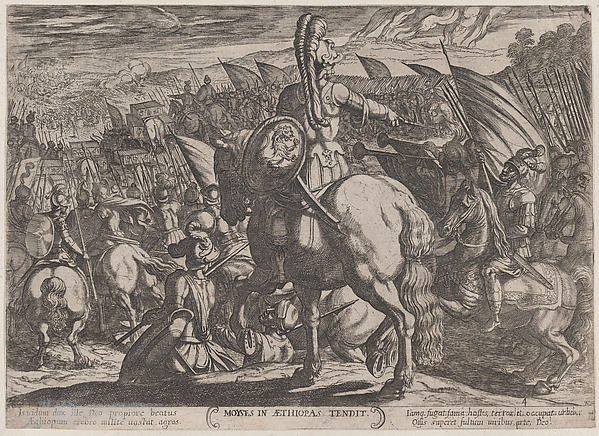
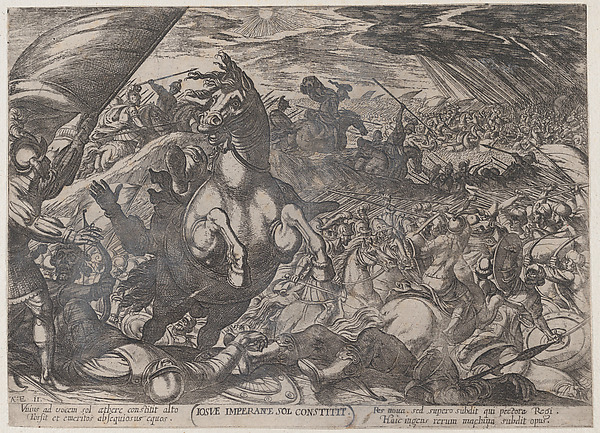
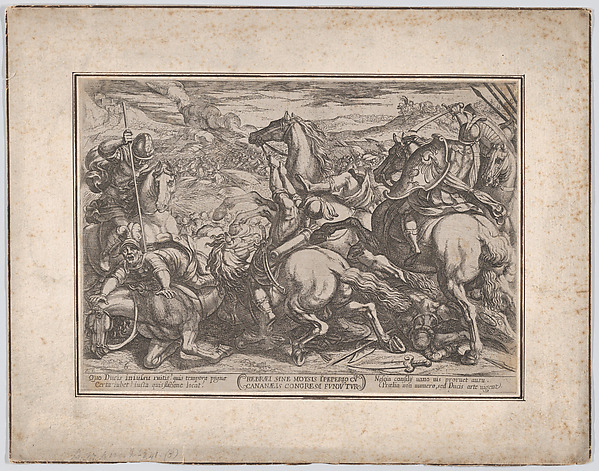
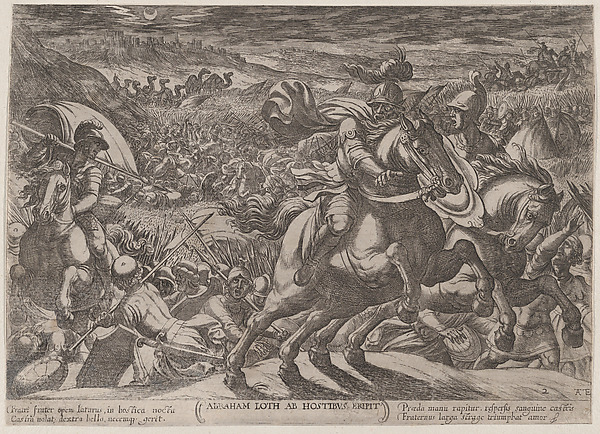
He was also the master of the printed battle scene. The Battles of Alexander, the Triumphs of Caesar, and the Hunts series — large multi-plate compositions of cavalry, weapons, and animals in motion — taught generations of European artists how to draw a charging horse. The young Jacques Callot was his pupil in the Florentine workshop years and learned from him both the etching technique and the dense, multi-figure composition that Callot would later perfect in Lorraine.
Tempesta's combination of inexhaustible invention, fluent etched line, and reliable distribution through publishers made him, at his peak, the most widely seen Italian print artist of his generation. The Sacrae Historiae plates were copied directly by craftsmen of every kind — embroiderers, silversmiths, ivory carvers, manuscript illuminators — and shaped the visual habits of religious art in the Catholic world from Spain to the Spanish New World.
Notable works in detail
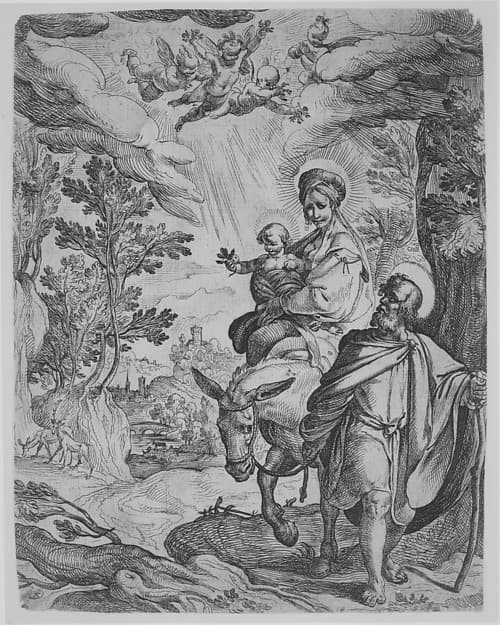
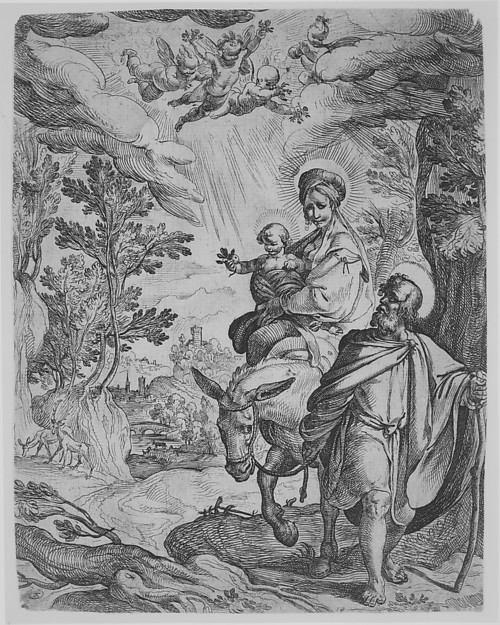
The Flight into Egypt, etched by Antonio Tempesta around 1555 in his Florentine workshop years before his move to Rome, depicts the apocryphal subject of the Holy Family fleeing from King Herod's persecution as recorded in Matthew 2. Tempesta stages the scene as a panoramic landscape with the Virgin riding on the small donkey holding the Christ Child, Joseph leading the donkey on foot, and a small attending angel guiding them along a winding road through an Italianate countryside with hills, distant towns, and small grazing animals. The print belongs to the prolific output of single-leaf religious etchings Tempesta produced for the Italian and broader European devotional print market and is one of the standard small-format treatments of the subject in late sixteenth-century Italian printmaking.
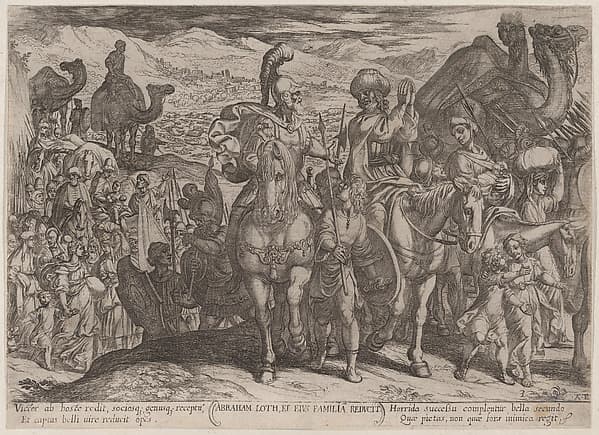
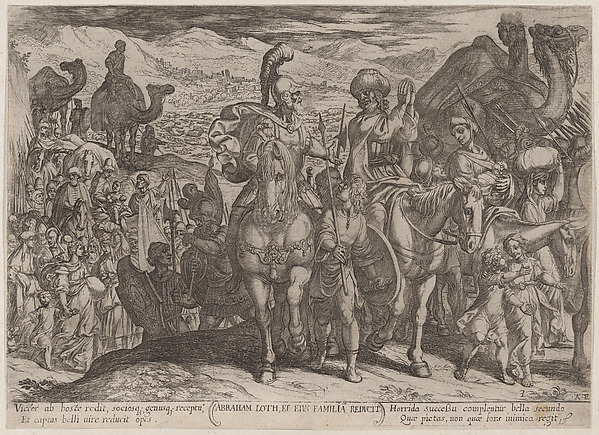
Plate 3: Abraham Taking Lot and His Family to His Own Land, from "The Battles of the Old Testament"
Plate 3, Abraham Taking Lot and His Family to His Tents (from The Battles of the Old Testament), etched by Antonio Tempesta around 1585 in his Roman workshop, illustrates an early episode from the Genesis narratives in which Abraham receives his nephew Lot and Lot's family at his encampment. Tempesta stages the scene as a panoramic landscape encounter: Abraham at the lower right greeting the arriving party, Lot and his family in formal procession with their flocks and possessions, the encampment of tents in the deeper background, and a sweeping landscape of hills and distant towns. The plate belongs to the great Tempesta series of Old Testament battle and patriarchal scenes that circulated as small-format engraved Bibles and as standalone prints throughout the Catholic European publishing market for over a century.
met-401303
Plate 8, The Egyptians Drowning in the Red Sea (from The Battles of the Old Testament), etched by Antonio Tempesta around 1585 in his Roman workshop, illustrates the climactic moment of Exodus 14 in which the Lord brings the waters back over the pursuing Egyptian army after the Israelites have crossed the dry sea floor. Tempesta stages the scene with characteristic dramatic compositional density: the Israelites visible on the far shore in the upper register, the closing wall of the sea in the upper-center crashing back across the trapped Egyptian army of horse and chariot in the lower register, with Moses on the Israelite shore raising his rod in the act of commanding the waters. The print is among the most reproduced of the great Tempesta Old Testament battle series.
met-401344
Plate 23, Judith and Holofernes (from The Battles of the Old Testament), etched by Antonio Tempesta around 1585 in his Roman workshop, illustrates the climactic moment of the deuterocanonical Book of Judith in which the young Hebrew widow saws through the neck of the drunken Assyrian general in his command tent. Tempesta stages the act with characteristic dense narrative composition: Judith standing over the bed in the act of beheading, the elderly servant Abra holding open the linen sack to receive the head, the body of Holofernes sprawled across the bed, and the small Assyrian camp visible in the distant background outside the tent. The plate belongs to the great series of Old Testament narratives Tempesta produced in Rome through the 1580s and 1590s, prints that circulated through European Catholic publishing networks for over a century.
Bible scenes Antonio Tempesta painted
Matthew
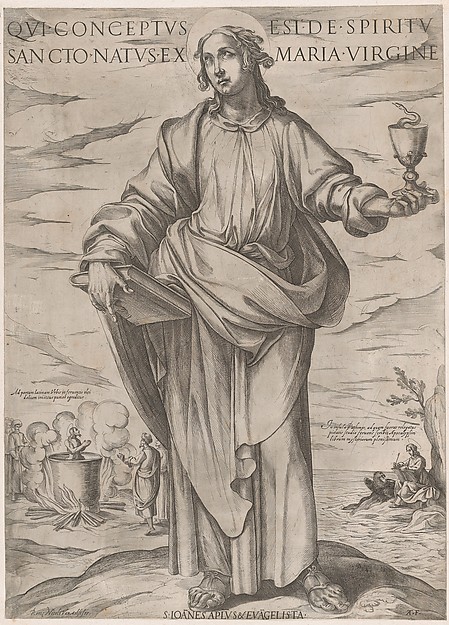
John
Luke
Exodus
Joshua
Genesis
Revelation
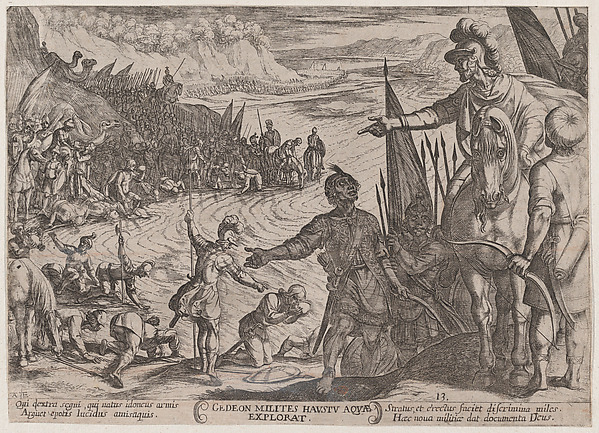
Judges