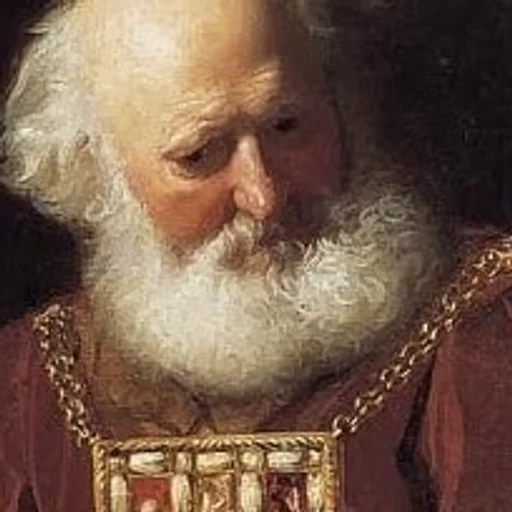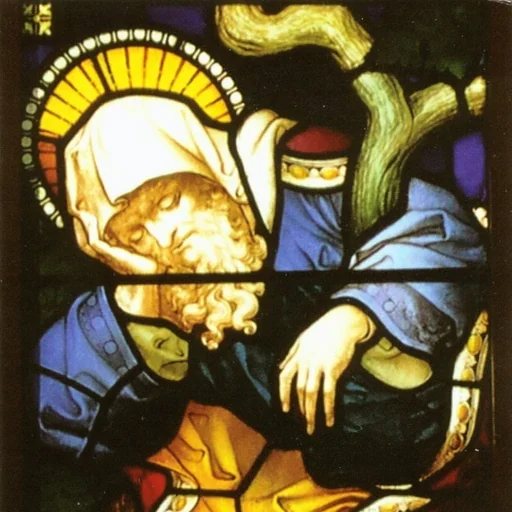


Who was Samuel in the Bible?
A child given to God who grew up in the temple and became the prophet who anointed Israel’s first two kings.
Prophet, priest, judge
c. 1100 BC
A child given to God who grew up in the temple and became the prophet who anointed Israel’s first two kings.
Follow the reading trailBEYOND THE NAME
Born in answer to Hannah’s prayer and raised by Eli the priest. Heard God call him as a boy. Anointed both Saul and David. The last of the judges and the bridge into the monarchy.
Themes in the authored commentary
FOLLOW THE PASSAGES
Selected passages and introductions help you read this person’s story in context.
The child who learns to hear and answer the LORD
The young Samuel hears a call while serving under Eli. Eli helps him recognize that it is the Lord speaking. The message Samuel receives is difficult, introducing his prophetic role within a troubled priestly household.
The aging prophet whose sons “walked not in his ways”
Israel’s elders ask Samuel to appoint a king. Samuel brings the request to God and warns the people about the demands of kingship. The passage explains the transition in which Samuel will play a decisive role.
the prophet sent to anoint a new king, taught to see by the heart and not the eye
God sends Samuel to Jesse’s household, where David is chosen from among the sons. The narrative contrasts outward appearance with God’s knowledge of the heart. Samuel’s action begins David’s path toward kingship while Saul still reigns.
THE PEOPLE AROUND THE PERSON
Recorded parents
Recorded children
Relationships follow the source graph. Some are interpretive or uncertain, and individual verse citations are not yet available for every connection.
STUDY & INTERPRETATION
Samuel stands at the seam between two ages of Israel - the era of the judges and the era of kings. He is prophet (he speaks for God), priest (he offers sacrifice), and judge (he rules). His name means "God has heard." Like Christ, he holds three offices in one person, foreshadowing the prophet-priest-king to come.
From the Learn of Christ person commentary. Read alongside the linked Scripture passages.KEEP SCRIPTURE CLOSE
19 authored chapter guides feature this person. This is guide coverage, not an exhaustive count of biblical mentions.
ASK A BETTER QUESTION
Identity, story, early-life sources, family, and where to read.
A child given to God who grew up in the temple and became the prophet who anointed Israel’s first two kings.
Born in answer to Hannah’s prayer and raised by Eli the priest. Heard God call him as a boy. Anointed both Saul and David. The last of the judges and the bridge into the monarchy.
The individualized passage index associates this Samuel record with 1 Samuel, 1 Chronicles, 2 Chronicles, Psalms, Jeremiah, Acts, Hebrews. There are 120 distinct indexed verse references in the 66-book Bible. Browse the book-by-book list below; it separates this identity from other people who share the name. Source assignments and textual identifications can require interpretation.
First Samuel 1–3 gives a substantial account of Samuel’s early life: Hannah’s prayer, his birth and dedication, his service under Eli, and the Lord’s call to him. Hannah continued to bring him a little coat as he grew.
Samuel’s source record lists Elkanah (father), Hannah (mother), Joel (child), Abijah (child). These are source-graph relationships; legal family, uncertain identifications, and ancestral language require the cautions below. Individual verse evidence is not yet retained for every family edge.
Samuel stands at the seam between two ages of Israel - the era of the judges and the era of kings. He is prophet (he speaks for God), priest (he offers sacrifice), and judge (he rules).
Answers draw on our existing authored biography and linked chapter studies. Where supplied, verse assignments come from the individualized STEP Bible index. Childhood answers distinguish documented events from gaps in the available sources.
FIND THE PERSON IN THE TEXT
120 distinct verse references in the source’s 66-book index. These are indexed name assignments, rather than every indirect allusion to this person. A name may also refer to descendants, a tribe, or a nation; read each passage to distinguish that usage from the individual.
“Wherefore it came to pass, when the time was come about after Hannah had conceived, that she bare a son, and called his name Samuel, saying, Because I have asked him of the LORD.”
1 Samuel 1:20 · King James Version
“Then Saul drew near to Samuel in the gate, and said, Tell me, I pray thee, where the seer’s house is.”
1 Samuel 9:18 · King James Version
“And Samuel said, Hath the LORD as great delight in burnt offerings and sacrifices, as in obeying the voice of the LORD? Behold, to obey is better than sacrifice, and to hearken than the fat of rams.”
1 Samuel 15:22 · King James Version
“And what shall I more say? for the time would fail me to tell of Gedeon, and of Barak, and of Samson, and of Jephthae; of David also, and Samuel, and of the prophets:”
Hebrews 11:32 · King James Version
References are adapted from STEP Bible / Tyndale House TIPNR (CC BY 4.0). Deduplicated, matched to this identity, and checked against the bundled KJV’s verse bounds. Interpretive assignments and translation/versification differences may remain. This index is separate from evidence for individual family relationships.
YOUR OWN OBSERVATIONS
Notes, saved people, and study marks stay in this browser. They do not sync to your account.
KEEP EXPLORING
People featured in the same study guides. Sharing a chapter does not establish a family relationship.