Painter of the Bible
Anonymous, German, 15th century
The Anonymous, German, 15th-century attribution covers approximately 54 artworks in the catalogue from the German-speaking lands of the late Middle Ages and early Renaissance whose original makers cannot be identified.
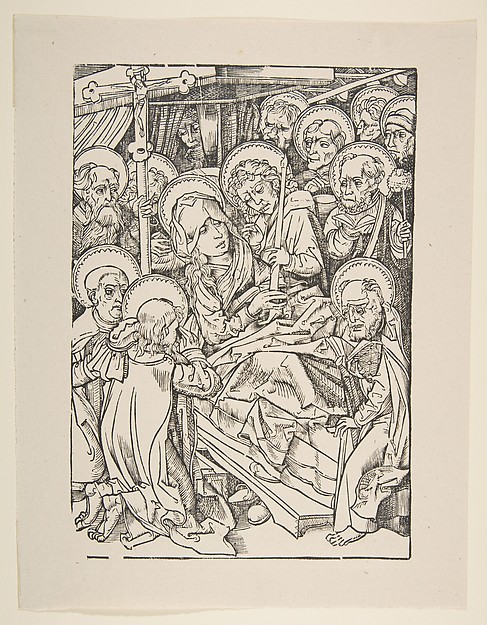
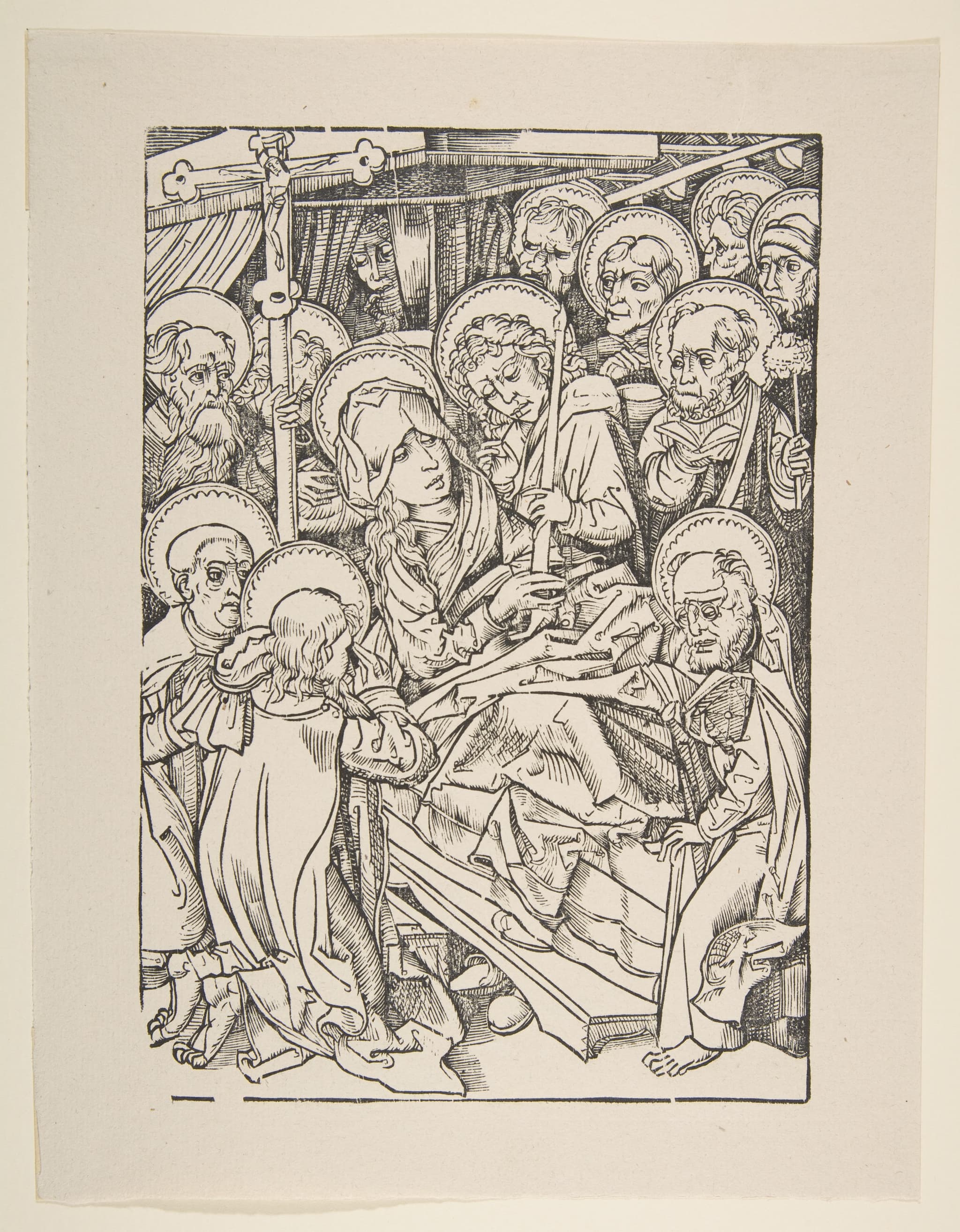 The Death of the Virgin
Their faith
Why Anonymous, German, 15th century painted Christ
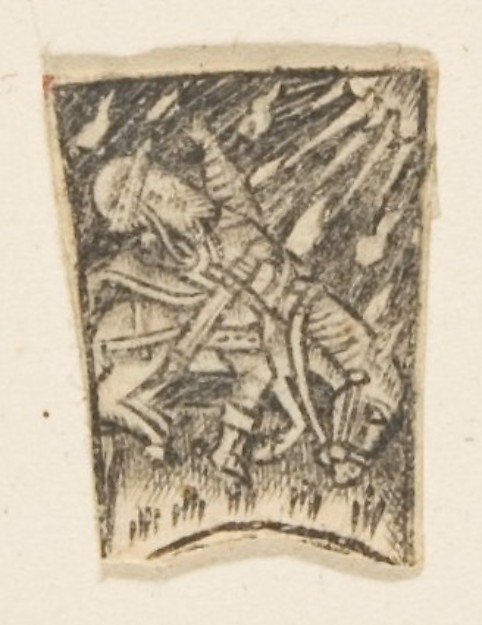
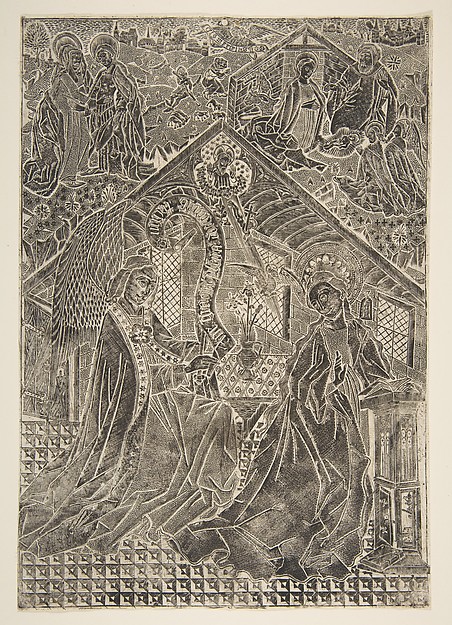
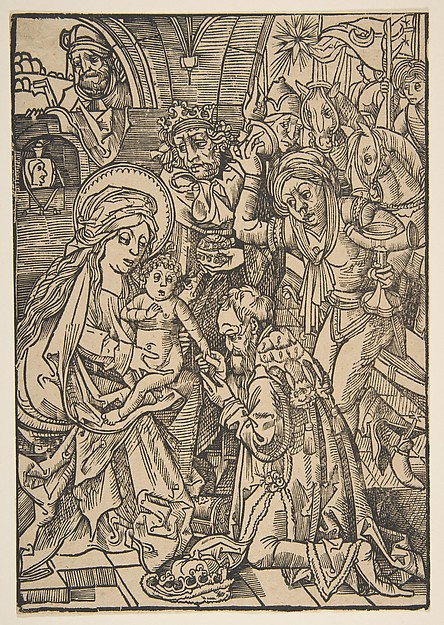
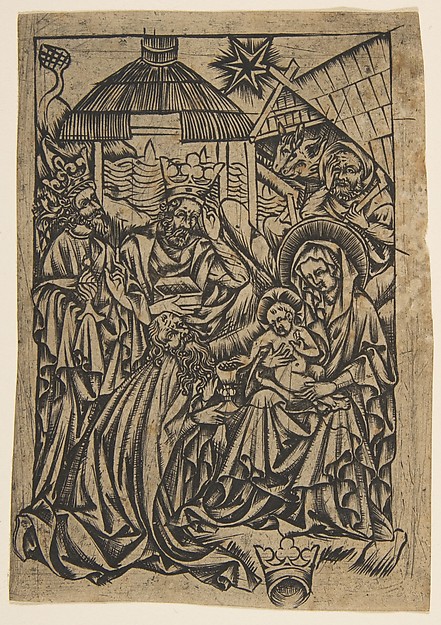
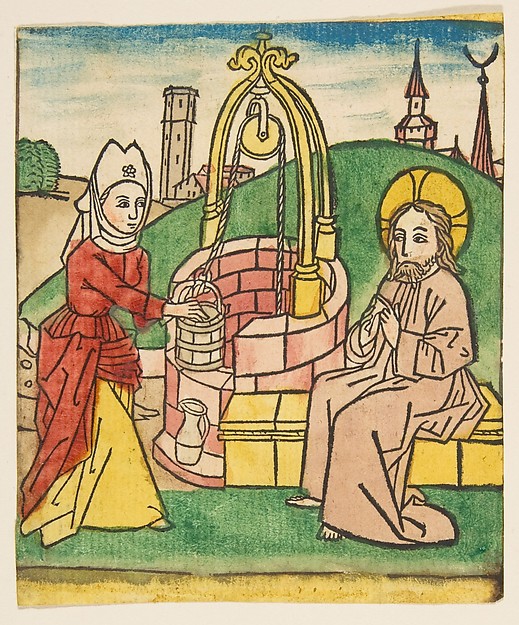
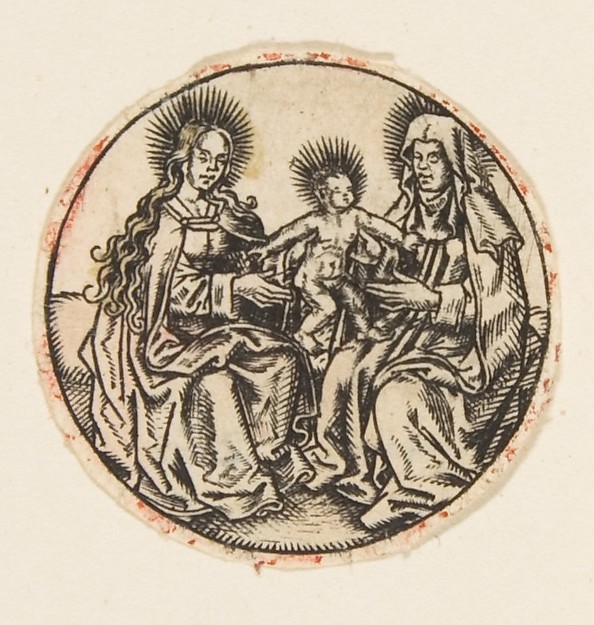
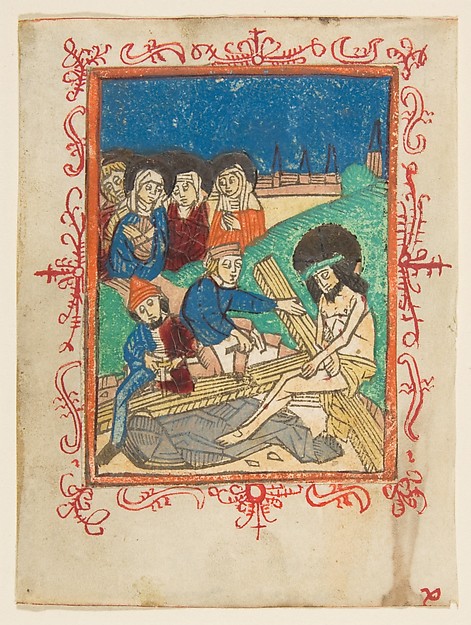
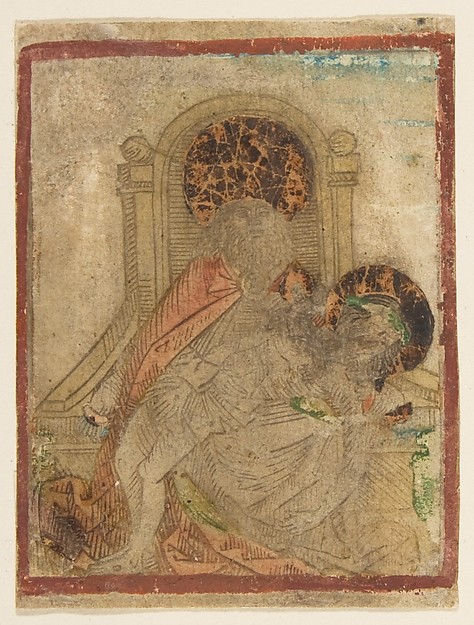
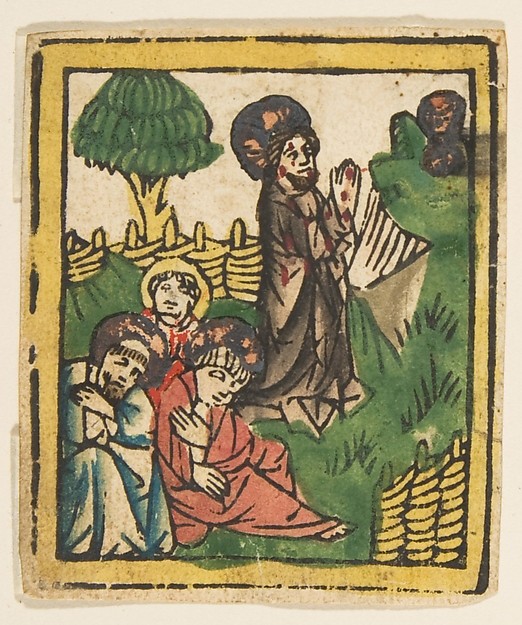
The Anonymous German artist of the 15th century represents a collective devotion to Christian themes that flourished during a pivotal time in the history of art and faith. This era, marked by the rise of engraving and woodcut techniques, saw artists across German-speaking lands creating works that were deeply rooted in their Christian beliefs. Although the specific identity of this artist remains unknown, the artworks produced reflect a profound reverence for scripture and the sacred narratives of Christianity. The devotional practices of the time, influenced by the burgeoning printing technology, allowed for the widespread distribution of religious imagery, enabling the faithful to engage with the divine in their homes and communities. The small engravings and woodcuts, often depicting scenes such as the Crucifixion and Madonna, served as visual meditations that invited viewers into a deeper relationship with Christ.
The faith of this anonymous artist is evident in the themes and subjects chosen for their works. Paintings like the Crucifixion and various Madonna images embody the central tenets of Christian belief, illustrating the passion of Christ and the maternal love of Mary. These pieces not only reflect the artist's commitment to their faith but also resonate with the spiritual aspirations of the viewers. Each engraving or woodcut is a testament to the power of visual storytelling in conveying the message of the Gospel. Even today, the beauty and devotion captured in these works continue to inspire and uplift, reminding us of the enduring impact of faith expressed through art. Through these anonymous creations, the spirit of devotion lives on, drawing us closer to the heart of Christ and the rich tradition of Christian artistry.
Life & work
The Anonymous, German, 15th-century attribution covers approximately 54 artworks in the catalogue from the German-speaking lands of the late Middle Ages and early Renaissance whose original makers cannot be identified. The fifteenth century in Germany was the founding period of European engraving and the supreme period of late-medieval German devotional pictorial production — the generation between Conrad Witz at mid-century and Martin Schongauer and the early Albrecht Dürer at the end of the century, with the Master E. S., the Housebook Master, the Master of the Playing Cards, and dozens of named-by-monogram-only engravers active across the Rhineland, Franconia, Bavaria, and Swabia.
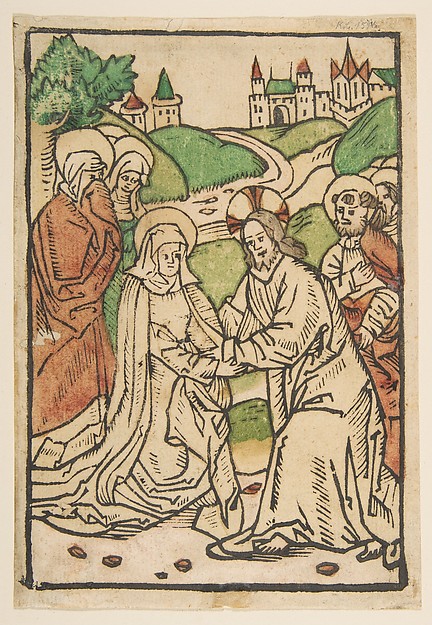
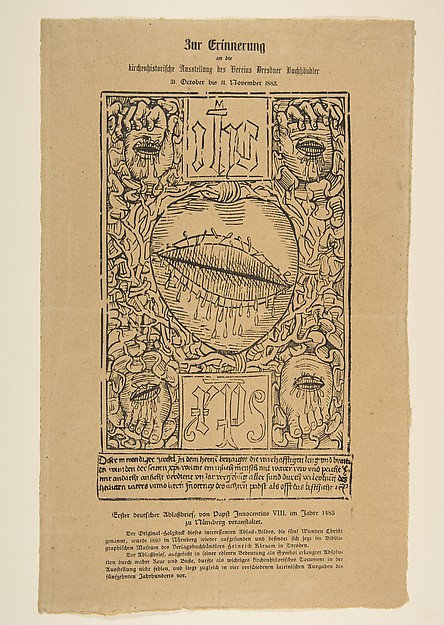
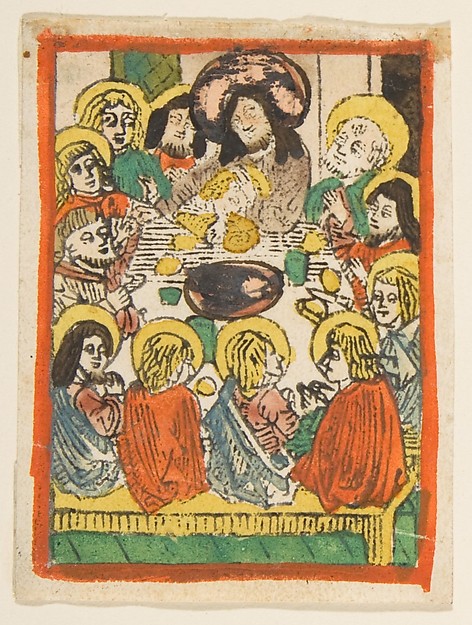
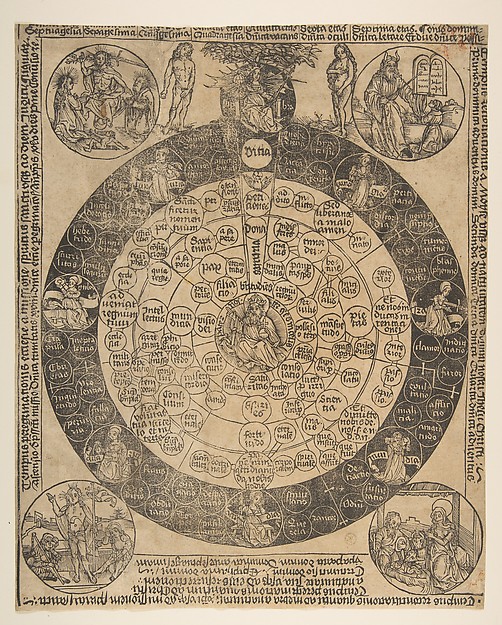
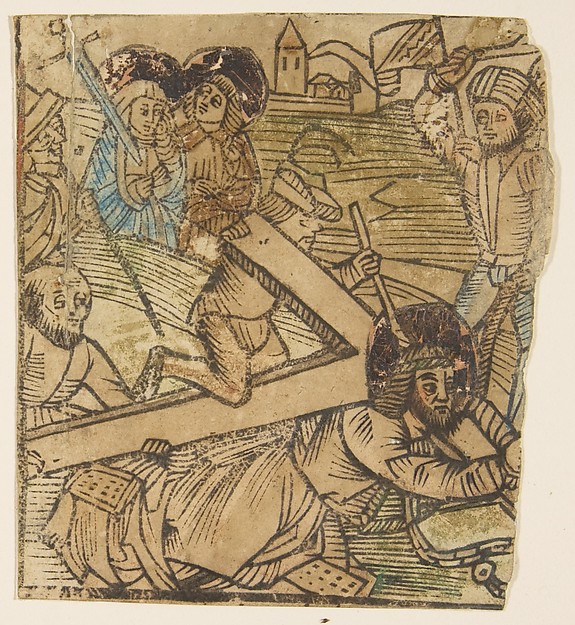
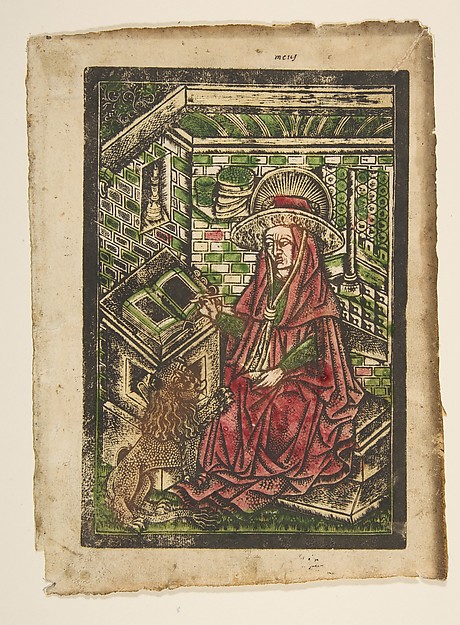
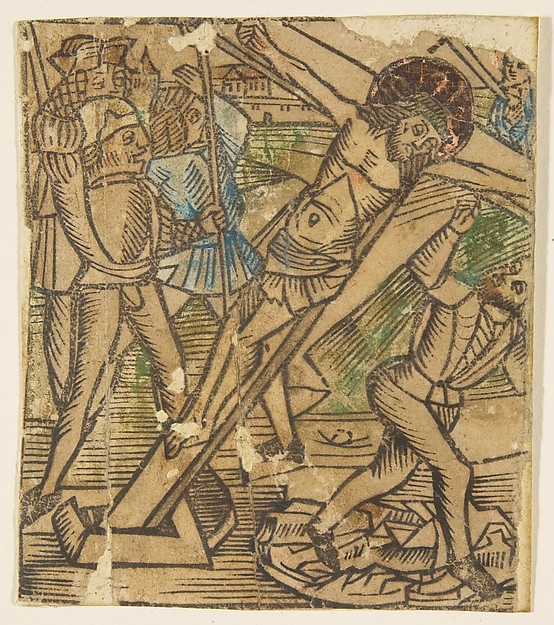
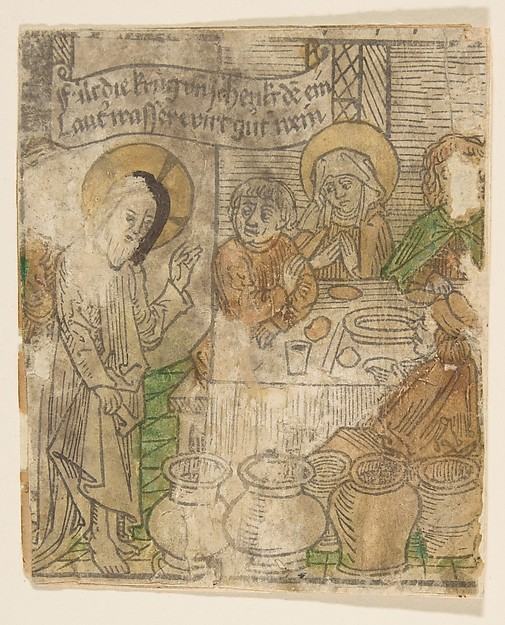
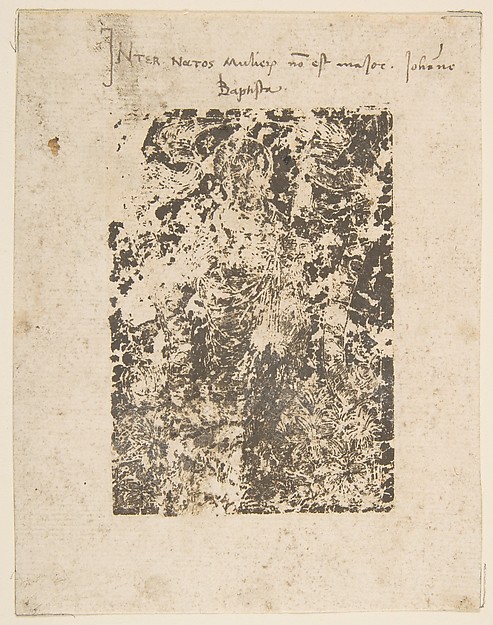
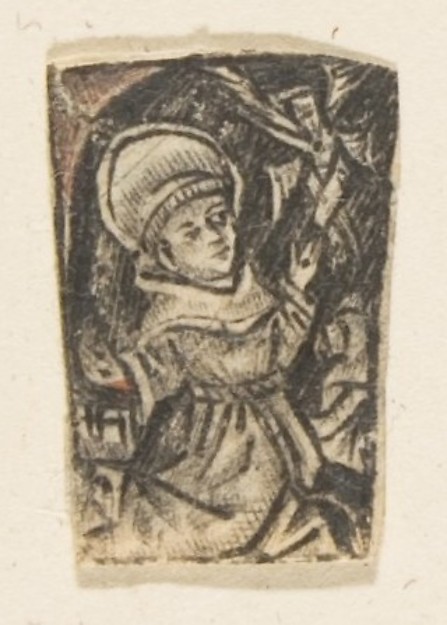
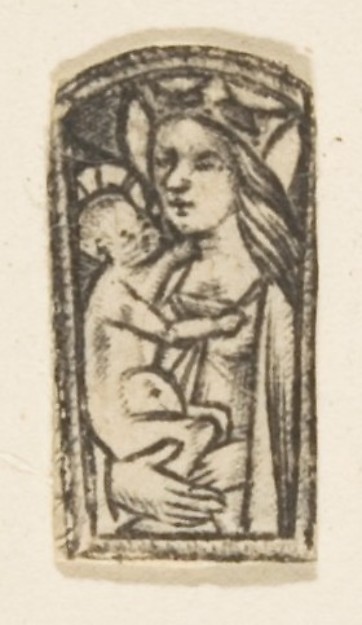
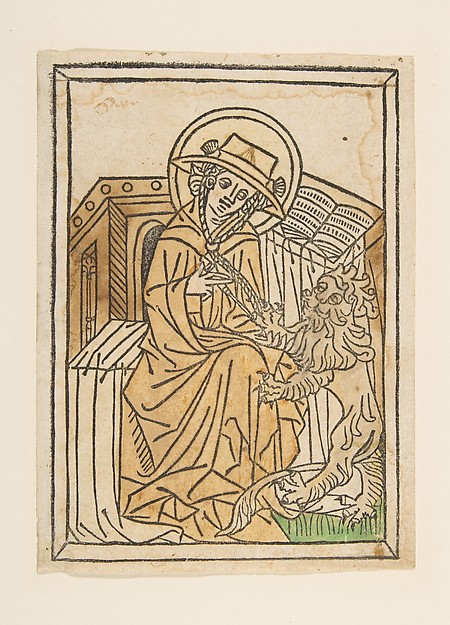
The bulk of the Anonymous German 15th-century works in the catalogue are small engravings, woodcuts, and printed broadsides on Christian devotional subjects — Crucifixions, Madonnas, Passion-cycle plates, single-figure apostles and saints, scenes from the Old Testament — produced for the German-speaking devotional market that was rapidly expanding with the new printing technology. Many of these prints survive in only a handful of impressions and represent a workshop tradition in which the individual master was less the organizing category than the workshop, the printing house, or the regional school. A typical Anonymous German 15th-century print is a small late-Gothic Madonna or Crucifixion produced in a Rhineland or Franconian workshop in the second half of the century.
The catalogue's German 15th-century anonymous group is a useful catchall for the surviving products of this dense regional workshop ecosystem. Where the workshop tradition has been more confidently identified (Master E. S., the Housebook Master, the Master of the Playing Cards, and the various named-by-monogram-only engravers), the catalogue records the works under those specific Notnamen attributions; the remaining "Anonymous, German, 15th century" works are the residual cases where the regional school is clear but the specific workshop attribution is not.