Painter of the Bible
Anonymous, Italian, Roman-Bolognese, 17th century
The Anonymous, Italian, Roman-Bolognese, 17th-century attribution covers approximately 61 artworks in the catalogue whose original makers — almost certainly painters and printmakers active in Rome and Bologna in the seve…
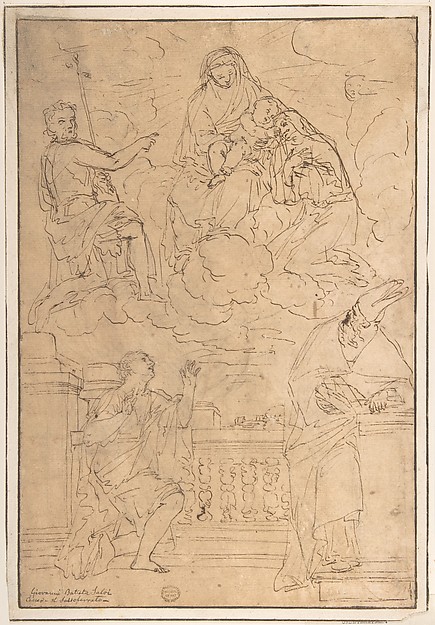
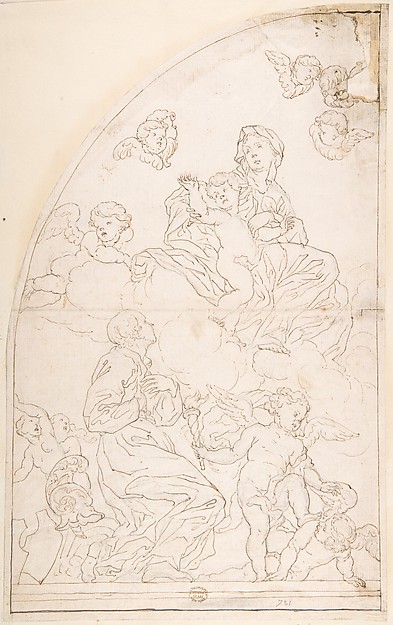
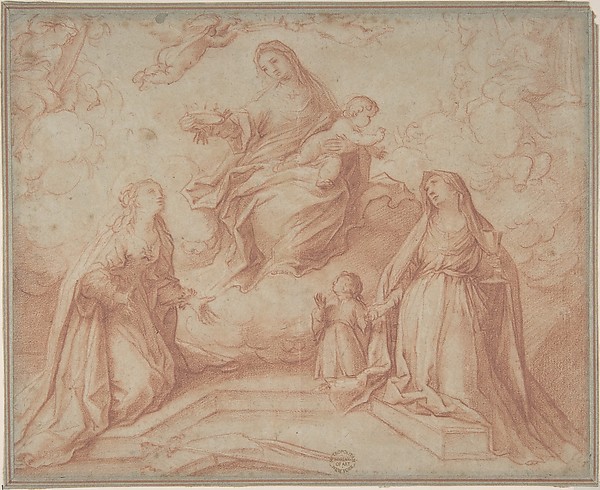
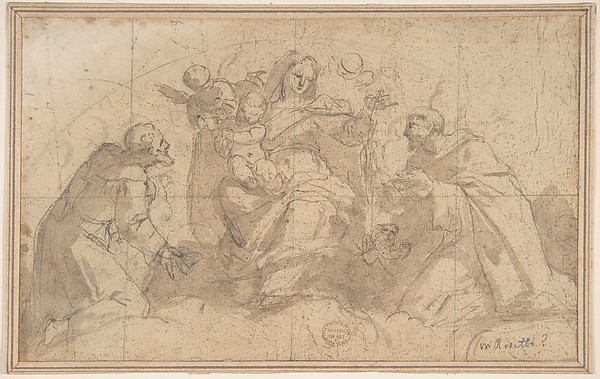
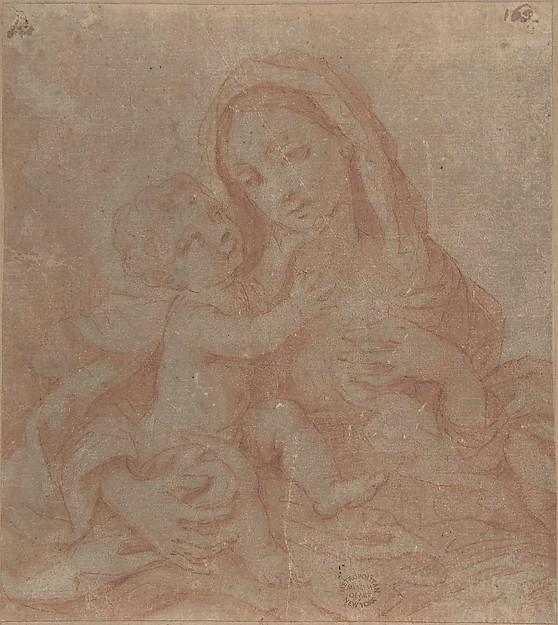
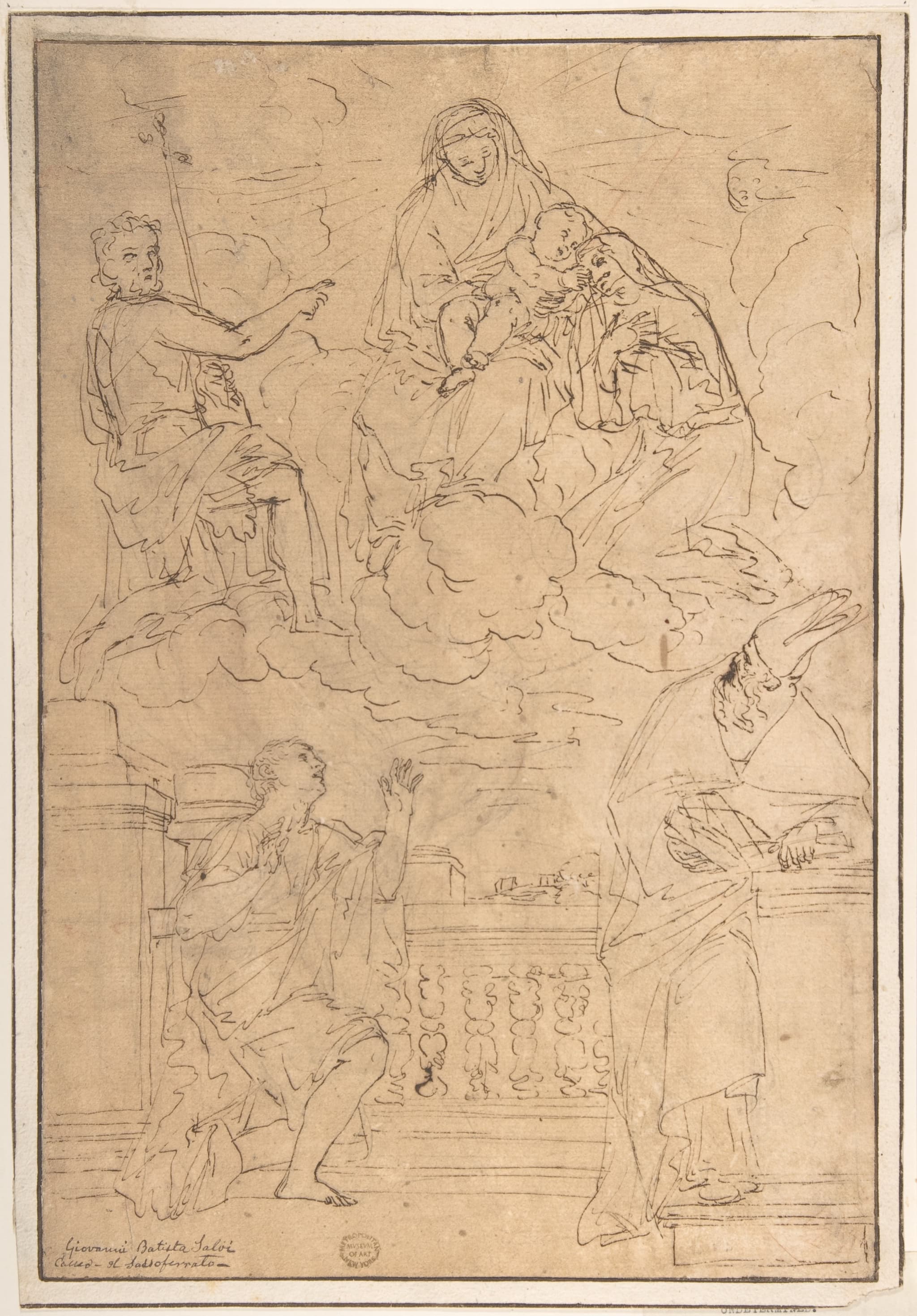 Madonna and Child with Saint John the Baptist and three other Saints
Their faith
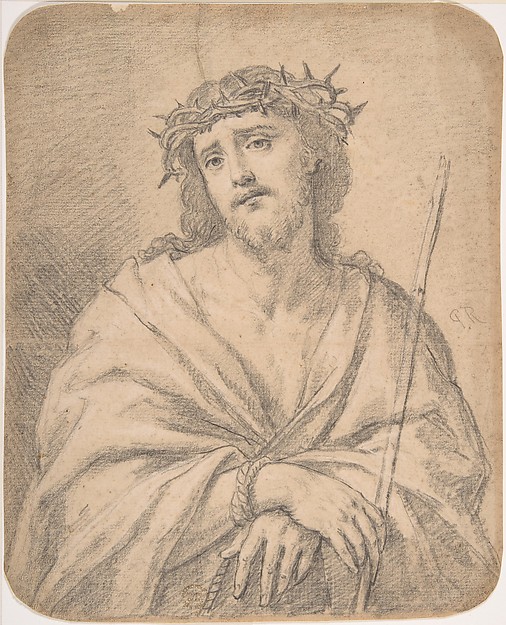
Why Anonymous, Italian, Roman-Bolognese, 17th century painted Christ
The Anonymous Italian artist from the Roman-Bolognese region of the 17th century represents a collective of painters and printmakers whose works reflect the profound spiritual devotion characteristic of the Baroque period. This era was marked by a fervent embrace of Catholicism, particularly in the wake of the Counter-Reformation, which sought to inspire faith through art. The artists within this anonymous group participated in the rich tradition of creating altarpieces and biblical scenes, often working in the workshops of renowned masters like the Carracci. Their commitment to depicting sacred subjects reveals a deep reverence for scripture and the Christian faith, as they sought to communicate divine truths through their art. The act of producing preparatory studies for altarpieces and biblical narratives signifies their devotion to enhancing the worship experience and fostering a connection between the viewer and the divine.
The works attributed to this anonymous group, though lacking individual signatures, embody the spiritual vision of the Baroque era. Their small drawings and prints serve as vital preparatory studies for larger altarpieces and biblical scenes, showcasing their dedication to the sacred narrative. Each piece, whether a single-figure saint composition or a biblical narrative, reflects the artists' desire to convey the beauty and majesty of Christ and the stories of the Bible. Through their artistry, they invite viewers to contemplate the divine, allowing the light of faith to shine through their works. Even in anonymity, their devotion resonates, reminding us that art can be a powerful medium for expressing and deepening our understanding of Christ's love and sacrifice.
Life & work
The Anonymous, Italian, Roman-Bolognese, 17th-century attribution covers approximately 61 artworks in the catalogue whose original makers — almost certainly painters and printmakers active in Rome and Bologna in the seventeenth century — cannot be definitively identified. The seventeenth century was the supreme productive period of the Roman and Bolognese pictorial schools, with the Carracci reform in Bologna at the turn of the seventeenth century and the Caravaggio revolution in Rome at the same moment producing the dominant Italian Baroque pictorial tradition that ran through Annibale, Domenichino, Reni, Lanfranco, and Pietro da Cortona in Rome and Ludovico, Albani, Guercino, and Cantarini in Bologna.
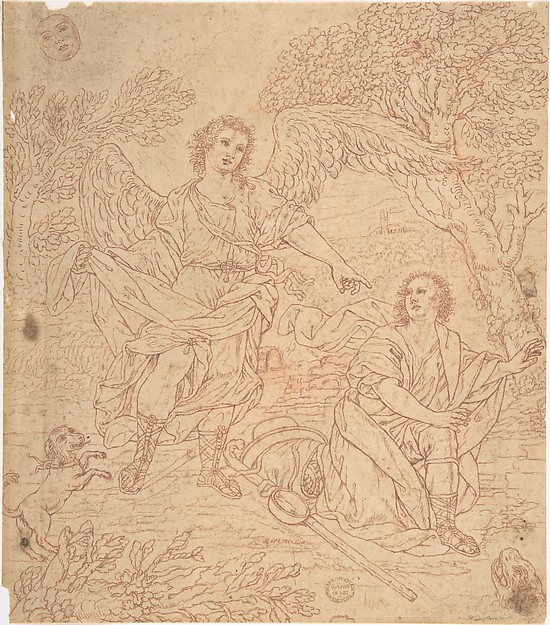
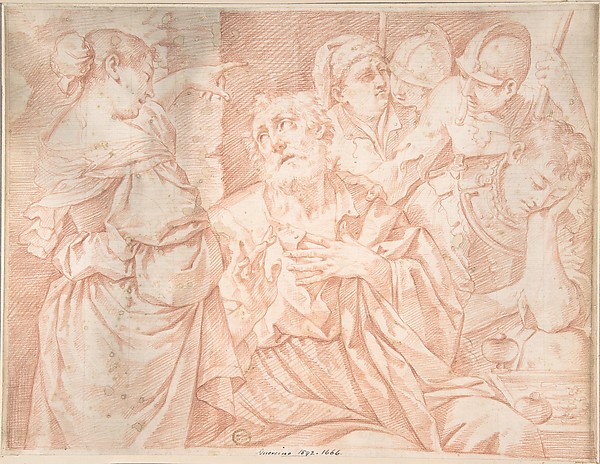
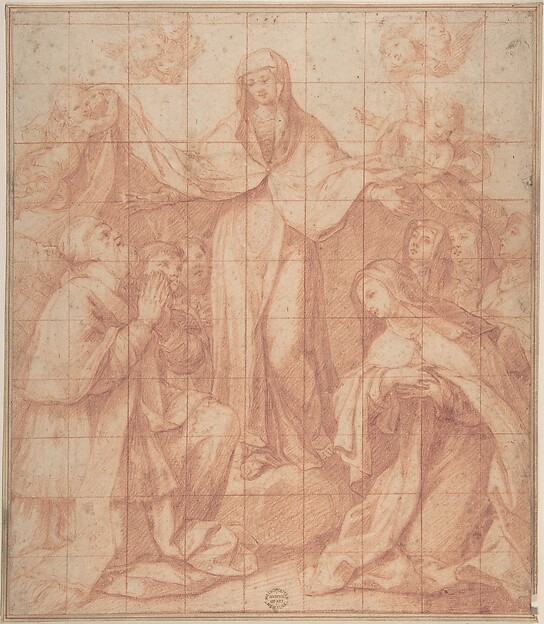
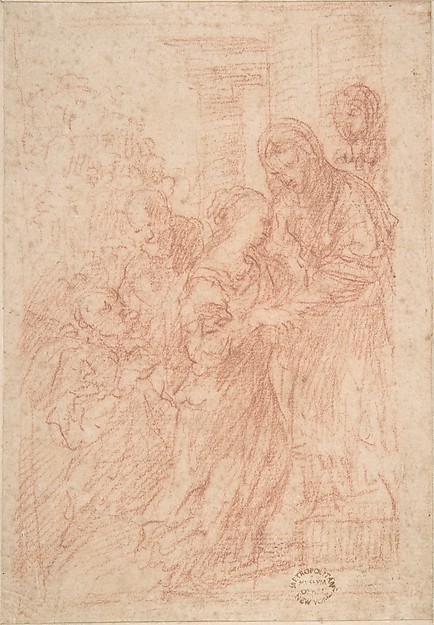
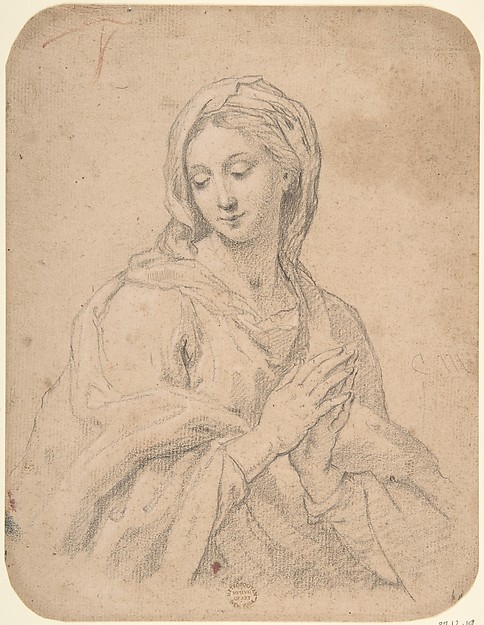
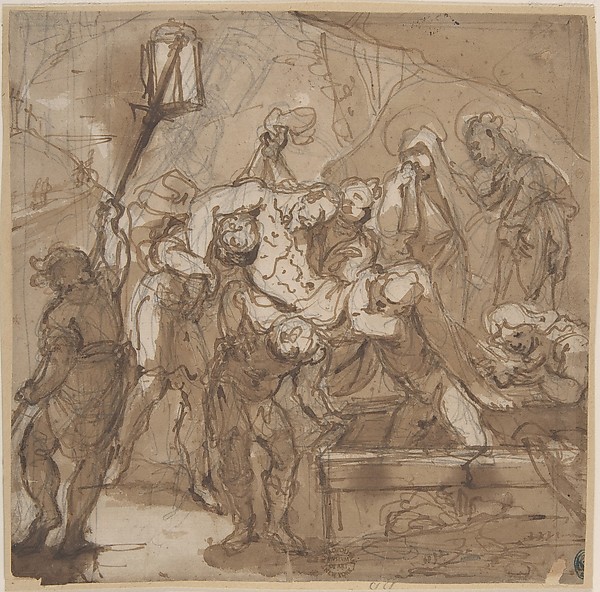
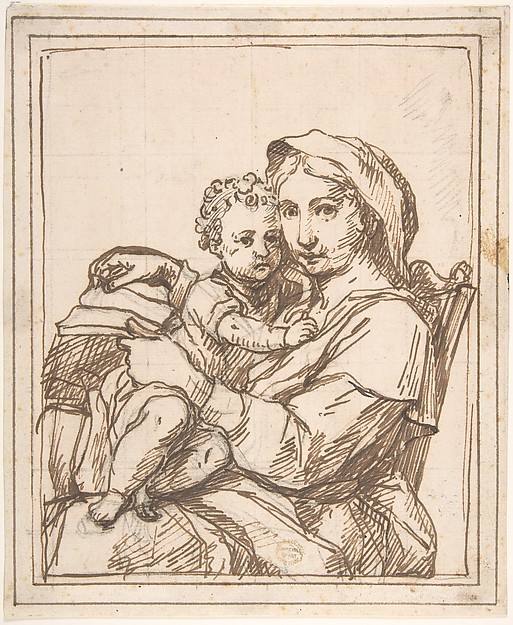
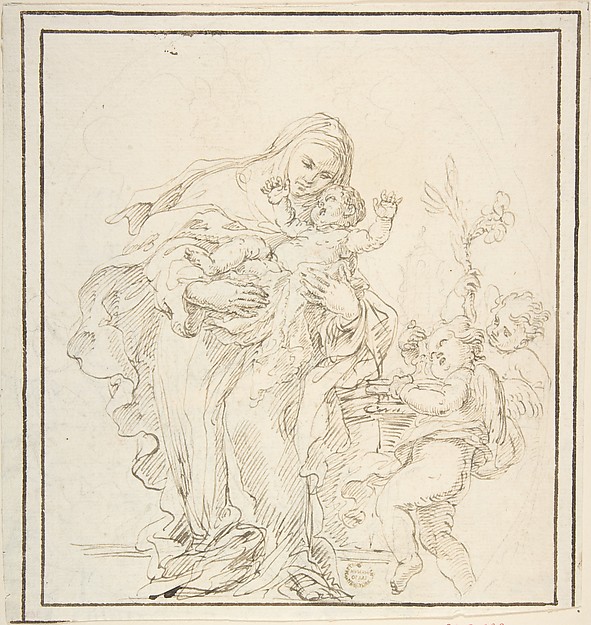
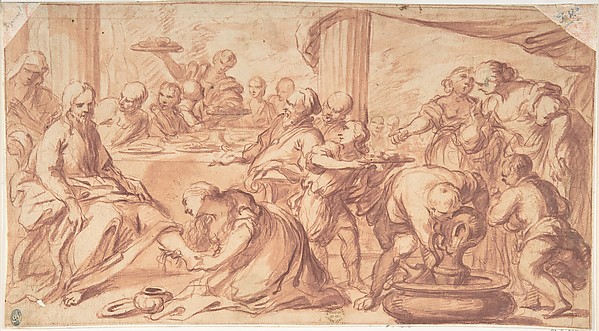
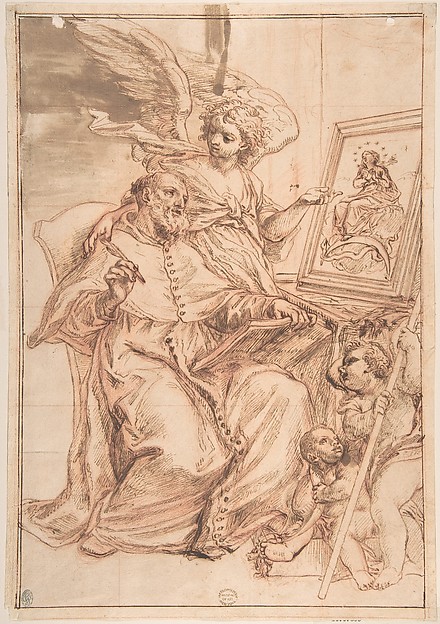
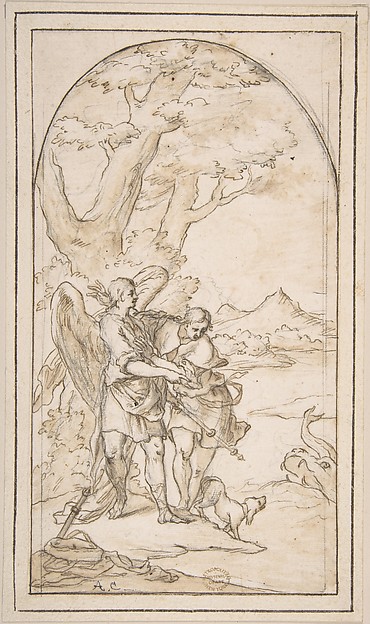
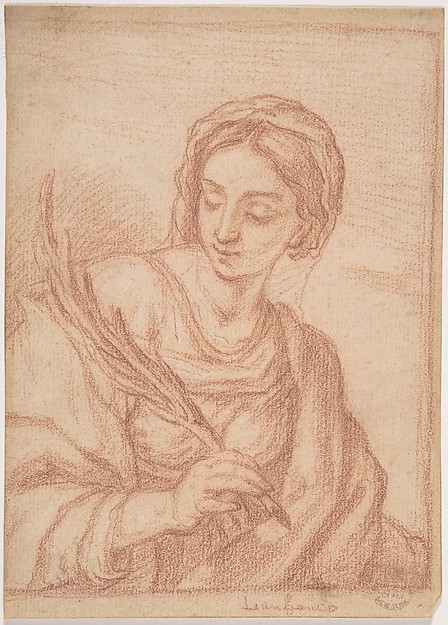
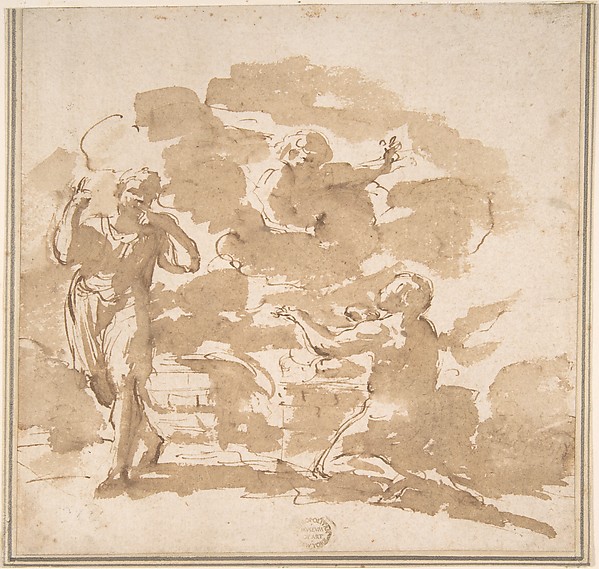
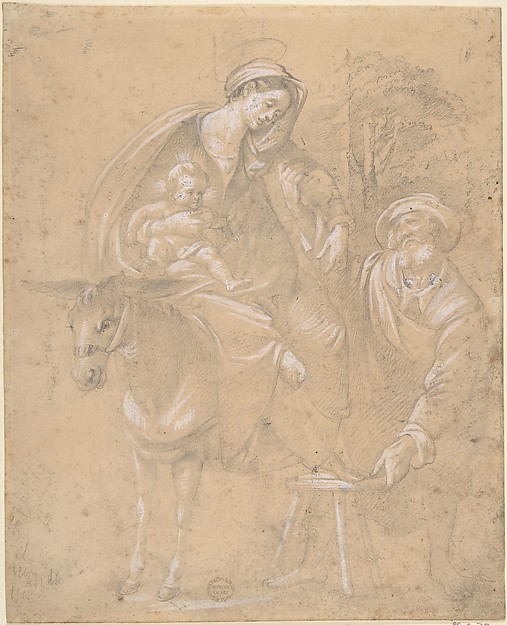
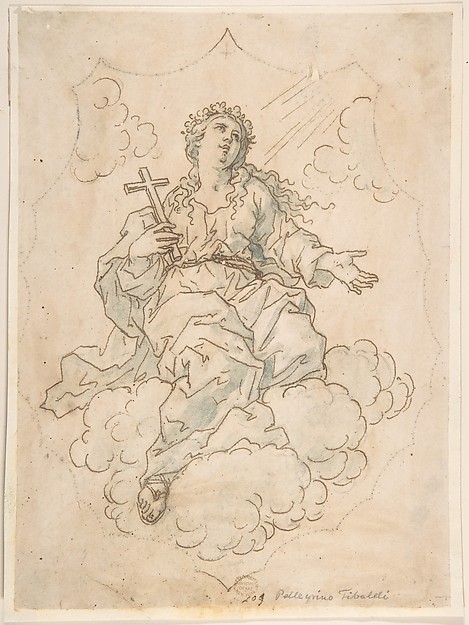
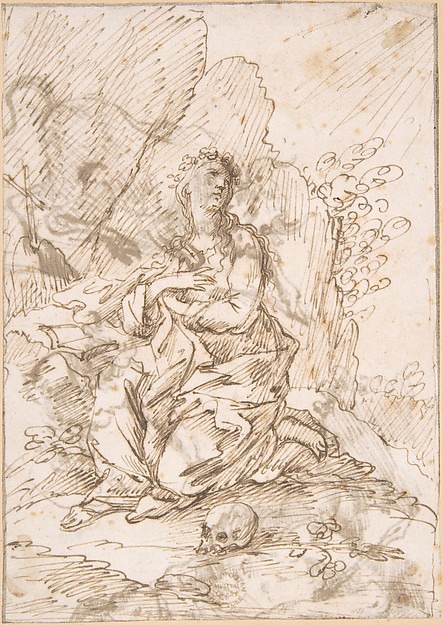
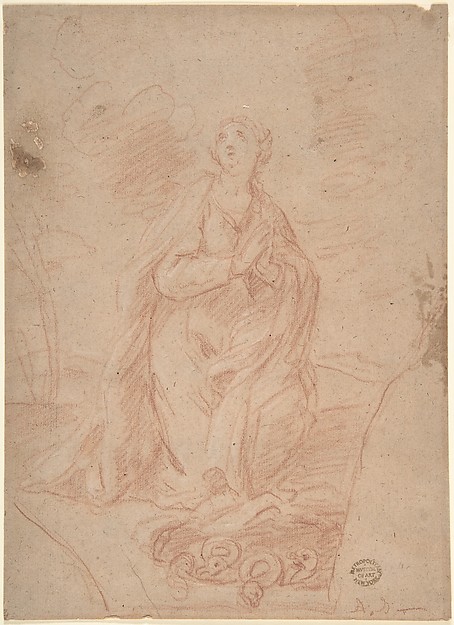
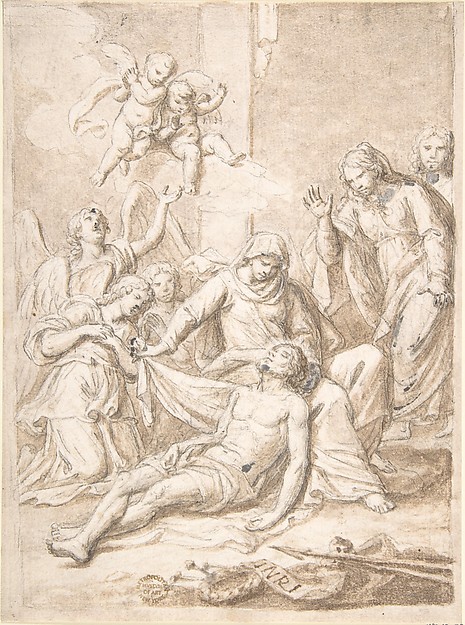
The bulk of the Anonymous Roman-Bolognese 17th-century artworks in the catalogue are small drawings and prints — preparatory studies for altarpieces, single-figure saint compositions, biblical-narrative scenes, and ornament designs — produced by the dense network of workshops that supplied the principal Italian Baroque centers. A typical Anonymous Roman-Bolognese drawing is a small pen-and-wash study on paper or a small red-chalk figure study, often bearing distant stylistic relationship to one of the major Bolognese or Roman masters of the period without enough specificity to support a confident attribution. The post-Carracci Bolognese workshop tradition in particular produced an enormous body of preparatory drawings whose attribution to specific Carracci pupils (Domenichino, Reni, Albani, or the broader Bolognese workshop) is often disputed even by specialist Italian seventeenth-century connoisseurs.
The catalogue's Roman-Bolognese 17th-century anonymous group is a useful catchall for the surviving products of this dense workshop ecosystem; over time, scholarly attribution may identify some of these works with named seventeenth-century Italian Baroque artists, but for now they preserve their anonymous status as documentary evidence of the workshop tradition that produced the principal Italian Baroque pictorial accomplishment.